News

Prince Theophilus: Hello everyone. Just to know, what is the real problem? I mean in the reconnection of afro descendants? A few questions to better understand the problem:
1- What exactly are Afro-descendants looking for?
Siphiwe:
An acknowledgement by the government of Cameroon that they are the descendants of the Bamileke, Ewondo, Fali, Fulani, Kirdi, Kotoko, Mafa, Masa, Mbenzele, Tikar and other peoples taken from their homelands in Cameroon as prisoners of war, trafficked across the Atlantic, and enslaved in the Americas.
An acknowledgement that they never relinquished their birthright claims to their homelands, and as such, have an enforceable moral and legal right to return under international law, especially the Geneva Convention
Designation as a unique class of immigrants with unique pathways to residency, resettlement, citizenship and preferential investment opportunity
Prince Theophilus: 2 - What problems do they want to solve exactly?
Siphwe: Afro-descendants want to
Solve the problem of spiritual destruction through ritual and symbolic return of the spirit of the ancestor that was kidnapped and trafficked from their homeland and died in captivity and did not receive proper burial rites;
Solve the problem of restoring families’ ancestral lineage;
Solve the problem of “belonging” by establish a homeland outside the lands and jurisdictions of their captivity in the west and within the land of their stolen birthright;
Solve the problem of Cameroon’s brain drain with brain gain;
Solve the problem of disunity in the Global African World by reconnecting the Africans at home with the Africans abroad;
Prince Theophilus: 3- Do they expect solutions from peoples or social groups from which they believe they descend (a few centuries ago) or from states that did not yet exist when their ancestors left the continent by force.
Siphiwe: Yes. When Cameroon gained independence and signed various international treaties, they assumed jurisdiction and responsibility for all issues pertaining to people within its jurisdiction. Thus, as a signatory to the Geneva Convention, the Republic of Cameroon has both a moral and a legal duty to provide for the final voluntary “repatriation” of the Bamileke, Ewondo, Fali, Fulani, Kirdi, Kotoko, Mafa, Masa, Mbenzele and Tikar descendants in the Americas whose unforfeited birthright is within the jurisdiction of Cameroon. It should be noted that war crimes and the Geneva Convention have no statute of limitation.
Prince Theophilus: 4- And those who claim to be descendants of such a tribe or such other sociological group, have they left it to explore other approaches, especially those endogenous, making it possible to verify their belonging to a group or a family?
Siphiwe: The African Ancestry matrilineal and patrilineal dna test measuring non-recombinant dna that is passed from generation to generation without change is the scientific proof of one’s direct lineage descent from Bamileke, Ewondo, Fali, Fulani, Kirdi, Kotoko, Mafa, Masa, Mbenzele, Tikar and other peoples taken from their homelands.
Prince Theophilus: 5- And those who come in expeditionary groups (prepared and coordinated by organizations or agencies) submit to collective rituals called reconnection. These rituals are in what register and do they correspond to the customs of all the ancestors of those who lend themselves to them?
Siphiwe: It is the responsibility of the Republic of Cameroon and the Chiefs, leaders, spiritual authorities and communities of the Bamileke, Ewondo, Fali, Fulani, Kirdi, Kotoko, Mafa, Masa, Mbenzele, Tikar and other peoples to see to such rituals of reconnection and customs of all the ancestors. It certainly cannot be expected from those that are returning to know of and have the capacity to ensure to such things.
Prince Theophilus: 6- And those who practice them do so in the name and on behalf of which community?
Siphiwe: Those who are returning are not practicing any of the customs of all the ancestors. This is the purpose of returning to Cameroon so as to engage in such activities that will help repair and restore the well-being of those that have been cut off from such cultural practices.
Prince Theophilus: 7- Often everything has been designed in advance by the organizers to come to Africa to perform what they were paid for. Is it serious?
Siphiwe: Those who have been leading such efforts have made serious attempts to do the best they can as “outsiders” coming into Cameroon. Again, it is the responsibility of the Republic of Cameroon to provide competent people to work with those who are organizing these events from the other side of the Atlantic to properly organize such “welcome home” events.
Prince Theophilus: 8- And when we challenge a few dignitaries or people from a few communities to give a semblance of seriousness to the activities, against remuneration, present or recognition of any kind, what is the result?
Siphiwe: Results vary according to the level of education, morality, integrity and political interests of the dignitaries consulted.
Prince Theophilus: 9- And those who act under ambushes or in a reactionary way, do they really meet the criteria of competence, legitimacy and established authority?
Siphiwe: I don’t understand this question. Please rephrase it.
Prince Theophilus: 10 - Whatever the pretexts and contexts, are endogenous customs really called upon?
Siphiwe: Again, it cannot be expected of those who have been living outside of Cameroon - against their will - for six or more generations, to know of understand, and behave in accordance with traditional customs. Such people wouldn’t even know how to properly call for and initiate them. Again, it is the responsibility of Bamileke, Ewondo, Fali, Fulani, Kirdi, Kotoko, Mafa, Masa, Mbenzele, Tikar and other peoples and their communities to prepare to receive and guide the people returning home, to teach them with sensitivity and wisdom, about their lost culture and customs.
Prince Theophilus: 11- And the officials of the administrations or representatives of the states who are often challenged, do they even understand what the real basic problem is?
Siphiwe: From our experiences so far working with the Director of Civil Cabinet of the Presidency of the Republic and the Ministry of External Relations, and their complete lack of response to our Decade of Return Initiative, it does not seem like the officials of the administrations or representatives of Cameroon understand the real basic problem nor the incredible opportunity that is presenting itself as a result of Ghana’s 2019 “Year of Return” and the spreading Back-to-Africa movement.
Prince Theophilus: 12- Besides the personal consolation of those who make the trip and the satisfaction of those who offer their services on the way, has the basic problem been solved?
Siphiwe: No. The basic problem of providing the environment for the repair of ethnocide and re-integrating the Bamileke, Ewondo, Fali, Fulani, Kirdi, Kotoko, Mafa, Masa, Mbenzele, Tikar and other descendants into their stolen birthright cultures has not been solved. This will require the granting of citizenship and specific public policy for this unique class of immigrants. It will take decades of effort by the people of Cameroon to help the generational transition from life of captivity in the west to life in the Republic of Cameroon.
New questions
Prince Theophilus: Q 13 - Coming back to Afro-descendants, are they recognized as descendants by the communities to which they claim to belong?
Siphiwe: How would we know? That is a question you would need to ask the communities to what extent we are accepted.
Prince Theophilus: Q 14 - Do they recognize the families to which they are attached within the said sociological groups?
Siphiwe: In most cases, they haven’t identified any family members. The African Ancestry dna test doesn’t measure that. It only identifies the ethnic identity of one’s unbroken paternal lineage and maternal lineage. It will be the responsibility of the communities in Cameroon to help in identifying family members. This can be done through a lot of work using other dna and genealogy databases, however those databases are owned by foreigners and present some security issues that many Afro-descendants do not wish to risk.
Prince Theophilus: Q15 - Have they done research to find out how one becomes or how one is recognized as a member of the sociological group to which they claim to be attached?
Siphiwe: Many of the various descendants have formed networks and history and genealogy societies to pool their research efforts. However, it is the responsibility of the communities in Cameroon to understand that THEY must realize that the Bamileke, Ewondo, Fali, Fulani, Kirdi, Kotoko, Mafa, Masa, Mbenzele and Tikar descendants returning to Cameroon from the Americas can only get the research you are speaking of from the communities themselves. It is not the child (the returnees) that is responsible for getting the knowledge, it is the parent (the communities in Cameroon) that must recognize their returning children and take responsibility for providing them the information that was kept from them.
Prince Theophilus: Q16- Is it enough to have a DNA test to claim a nationality?
Siphiwe: According to countries like Sierra Leone and Guinea Bissau, yes. The question is, why isn’t this enough for Cameroon?
Prince Theophilus: Q17- What is the legal (legal) and customary (legitimate) value of the documents or information provided by the agencies or test laboratories that Afro Descendents use?
Siphiwe: That’s for the sovereign Republic of Cameroon to decide. Again, AU Member states such as Sierra Leone and Guinea Bissau have give a legal recognition and status to the African Ancestry certified documents. The Republic of Cameroon is no less a sovereign power.
Prince Theophilus: Q18 - Have these results been cross-assessed or tested, for example through confirmation tests on the current descendants of the communities of origin, and or by other anthropological methods such as ordeals and various practices of divinatory arts which are research methods used by some of the communities?
Siphiwe: How could such tests, such as anthropological methods. . . ordeals and various practices of divinatory arts confirm any origin if the practitioners of such things from the communities themselves don’t create events for such testing and invite the Bamileke, Ewondo, Fali, Fulani, Kirdi, Kotoko, Mafa, Masa, Mbenzele and Tikar descendants in the Americas to attend them and submit themselves to these assessments? It is essential to remember that the returnees are “outsiders” to societies in Cameroon who need orientation and integration programs created for them as is their birthright.
Prince Theophilus: Q19 - Do international conventions recognize the results of DNA tests carried out as elements of sufficient proof to justify membership of a particular sociological group, and giving the right to a nationality?
Siphiwe: We are working on such a convention for the African Union as we speak. But the African Union is not a sovereign power. They can make decisions but it is up to each AU Member state to implement the decisions. This is a question for the parliament of the Republic of Cameroon. However, they can (and should) follow the lead of Sierra Leone and Guinea Bissau on this matter.
Prince Theophilus: Q- 20- The states that have ratified the said conventions would then be called upon to comply. It will therefore remain to know what customary law and religious dogmas say about reconnection, according to socio-anthropological specificities.
Siphiwe: I’m quite sure that Bamileke, Ewondo, Fali, Fulani, Kirdi, Kotoko, Mafa, Masa, Mbenzele and Tikar descendants in the Americas would be delighted if the communities and societies in Cameroon would publish the customary law and religious dogmas concerning reconnection according to socio-anthropological specificities. Who but the parent societies could complete this task? Now, here are my questions:
Questions for Prince Theophilus Tatsitsa Gha -
At the First Extraordinary Summit of the General Assembly of the AU in February 2003, the Republic of Uganda along with the other AU member states, adopted the Article 3q amendment to the AU Constitutive Act which “invite(s) and encourage(s) the full participation of the African Diaspora as an important part of our Continent, in the building of the African Union. What has the Republic of Cameroon and the Paramount Chiefs done to make sure that the Bamileke, Ewondo, Fali, Fulani, Kirdi, Kotoko, Mafa, Masa, Mbenzele and Tikar descendants in the Americas can return and fully participate in the building of Cameroon society and the African Union?
Prince Theophilus: On the participation of the African Diaspora in the construction of the African Union...
The resolutions of the successive meetings of the African Union have led to the recognition of the Diaspora as constituting the 6th Region of the African Union. The Afro-descendants would have done better to seize this breach to work for the implementation of the structures of a Community of the 6th Region, which would have its representatives within the African Union.
Through a parliament of the community of the 6th Region, recognized by the African Union, the question of citizenship would be easily settled for Afro-descendants or any African born outside the continent. With the advantage that such citizenship could give access to all the other 5 regions of the continent.
For this question, it is incongruous to reduce the responsibilities to the level of the sociological groups which are found in one or the other of the 5 regions of the continent.
Siphiwe: This is the thing we dislike. When we ask a direct question to our brothers and sisters, especially Government Officials and Royalty, we don’t get a straight answer to the question. My question was What has the Republic of Cameroon and the Paramount Chiefs done . . . . I was expecting to hear in reply, “We have done this…. We are doing this….. and we need to be doint this…..” Unfortunately, you did not discuss the actions of the Government or Chiefs, but instead changed the subject to the responsibility of those in the Diaspora. This causes us to feel disdain for those who should truly be our partners. I would remind you that the Diaspora was invited to be a “partner” with the AU and thus, the member states and the people themselves, as partners, have duties and responsibilities. The Diaspora is well aware of its responsibilities. I don’t think you are aware of the fact that since 2003, the African Diaspora has been prevented from establishing itself officially as the AU 6th Region by the African Union itself!!!! I know this because I was in charge of supervising the election of the first 20 Diaspora representatives to AU ECOSOCC in 2006. Since then, many commentators have published analysis of the AU’s failures regarding its invitation to the Diaspora. And now I work closely with the former AU Ambassador to the United States, H.E. Arikana Chihombori-Quao as the Coordinator of the 8th Pan African Congress Part 1 (8PAC1) to be held in Harare, Zimbabwe later this year. The agenda for the 8PAC1 is establishing the AU6th Region with headquarters, Ambassadors to the AU Permanent Representative Committee (PRC), and dual citizenship for African Diasporans. So I can tell you what we, the Diasporans, have been doing and are doing to fulfill our part of the partnership for the past 20 years. Since I am well versed in this aspect, again, I ask the you not to talk about the AU or the Diaspora, but instead to discuss what is or isn't being done by the Government and Chiefs in Cameroon to fulfill their end of the partnership. Getting this kind of information is the purpose of my questions. We want to know what is being done on our behalf inside Cameroon to fulfill its obligations. Next question:
2. What problems were created when Bamileke, Ewondo, Fali, Fulani, Kirdi, Kotoko, Mafa, Masa, Mbenzele and Tikar people were taken from their villages and enslaved in the Americas? How have those communities who lost family members tried to solve those problems?
Prince Theophilus: It seems to me that there is a misunderstanding or confusion about what is supposed to establish the relations of supposed fraternity or brotherhood between the descendants of the deportees from Africa and the members of the communities to which they believe they are attached.
Africa is today occupied by the States resulting from colonization on the one hand (which are grouped into 5 regions of the African Union), and on the other hand, by sociological groups more or less structured in historical communities. or fate.
Not all Post Colonial Countries have the same sociological groups.
Not all sociological groups have the same relationship with the forced deportation of Africans (slavery). Some communities were also formed late.
But in the Afro-descendant narrative, all colonial states and sociological groups are lumped together, due to a lack of historical and anthropological research, as well as the massive propaganda of DNA testing companies and agencies that offer shipments with some key reconnection services.
Siphiwe: there is no misunderstanding on our part. I personally have been working on this issue since I left the African Union in 2003 when Article 3(q) was made to “invite and encourage the full participation” of the African Diaspora. In fact, I have prepared a resource guide of all the major decisions and agreements made by the AU concerning our partnership avaialble here.
We agree that “Not all sociological groups have the same relationship with the forced deportation of Africans (slavery).” But you are mistaken when you say, “But in the Afro-descendant narrative, all colonial states and sociological groups are lumped together, due to a lack of historical and anthropological research. . . .” This is the very reason why we asked you specifically about each sociological/ethnic group by name. And yet, you still did not answer our questions concerning what problems were caused when, for example, Bamileke families lost Bamilike family members that were enslaved in the Americas? How have Bamilike people tried to solve them? The same for all the other groups of people. You did not give us an answer to that question. Next question:
3. How have the Bamileke, Ewondo, Fali, Fulani, Kirdi, Kotoko, Mafa, Masa, Mbenzele and Tikar communities and the Republic of Cameroon sought to remember those who were taken and enslaved?
Prince Theophilus: According to traditions, when a custom is badly made, it can be done 1000 times without solution even if it is made by non-consecrated people or on non-concerned people.
Siphiwe: Again, my question was not answered. I was expecting to hear about traditions that were done, for example, in the Tikar communities to remember the Tikar people who were captured and enslaved in the Americas. For example, here in Guinea Bissau, there is a song that is sung once a year in Cacheu where the majority of people of Guinea Bissau were taken. Did any of the ethnic groups in Cameroon develop any similar cultural traditions? Next Question:
4. What efforts have the Bamileke, Ewondo, Fali, Fulani, Kirdi, Kotoko, Mafa, Masa, Mbenzele and Tikar communities and the Republic of Cameroon made to rescue the descendants of their family members that were taken away?
Prince Theophilus: In general, it is the one who feels bad who must, first, look for solutions to his pain.
It is not in the interests of Afro-descendants to wait for solutions to be offered by communities to which they claim to belong or to descend through their ancestors.
They have to do research. And also know that not all lessons are open to everyone. The access criteria are not based on filiations defined in laboratories or suggested by foreign genealogical guidance companies.
Siphiwe: This is a little insulting. Anyone who studies the history of African peoples in the Americas knows how much pain we have felt and all the efforts we have made in every generation to rebel against our enslavers and to return to our ancestral homelands as well as to all our efforts to defend Ethiopia when she was invaded by the Italians and all the African Liberation movements in their struggle against colonialism and apartheid. The Afro-Descendants are by no means waiting for solutions as we have taken the initiative ourselves. Was it Africans at home that developed DNA testing to identify the victims who were taken from their families in Africa and enslaved in the Americas? No! It was the African Diaspora, and specifically Dr. Kittles and Gina Paige of African Ancestry, that took the initiative. This is just one example. Where is the initiative from just one African country to send a ship or plane for any of us, and bring us back and give us citizenship? The Diaspora is disappointed that the communities from which they originate, to whose ancestral bloodlines they belong, are taking no ownership and responsibility in repairing the damage that was done by severing family members from each other. It is not in the interests of the Bamileke, Ewondo, Fali, Fulani, Kirdi, Kotoko, Mafa, Masa, Mbenzele and Tikar communities and the Republic of Cameroon to wait for their long lost family members in the Diaspora to do everything to reconnect the Bamileke, Ewondo, Fali, Fulani, Kirdi, Kotoko, Mafa, Masa, Mbenzele and Tikar people abroad with the Bamileke, Ewondo, Fali, Fulani, Kirdi, Kotoko, Mafa, Masa, Mbenzele and Tikar people at home in the Republic of Cameroon. All Pan Africanists understand that such a project requires Ubuntu - ALL OF US. We want to know when the people and government of Cameroon is going to stand up and do its part. We have not yet heard your answer to this. Next Question:
5. How will the Bamileke, Ewondo, Fali, Fulani, Kirdi, Kotoko, Mafa, Masa, Mbenzele and Tikar communities and the Republic of Cameroon seek justice for the descendants of their family members that were taken away?
For the communities to be customarily concerned by the request for reconnection, the filiation would have to be effectively established, as well as the tangible responsibility of the community or its members for the forced deportation in a past to be clearly located.
Siphiwe: We agree. What are the people and Government of Cameroon doing to effectively establish “the filiation”? What can they do? What do you think is the tangible responsibility of the community or its members in this regard? This is the answer we are awaiting from you. Next Question
6. Do the Bamileke, Ewondo, Fali, Fulani, Kirdi, Kotoko, Mafa, Masa, Mbenzele and Tikar communities prefer that the descendants of their enslaved family members live integrated amongst them or in separate communities?
Prince Theophilus: It should be noted that the Africans living on the continent today, members of the sociological groups mentioned, are only descendants, just as the Afro-descendants are also of the same African ancestors.
And Africa, since the period of forced deportation or slavery, has experienced many phenomena, including new migrations, colonization and its share of forced labor, i.e. home slavery (on African soil), and today, tele-colonization (by instruction and educational and political conditioning).
Without forgetting that it resists and develops a participatory and cooperative slavery: which manifests itself in voluntary, sustained and sometimes more risky deportations and separation from parents is often painful than at the time of chain slavery. .
You only have to follow the news to learn that many Africans lose their lives in the oceans, or suffer excruciating suffering during their immigration journey. Many parents are not even informed of certain travel plans. These new deportations are no less forced. And the candidates for the adventure are often very numerous. This could be incomprehensible or dilute the receptivity to requests for returns presented by some of the Afro-descendants.
Siphiwe: This in no way answers my question. You have changed the subject. I repeat the question in hopes of getting a direct answer: Do the Bamileke, Ewondo, Fali, Fulani, Kirdi, Kotoko, Mafa, Masa, Mbenzele and Tikar communities prefer that the descendants of their enslaved family members (WHO ARE RETURNING) live integrated amongst them or in separate communities? Next Question:
7. How much land will the Bamileke, Ewondo, Fali, Fulani, Kirdi, Kotoko, Mafa, Masa, Mbenzele and Tikar communities provide for the returning descendants of their family members that were enslaved in the Americas?
8. Have the Bamileke, Ewondo, Fali, Fulani, Kirdi, Kotoko, Mafa, Masa, Mbenzele and Tikar scholars published research on how best to integrate the returning descendants of their enslaved family members?
9. Have the Bamileke, Ewondo, Fali, Fulani, Kirdi, Kotoko, Mafa, Masa, Mbenzele and Tikar communities in Cameroon prepared language training programs for the returning descendants of their family members that were enslaved?
10. What commitments will the Bamileke, Ewondo, Fali, Fulani, Kirdi, Kotoko, Mafa, Masa, Mbenzele and Tikar chiefs make to the returning descendants of their family members that were enslaved in the Americas?
11. How will the Paramount Chiefs approach the government on behalf of the descendants of their family members that were enslaved in the America’s to ensure that the Republic of Cameroon fulfills its moral and legal obligations to provide for the return of Bamileke, Ewondo, Fali, Fulani, Kirdi, Kotoko, Mafa, Masa, Mbenzele and Tikar peoples?
Prince Theophilus: Today, there is more interest in dialogue (as opposed to claims), between the current generations of Africans living on the continent and those wishing to reconnect with Africa or return temporarily or to settle.
Thank you, Dear Baleka for your reaction which confirms my analysis. The opposite would have surprised me. Your recitation or your indexing of sociological groups as a kind of mantra clearly suggests that you may not agree with my approach which may even cause a clash of thoughts. The fact that my analysis based on sociological realities rows against the current of certain discourses that are well established.
We can continue the exchanges, but for us to understand each other well, it would be important to make a few reminders for more details on the historical periods preserved by the subject.
1 - When is the period of deportation and forced Africans?
Siphiwe: It began on June 18, 1452 when Pope Nicholas V issued the Apostolic Edict known as the Dum Diversas Papal Bull. The period of forced “deportations” or, more properly, the trafficking of prisoners of war, continued through monopoly contracts known as “Asientos” which were variously granted by the Catholic Church to private merchants from 1518 to 1595, to Portugal from 1595 to 1640, to the Genoese (Italy) from 1662 to 1671, to the Dutch and Portuguese from 1671 to 1701, to France 1701-1713, the British 1713 to 1750, and the Spanish 1765 to 1779. In the United States, several colonies became combatants to the Dum Diversas War when they legalized slavery: Massachusetts in 1641; Connecticut in 1650; Virginia in 1657 and Maryland in 1663. Other colonies followed and the United States of America officially entered the Dum Diversas War trafficking of people from Guine after American independence in 1776. The British stopped their forced deportation/rafficking of prisoners of war in 1807 and the French followed suit between 1845-48.
Prince Theophilus: 2- When does the existence, in their current denominations and organizations, of the sociological groups called (?):
- Bamileke,
- Ewondo,
- Fali,
- Fulani,
- Kirdi,
- Kotoko,
- Mafa,
- Massa,
- Mbenzele
- and Tikar.
To name a few,... from Cameroon/Cameroon
Siphiwe: I think the point is this - the people of Cameroon, whoever they are and whatever they are called - suffered when members of their family were captured, trafficked and enslaved in the Americas. Now it is possible to remember who these people were and identify their descendants who want to come home. Do the people who were left in Cameroon care about the family members who were taken and survived slavery? Are they going to welcome them home, give them their citizenship, and help then integrate by learning their language and culture, or are they going to be cold-hearted and turn their backs and continue the divisions between Africans at home and those abroad. Will Cameroon, its Government and Chiefs, show themselves to be leaders of Pan African values or poor students of history?
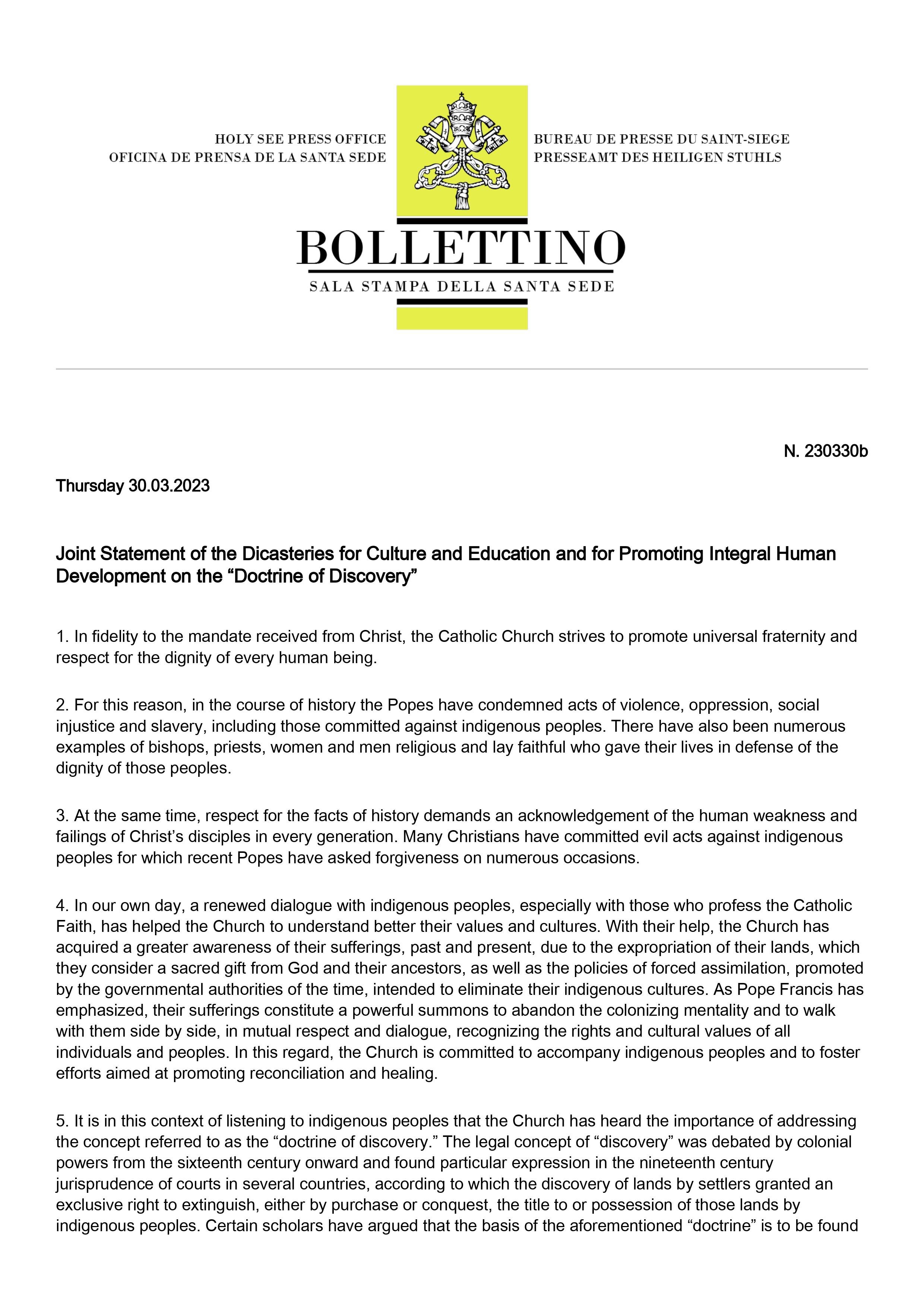
In a statement on Thursday, March 30, 2023 (see below) the Vatican’s development and education office said the theory of the “Doctrine of Discovery” – which still informs government policies and laws today – was not part of the Catholic Church’s teachings. The most problematic part of the statement declared,
“The legal concept of “discovery” was debated by colonial powers from the sixteenth century onward and found particular expression in the nineteenth century jurisprudence of courts in several countries, according to which the discovery of lands by settlers granted an exclusive right to extinguish, either by purchase or conquest, the title to or possession of those lands by indigenous peoples. Certain scholars have argued that the basis of the aforementioned “doctrine” is to be found in several papal documents, such as the Bulls Dum Diversas (1452), Romanus Pontifex (1455) and Inter Caetera (1493). 6. The “doctrine of discovery” is not part of the teaching of the Catholic Church. Historical research clearly demonstrates that the papal documents in question, written in a specific historical period and linked to political questions, have never been considered expressions of the Catholic faith.”
However, that’s like saying that the Dred Scott decisicion was not part of the Supreme Court’s theory on the status of black people in America or that Missouri’s Executive Order 44, known as the Mormon Extermination Order - in which Governor Boggs directed that "the Mormons must be treated as enemies, and must be exterminated or driven from the State if necessary for the public peace - was not the official position of the state of Missouri or that the decision to exterminate the Armenians made between March 20 and 25, 1915, was not the policy of the Young Turk Central Committee.
The Papal Bull Dum Diversas issued by Pope Nicholas V, June 18, 1452, stated,
“we grant to you full and free power, through the Apostolic authority by this edict, to invade, conquer, fight, subjugate the Saracens and pagans, and other infidels and other enemies of Christ, and wherever established their Kingdoms, Duchies, Royal Palaces, Principalities and other dominions, lands, places, estates, camps and any other possessions, mobile and immobile goods found in all these places and held in whatever name, and held and possessed by the same Saracens, Pagans, infidels, and the enemies of Christ, also realms, duchies, royal palaces, principalities and other dominions, lands, places, estates, camps, possessions of the king or prince or of the kings or princes,
The Dum Diversas Apostolic Edict declaring total war was followed up with monopoly contracts known as “Asientos” which were variously granted by the Catholic Church to private merchants from 1518 to 1595, to Portugal from 1595 to 1640, to the Genoese (Italy) from 1662 to 1671, to the Dutch and Portuguese from 1671 to 1701, to France 1701-1713, the British 1713 to 1750, and the Spanish 1765 to 1779. In the United States, several colonies became combatants to the Dum Diversas War when they legalized slavery: Massachusetts in 1641; Connecticut in 1650; Virginia in 1657 and Maryland in 1663. Other colonies followed and the United States of America officially entered the Dum Diversas War trafficking of people from Guine after American independence in 1776.
What the Dicasteries for Culture and Education and for Promoting Integral Human Development did in their March 30 statement was to switch the debate from their declaration of war, which cannot be denied, to the “doctrine of discovery”, which they declare “is not part of the teaching of the Catholic Church”. They then absolve themselves of responsibility and blame European courts by stating that “The legal concept of “discovery” was debated by colonial powers from the sixteenth century onward and found particular expression in the nineteenth century jurisprudence of courts in several countries.” The Dicasteries for Culture and Education and for Promoting Integral Human Development then completely ignore the fact that the Catholic Church’s monoply contract Asientos resulted in the trafficking of over 12 million prisoner of war from Africa to the Americas.
Thus, the Catholic Church’s statement is no mea culpa, but rather word play intended to trick us from holding the Catholic Church accountable. A real effort for atonement by the Catholic Church would
1) state that either it was the will of Jesus Christ, as expressed through his representative Pope Nicholas V, to reduced to perpetual servitutde the “Saracens, Pagans, infidels, and the enemies of Christ” or that the Pope Nicholas V committed the greatest blaspheme in the name of Jesus Christ, by virtue of the fact that it has been agreed that what became known as the “Trans Atlantic Slave Trade” was the greatest crime against humanity;
2) acknowledge that their actions completely disqualify the Catholic Church from any claim of retaining authority in the name of Jesus Christ;
3) Dissolve and divest itself of all property into a Diaspora Pan African Capital Fund and Trust and voluntary cease to exist, a punishment commensurate to the crime it initiated and sanctioned for centuries.
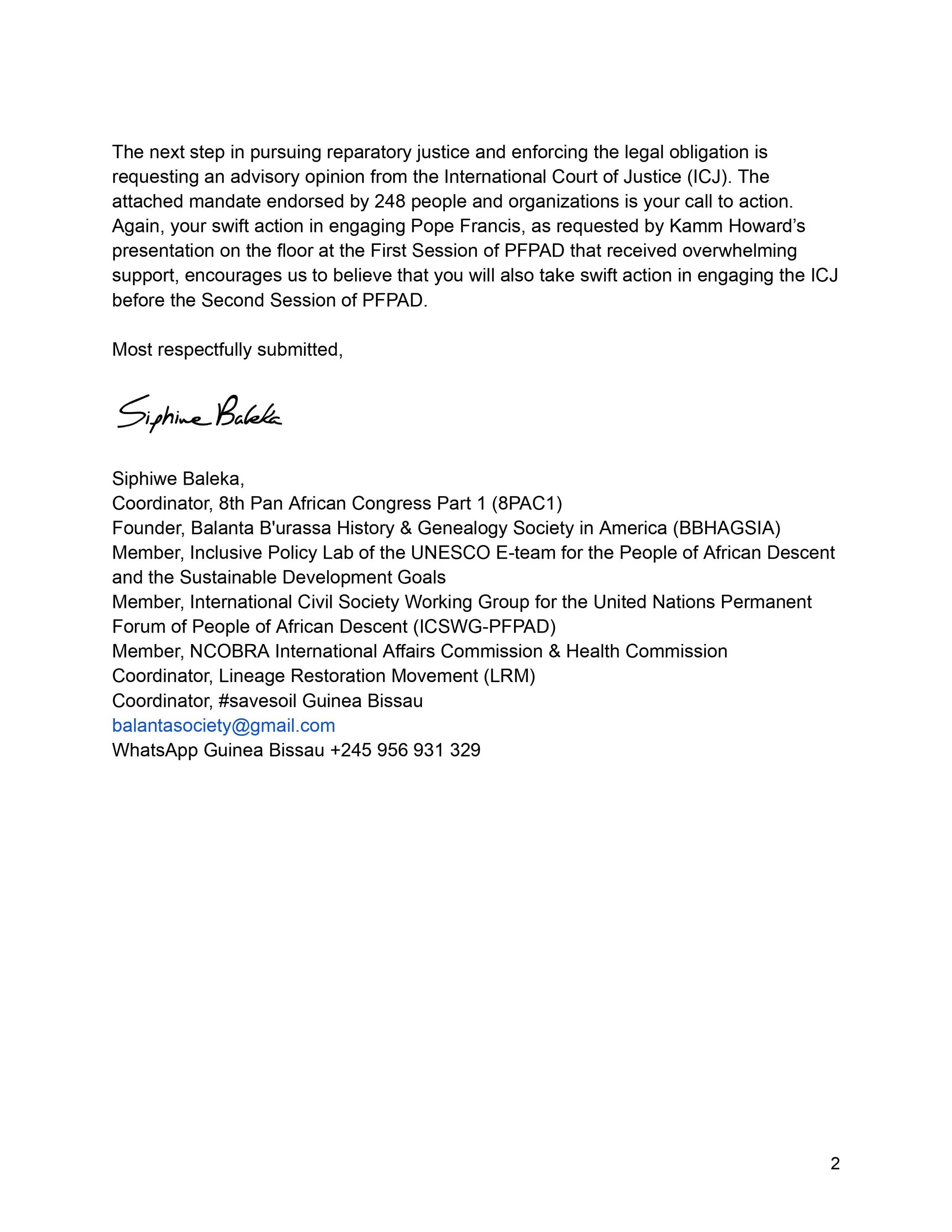
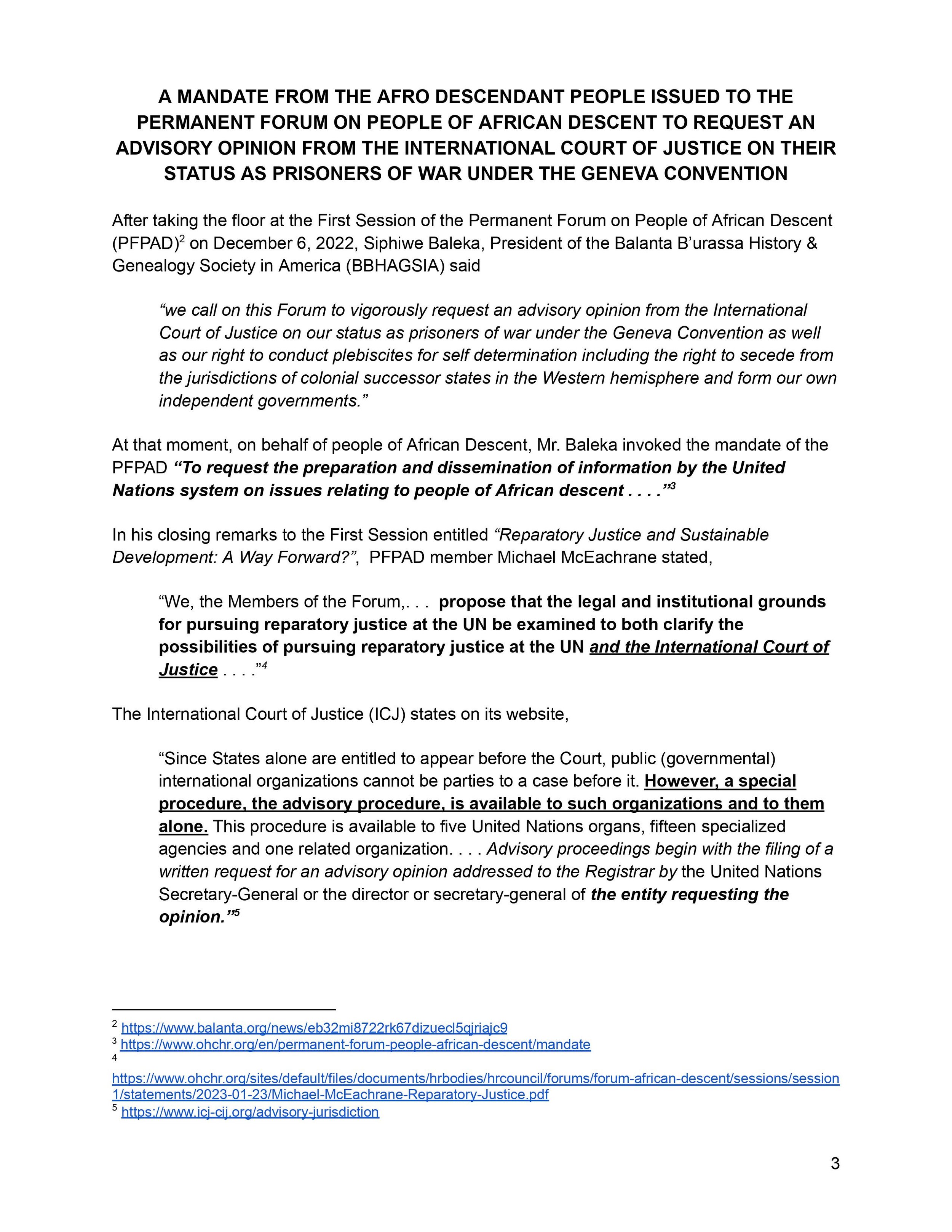
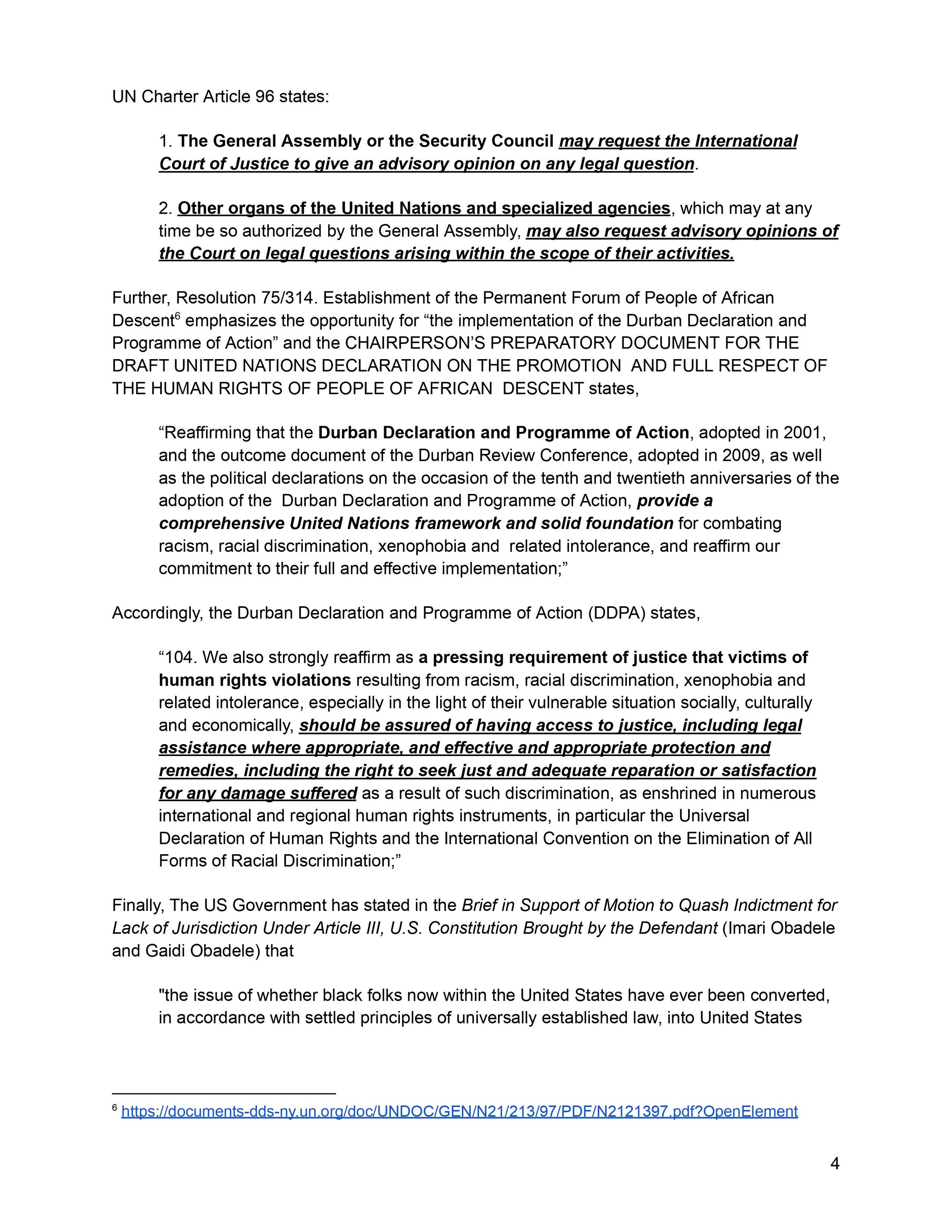
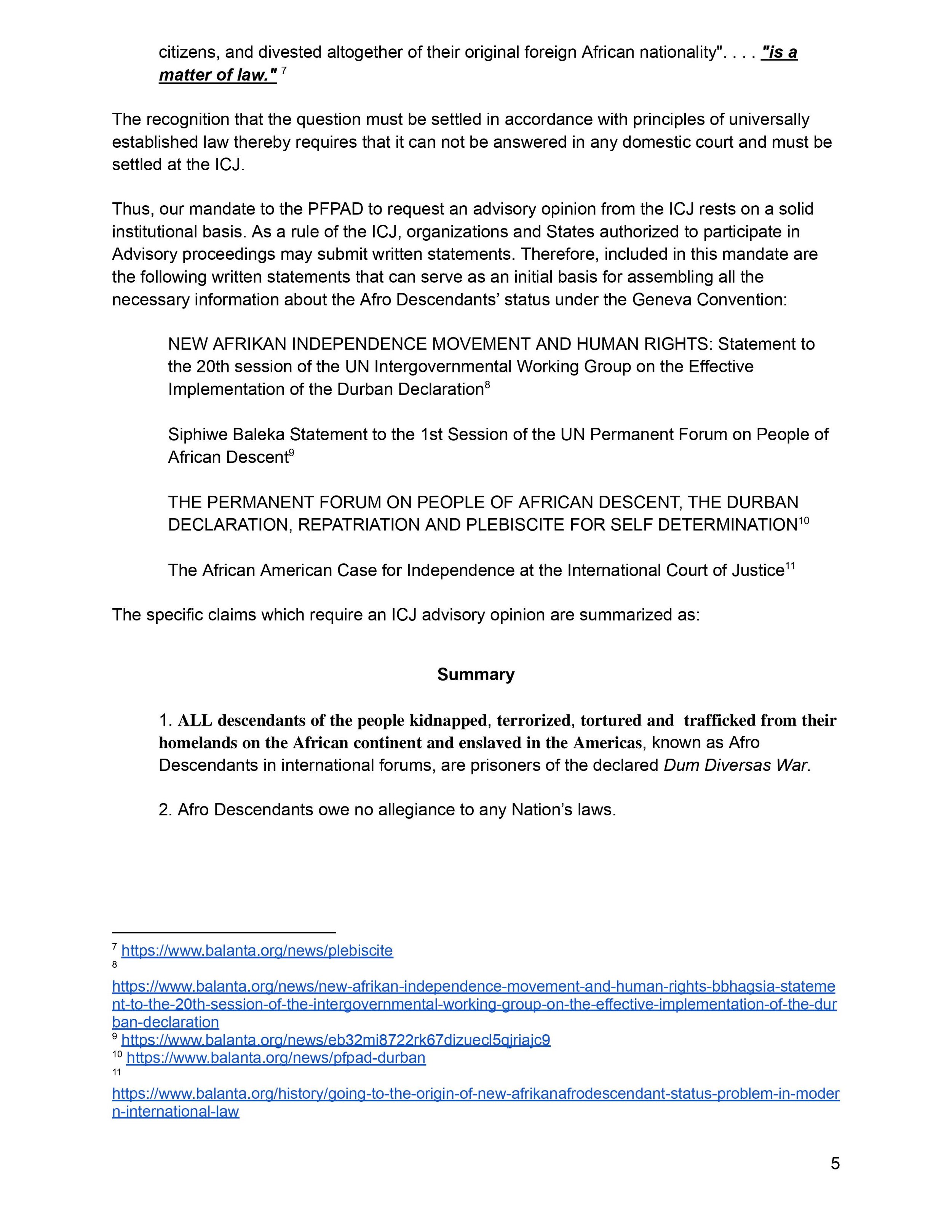
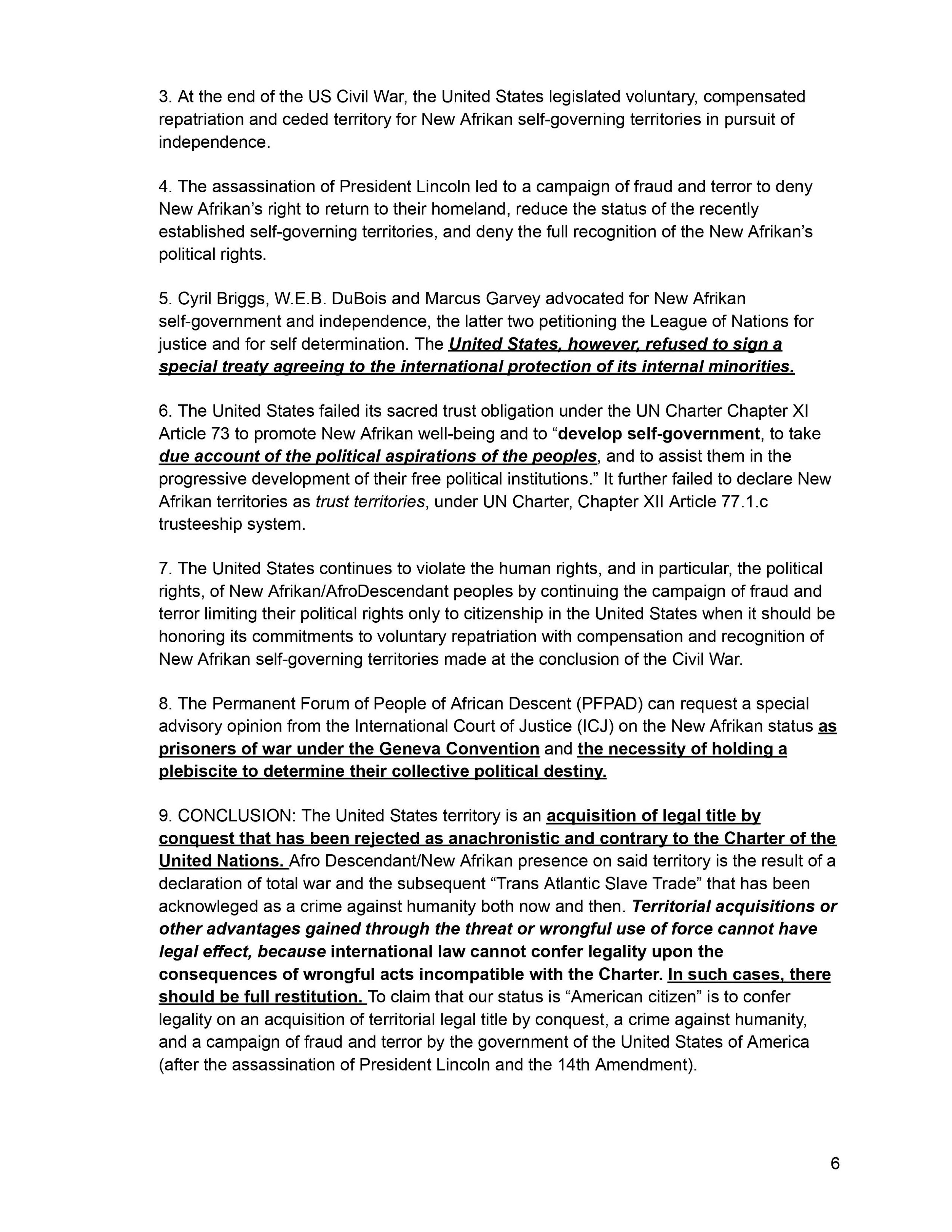
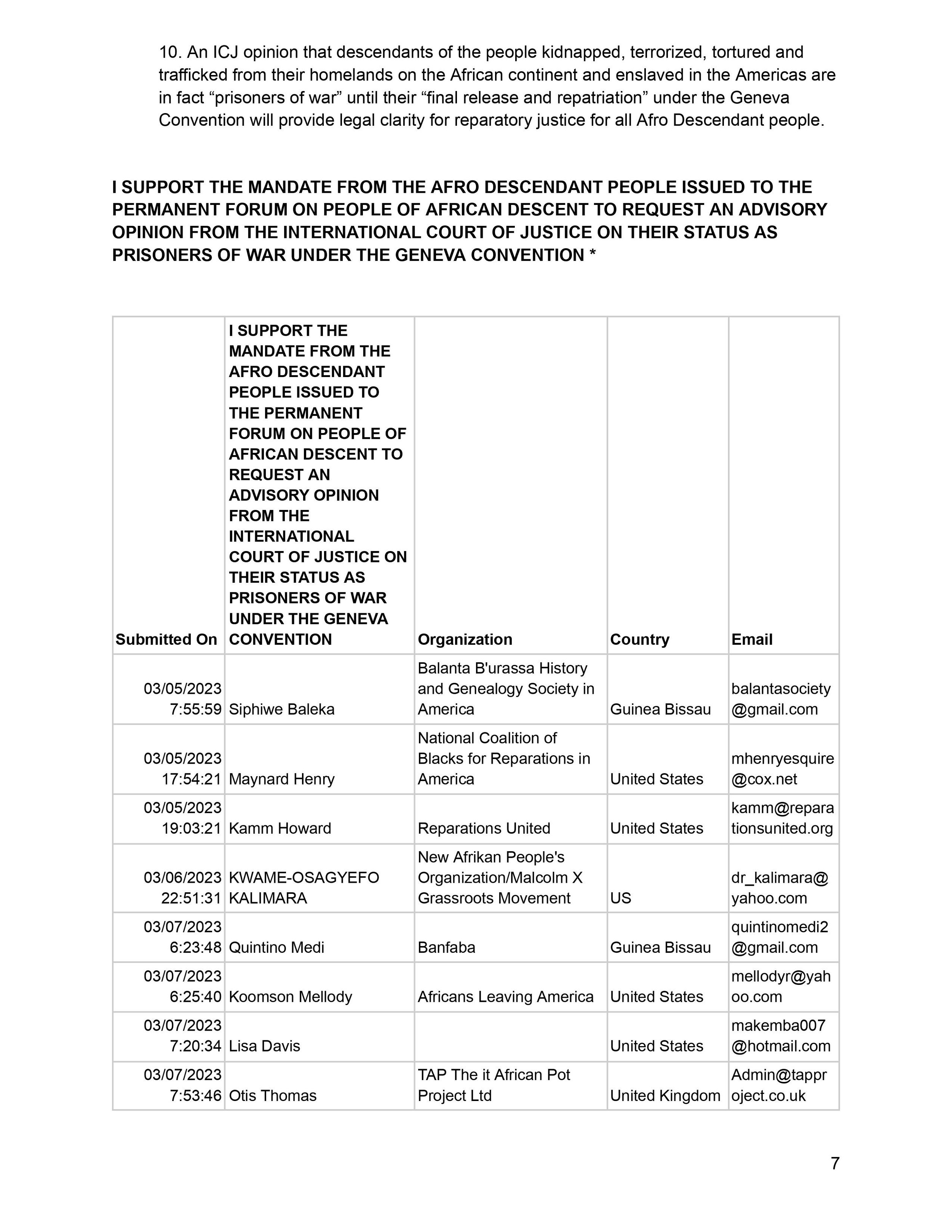
Of course, we know that the Holy See will not take such righteous action. And this makes the MANDATE FROM THE AFRO DESCENDANT PEOPLE ISSUED TO THE PERMANENT FORUM ON PEOPLE OF AFRICAN DESCENT TO REQUEST AN ADVISORY OPINION FROM THE INTERNATIONAL COURT OF JUSTICE ON THEIR STATUS AS PRISONERS OF WAR UNDER THE GENEVA CONVENTION all the more important.
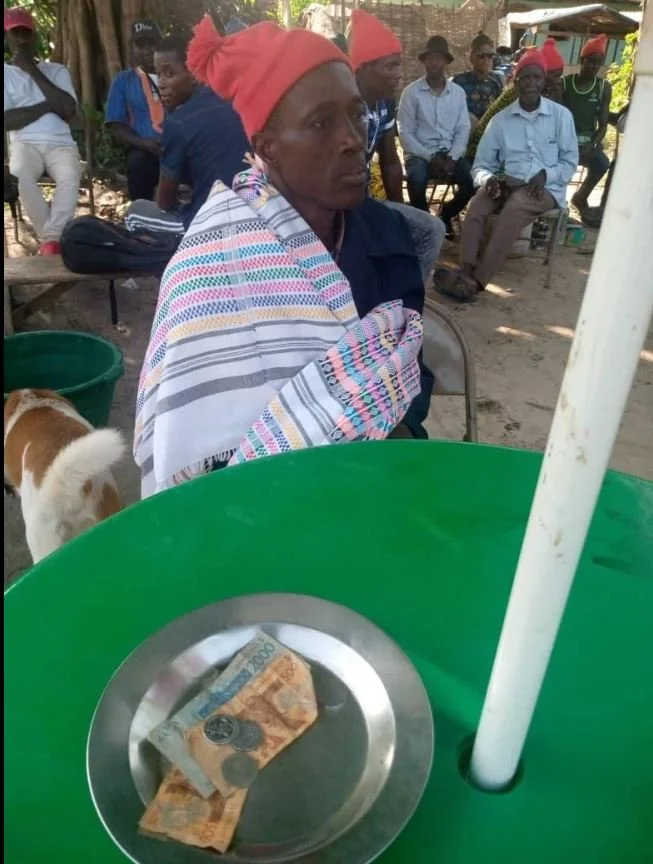
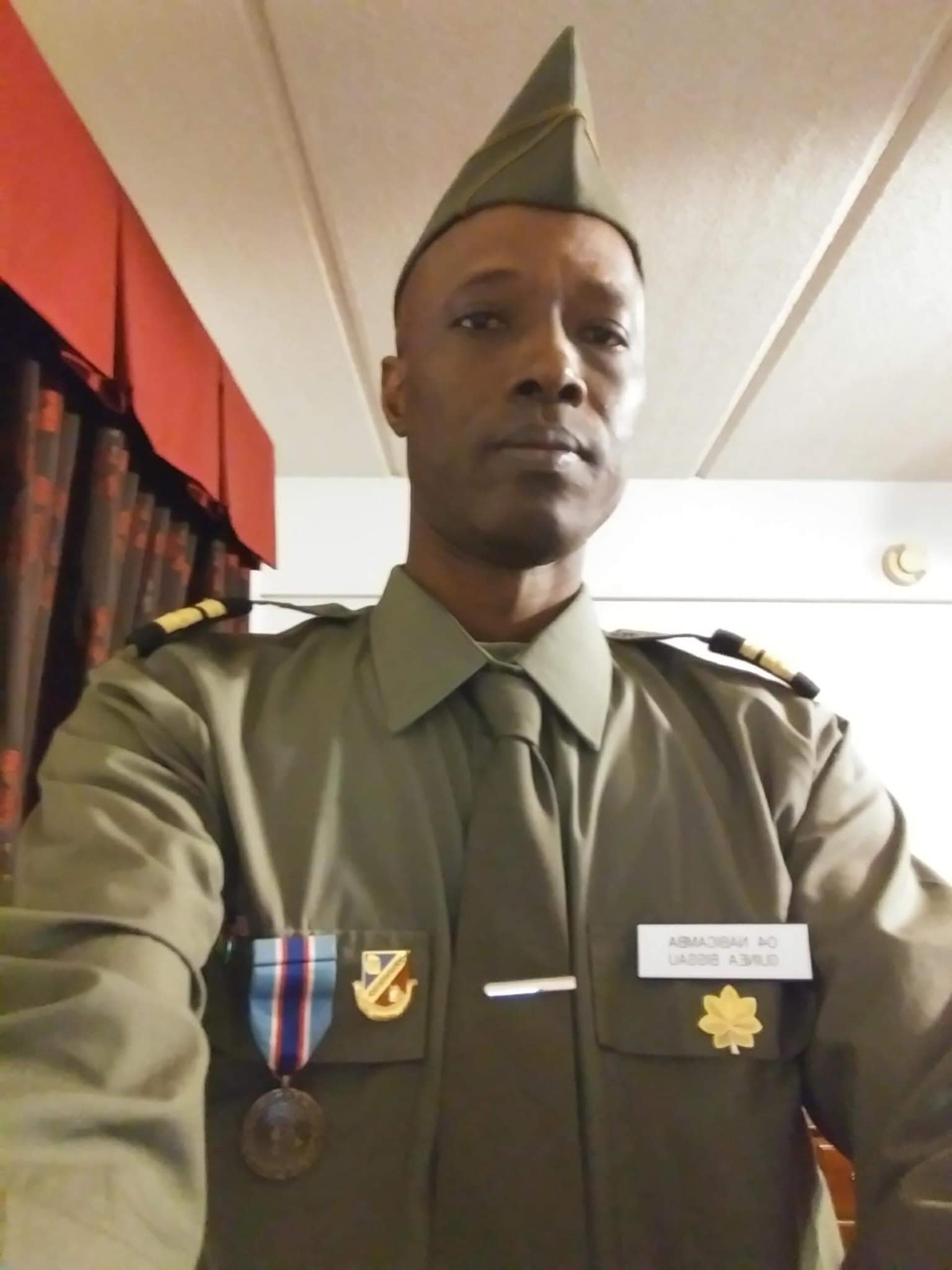
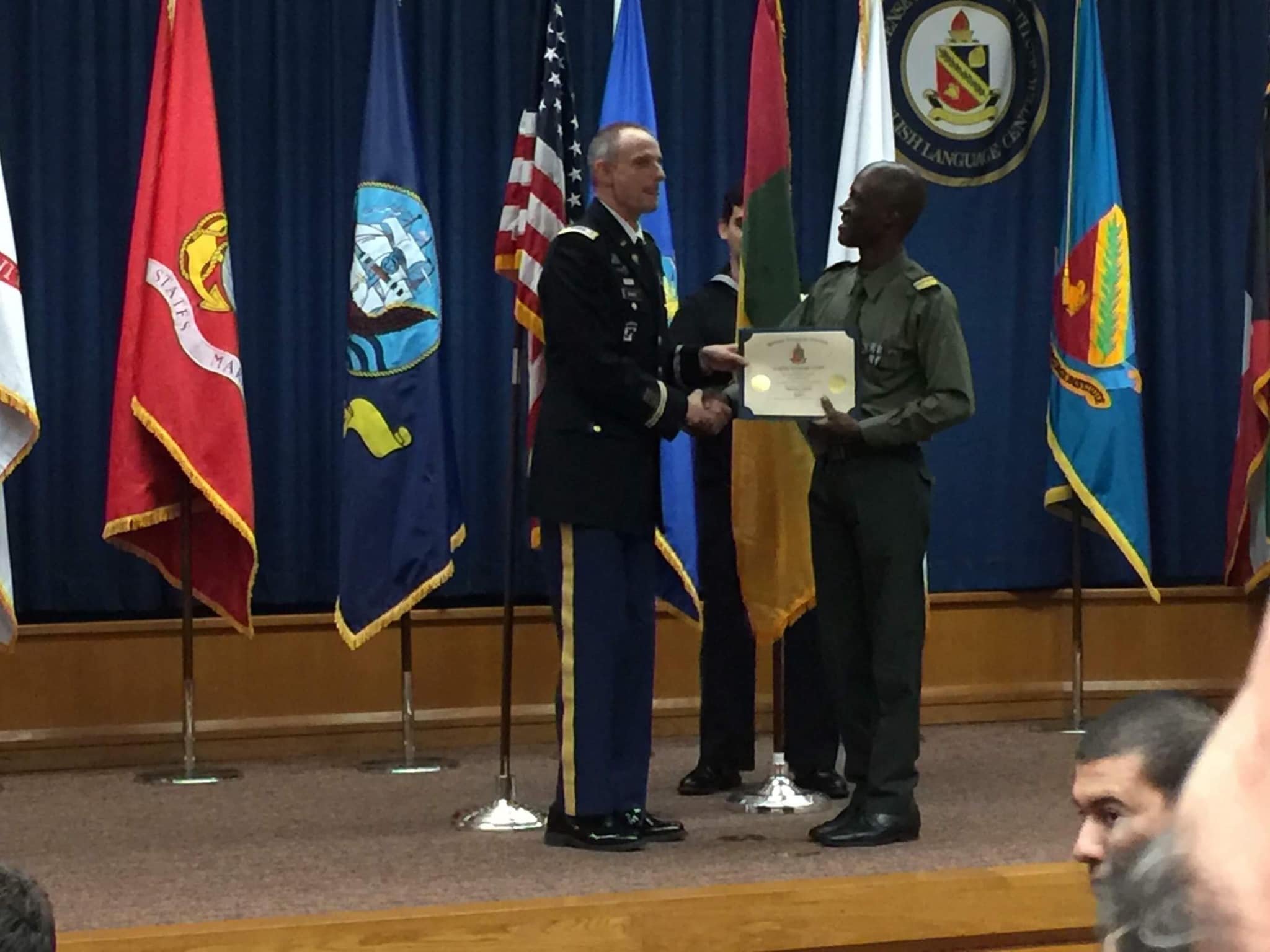
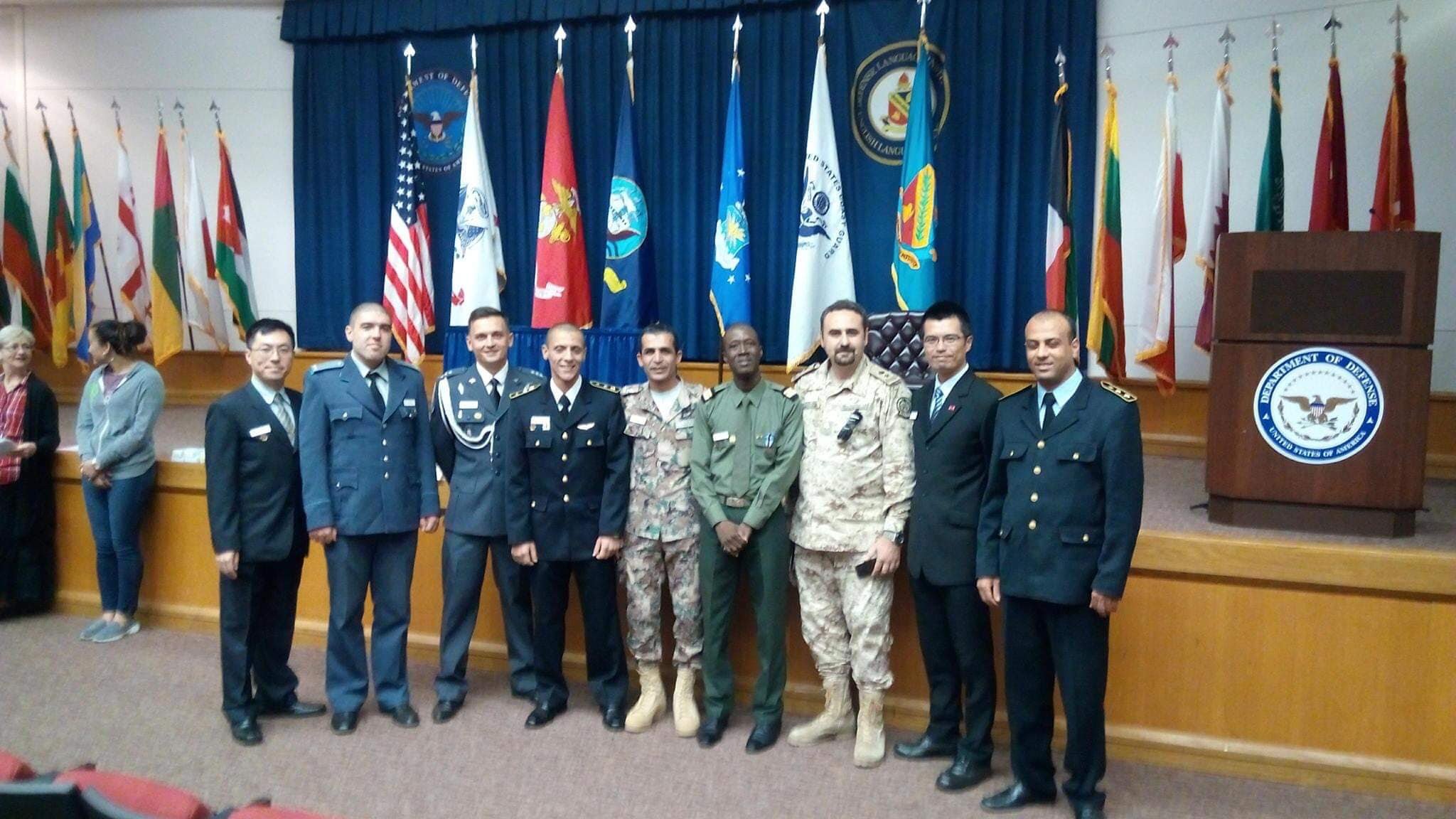
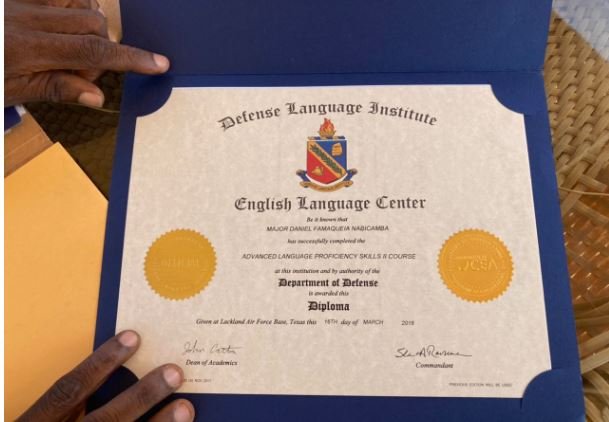
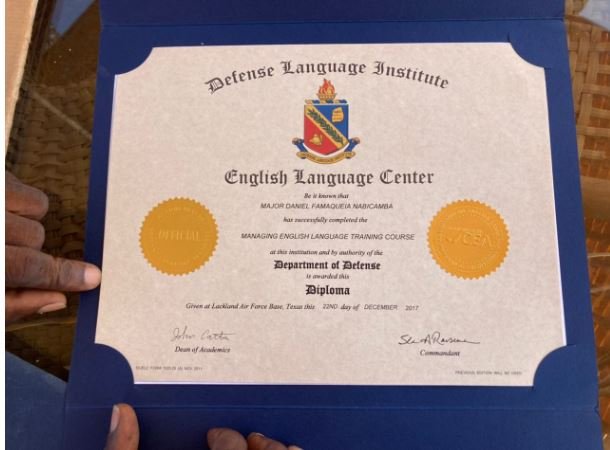
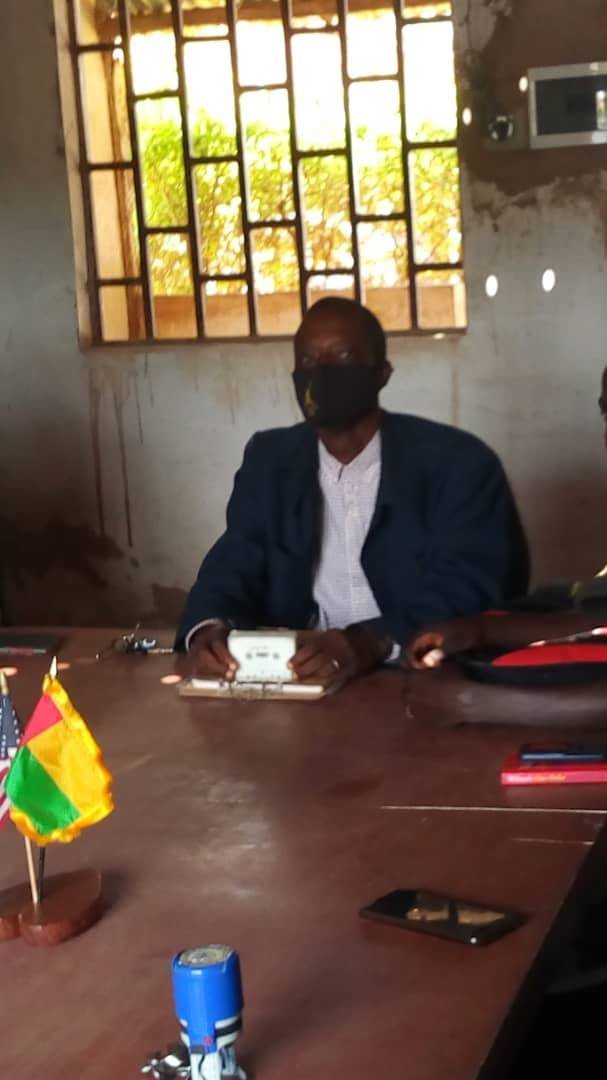
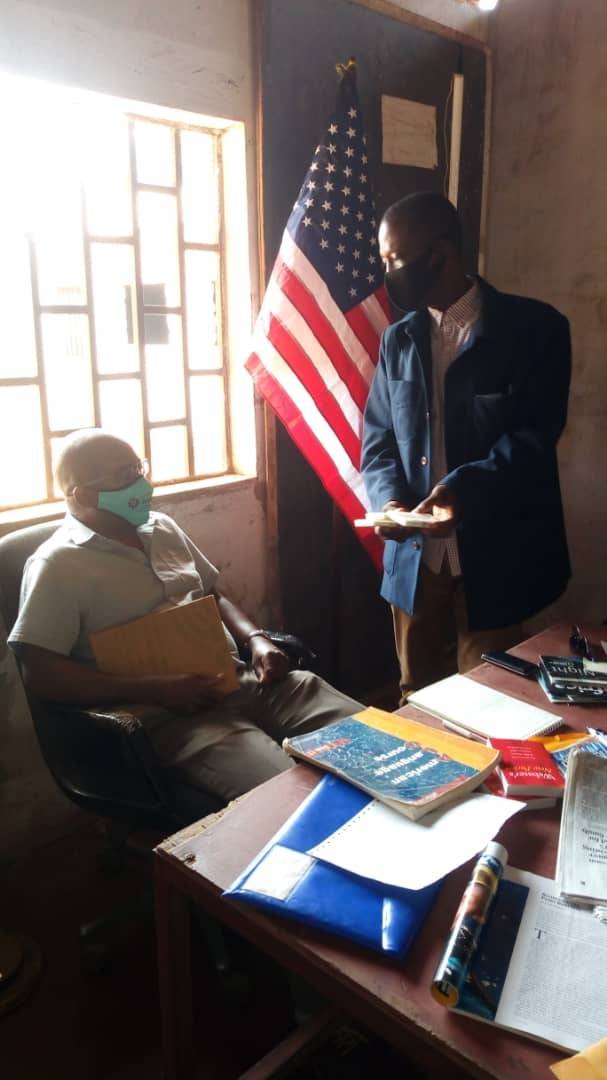
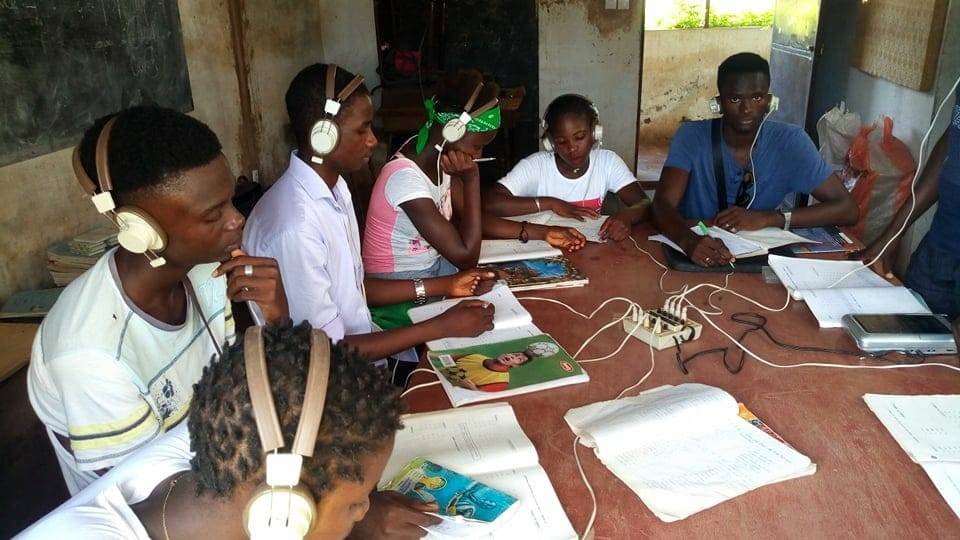
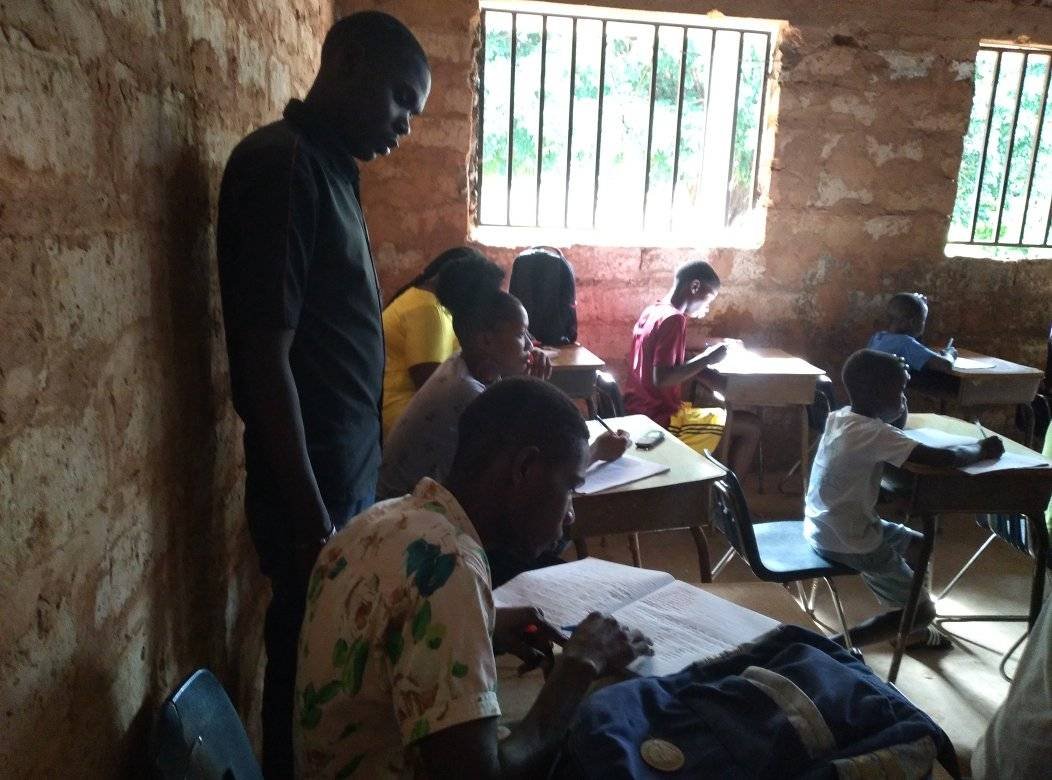
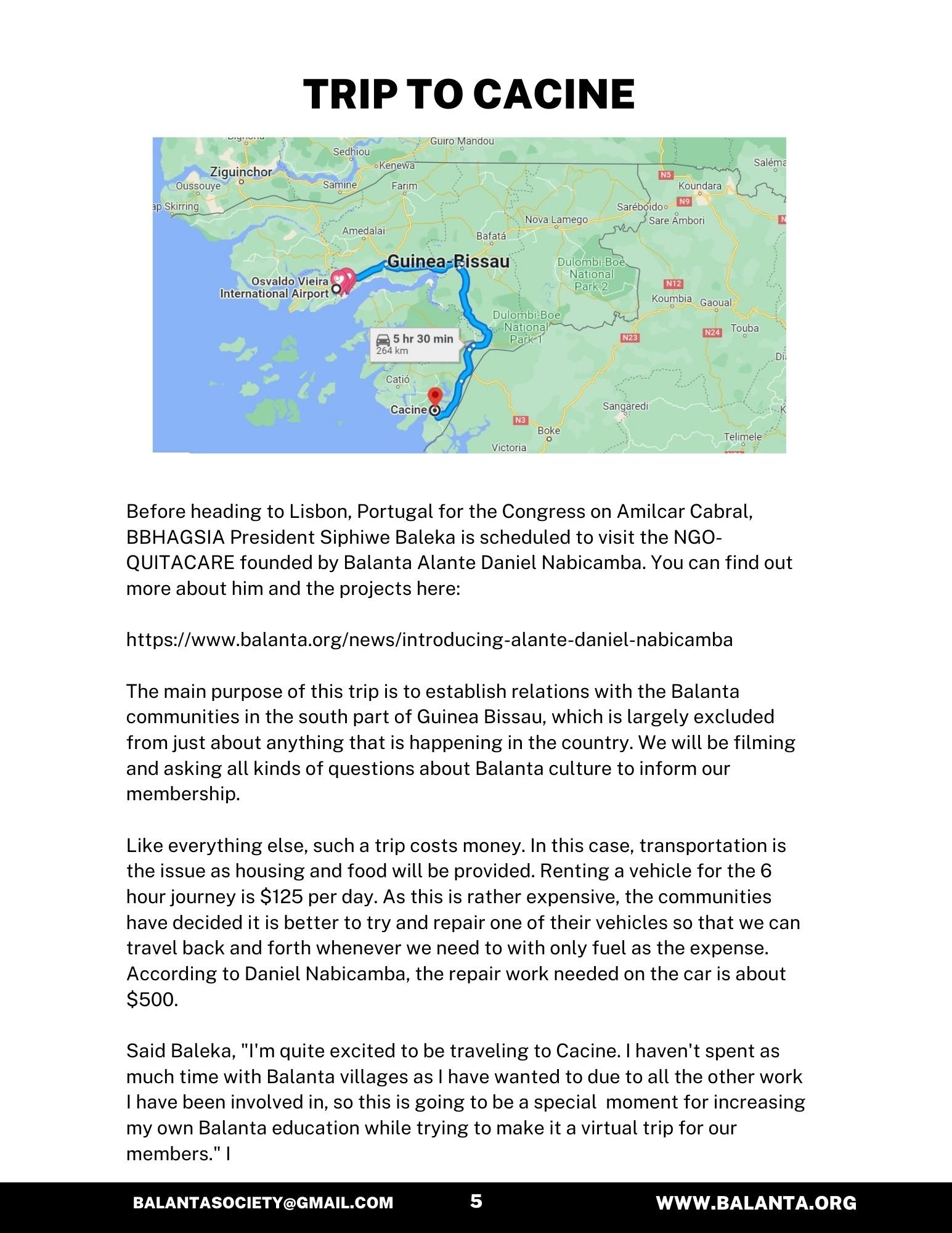
Daniel Nabicamba is my friend and a Balanta man initiated in the secret Fanado ceremonial ritual where all the ways and secrets of the Balanta are passed down from generation to generation. Daniel was an officer in the military who received English language training at Lackland Airforce Base, Texas and is certified in the US Department of Defense “Managing English Language Training Course”. Daniel is now using this training to educate young people, especially Balanta, to prepare themselves to be our “guides” during the Decade of Return and beyond.
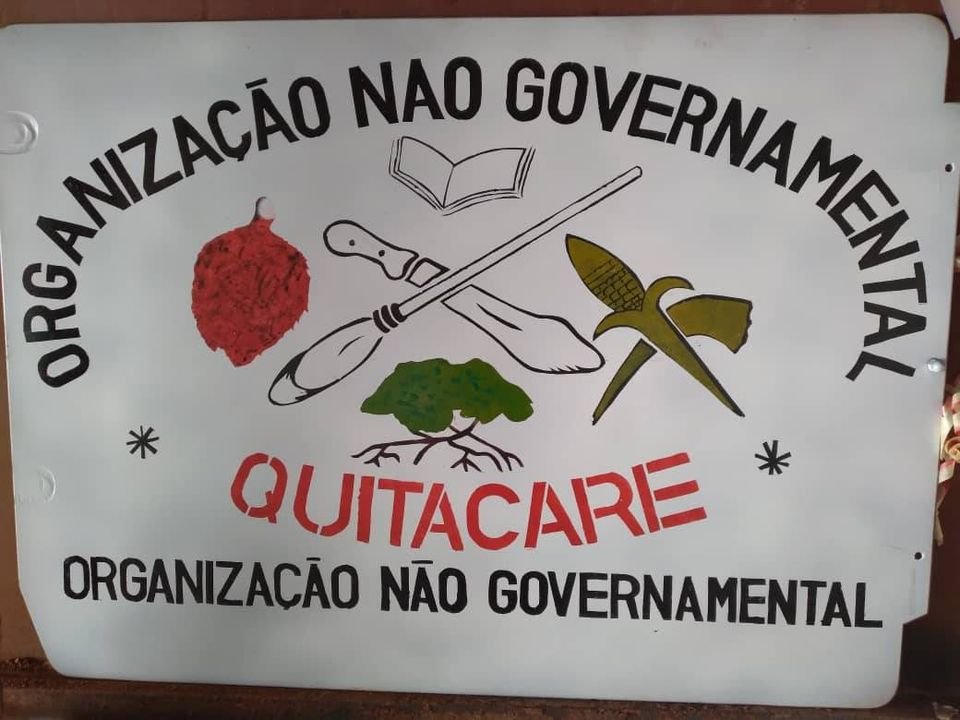
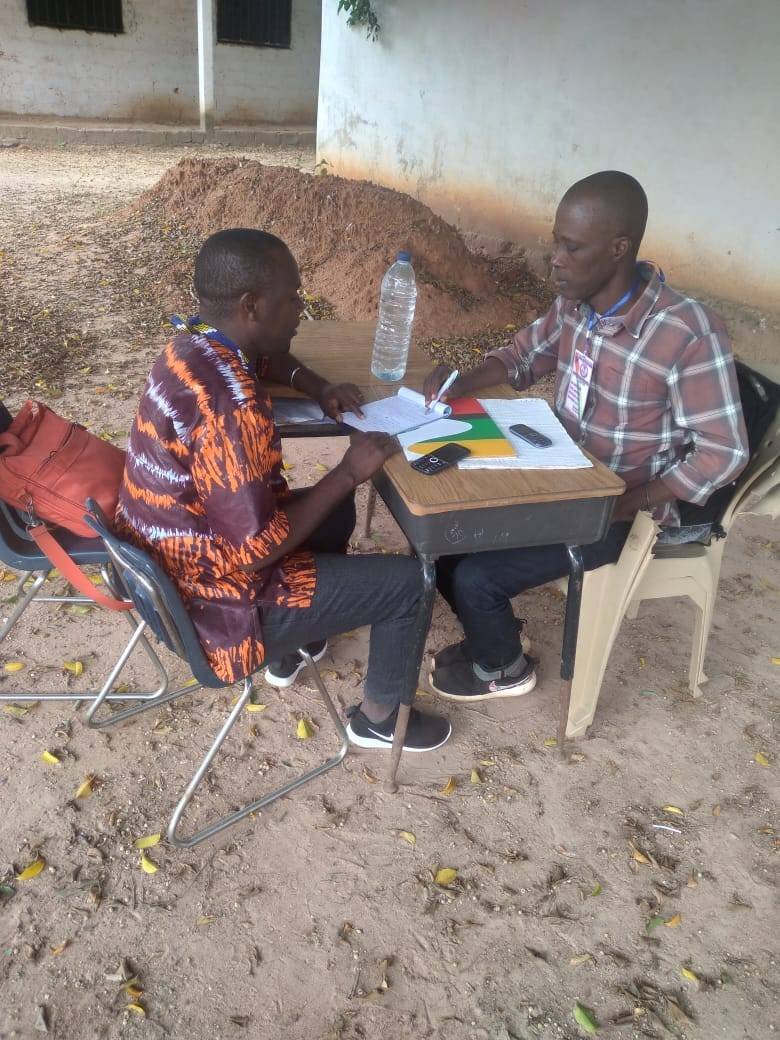
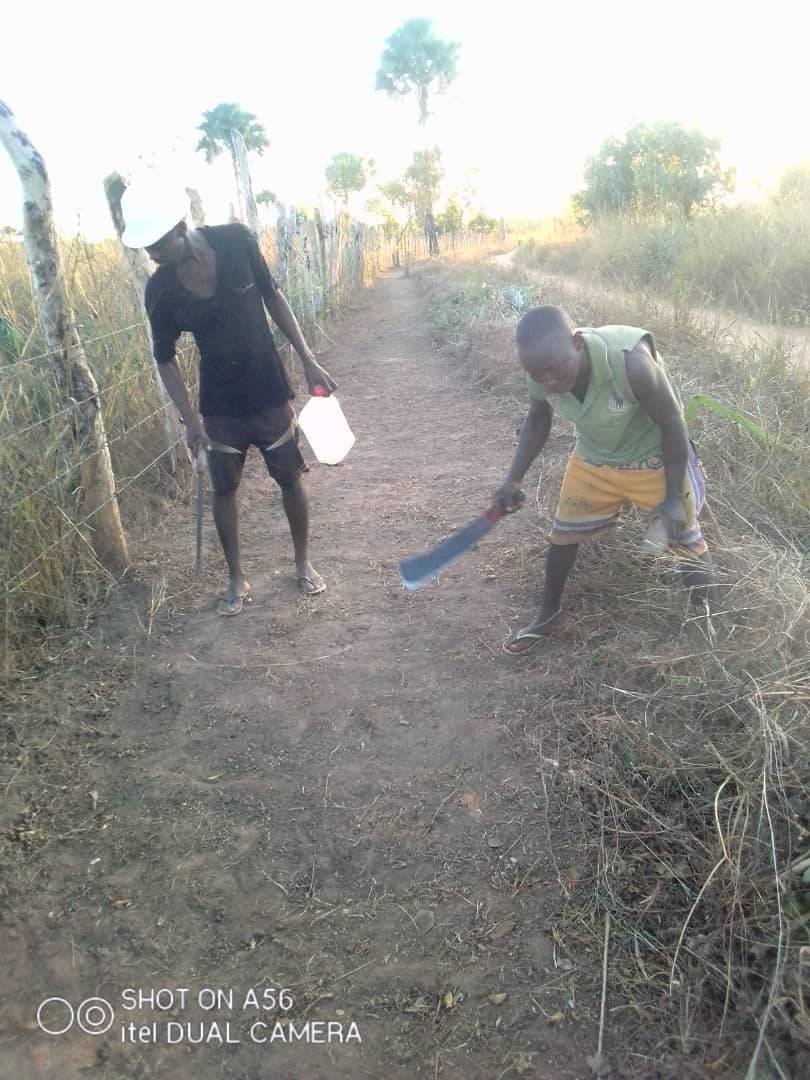
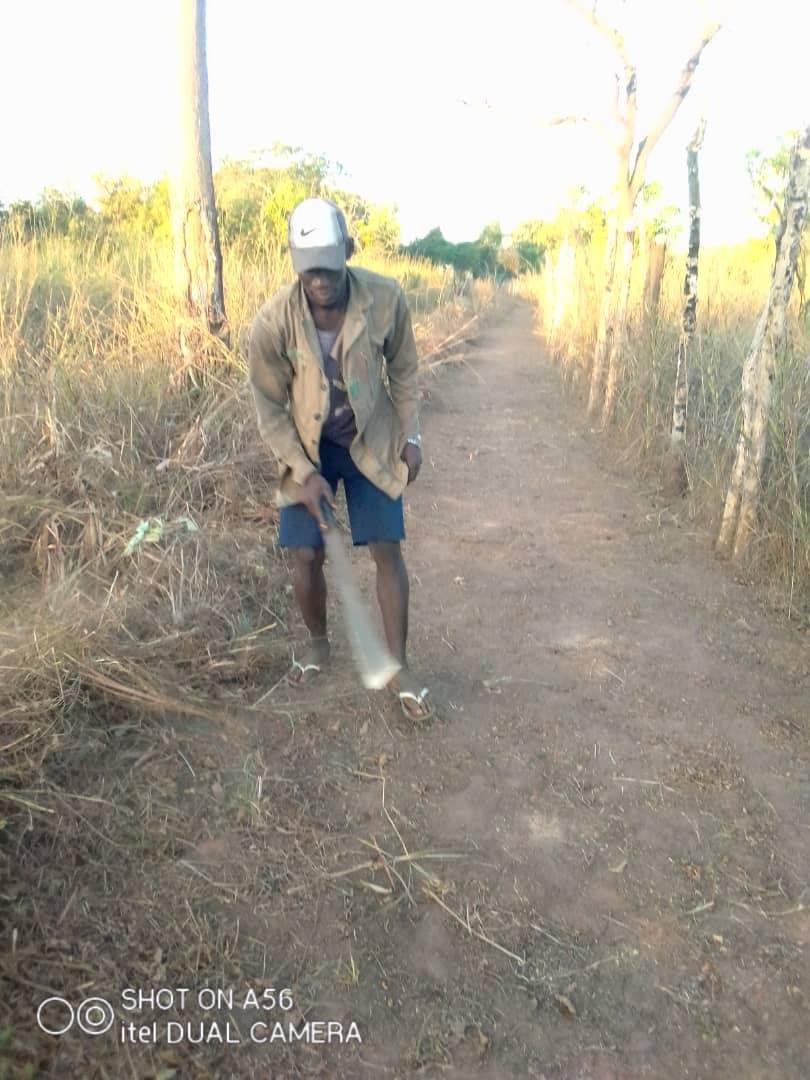
Daniel is not only interested in education and playing an important role in the Decade of Return Initiative, he is also a serious environmentalist and investor in community agricultural partnerships. Daniel launched the NGO-QUITACARE, through its associates in the communities in the framework of environmental preservation. Quitacare initiates local novel awareness actions on the socio-economic and ecological importance of endangered native species. NGO-QUITACARE used internal funding from contributions of associates and friends to train nurseries in the domain of repopulation, construction of forest nurseries and fruit, lack of water for irrigation of plants and treatment.

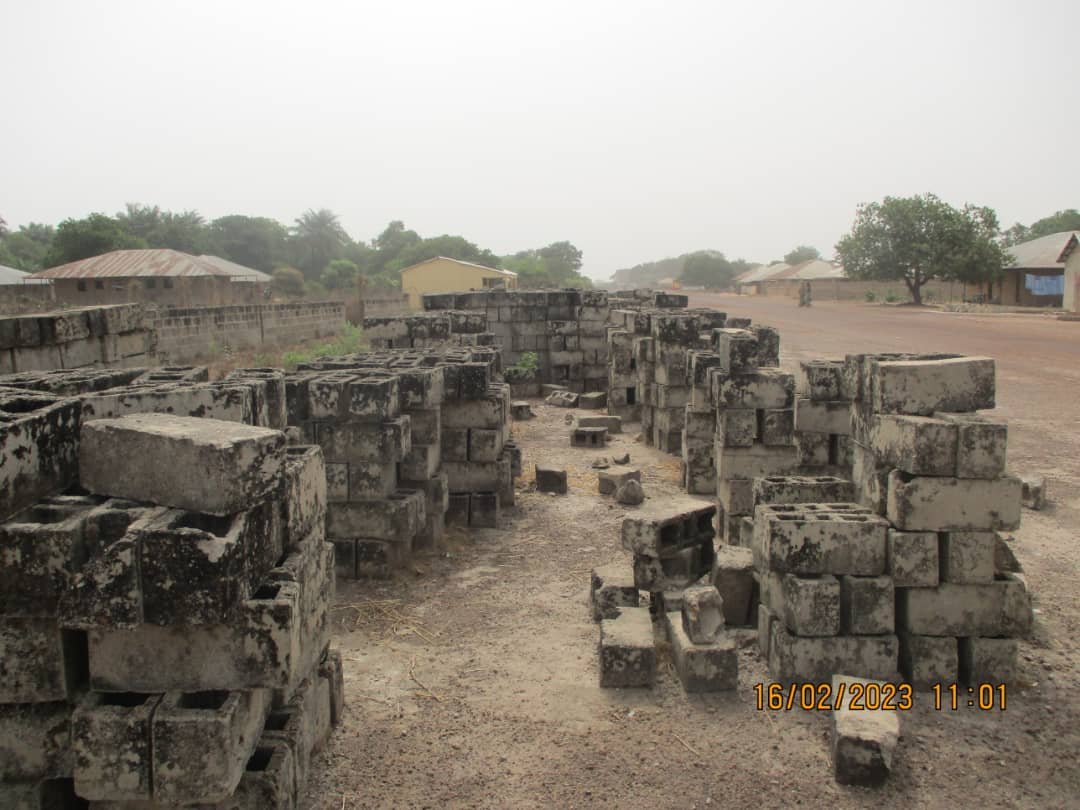
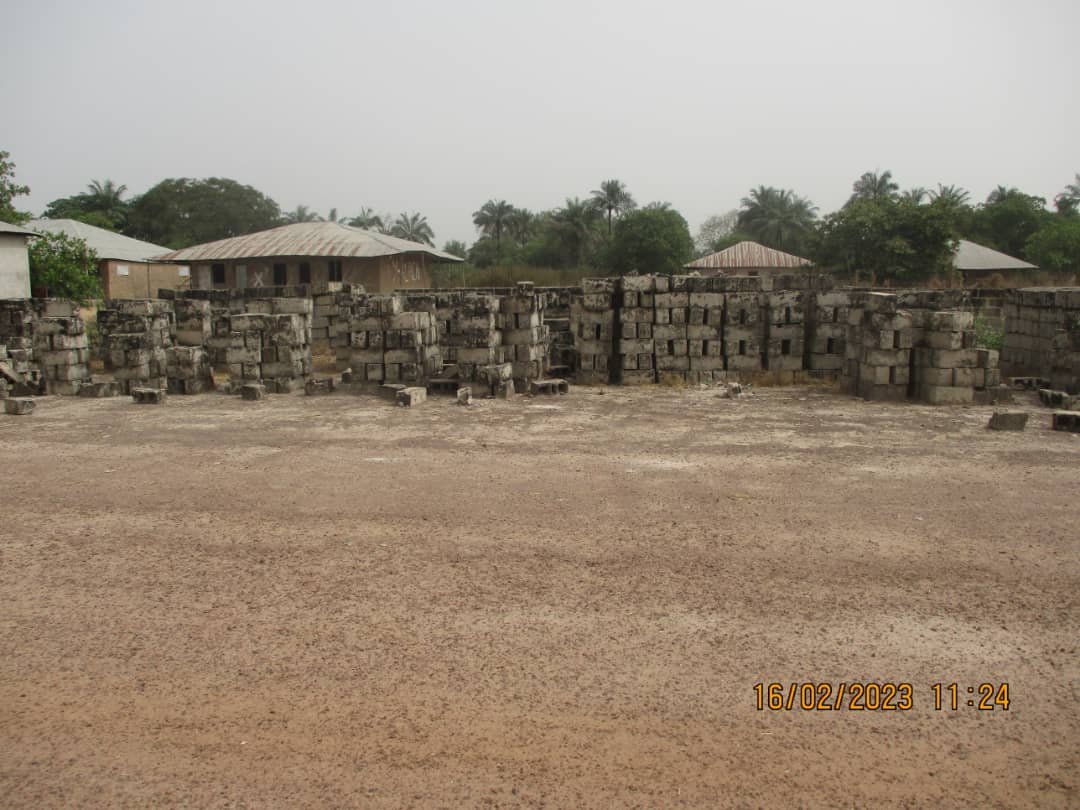
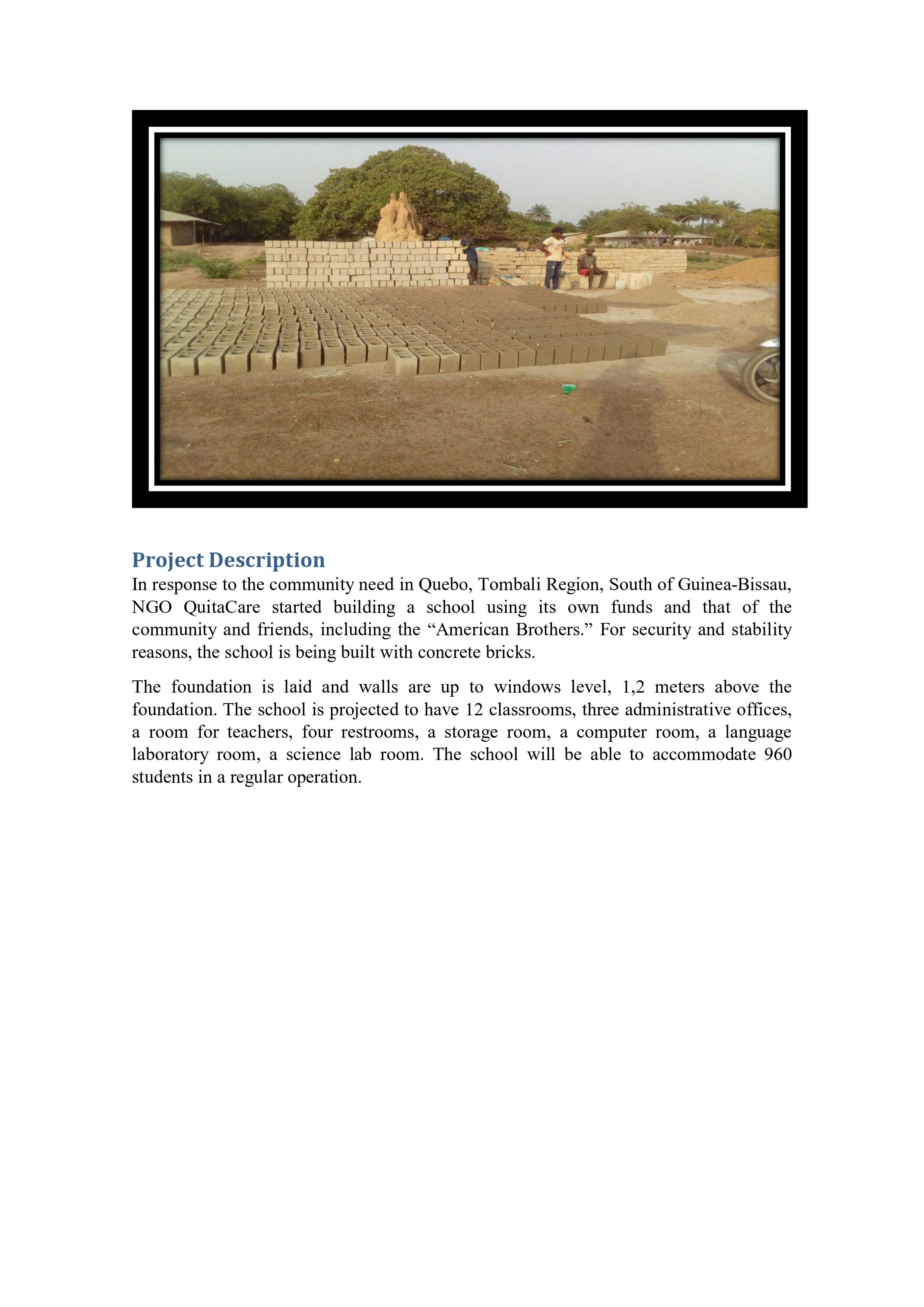
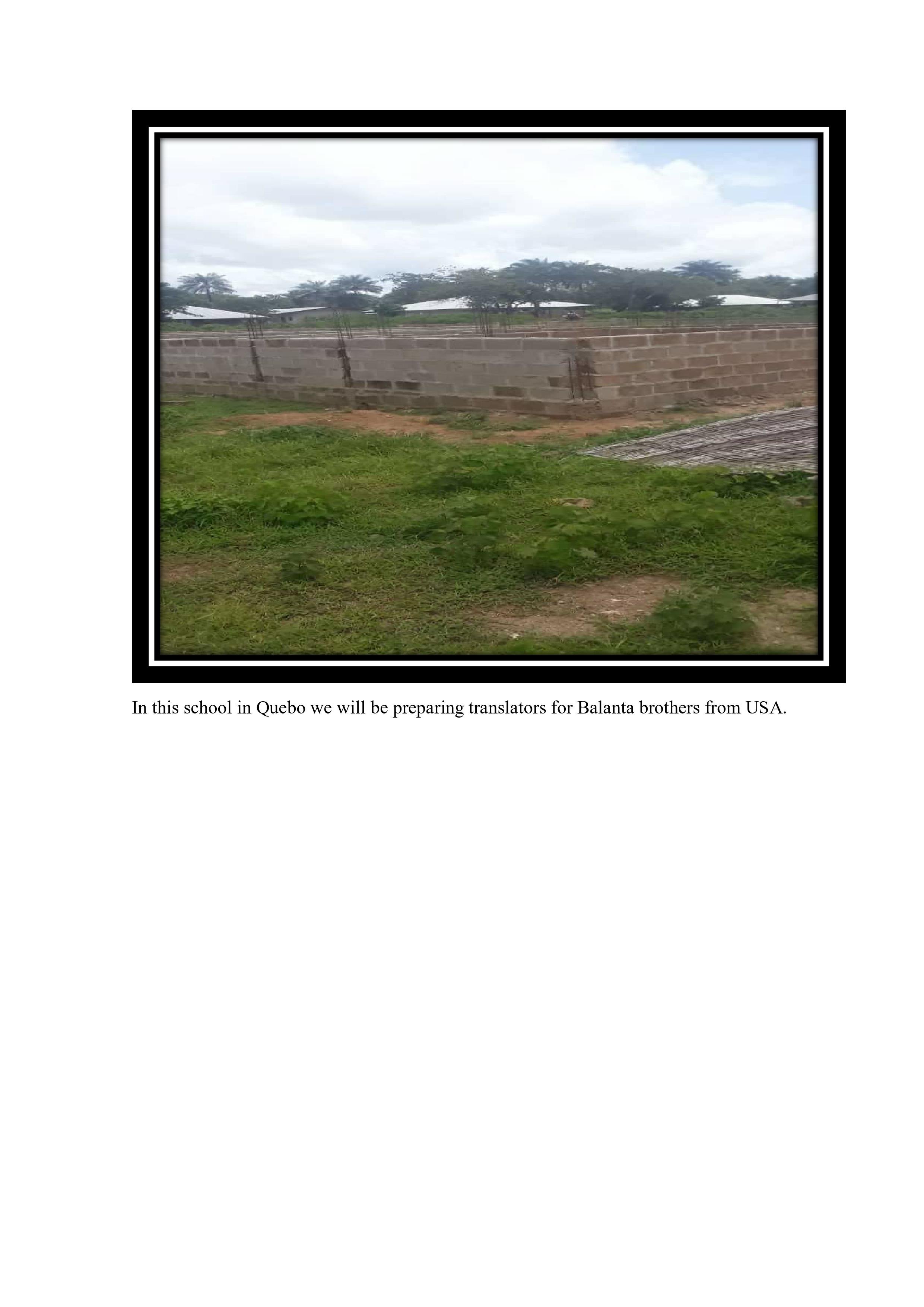
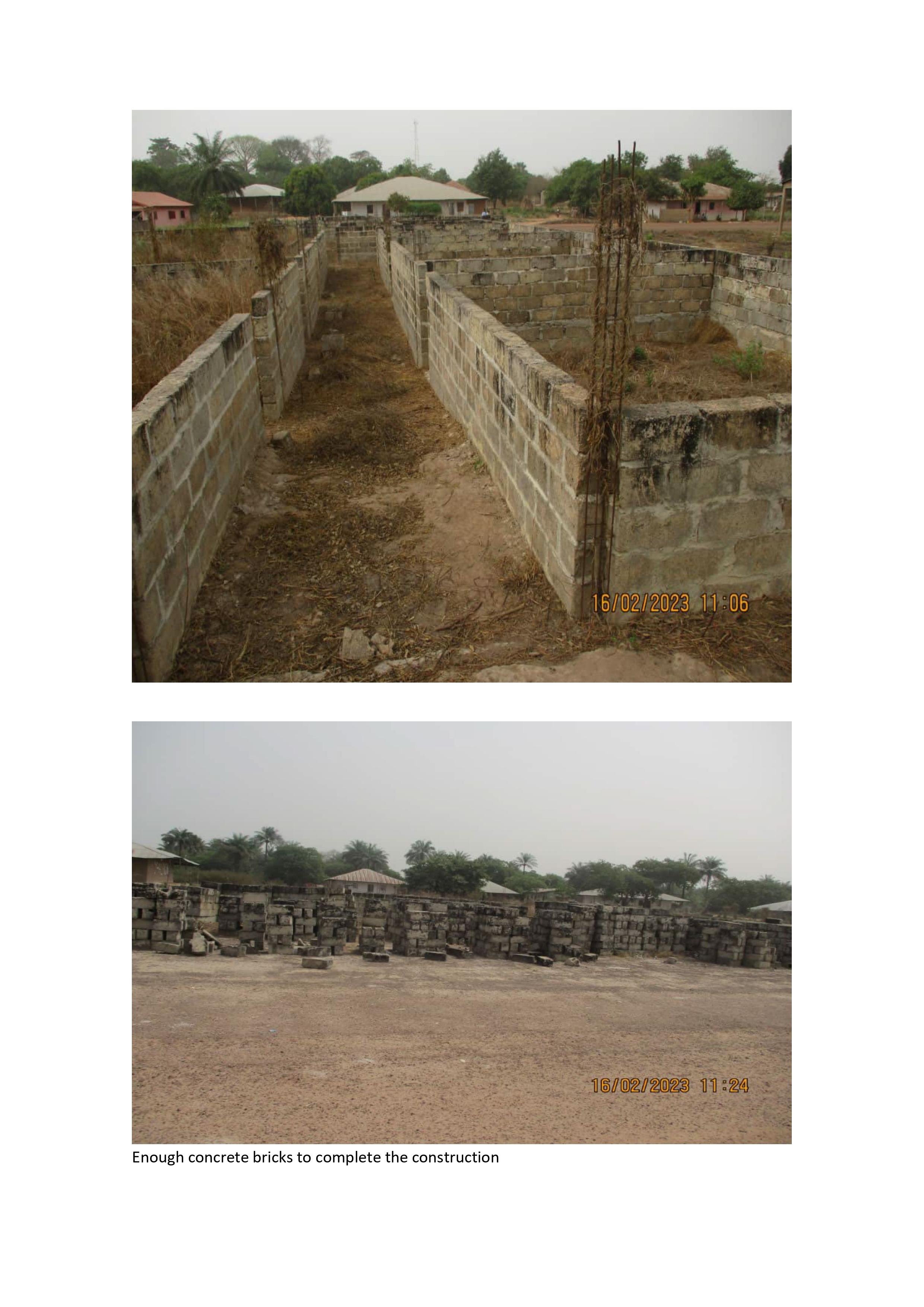
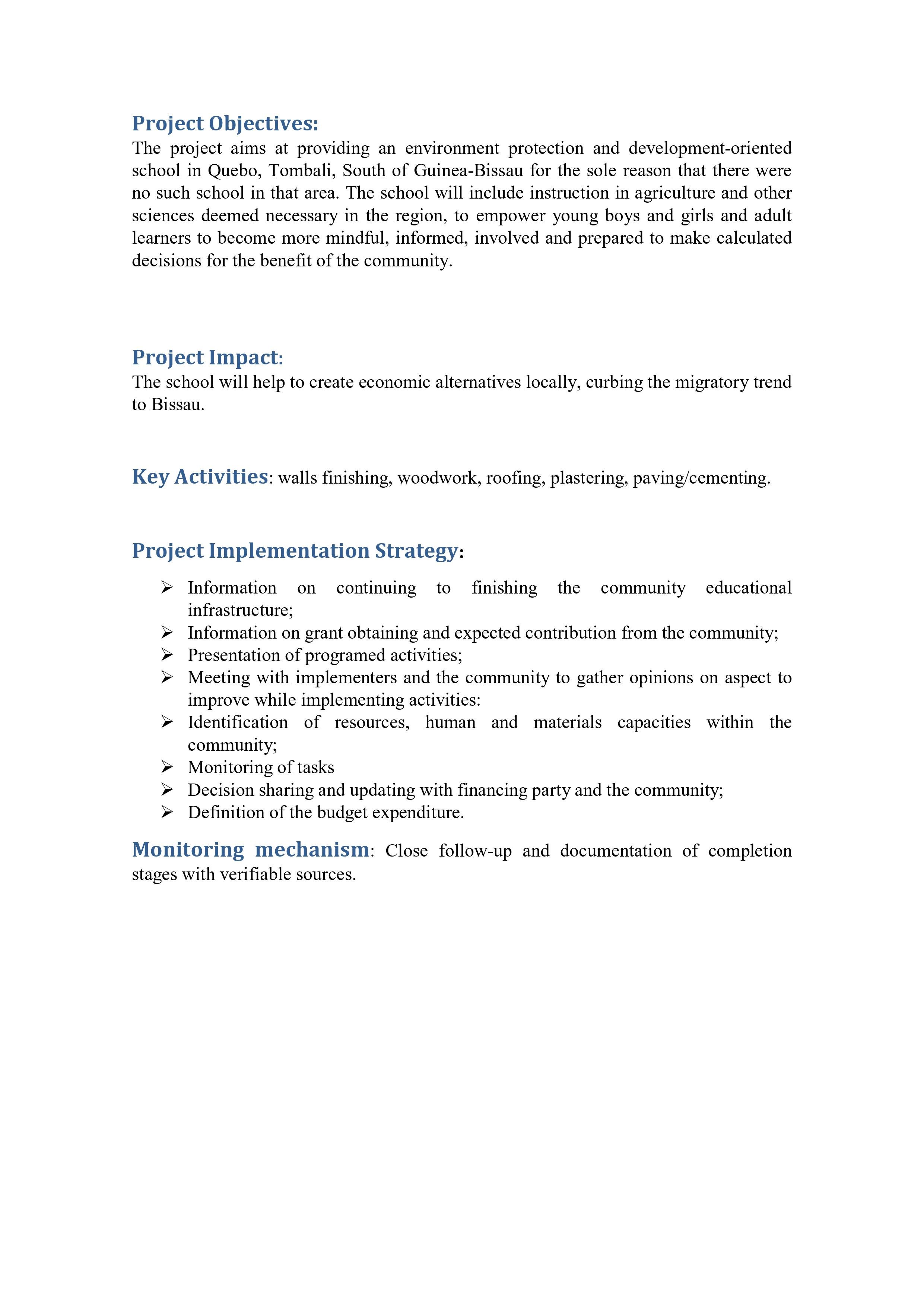
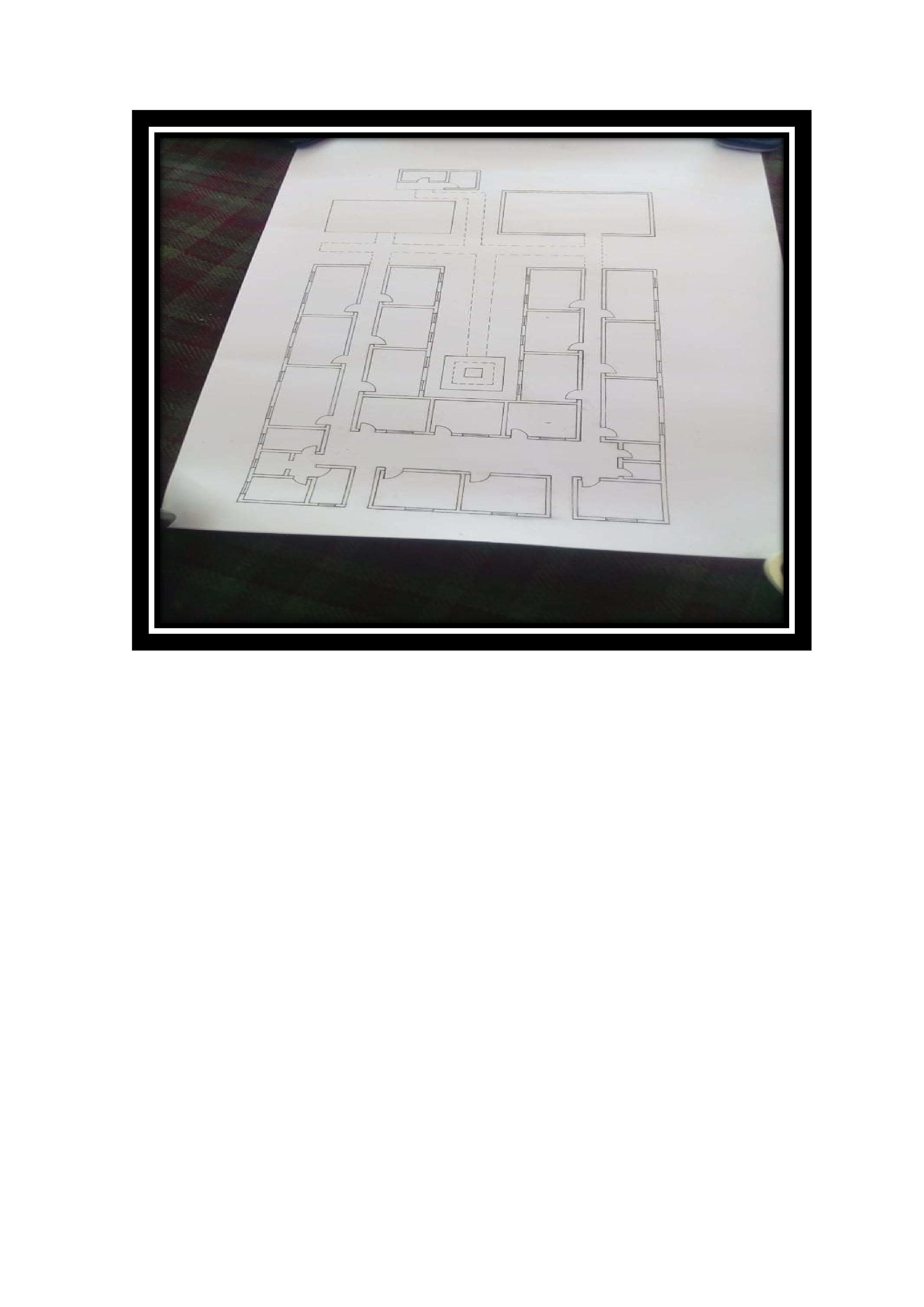
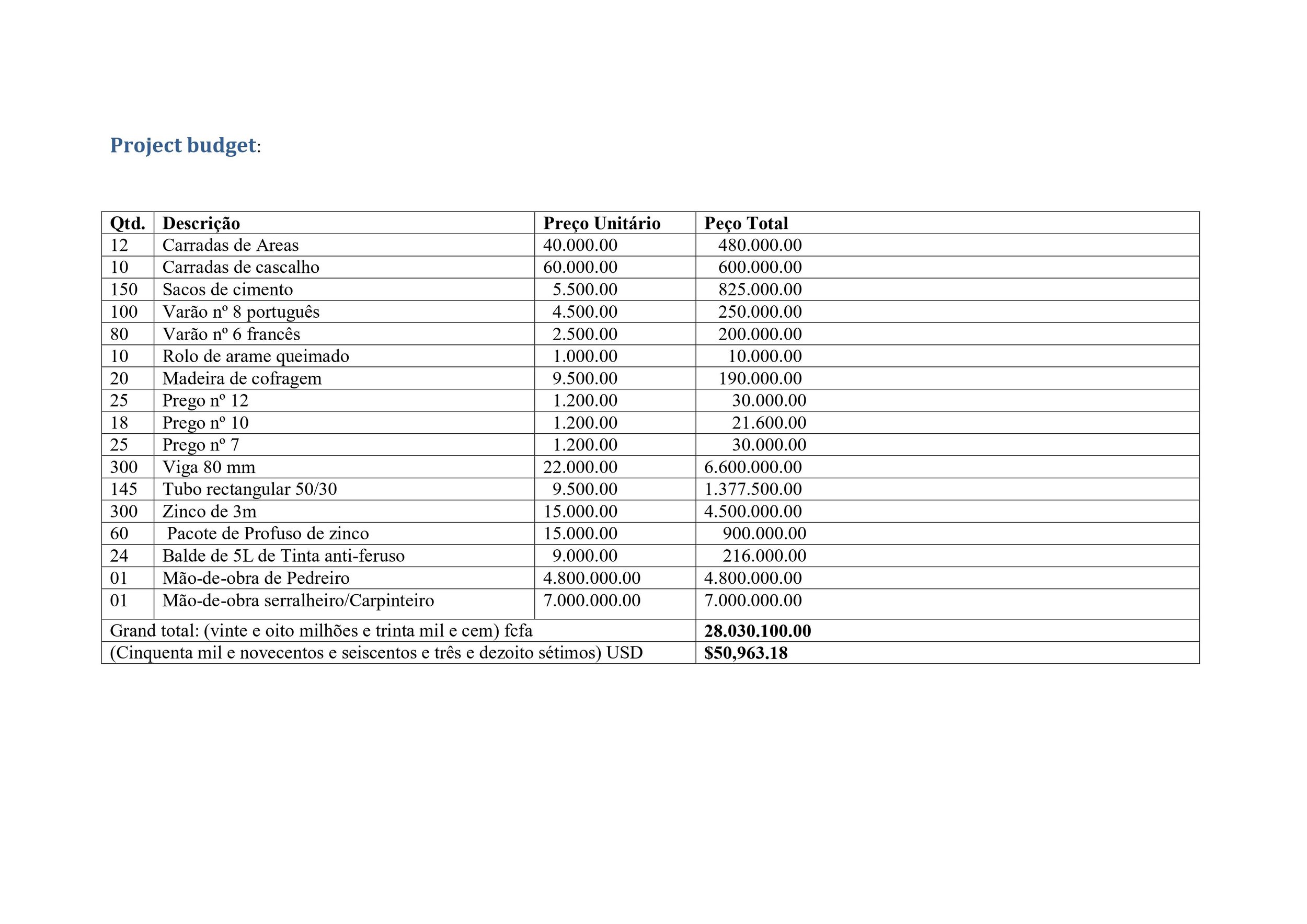
In the school at Quebo we will prepare translators for Balanta brothers from USA. We are seeking funding to complete the construction.

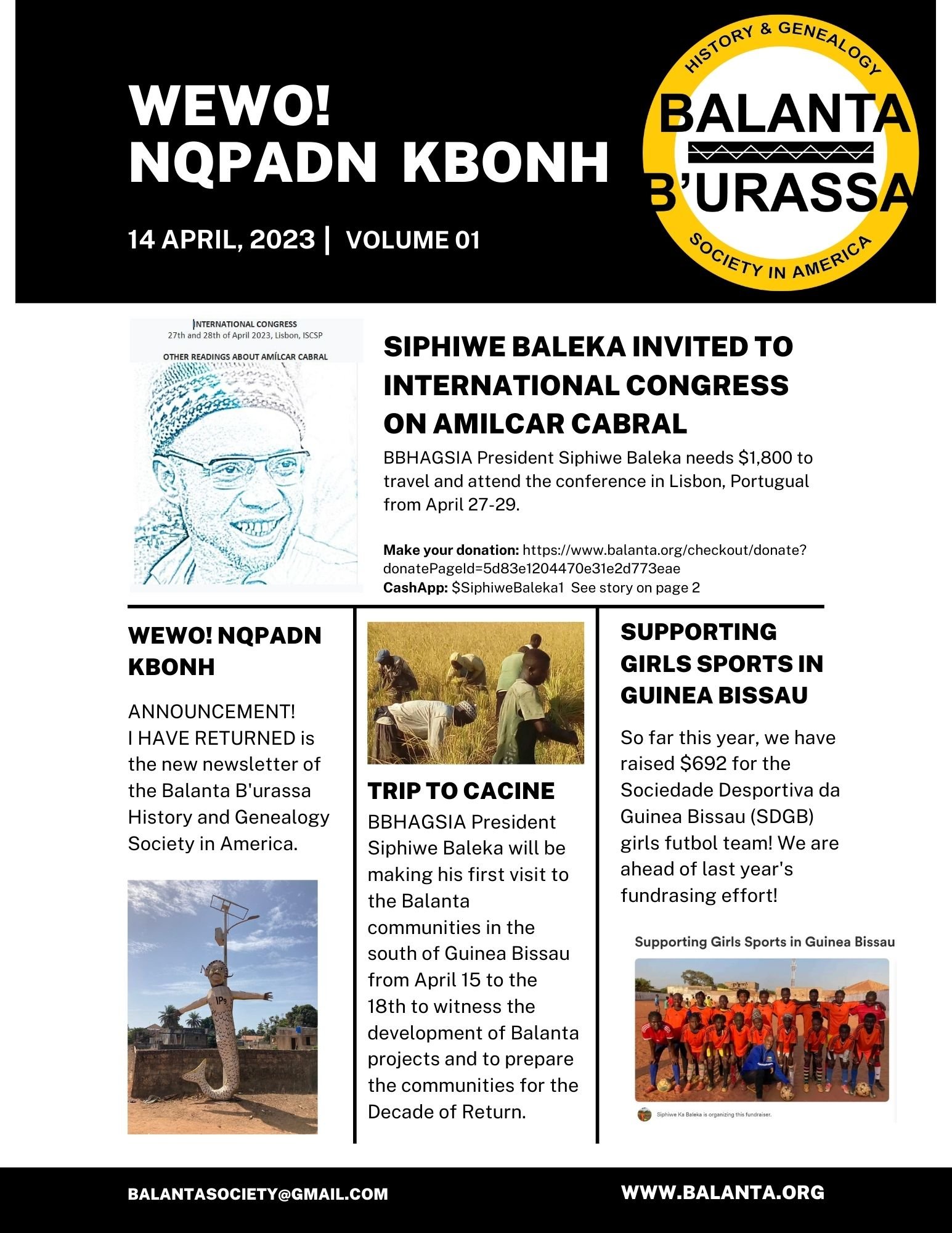
BBHAGSIA President Siphiwe Baleka will be making his first visit to the Balanta communities in the south of Guinea Bissau from April 15 to the 18th to witness the development of these projects and to prepare the communities for the Decade of Return. Please send your donations to help us with all of the preparations and for the completion of the projects.
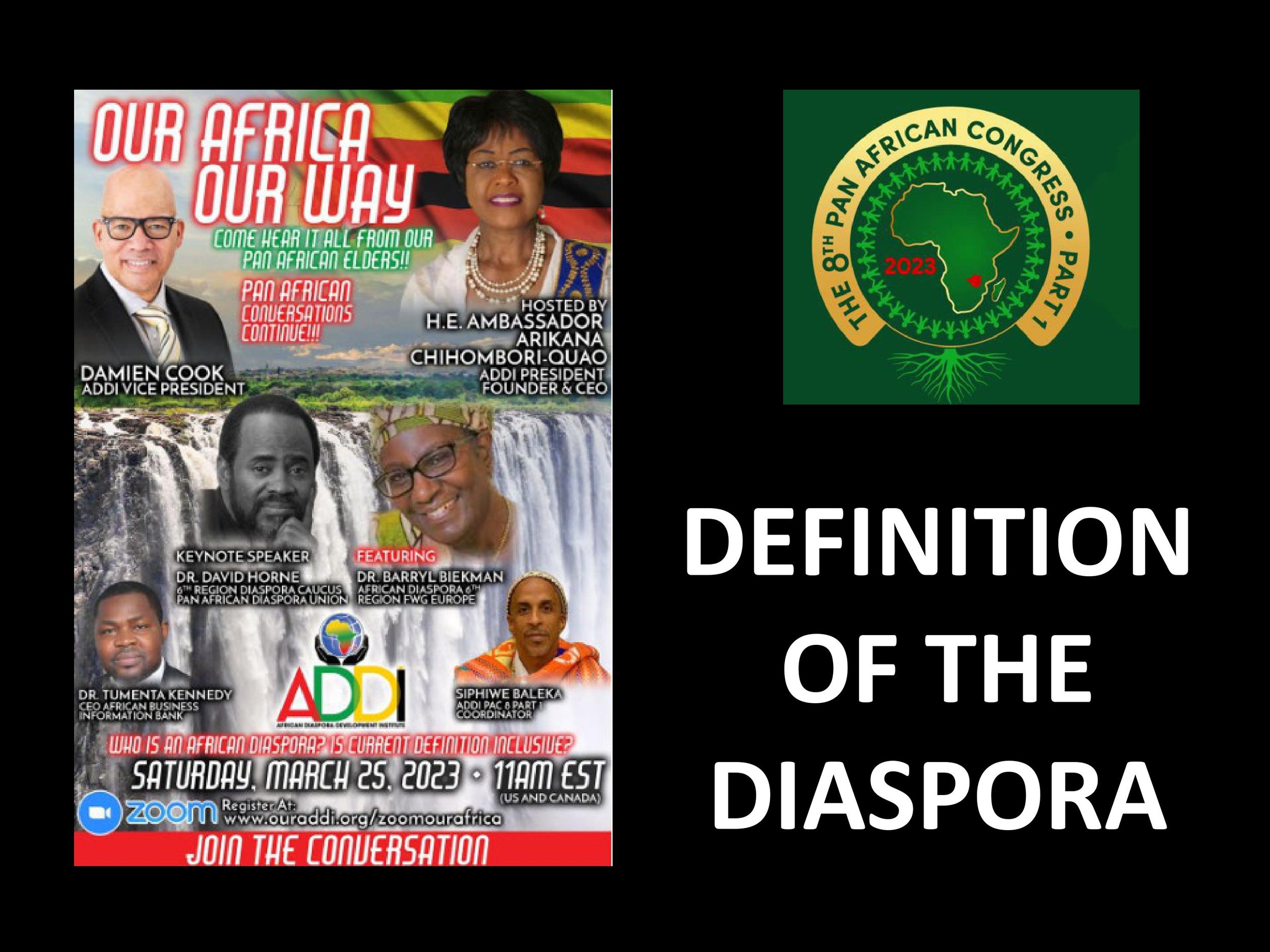
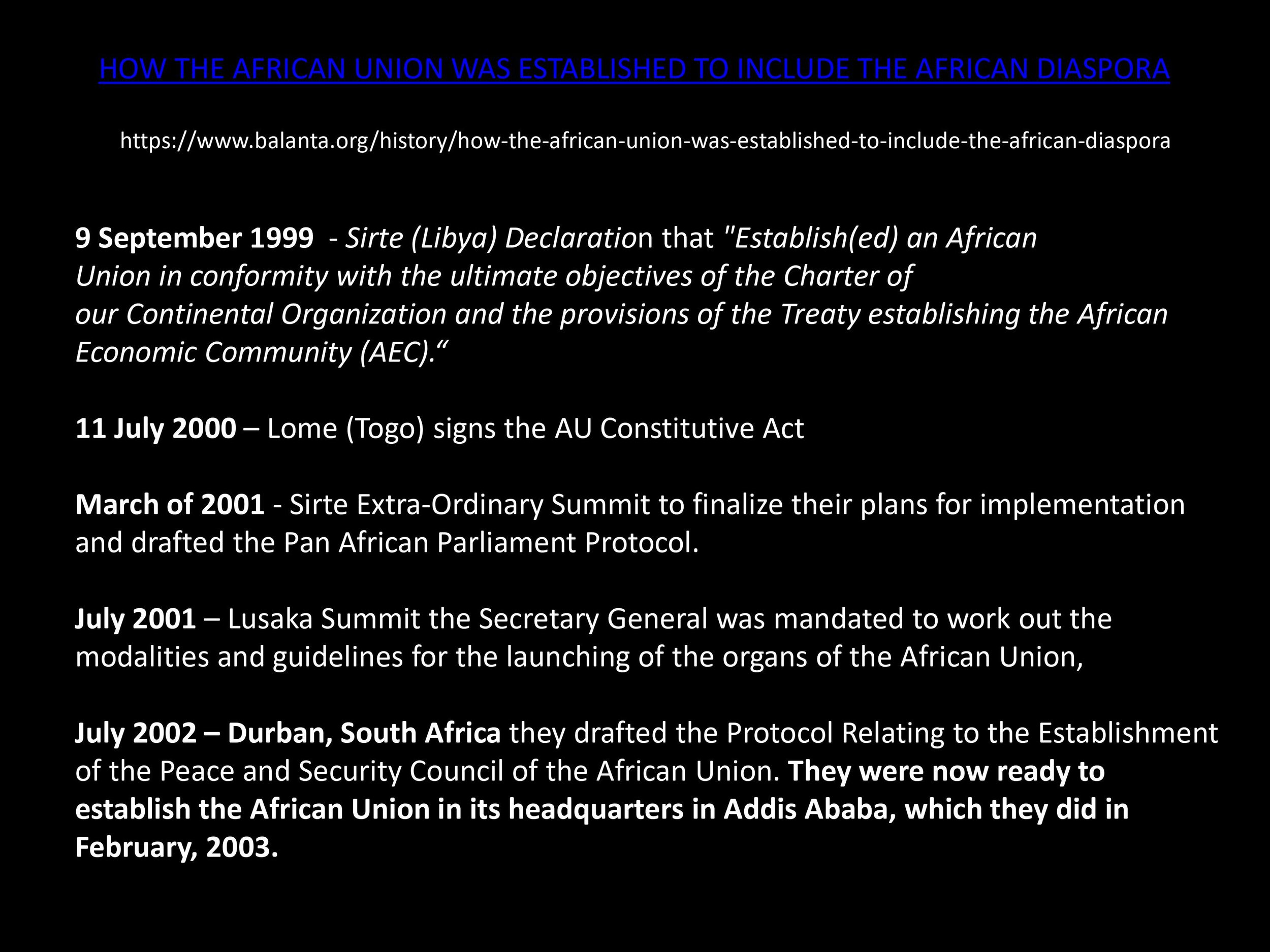
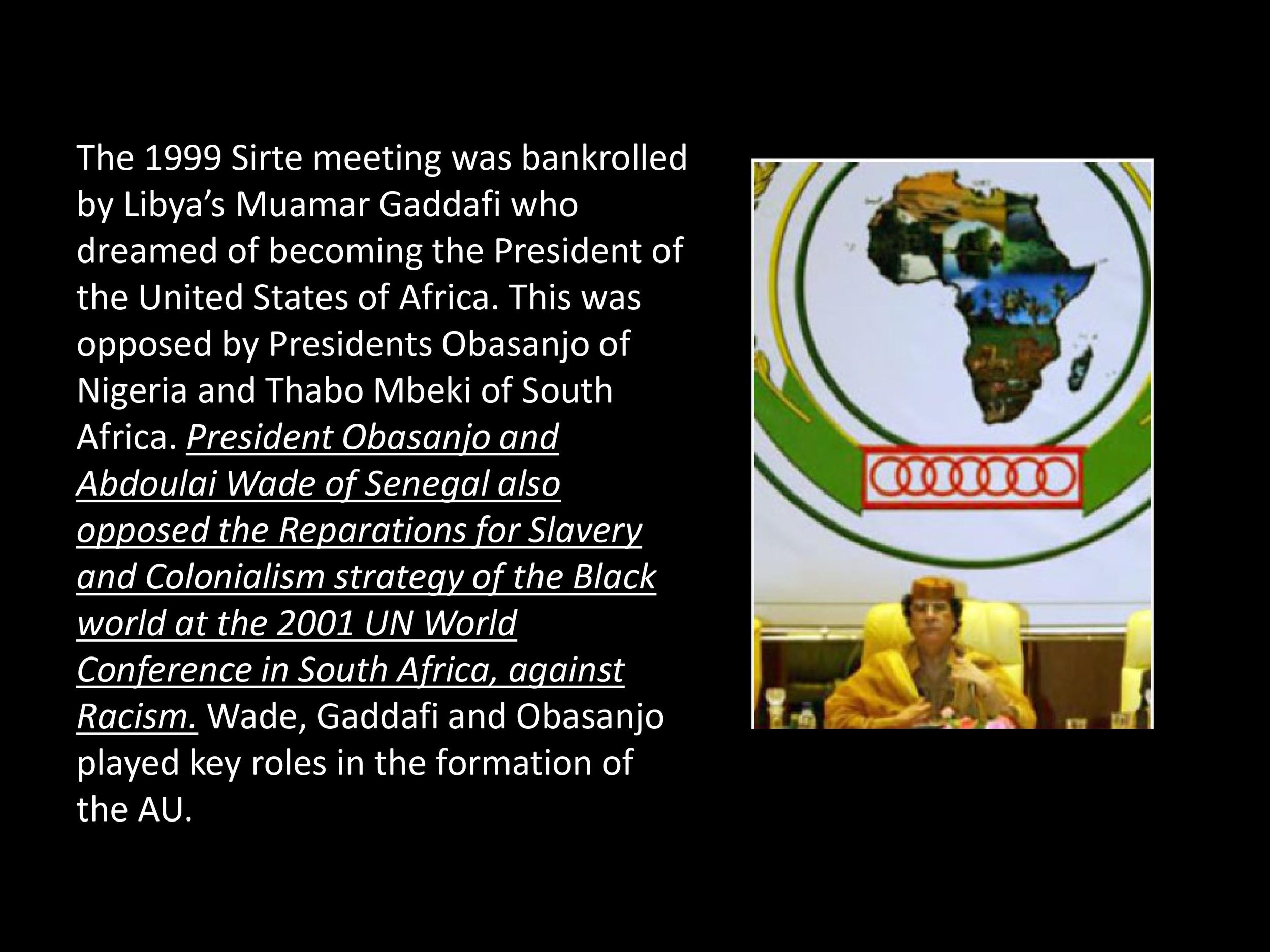
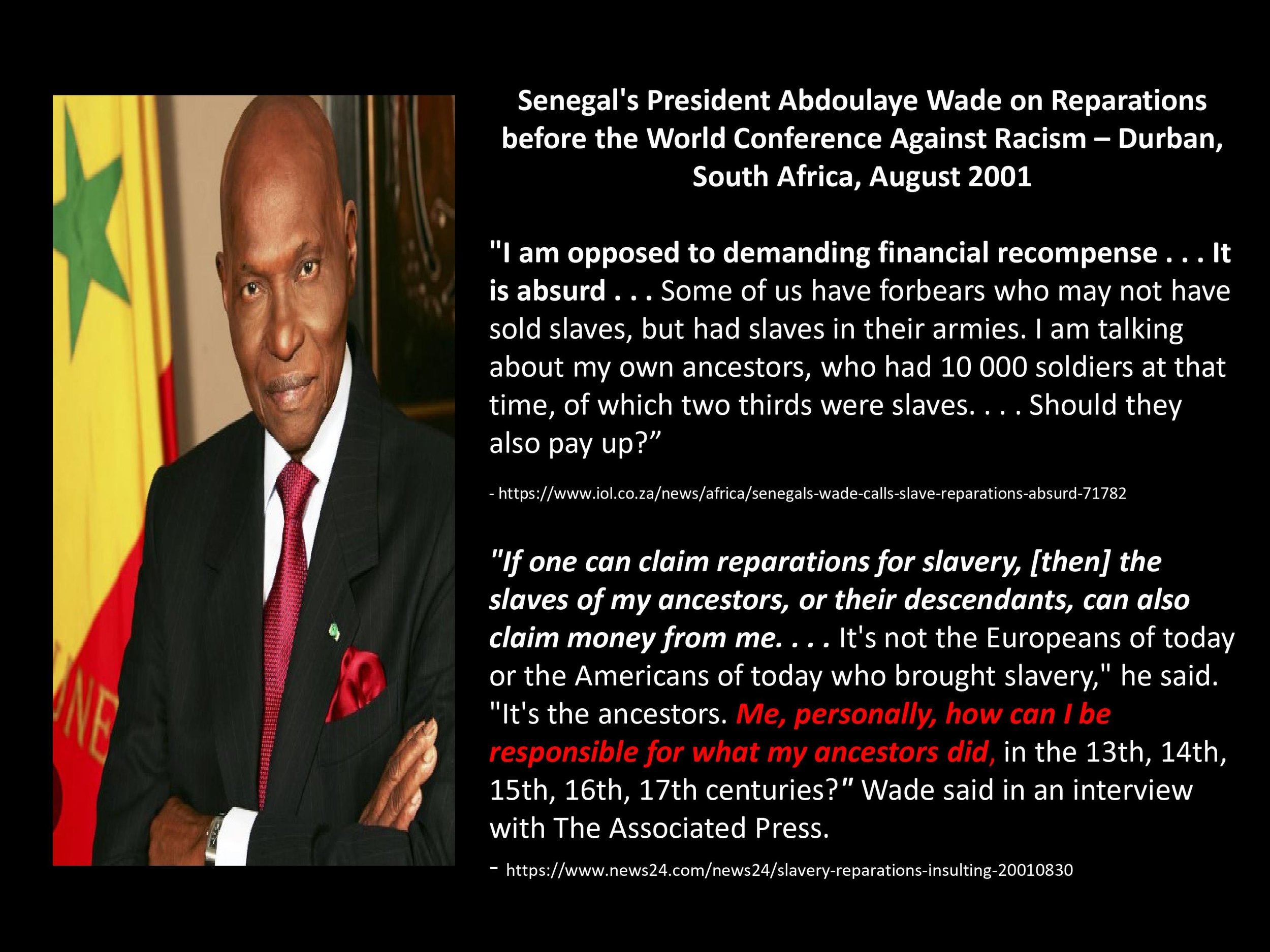
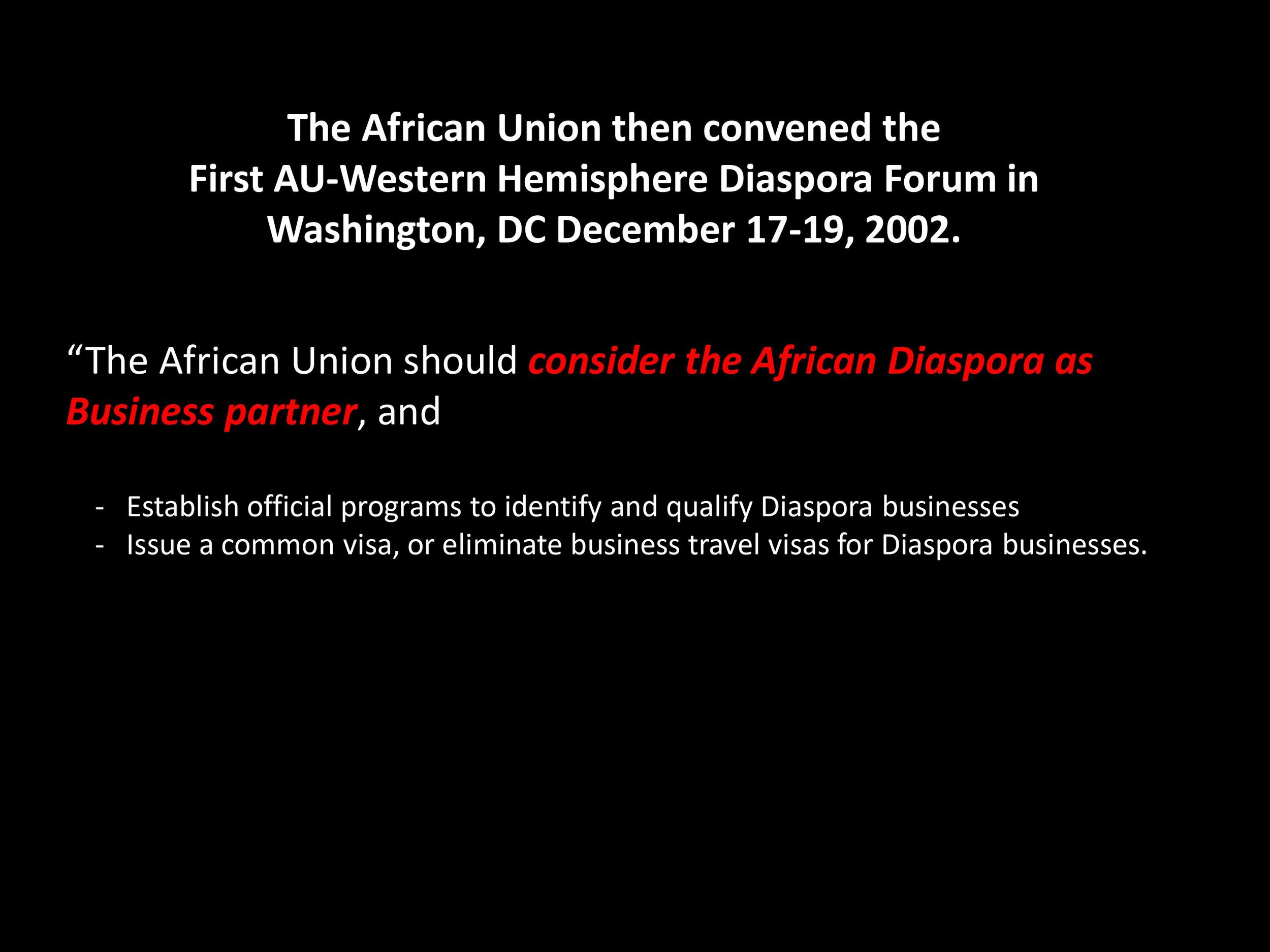
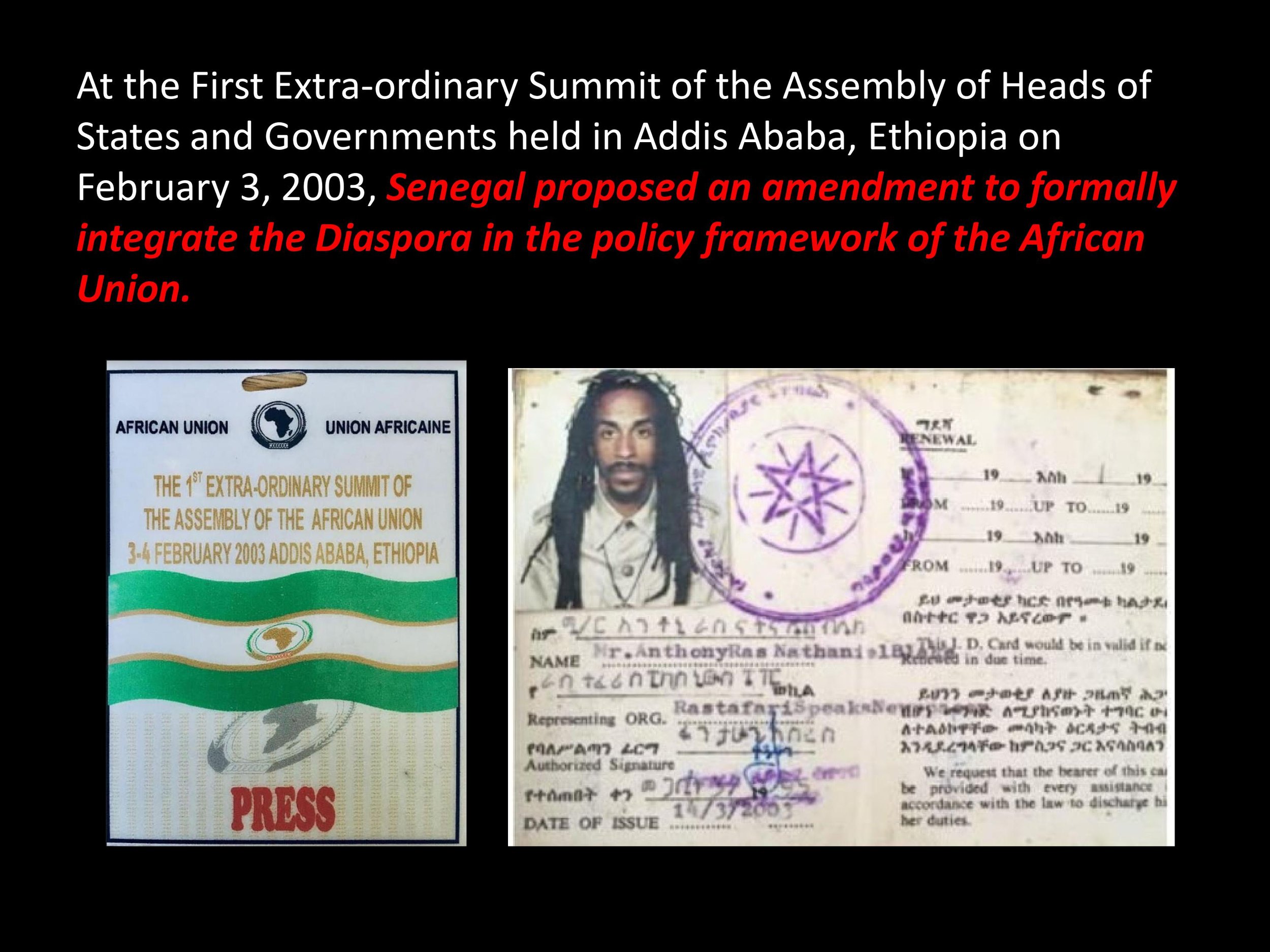
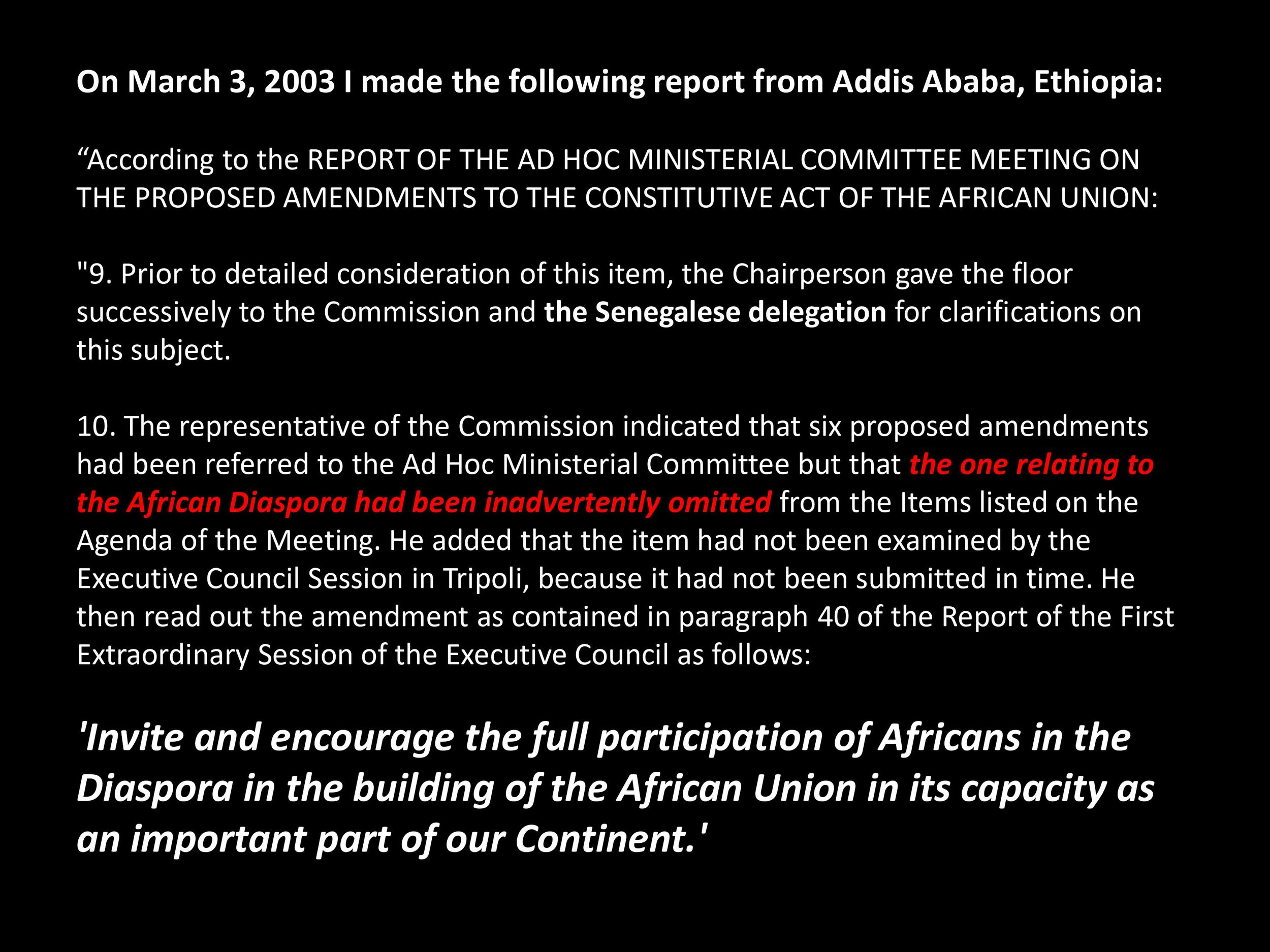
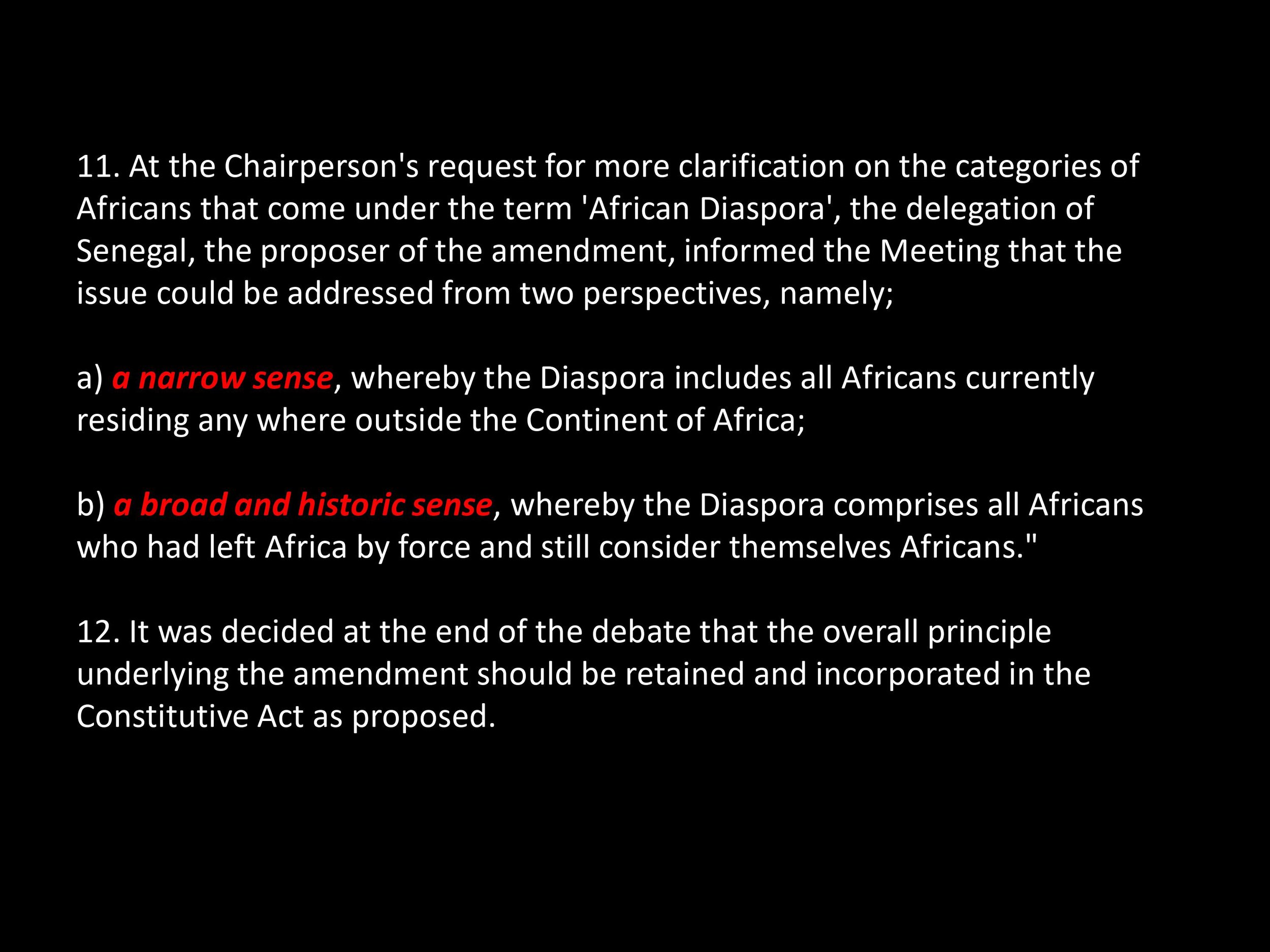
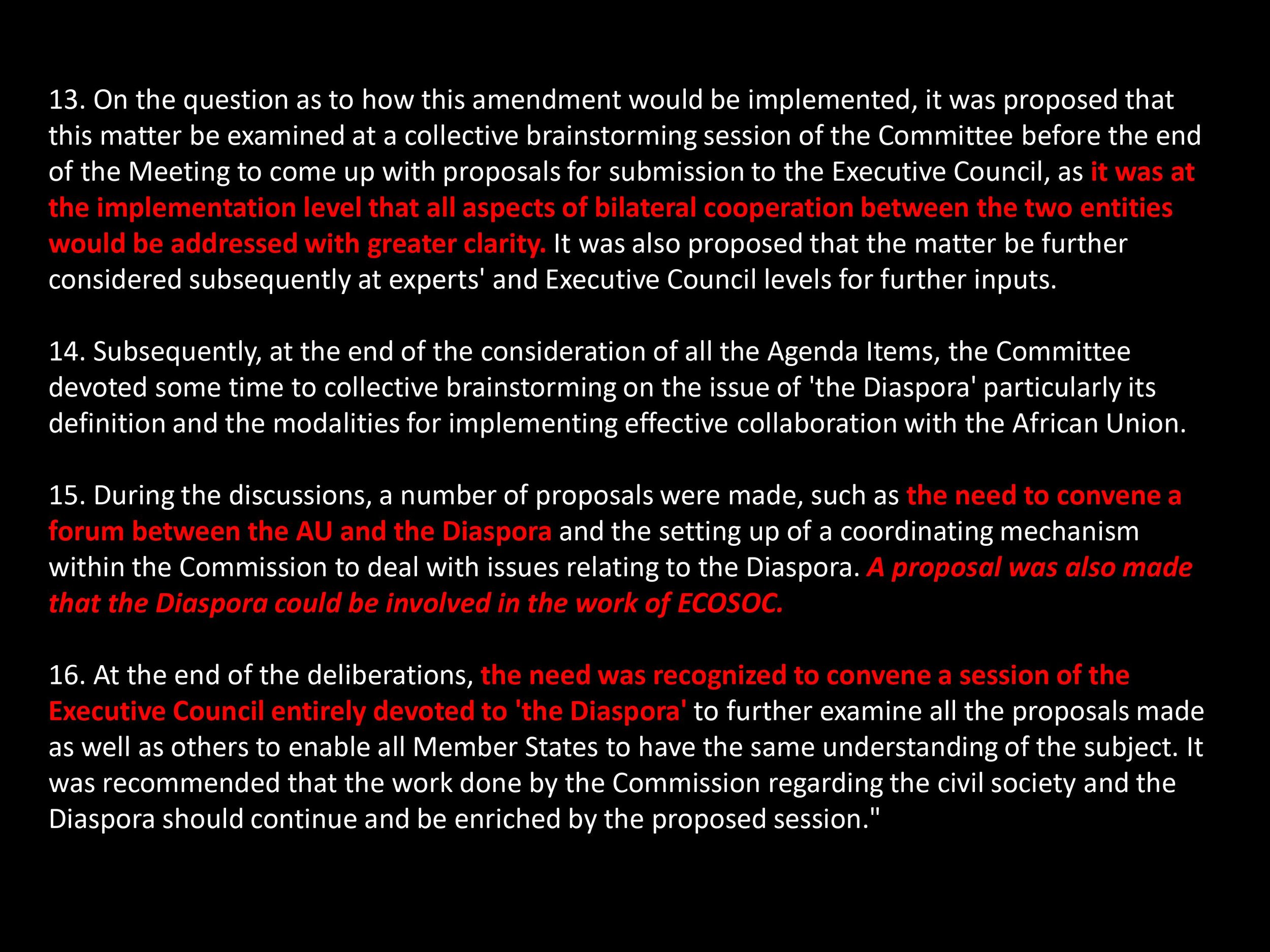
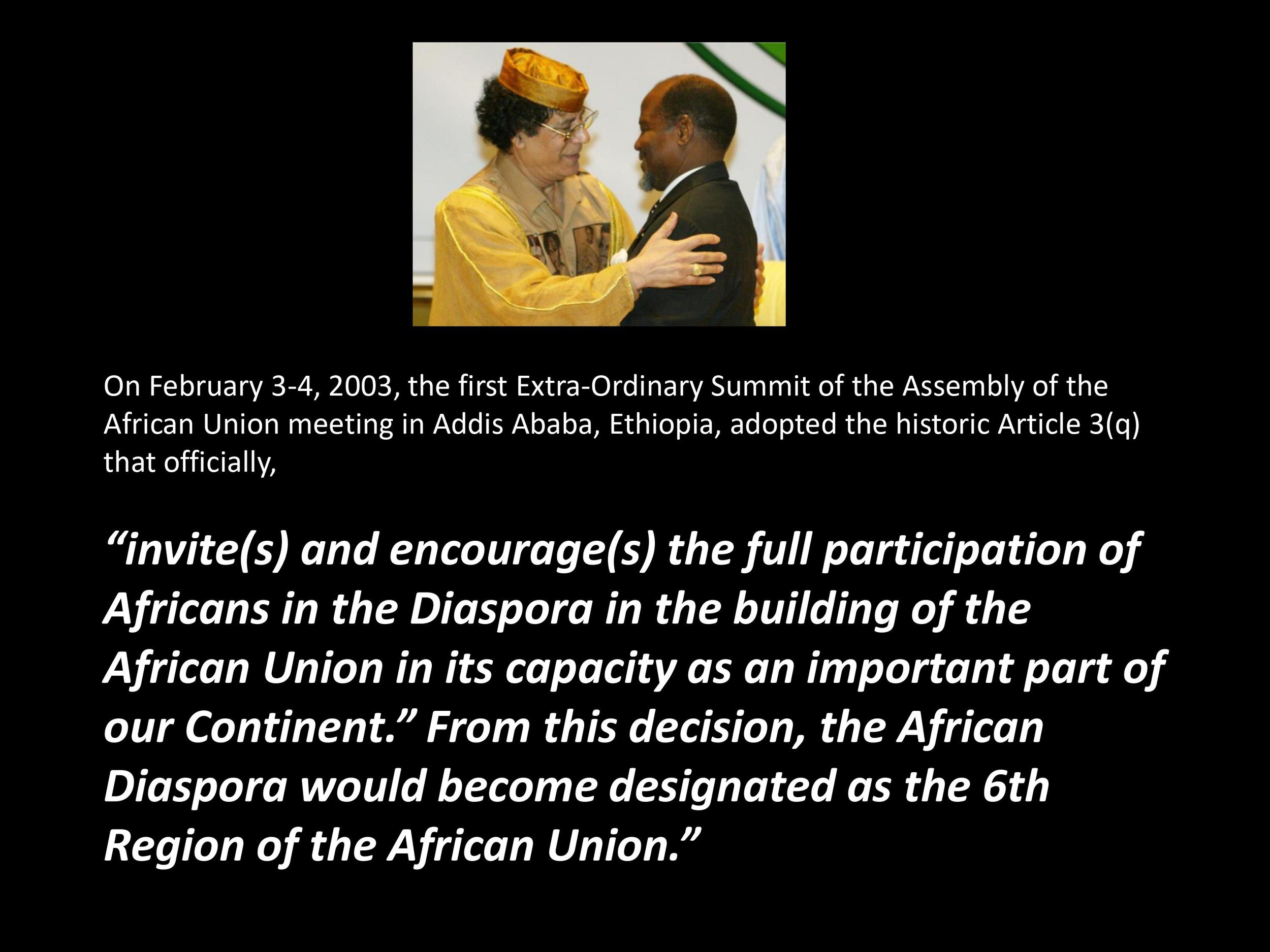
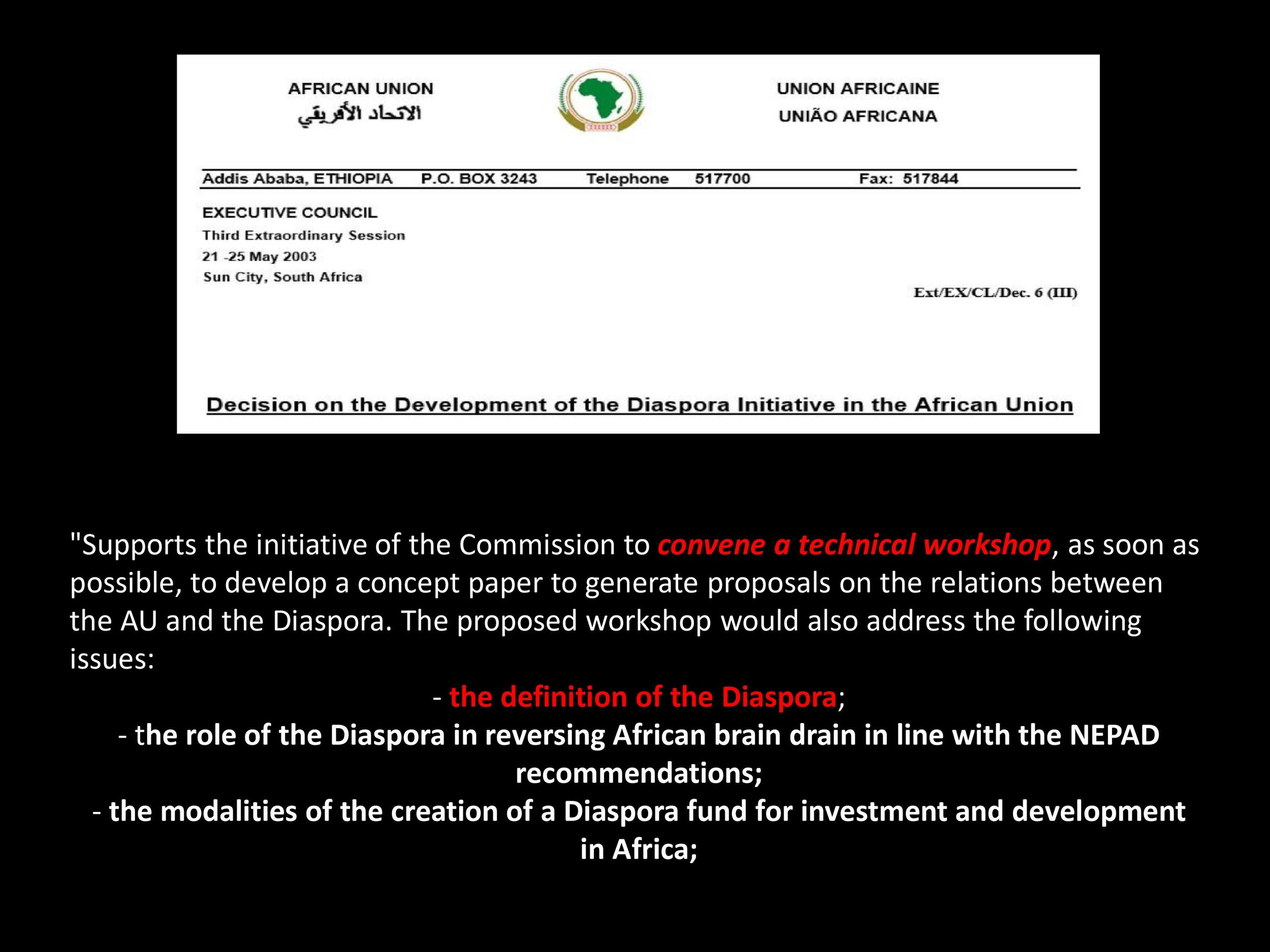
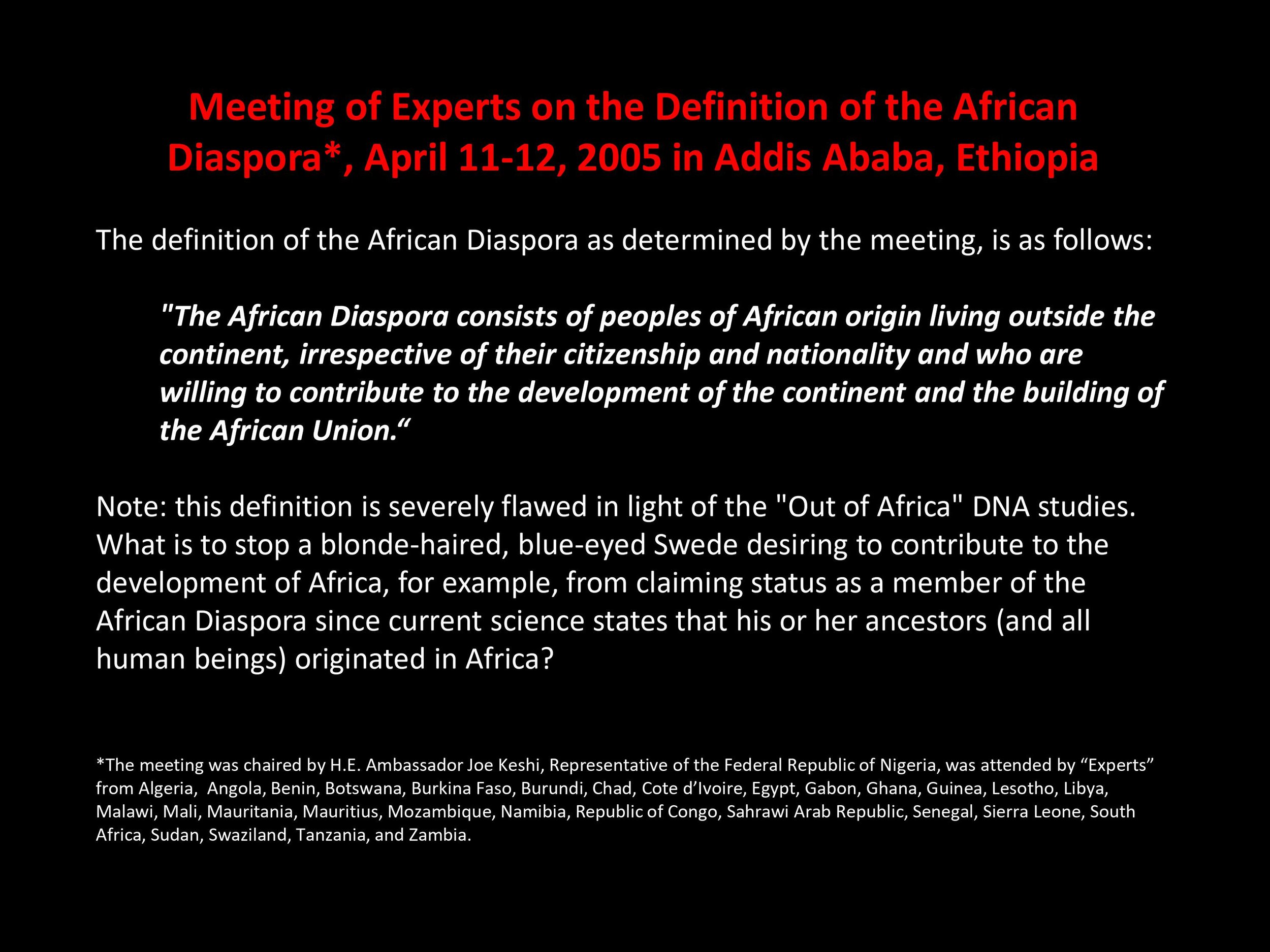
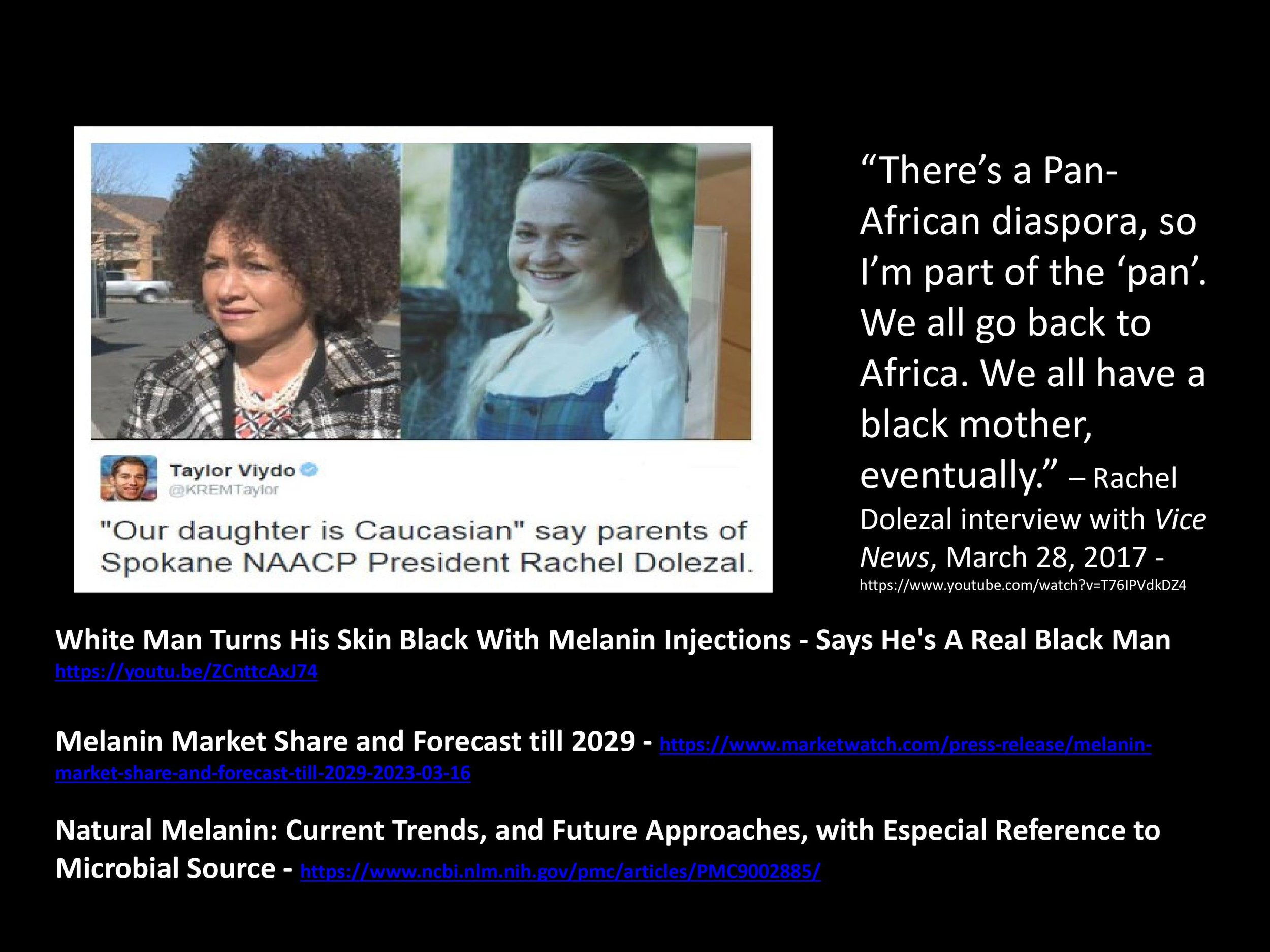
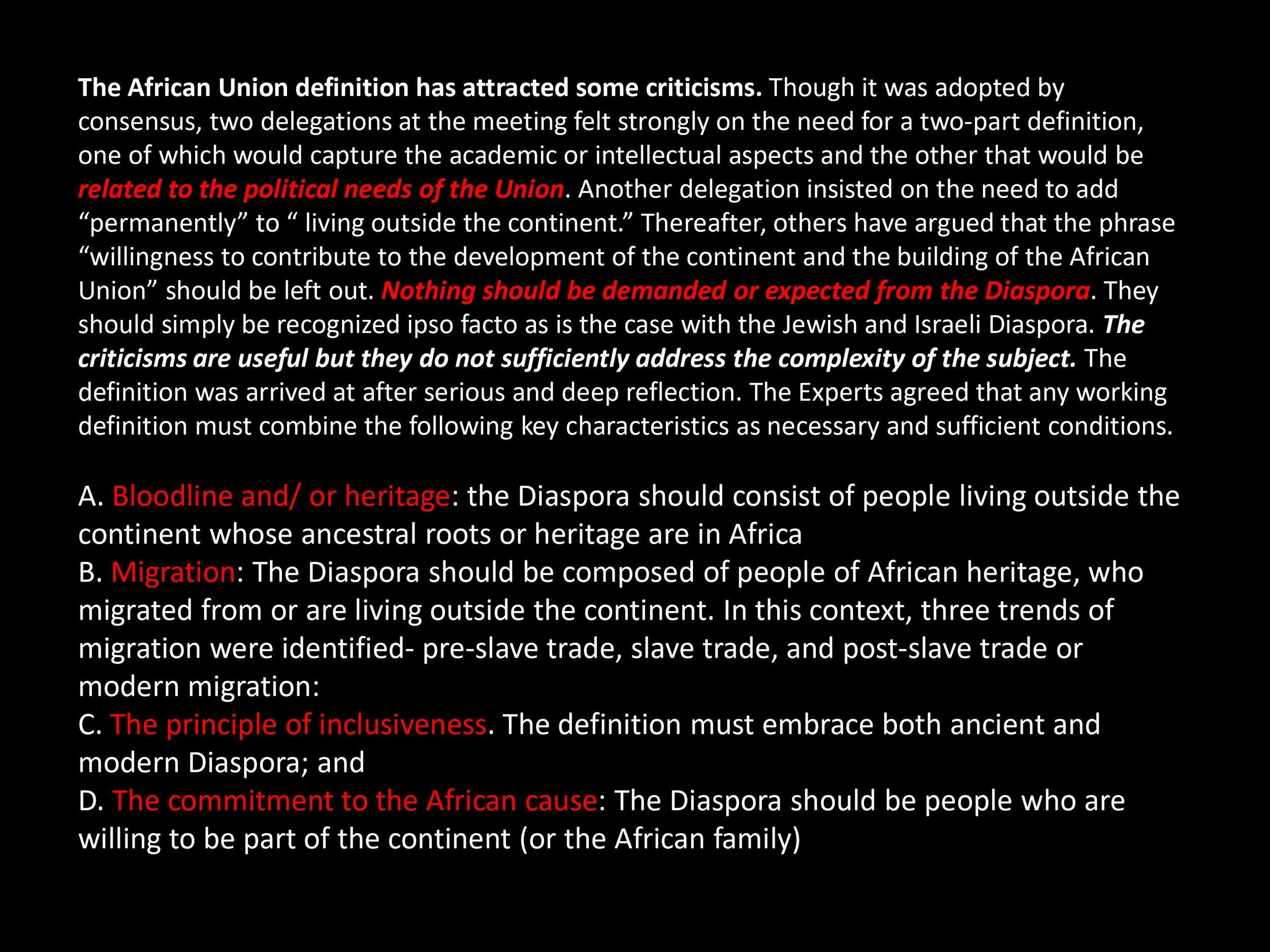
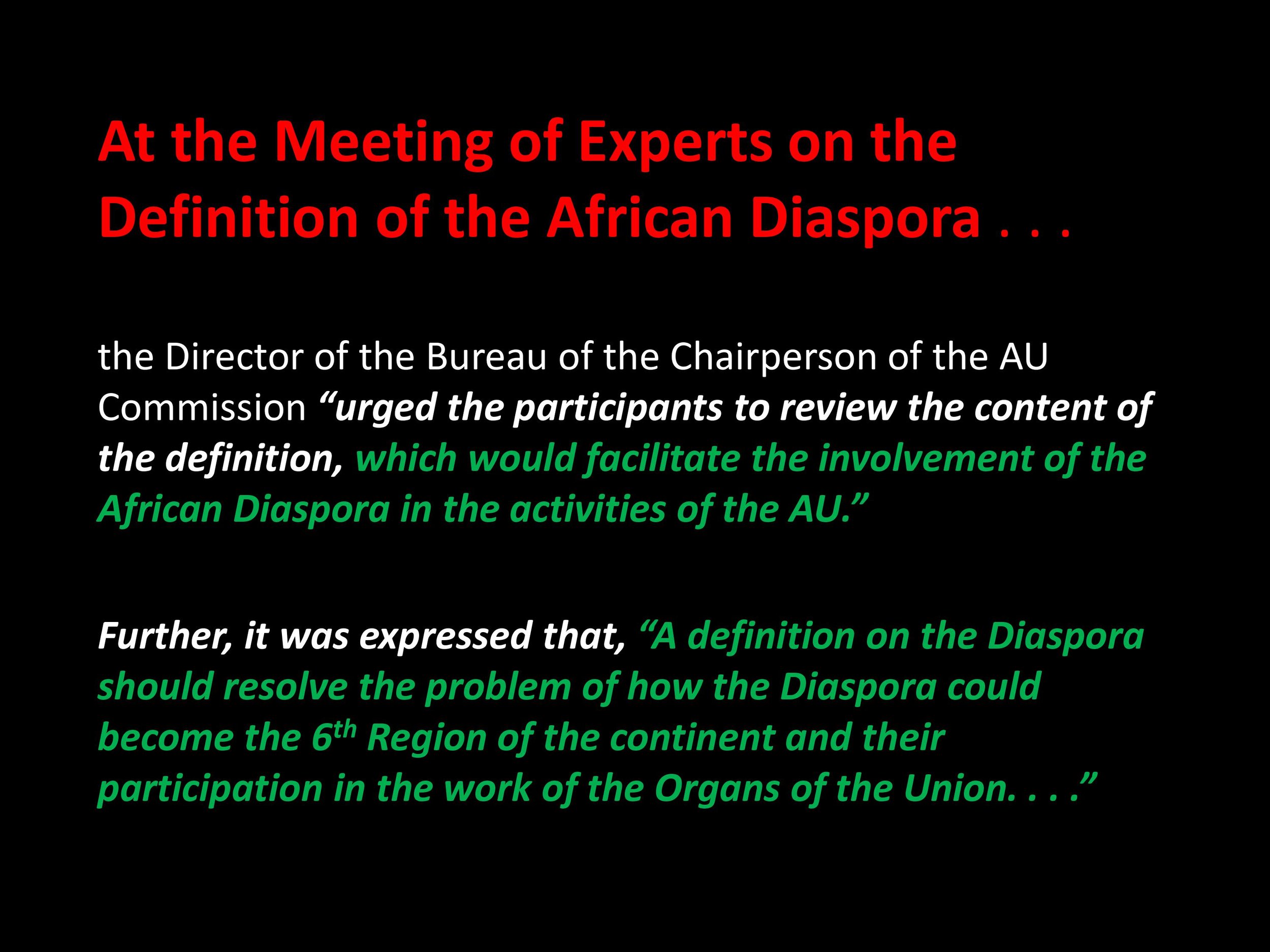
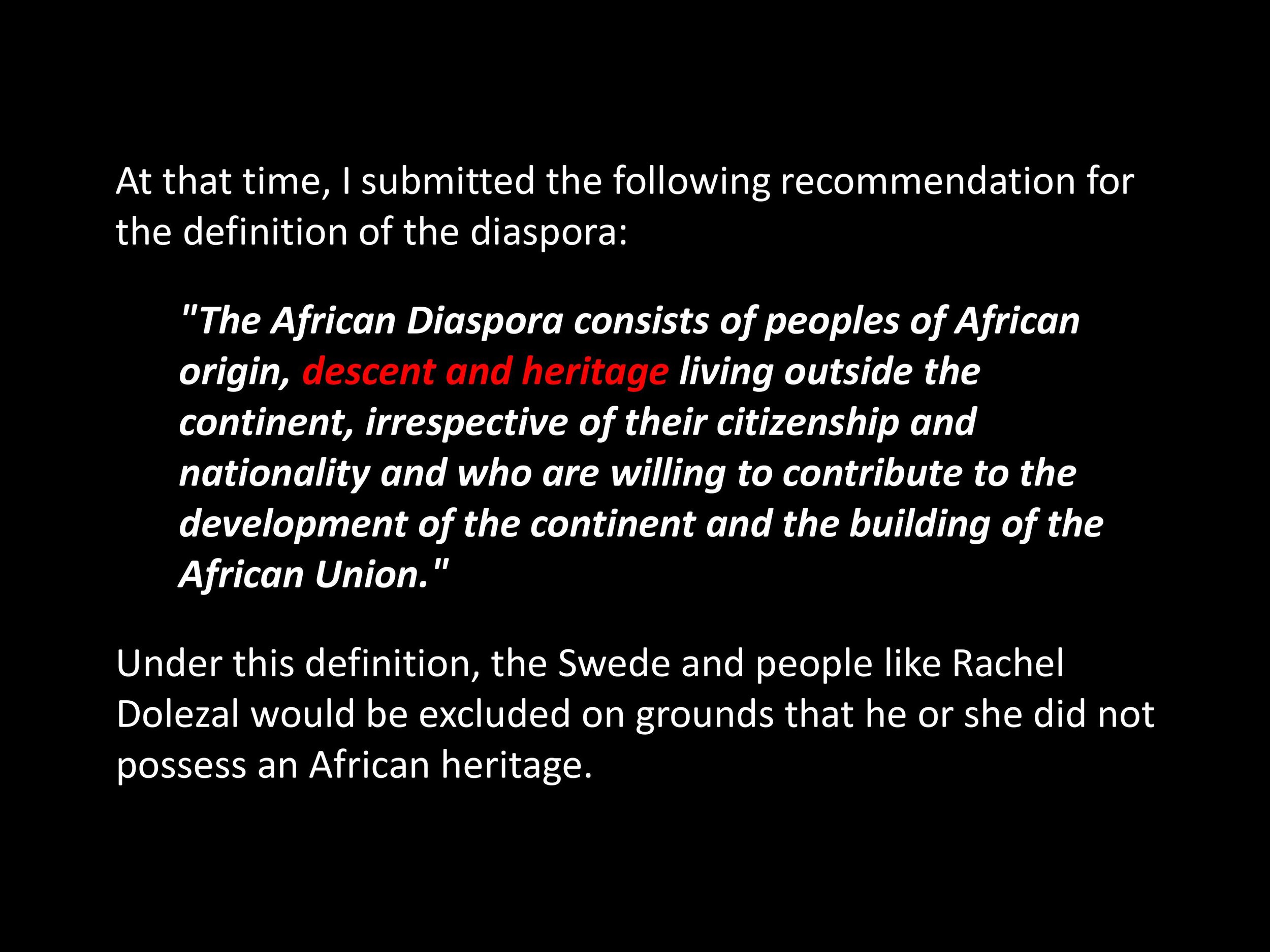
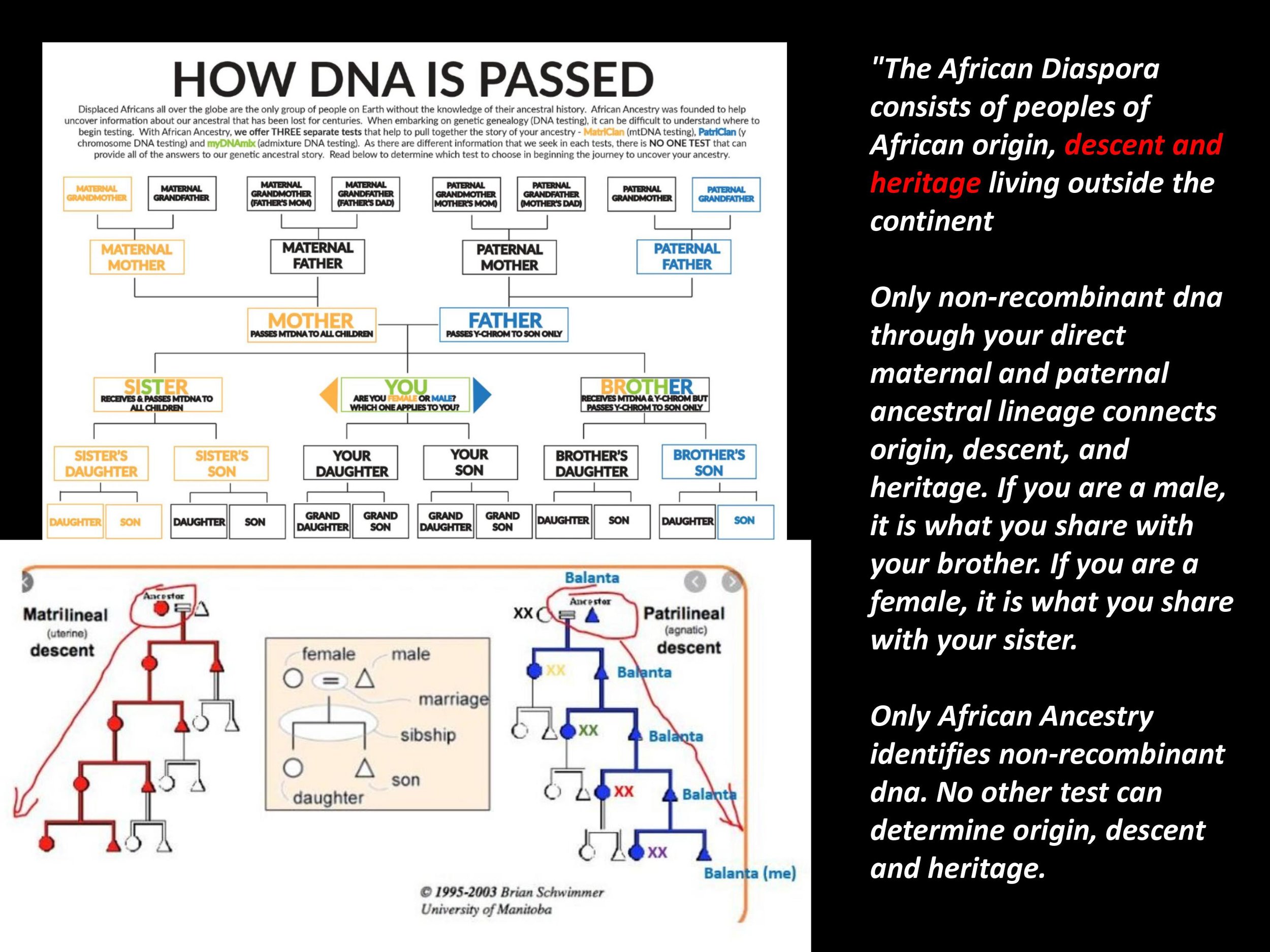
Later this year, the government of Zimbabwe will be hosting the “8th Pan African Congress Part 1 (8PAC1)”. On Saturday, March 25, The Fifth Preparatory Meeting for the 8PAC1 discussed the agenda item, Defining the African Diaspora. To contribute your input on the definition of the African Diaspora for the Zero Draft Resolutions working document for the 8PAC1 Harare Declaration, please complete the form below.
(to submit your input, please scroll to the very bottom of this post)
From Council of Pan African Diaspora Elder Baba Baya:
“The issue of who is defined as Diaspora for those African people who were taken from the Motherland has a certain level of reparations to it that is not shared by those African people who have, voluntarily, migrated outside of Africa. This something that should always be brought to the attention of African heads-of-state, their ministers of state institutions, the political parties of the nation and even those who are African royalty and chiefs of indigenous societies. All have been educated in the west and the majority of which have never been students of the Maafa. Not being students of the Maafa and never having had been obligated to learn its brutal history, there is a tendency to toss the history of this diaspora to the side in the same kind of way that their ex-colonial masters threw the brutality of colonialism away. It is essential for African people who will form the 6th region, and who will, more than likely, form the majority of structure ensure that the definition of Diaspora make this clear in the process of working towards dual citizenship. Most Africans who have migrated outside of the Motherland still have African citizenships and those who don't have rejected that citizenship in favor of U.S., Canadian, British, French, etc. citizenship. And because most European countries do not permit application to citizenship until African migrants are 18 or older, no matter even if they grew up in the European country, those African people really have no desire to return to the Motherland because of a desire to have a better life that African nations could not give them. The diaspora that has a desire to return to Africa, for the most part, are some of those African people who have experienced enslavement in the western hemisphere. These will be the few, not the many because many African people of the Diaspora still carry resentments for the Motherland, not having any head-of-state (outside of Kwame Nkrumah) who have called for them to come home and who has spoken truth to power about their conditions at the U.N., in the U.S. or any other nation where they have remained the human door mat minority populations. Africans of the Diaspora should become knowledgeable about the legal steps needed for dual citizenship as the hoops we need to jump through to ensure dual citizenship as an option however it is also incumbent for African heads-of-state to understand that return is not just about providing them to compensate them for the mismanagement of their brain drain. It is also about them developing empathy for the psychological, spiritual, and social trauma that the enslaved have had to endure because of their political neglect of them over the decaded after having received independence.“
____________________________________________________________________________
What is your definition of the African Diaspora?: The African Diaspora can be considered as any one or all of the following: It should be inclusive of ANY one or all of the following:
Any individual born on the continent of Africa who has willingly or forcefully migrated and now resides outside of the continent;
Any individual born outside the continent of Africa with ties to any country on the continent;
Any individual born outside the continent of Africa with parents [living or dead] from any African country in Africa;
Any African descendant who was forcefully transported as a result of the Trans Atlantic Slave Trade into the Americas.
Please share any thoughts or concerns about the definition of the Diaspora: The diaspora is any location originating outside the geographical location of the main African continent [54/55 countries in including the islands surrounding the continent.
____________________________________________________________________________
What is your definition of the African Diaspora?: African Diaspora means Africans scattered outside their country of origin in Africa or anywhere outside Africa.
Please share any thoughts or concerns about the definition of the Diaspora: Diaspora refers to the dispersion or scattering of a group of people who share a common origin or cultural background, typically due to forced migration, geopolitical conflicts, or economic reasons. The term originated from the Greek word "diaspeirein," which means "to scatter." The concept of Diaspora usually implies a shared sense of identity, history, culture, and traditions among the dispersed population, which may continue to maintain connections and engage in activities that promote social and economic ties across geographical borders. Examples of Diaspora communities include African Diaspora, Jewish Diaspora, Indian Diaspora, and Armenian Diaspora, among others.
____________________________________________________________________________
What is your definition of the African Diaspora?: The African Diaspora consists of those people that have indigenous African descent and heritage that live, or were born, outside of the continent of Africa.
Please share any thoughts or concerns about the definition of the Diaspora: My concern is that the definition must include all those that were forced to leave the continent and those that willingly left the continent, while finding a way to exclude those that may claim all mankind descend from Africa and exclude white supremacists that may have some African DNA due to an ancestor that was a former slave but passed as white.
____________________________________________________________________________
What is your definition of the African Diaspora?: The African Diaspora consists of peoples of indigenous African origin, descent, and heritage born or living outside of the continent regardless of citizenship or nationality.
Please share any thoughts or concerns about the definition of the Diaspora: We must ensure that we approach the definition with duality, both integrative and segregative. We need an integrative expression and definition which is utilized as the overriding, overarching framework. We need a segregative approach which addresses the different positions and need-bases for the different groups that make up the whole.
____________________________________________________________________________
What is your definition of the African Diaspora?: The African Diaspora consists of peoples of verifiable African origin, descent and heritage residing outside of the Continent as nationals, assylum seekers or immigrants abroad as a result of forced or voluntary migration, or birth.
This definition expresses the inalieniable status of Africans abroad in relationship to the home continent irregardless of the degree to which they currently accord value to this status. In practice, it is recognised that it is only those within the African diaspora who are willing to contribute to the re-estabishment of the African worldview, African- centred realities, global status, presence and power who are the visible and functioning members of the African diaspora aka 6th region.
Please share any thoughts or concerns about the definition of the Diaspora: Concern: The ties that exist between the diaspora and home continent needs to read as a statement of Truth, indisputable Facts.
The final agreed definition should therefore as its first and primary function recognise all who fall under the definition, embracing all whether or not as an individual they are Conscious of the unbreakable ties- their birthright and inheritance- this is why iin my humble opinion it should be verifiable- becuase we are speaking about birthright and inheritance. (When in time these things are valued by us we will see the importance of verifiability- the non Africans- particularly Eurasians know the value, hence the lengths they are prepared to go to create counterfeits; also the jews verify through blood tests)…I think that the current definition that requires something of the diaspora is a secondary (important) sub-clause, that defines something slightly different and should not be a qualifier to their birthright status- However we do need to reference as a subclause what is to be the relationship going forwards (in time within the context of OurStory) between the continent and the diaspora. This is slightly different to who is the diaspora- this function of the diaspora will change according to the changing needs of the times going forwards.
This is expressed in the definition current form as those who are willing... Concern: to be willing is a beginning, but( African scholars have identified that )we need to be willing to operate through our African place of Being if we are to manifest change- we must be willing to re-establish the African worldview/ African world order that links all Africans to their origin, descent and heritage, if we are to do more than simply reinforce Eurocentric realities and worldview- this is the nature of the ongoing challenge... to make African's inumerable contributions to the world COUNT IN OUR FAVOUR- work in support of African upliftment and African created realities, rather than in support of the present reality created by former exploiters, thieves, rapists, colonisers and enslavers
____________________________________________________________________________
What is your definition of the African Diaspora?: Africans and Afrodescends living outside the mother continent Africa
Please share any thoughts or concerns about the definition of the Diaspora: Diaspora is group of Peoples force to live their country and continent to another or who live their continent free wiling
____________________________________________________________________________
What is your definition of the African Diaspora?: The African Diaspora is any person who can biologically trace their origin to the continent of Africa.
Please share any thoughts or concerns about the definition of the Diaspora: My concern is giving equal rights to those from successive duel heritage backgrounds.
____________________________________________________________________________
What is your definition of the African Diaspora?: An addendum to an earlier post by a previous contributor:: Any DNA proven (what %-age would this be and patri and or matri?) individual born on the continent of Africa who has willingly or was forced to migrate and now resides outside of the continent;
Any (what %-age would this be and patri and or matri?) individual born outside the continent of Africa with ties to any country on the continent;
Any individual (what %-age would this be and patri and or matri?) born outside the continent of Africa with parents [living or dead] from any African country in Africa;
Any African descendant (what %-age would this be and patri and or matri?) who was forcefully transported as a result of the Trans Atlantic Slave Trade into the Americas (what of the victims of the Arab Slave Trade transported hundreds of years ago before there were recognized African countries from long dead tribes and kingdoms? - a lot of those old kingdoms were wiped out or decimated but their descendants are minorities in certain Middle Eastern countries eg. Iran, Iraq, Saudi Arabia etc.). Is there a way or ways whereby the descendants of non-African invader peoples (Boers, Arabs, Europeans etc.) could be legally excluded and defined? And is this something we want to do given the rapidly changing state of technology and DNA methods? Which agency, entity, organization etc has the right or authority to define and broach this topic and topics?
Please share any thoughts or concerns about the definition of the Diaspora: This needs to be defined before any discussion on matters relevant to the 6th Region, and or the Diaspora is undertaken.
____________________________________________________________________________
What is your definition of the African Diaspora?: The African Diaspora consists of peoples of African origin, descent and heritage who willingly or by force migrated to live outside the continent, but irrespective of their citizenship or nationality, are willing to contribute to the development of the continent and the building of the African Union.
Please share any thoughts or concerns about the definition of the Diaspora: A person's current citizenship or nationality outside of the continent may be the result of imposed restrictions from the Atlantic trading in slavery, colonialism, or neocolonialism imposed by western imperialism. Consequently, importance should focus on the willingness of African Descendants to contribute to the development of the continent and building of the African Union in the definition.
____________________________________________________________________________
What is your definition of the African Diaspora?: I agree with the definitions given!
Please share any thoughts or concerns about the definition of the Diaspora: I feel confident that the definition given is more than sufficient for the Committee and goals of the 8th Pan African Conference.
____________________________________________________________________________
What is your definition of the African Diaspora?: Thé African Diaspora consist of people of African origin and heritage, and their descendants living outside of the continent of Africa as well as the descendants of the formally enslaved Africans who live within and outside of the African continent, irrespective of their citizenship and nationality.
Please share any thoughts or concerns about the definition of the Diaspora: Two distinct groups of Diasporans
____________________________________________________________________________
What is your definition of the African Diaspora?: The African Diaspora can be considered as any one or all of the following: It should be inclusive of ANY one or all of the following:
Any individual born on the continent of Africa who has willingly or forcefully migrated and now resides outside of the continent;
Any individual born outside the continent of Africa with ties to any country on the continent;
Any individual born outside the continent of Africa with parents [living or dead] from any African country in Africa;
Any African descendant who was forcefully transported as a result of the Trans Atlantic Slave Trade into the Americas, Europe, or Asia.
Please share any thoughts or concerns about the definition of the Diaspora: The ties that exist between the diaspora and the home continent need to be read as a statement of Truth, indisputable Facts.
The final agreed definition should therefore as its first and primary function recognize all who fall under the definition, embracing all whether or not as an individual they are Conscious of the unbreakable ties- their birthright and inheritance- this is why in my humble opinion it should be verifiable- because we are speaking about birthright and inheritance. (When in time these things are valued by us we will see the importance of verifiability- the non-Africans- particularly Eurasians know the value, hence the lengths they are prepared to go to create counterfeits; also the Jews verify through blood tests)…I think that the current definition that requires something of the diaspora is a secondary (important) sub-clause, that defines something slightly different and should not be a qualifier to their birthright status- However, we do need to reference as a subclause of what is to be the relationship going forwards (in time within the context of OurStory) between the continent and the diaspora. This is slightly different from who is the diaspora- this function of the diaspora will change according to the changing needs of the times going forwards.
This is expressed in the definition current form as those who are willing... Concern: to be willing is a beginning, but( African scholars have identified that )we need to be willing to operate through our African place of Being if we are to manifest change- we must be willing to re-establish the African worldview/ African world order that links all Africans to their origin, descent, and heritage if we are to do more than simply reinforce Eurocentric realities and worldview- this is the nature of the ongoing challenge... to make African's innumerable contributions to the world COUNT IN OUR FAVOUR- work in support of African upliftment and African created realities, rather than in support of the present reality created by former exploiters, thieves, rapists, colonizers, and enslavers.
____________________________________________________________________________
What is your definition of the African Diaspora?: The definition of African DIASPORA should be Africans who are now not residing in Africa. A sub- category should be for the stolen DESCENDANTS of African Slaves. These are the ones that are due REPARATIONS.
Please share any thoughts or concerns about the definition of the Diaspora: Yes!
____________________________________________________________________________
What is your definition of the African Diaspora?: Black people globally living outside of Africa
Who are decent of Black Africans
Please share any thoughts or concerns about the definition of the Diaspora: Who we discussing
The Red, Black and Green
Red blood
Black people
Green land
KEMIT
diaspora
Black is our consciousness
Identity recognition?
Kemit Land of the Black
Which our great historians often refer to what’s in a name.
Ethiopia, a black man
Classical African civilization
Our Black African descent culture is different from White Arab African descent culture or Creek culture African descent.
We have as a people often referred to living the Black experiences
the key factors as included distinguishing us from other ethical historical facts from others all over the world, and no matter what continent, no matter the name, tribe, clan, city, state, country or continent
The description Black people,
is recognized and accepted, we all can recognize ourselves as Black people which is embedded from the beginning of time in our memories as experiences.
If we only use the name Africa, which is good name. We refer to Africa as a land mass not a people. Africa is a land which for over 1000 years, has not all been Black peoples,
was it always Blacks, what about Arab Africans or Arabs in Africa or Arabs in Egypt,(united republic of Arabs) Algeria, Morocco, Libya, or Tunis. We see that over 1000 years or so, they leave Africa or do we say return back and are they considered the same as us out of Africa
African experience most everyone today has experiences that no matter where we live, which language we speak, we know dark skin to be part in the proper understanding being black there is power in the tongue which ever language is used there is power in the thought- fullness that talks as a Black peoples experience.
to a term referred to as classical African civilization wish we all can recognize.
There’s power in the description of the Black Panther Party
Kemit the Black land or Black people.
There’s powerful vibrations in the knowledge chemistry that can be demonstrated.
A large number of us do know what it is or means on a global historical scale what it means to think or know what it means to say I am a African on the other hand a large number can say I am part of the Black experiences globally I decent from Africa.
Energy force, power, push, pull Black Powder call and respond rally shout Black Powder, rally rally, call to action Black Africa descents to
Powder
Calls you to Action
____________________________________________________________________________
What is your definition of the African Diaspora?: The African Diaspora is any African person who was born and residing out the continent of Africa. African diaspora can be identifying as the Descendants of African Slaves, born and residing out of the African continent not excluding the African immigrants.
Please share any thoughts or concerns about the definition of the Diaspora: The Diaspora is any person who was born out the African Continent and have biological ties with the African Continent
____________________________________________________________________________
What is your definition of the African Diaspora?: This is my take on the subject.
The word diaspora can have a different meaning depending on the context.
Location, historical experience, culture, etc. are needed to contextualize; for it is about how and when this reality became our experience to this day.
From my point of view, the diaspora is composed of 2 distinct categories (which in my humble opinion, for more efficiency and ease must be treated from specific angles).
1) First use according to the biblical story - ref Christine Chevillon CNRS France : Diaspora are the dispersed, deported, exiled (or sent into captivity) this in fact refers to our Ancestors and us their descendants because today we are still in the Land of our captivity.
Our ancestors throught generation were cut off from all ties with our mother Land due to the artificial separation created with systematic mechanisms by the slave masters...
We have been stripped of our kingdoms, lands, names, cultures, traditions, spiritualities and we are still in the land of our captivity.
See traditional definition/Chevillon Christine/CNRS :
“...The etymology of the word dates back to the Septuagint Bible, a known Greek translation of biblical texts in Hebrew and Aramaic written by Greek-speaking Jewish clerics. The word “diaspora” is formed from the Greek verb speiren (to sow) and more precisely from the compound verb diaspirein (to disseminate). According to sources, it concerns either the exile from Babylon and the dispersion of the Jews after the destruction of the second temple in Jerusalem (Bruneau 2004: 8), or the threat of dispersion as divine punishment for Jews who do not respect the Law of God. (Dufoix 2011: 64). »
2) The diaspora: expatriates, migrants
Voluntary choice = + or - decision related to the economic situation, education
Choice of foreign host country = + or - choice of geographical freedom (often linked to the language of the colonizing countries)
Ties maintained or not with Mother Land... = free decision
Return or visit = free decision
Country, region, kingdom, village/families, friends ect: identified and tangible
Please share any thoughts or concerns about the definition of the Diaspora: I'm not sure, working on it.
____________________________________________________________________________
What is your definition of the African Diaspora?: All descendants of African descent that have either been forcibly removed, or voluntarily relocated, outside geographical Africa, this should also include "African Americans" who have yet a viable government in which to represent them in the international community.
Please share any thoughts or concerns about the definition of the Diaspora: "African Americans" are part of the Diaspora.
by Bro. Baya Kes-Ba-Me-Ra (Duane Bradford) -
former President (Kichwa) Pan-African Associations of America
Pan-Africanism actually became a practice by the African people who experienced the African Slave Holocaust in the western hemisphere from North America to South America and in the Caribbean islands. African people, speaking different languages and coming from different ethnic groups, experienced the horrors of the African Slave Holocaust together without any differentiation of suffering and death. They had to set their differences aside to survive this Maafa*. Out of this need to survive under enslavement in North America, Mexico, Central and South America and throughout the Caribbean Islands, they became integrated African people.
They resisted the horrors of the Maafa and fought back in all of these communities. This was an unconscious Pan-African resistance to those who would rob them of their humanity.
Out of this resistance rose traditions of resistance that would not bow to the exploitation of their bodies, minds and spirits.
Out of this tradition of resistance they produced great African minds that organized for resistance physically, intellectually, socially and spiritually.
Out of this seed of resistance emerged African thinkers who wrote and preached the need for African people to collectively work to defend themselves in the western hemisphere and protect African people from the ongoing aggression against African people taking place in the western hemisphere and through colonialism in the Motherland.
Names that emerged that spoke to this aggression included Prince Hall, Paul Cuffee, Bishop Henry M. Turner, John B. Russwurm, David Walker, John Chilembwe, Simon Kinbangu, Edward W. Blyden, Rev. Alexander Crummell, Benito Sylvain, Rev. Orishatukeh Faduma and Dr. Mojola Agbedi, and many others.
Out of these ideas African intellectuals felt the need to meet to find solutions to this western aggression against the humanity of African people.
In response, in England, the Afro-West Indian lawyer, Henry Sylvester Williams of Trinidad and Tobago, helped to form the African Association. From July 23rd to the 25th, 1900 the African Association convened the Pan-African Conference (Congress) through the efforts of Henry Sylvester Williams and those men and women who made up the Pan-African Conference Committee of the time. Since the convening of the first Congress, African people have come together at different times to discuss, organize and unify to protect themselves against their exploitation and the exploitation of the lands and resources by others and thereby ensure a better future for African people.
Now we convene the 8th Pan-African Congress Part 1, as recommended by His Excellency President Yoweri Museveni, endorsed by the Council of Elders and facilitated by the African Diaspora Development Institute (ADDI) to determine what we will do to protect, defend and build to our benefit rather than continue to benefit non-African people who are not interested in the development of African people on the continent nor in the Diaspora. 8PAC Part 1, with its focus on specific concrete actions, will be a turning point in the more than 400 years of Maafa.
Recognizing the mammoth weight, magnitude and responsibility to convene the 8PAC Part 1, we salute H.E. President Emmerson Dambudzo Mnangagwa for becoming just the third African President to host the Congress. We will convene once again with each other at the 8th Pan-African Congress Part 1 taking place in Harare, Zimbabwe to take control of our economic destiny on our own terms as a global African people. We will discuss the pathways to dual citizenship in addition to developing strategies to ensure that financial resources are shared between African people on the continent and in the diaspora for the sake of generations to follow. These two conversations are critical to our ability to control our destiny on our terms within the global African community.
We are calling for African people in the Diaspora and in Mother Africa to support the convening of this 8th Pan-African Congress Part 1 by talking about it, discussing the issues that it will bring forth, and helping to organize pathways to dual citizenship and economic liberation. It is only with your support that we can achieve these two goals in the years to come.
This is a call to unity no matter what other beliefs you may have. In indigenous African thinking there is a philosophy that best defines what we must do and why we must do it for the sake of future generations of African children in the Diaspora and on the African continent. It is Ubuntu which states, “I am because we are, therefore we are because I am.” That is the spirit with which we convene this 8th Pan-African Congress Part 1. Join us because we have the opportunity to build a future that our children will sing about for generations to come.
Yours in African Ascendancy, In Ubuntu, The Council of Pan African Diaspora Elders
________________________________________________________________
by Dr. David L. Horne, Ph.D, -
Sixth Region Diaspora Caucus (SRDC) and Pan African Diaspora Union (PADU)
Dear Pan Africanists,
Whether one espouses and works on Pan Africanism as an ideology, a philosophy, a theoretical position, a form of ubuntu, or through a programmatic perspective of some kind, wanting—no, needing—some specificity in steps forward is critically important now more than ever. The wolves of the world are antsy again, and Africa looks especially appetizing in resources and human capital. Africans worldwide (those resident and nonresident) must unite in common effort to help build the Africa we want (and need) in this world.
A group of Africanists led by Dr. Arikana Chihombori-Quao, President of the African Diaspora Development Institute (ADDI), is planning a massive Ndaba in Zimbabwe (calling it 8th PAC, Part I) in a few months that should help chart the way forward. We, who are practical Pan Africanists and not inclined to quibble over the small stuff, support the call for this gathering out of which should come positive agreements for present and future Pan African work. We urge you to join us.
H.E. Ambassador Arikana Chihombori-Quao, President of the African Diaspora Development Institute (ADDI); Damian Cook, Vice-President of the African Diaspora Development Institute (ADDI); Siphiwe Baleka, ADDI 8th PAC Part 1 Coordinator and President, Balanta B’urassa History & Genealogy Society; Aku A (Sharon Lee Minor) King - A Minor Enterprise, Founder/Consultant USA; Sydney Samuels - Nelson Mandela Association, Guatemala; Melvin Brown - State of the African Diaspora (SOAD), President of Parliament, Panama; Cliff Kuumba - Maryland State Facilitator, Sixth Region Diaspora Caucus (SRDC), - Member, North America Regional Coordinating Committee, Pan African Federalist Movement (PAFM), - Moderator, Maryland Pan Afrikan Cooperative Coalition (MPACC); Bro. Baya Kes-Ba-Me-Ra (Duane Bradford) - Pan-African Associations of America, former President (Kichwa) USA; Sydney Francis - Central America Black Organizations (CABO); Sixth Region Diaspora Caucus (SRDC), Presidente ADEPHCA, Nicaragua; Tutmose Sankara (on behalf of Dr. Leonard Jeffries) - World African Diaspora Union (WADU); Atlanta Pan African Coalition, USA; Fabian Anthony - Pan-African Council , Chairman, South Africa; Hazel Marshall - African Cultural and Development Association (ACDA),Guyana; Eddly Hall Reid - Central America Black Organizations (CABO), Costa Rica; Mawlimu Mboya - USA/Guyana; Kwame Wilburg - Friends of the Congo, Member, Board of Directors; Coordinator, Atlanta Support Network, USA; Cletus Prince - CEOAfrica, Nigeria; Sis. Iman Uqdah Hameen- New York Organization of the Sixth Region Diaspora Caucus (SRDC); Facilitator Emeritus (2006 – 2012) USA; Bongo Wisely Tafari - Caribbean Rastafari Organization (CRO), Chairman; Lazare Ki Zerbo - Joseph Ki-Zerbo International Center for Africa and its Diaspora (CIJKAD); Pan Afrikan Federalist Movement, Vice President, French Guiana; Mwalimu Kbailia - National Black Council of Elders, Presiding Elder, USA; Jocelyn Tchakounte - African Diaspora International Trade Association (ADITA), President, USA; Haki Ammi - Teaching Artist Institute, President, USA
Nkechi Taifa, Reparation Education Project
Maynard Henry, Maynard M. Henry, Sr., Attorney At Law, P.C.; National Coalition of Blacks for Reparations in AmericaAgrippa Ezozo, ADDI
Dr.Hamet Maulana Maulana, Ministry of the Future (MOF)
Enola Aird, Community Healing Network
Professor Donnie I. Ali-McClendon, All-African People's Revolutionary Party
Kevin Edwards, ADDI
Sengbe El Bey, The Balanta B'urassa History and Genealogy Society in America
June Lewis, IDOAD Coalition UK
Gordon Manker, Balanta B’urassa History & Genealogy Society,
Andre Queen, Balanta B'urassa History & Geneology Society
Dr Victor Okhai, Directors Guild of Nigeria
Mar6 Sephocle, Howard University
LUCETT WATLERFORO NACIONAL DE MUJERES AFRODESCENDIENTES
Rev Edward Pinkney, Black Autonomy Network Community Organization
Jami Luqman, New Afrikan Network519 Association,USA
Dr. C Sade Turnipseed, Khafre Inc. / Sankofa Empowerment Initiative / Jackson State University
Beulah Okonkwo, NCOBRA
Queen Mother Wakeelah Martinez, The African American Council of Elders of South Central Kansas located in Wichita Kansas
Kofi Ansa, Balanta Brassa
Orrin Williams, CUT Chicago
Miguel Avila, Movimiento Federalista Panafricano de América Latina y el Caribe Hispano -MFPA/ALCH-Ecuador
Nicole Holmes, ADDI
Imhotep Alkebu-lan, UNIA-ACL
Baye Kesbamera, Pan-African Associations of America
Jocelyn Tchakounte, African Diaspora International Trade Association
Donald BROWN, Heritage Connection
ROY GUEVARA ARZU, MOVIMIENTO FEDERALISTA PAN AFRICANO DE AMERICA LATINA Y EL CARIBE HISPANO (MFPA/AL/CH) and AFROAMERICAXXI HONDURASM
Denise Lovett Hampton, Huduma Services
Sekani Perkins, (ADDI) African Diaspora Development Institute & (ADNC) African Diaspora Nation Coalition
Kandace Walker, Sojourner Enterprise
Christopher Buchanan El, C&M Interior Design Enterprises LLC
ABENA DISROE, A-APRP & DCHA CITY-WIDE ADVISORY BOARD
Thomas L. Mitchell, MPW Advisors, LLC.
Michael Barber, Industrial Workers of the World
Laurie A Calkins, LN2S Consulting L.L.C., ADDI Member

For the meaning of this message communicated in the West Afrikan Adinkra Symbols, see below.
Sunday, March 5 - A PAN AFRICAN VETERANS CONSULTATION AHEAD OF THE 8TH PAC PART 1 was held on in order to bring several Pan African groups and stakeholders in the African Union 6th Region Diaspora Initiative together for a demonstration of Pan African Unity. The meeting was called under the theme, “Unity does not require homogeneity, but it does require solidarity of purpose”.
The meeting was organized by Siphiwe Baleka, the Agenda Coordinator for the 8PAC1 and Cliff Kuumba, Maryland State Facilitator, Sixth Region Diaspora Caucus (SRDC), Member, North America Regional Coordinating Committee, Pan African Federalist Movement (PAFM), and Moderator, Maryland Pan Afrikan Cooperative Coalition (MPACC).
The meeting was attended by the following:
H.E. Ambassador Arikana Chihombori-Quao, President of the African Diaspora Development Institute (ADDI)
Damian Cook, Vice-President of the African Diaspora Development Institute (ADDI)
Siphiwe Baleka, ADDI 8th PAC Part 1 Coordinator; President, Balanta B’urassa History & Genealogy Society in America
Aku A (Sharon Lee Minor) King - A Minor Enterprise, Founder/Consultant USA
Sydney Samuels - Nelson Mandela Association, Guatemala
H.E. Vice Prime Minister Keturah Amoako - State of the African Diaspora (SOAD)
Melvin Brown - State of the African Diaspora (SOAD), President of Parliament, Panama
Cliff Kuumba - Maryland State Facilitator, Sixth Region Diaspora Caucus (SRDC), - Member, North America Regional Coordinating Committee, Pan African Federalist Movement (PAFM), - Moderator, Maryland Pan Afrikan Cooperative Coalition (MPACC)
Bro. Baya Kes-Ba-Me-Ra (Duane Bradford) - Pan-African Associations of America, former President (Kichwa) USA
Sydney Francis - Central America Black Organizations (CABO); Sixth Region Diaspora Caucus (SRDC), Presidente ADEPHCA, Nicaragua
Tutmose Sankara (on behalf of Dr. Leonard Jeffries) - World African Diaspora Union (WADU); Atlanta Pan African Coalition, USA
Fabian Anthony - Pan-African Council , Chairman, South Africa
Hazel Marshall - African Cultural and Development Association (ACDA), Guyana
Eddly Hall Reid - Central America Black Organizations (CABO), Costa Rica
Dr. David Horne - Sixth Region Diaspora Caucus, Founder, USA
Mawlimu Mboya - USA/Guyana
Kwame Wilburg - Friends of the Congo, Member, Board of Directors; Coordinator, Atlanta Support Network, USA
After Mr. Baleka made his opening remarks, at 32:54 into the meeting, H.E. Ambassador Arikana Chihombori-Quao addressed the gathered elders and Pan African Veterans.
“Thank you all the Pan Africanists who are on the call today. I appreciate all of the work that you all have been doing over the years. And while the mission is not yet accomplished, we are coming together today to see how we can continue the movement and hopefully, put us on a better path where the mission can be accomplished - maybe not during our time - but at least pave a clear path that we can leave behind for our children to continue the struggle. . . . “
After opening the meeting with brief introductions, Mr. Baleka gave a brief history of his involvment with the AU 6th Region Diaspora Initiative since its creation in Addis Ababa, 2003 as well as the circumstances which caused his disillusionment and withdrawal from it by 2007. As stated in Volume 3 of Siphiwe Baleka’s five volumes of Come Out of Her, My People! 21st Century Black Prophetic Faith and Pan African Diplomacy:
“On November 3 [2005], Ras Nathaniel [note: now known as Siphiwe Baleka] of the Issembly for Rastafari Iniversal Education (IRIE) met with Fred Oladiende, President of the Foundation for Democracy in Africa, and Anthony Okonmah, Executive Director of the Foundation for Democracy in Africa. The Foundation for Democracy in Africa is serving as the Secretariat for the Western Hemisphere African Diaspora Network (WHADN) of the African Union 6th Region Diaspora Initiative. Though not all the details have been finalized, IRIE and WHADN agreed to work together to implement a proposal to host African Union Educational Forums and Repatriation Census/Skills Database Workshops throughout the African Diaspora in the Western Hemisphere in 2006. Members of R.A.S.T.A. Inc and the Rastafari Community of South Florida were briefed on the meeting with WHADN (which has an office in Miami) and reasoned on the necessity of mobilizing a United Rastafari Front in support of this effort. IRIE hopes to sign the agreement with WHADN soon.”
The Memorandum of Understanding with WHADN was in fact signed on December 23, 2005. Among other things, the MOU stated,
“NOW, THEREFORE, WE, the undersigned affix our signatures in agreement to work jointly in support of each other and the people of Africa and of African descent this 23rd day of December 2005 in Washington, DC, United States of America. Specifically, we will join our efforts in taking the following steps:
1. Assist the African Union in fulfilling the Final Report of the African Union Technical Workshop on the Relationship with the Diaspora June 2-5, 2004, (Port of Spain, Trinidad and Tobago) Recommendation in section 52.ii and section 56.ii and iii . . . .
6. Prepare to launch the Series of Educational Workshops On The African Union 6th Region Diaspora Initiative & Repatriation Census/Central Diaspora Resource Skills Bank on the occasion of the Bob Marley’s 61st Birthday Tribute and in conjunction with the “Africa Unite” concerts in Ghana, beginning February 6, 2006 and culminating in October, 2006 ( a nine-month campaign). . . .
8. Ras Nathaniel, IRIE Coordinator, will serve as the Lead Project Director.”
On April 13, 2006, David Horne published the article “THE AFRICAN UNION COMES TO TOWN” that stated,
‘This weekend in Los Angeles, at the First Annual Pan African ROUNDTABLE/FORUM, a representative from the African Union's Secretariat (called WHADN, or Western Hemisphere African Diasporan Network) will explain the African Union's position and some African Consensus decisions will be made concerning how to achieve the necessary diasporan representation. . . The AU is currently establishing several Diasporan Secretariats in various parts of the world to help to facilitate bringing the diasporans into this process. There is one already established for the Western Hemisphere (in Washington, D.C.) called the WHADN, one being established for Europe, and one being set up in Ghana (to assist with Ghana's Joseph Plan strategy to attract diasporans back to Ghana and to Africa as a whole). The WHADN (Western Hemisphere African Diaspora Network) out of Washington, D.C. has a mandate to help diasporans organize themselves in five sub-regions-- Canada, the United States, Latin America/Central America, the Caribbean, and Brazil. The WHADN has a fully formed calendar of educational trips planned for 2006 to disseminate accurate information about the AU and the diaspora, and the trips have already started (Howard University, Harvard University, community groups in Connecticut, etc.) There have been several pivotal meetings thus far to push this agenda forward. . . .The Pan African ROUNDTABLE/FORUM in Los Angeles on April 7-8th will engage in an African Consensus process to try and arrive at an effective methodology that we can use in the USA. There will be a follow-up meeting in Miami this summer, and another in Ghana towards the end of the summer. Whatever tangible results come out of these and other gatherings will quickly be submitted to all identifiable and progressive Black organizations, clubs, groups and associations in the USA for their input, then a firm decision will be made, and the invitation will be accepted. . . . There are not any plans now nor will there be in the future for a single representative from the USA to discuss and negotiate our interests at AU meetings. Currently, for one AU Commission alone (ECOSOCC), there will be at least 20 representatives from the Western Hemisphere, and there are several other commissions, numerous committees and projects, and of course the All African Parliament itself. The exact number of representatives is in flux. Our priority is to come up with an agreed-upon method of selecting trusted representatives to the AU, whatever the final number, without letting ourselves drown in our own egotism, faded rivalries, inappropriate ideological assassinations, and other forms of PTSS (Post Traumatic Slave Syndrome) unreadiness.”
Volume 4 of Siphiwe Baleka’s five volumes of Come Out of Her, My People! 21st Century Black Prophetic Faith and Pan African Diplomacy states:
“The Pan African Community Coalition (PACC) and the Pan Afrikan Organizing Committee (PAOC) invited I, as the Director of the African Union 6th Region 2006 Education Campaign, to the New York Town Hall Meeting on Saturday, January 6, 2007, to discuss the election of New York's African Diasporan Representatives to the African Union (AU). . . . And at the start of this new millennium, we have all the ingredients that were not there when Malcolm tried to do it, when Marcus tried to do it. All the ingredients are there now, and the Diaspora has to do its part. We are not to be pimped just for our money or technical know-how. We are long lost kin and bredren, and the continent can't be right spiritually, until our relationship is repaired. And until it is spiritually right, you are not going to have the economic and social development. . . . . You are here for a reason. The responsibility is now on you, to get it out to New York, say look, this is what's happening, here's the information . . . . New York is now the second . . . to call a meeting to elect its representatives. . . . Now technically, by the definition of the AU ECOSOCC statutes -- I am thirty-five years old -- I am considered to be a youth. I am your child of Pan Africanism in the sense that it was my generation that had the benefit of the Black Studies movement, where we would actually grow up reading books from our own Black fighters, academics, and intellectuals, and learn about Pan Africanism. As a youth, what we want to see, all of these entrenched camps that are Pan Africanists and Black Nationalists, because of the historical imperative, to exhibit some Jubilee Grace and come to the table. WE DON'T CARE who did the most this, the most that, but you are still fighting, and we can't actually see the example of Pan Africanism because not all the groups will come and sit under one roof. As the youth with connections with youth all over the African Diaspora, we are asking all the Elders in the Pan African Movement, all the groups and organizations to do this for us, for the youth. When you call your meeting in New York, have everyone there. If we could get just one state, one place, to demonstrate that, and have THAT vibration spread . . . . So I just want to encourage this Pan African spirit coming from the youth. What is the meaning of your Pan Africanism, if you are out there trumpeting Pan Africanism and yet you won't meet with the other groups because of some past history you had? Meanwhile, all the ingredients are there, and there is this historical imperative that trumps all of that. I am making a special appeal. That's what Malcom X asked for when he tried to do this and formed the OAAU modeled on the OAU. He tried to do it and it didn't happen. So here we are at the start of a new century, a new millennium, we have all the ingredients, and everyone must put forward their best, good-faith effort in the spirit of Pan Africanism." When I finished, there was applause and some questions. Then the town hall meeting discussed the formation of the Community Council of Elders (CCE) that would conduct the election of AU Representatives at the Caucus called specifically for that purpose after the Town Hall Meeting. Fifteen (15) elders who were present then formed the CCE and accepted nominations for New York's Representatives to the AU Sub-Regional Caucus-USA. More than twenty people were nominated including Elder Adunni, Elombre Brath, Gil Noble, Alton Maddox, Gwendolyn Black, Camille Yarborough, Omawale Clay, and Ras E. S. McPherson. January 27th was set as the date for the next CCE meeting and the close of the nomination period.”

In the Report to the Rastafari Family Worldwide: CABO XIIth Assembly in La Ceiba, Honduras (documented in Volume 4), Ras Nathaniel (Siphiwe Baleka) states,
“I was blessed to have as a roommate an elder of the Pan African movement named Dr. Pauulu Kamarakafego. CEO of the Pan-African Movement to the United Nations, Dr. Pauulu Kamarakafego has served as a councilor, consultant, official and friend to such people as Kwame Nkrumah, Julius Neyere, CLR James, Walter Rodney, various African liberation movements, the list is very, very long. Dr. Kamarakafego was responsible for organizing the 6th Pan African Congress in Tanzania in 1974. According to Naiwu Osahon of The World Pan African Movement, "Pauulu Kamarakafego (Roosevelt Brown) who still represents us now at the UN . . . was the pioneer sponsor of the 6th PAC.” . . . After I and Dr. David Horne of the Pan African Organizing Committee (PAOC) made the presentation on the African Union (AU) 6th Region, the CABO Plenary approved that their voting delegates could select Central America's representatives to ECOSOCC within the next three months. No argument, no problem, just a recognition of the task at hand and empowerment to do it.”
It should be noted that Dr. Horne, Sydney Fancis, and Eddly Hall Reid, who were present at the CABO 12th Assembly in 2006 were also present at this Pan African Veterans meeting.


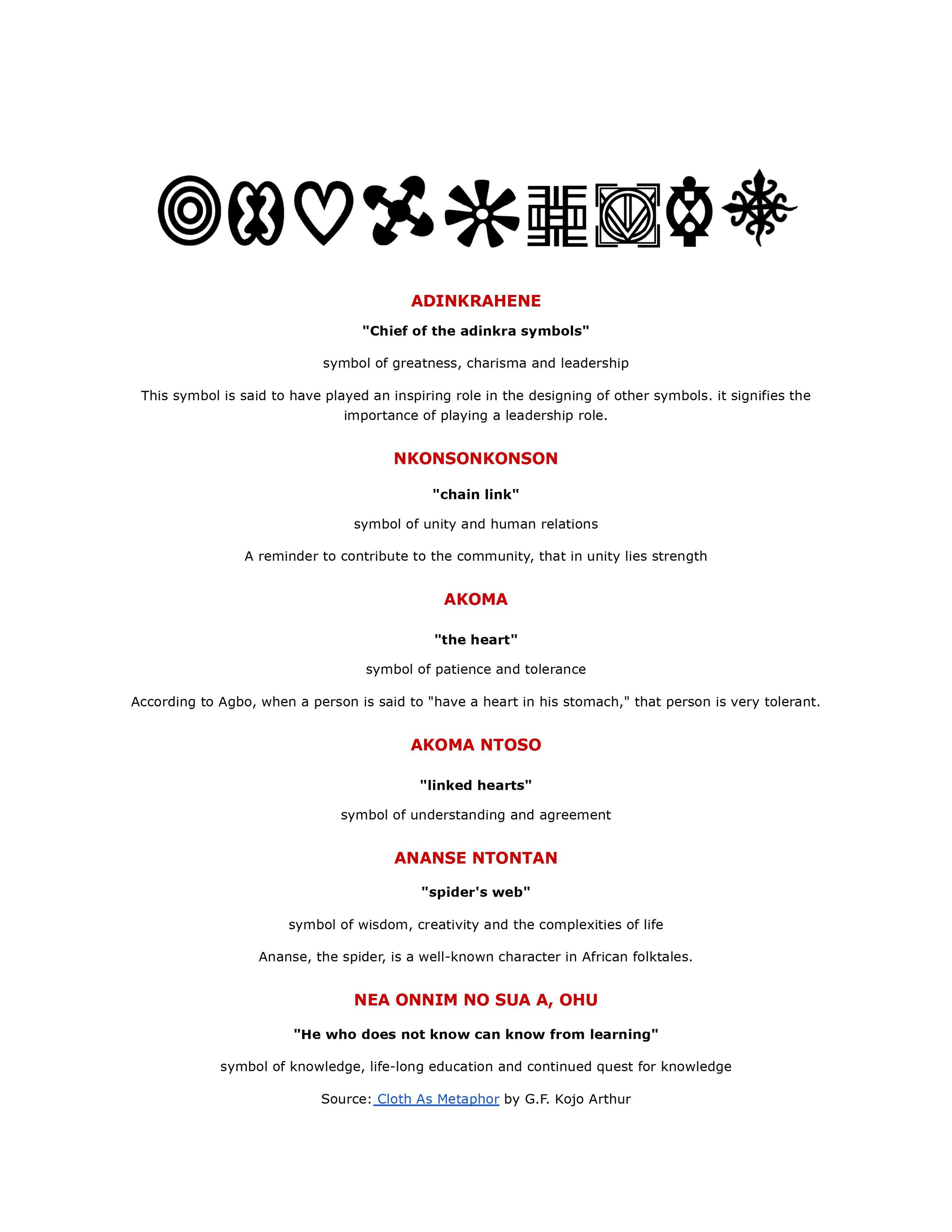
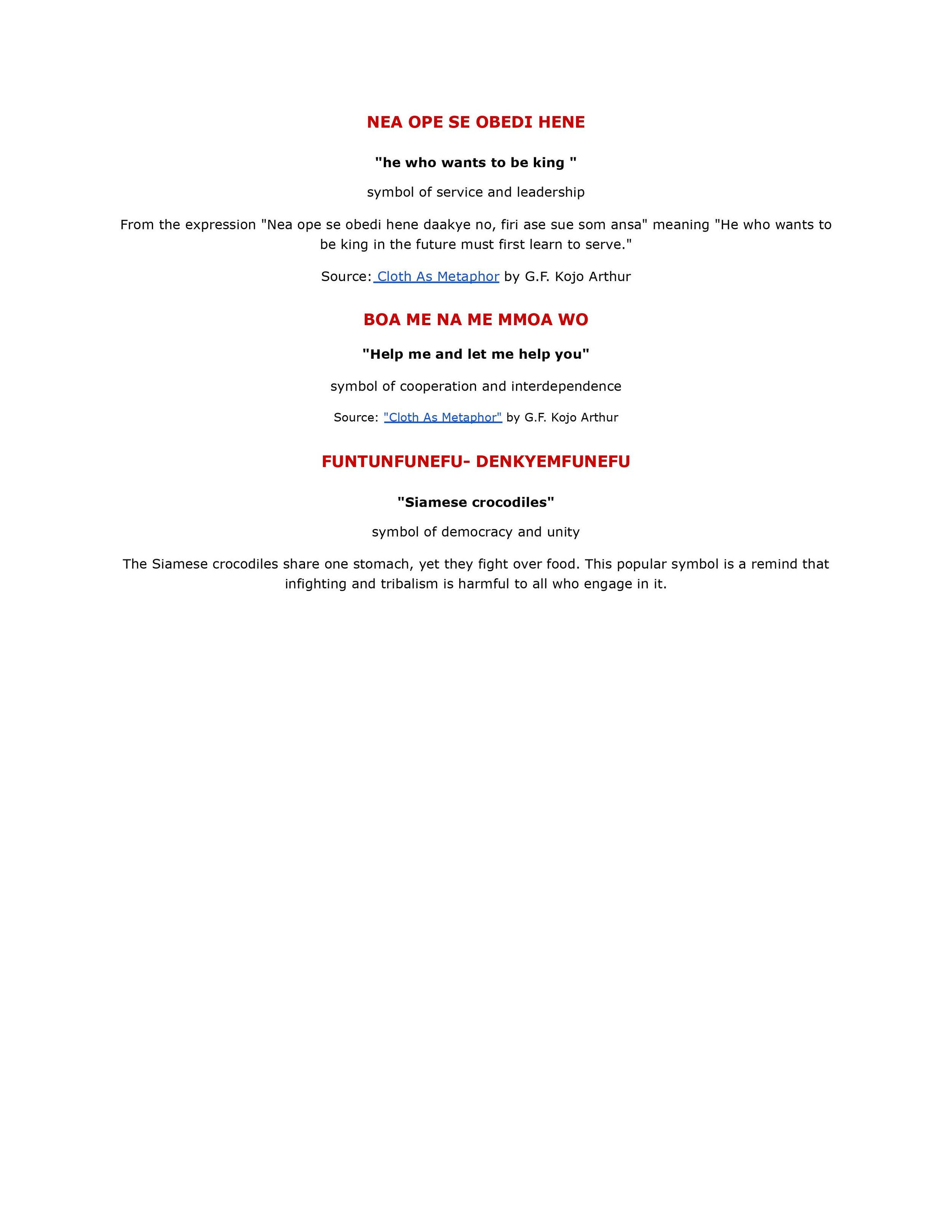
On February 24, 2023, BBHAGSIA President Siphiwe Baleka joined lawyers, scholars and activists from around the world at the 9TH ANNUAL GENOCIDE AND HUMAN RIGHTS RESEARCH CONFERENCE held at Northeastern Illinois University in Chicago, IL. According to Mr. Baleka,
“While genocide has and is being committed against Afro Descendants in the United States, as a legal strategy to secure reparatory justice, genocide campaigns have not succeeded. No case has yet been brought before the International Court of Justince (ICJ) on our behalf. However, due to new dna testing technology and genealogy research, it is now much easier to prove that ethnocide has been committed at both the individual and group level and this is generally accepted by the international community. Therefore, we should switch from genocide campaigns to ethnocide campaigns in international forums and especially at the ICJ. It’s a much better strategy.”
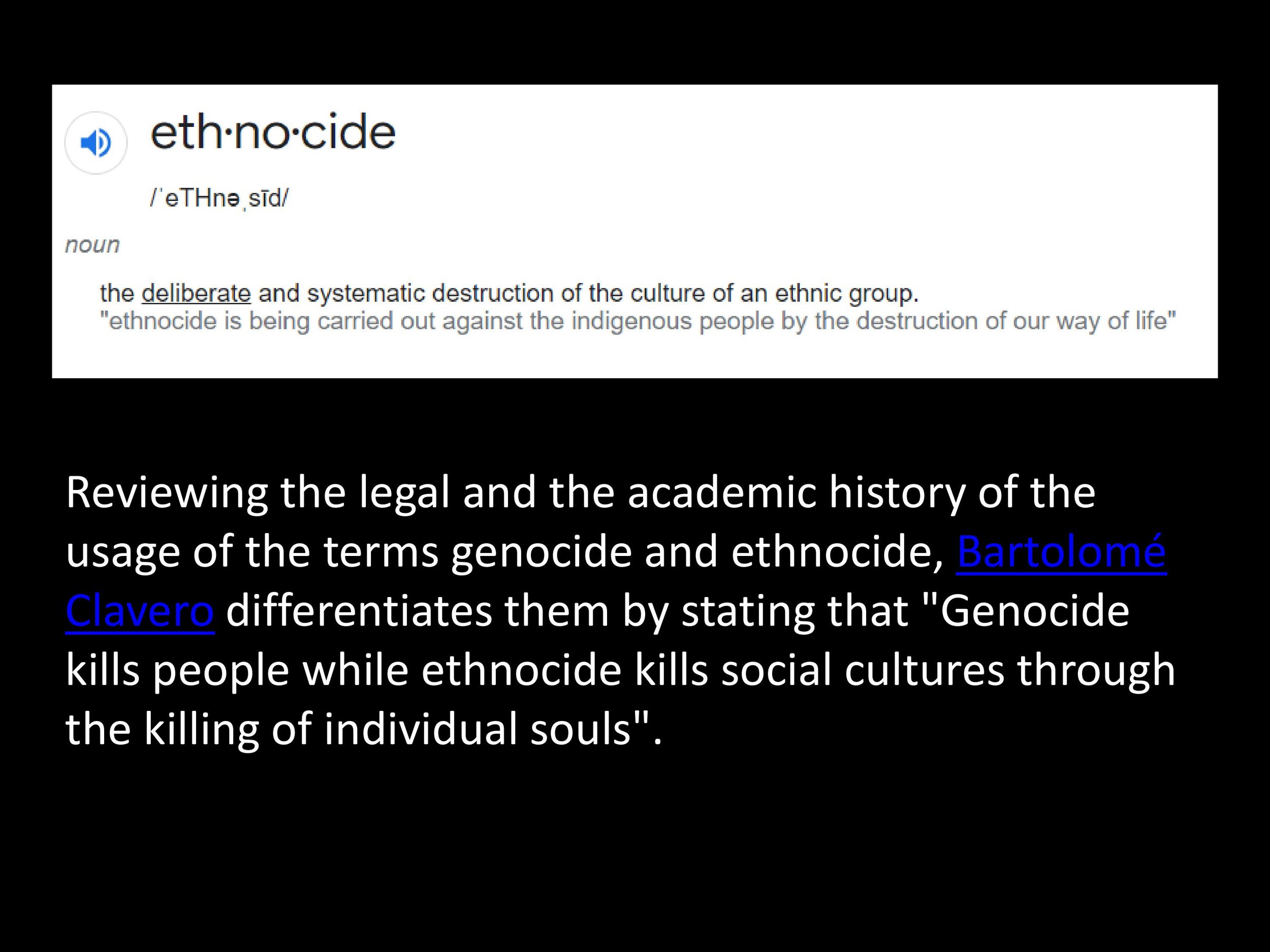
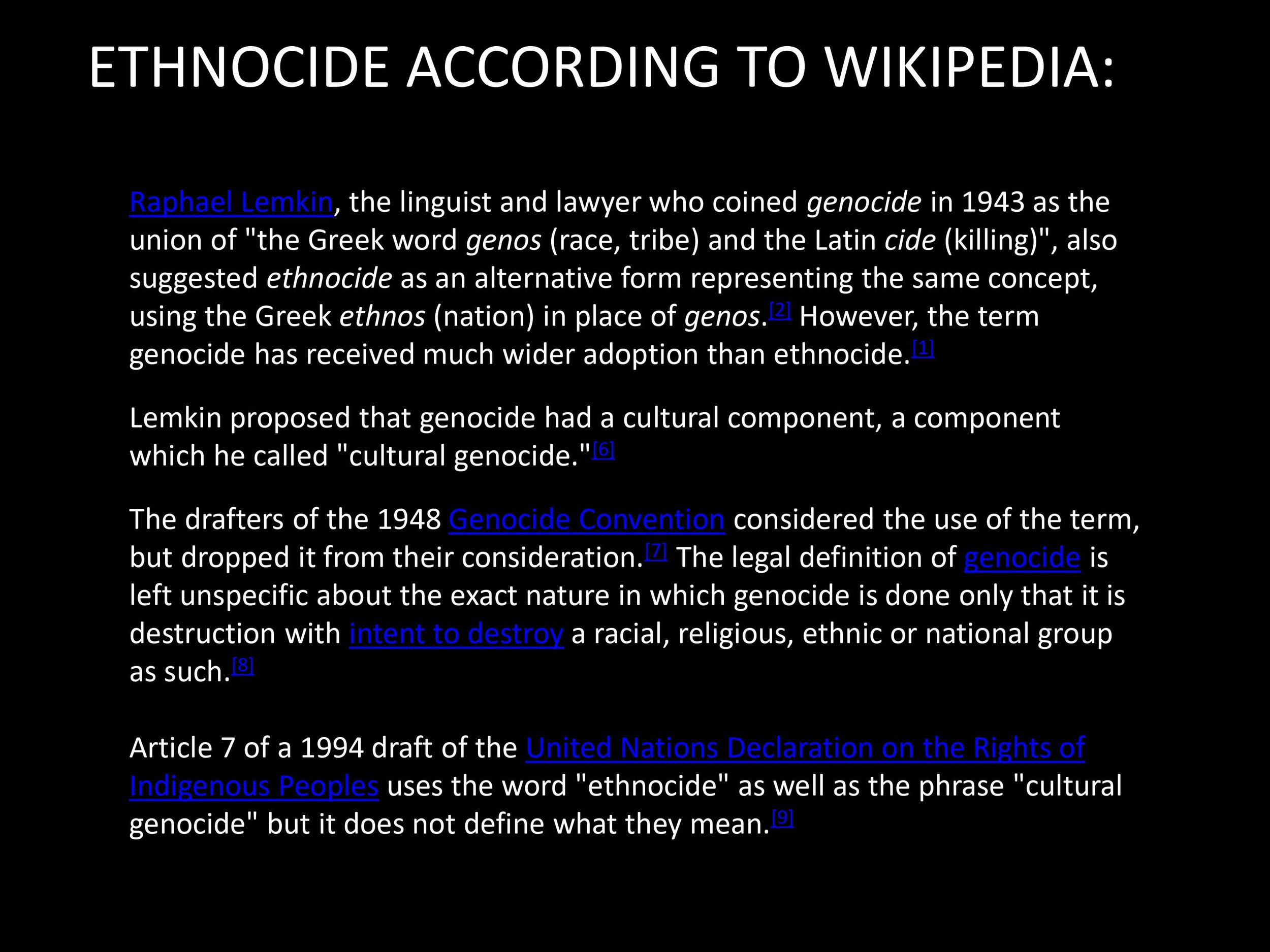
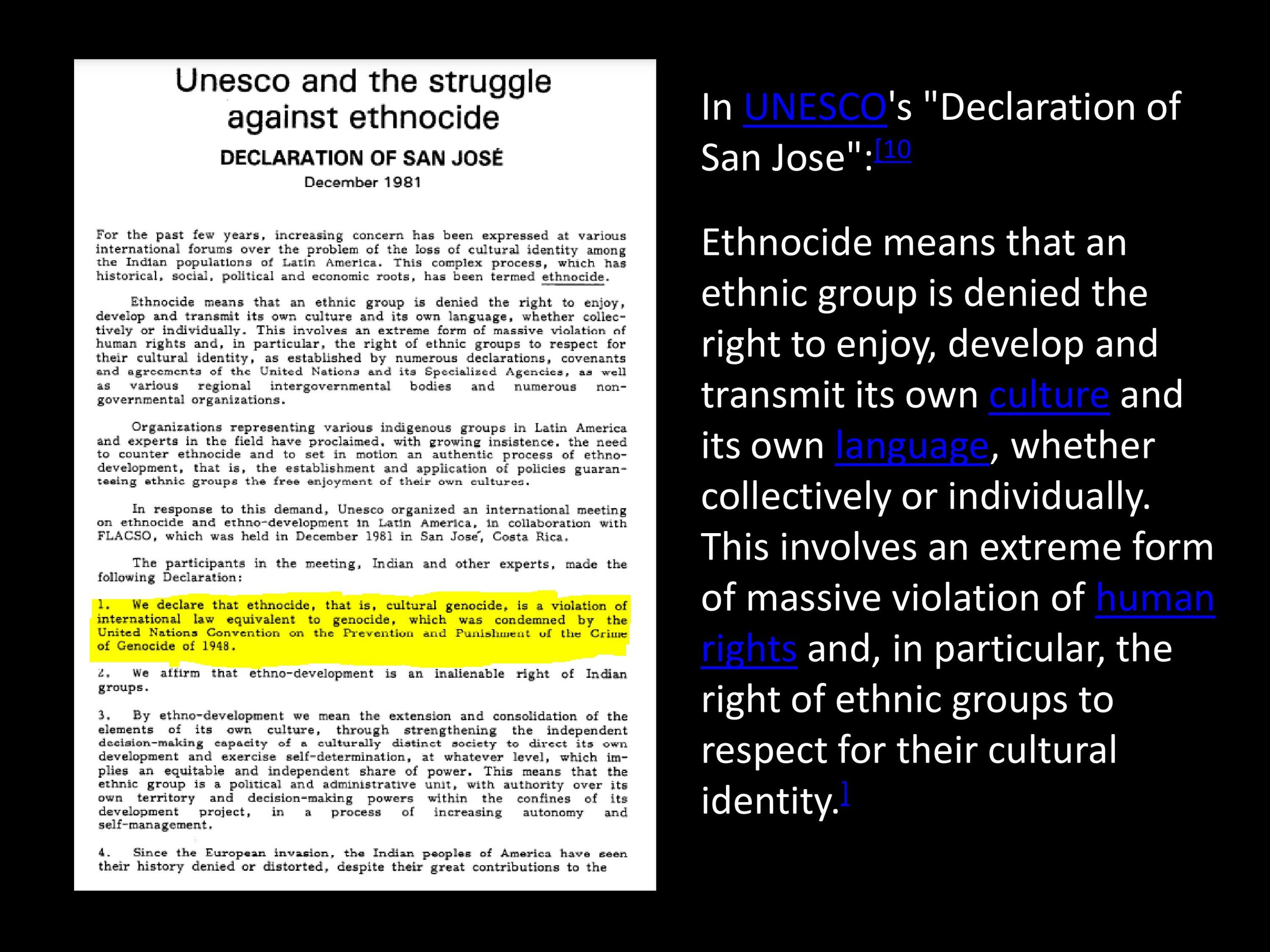
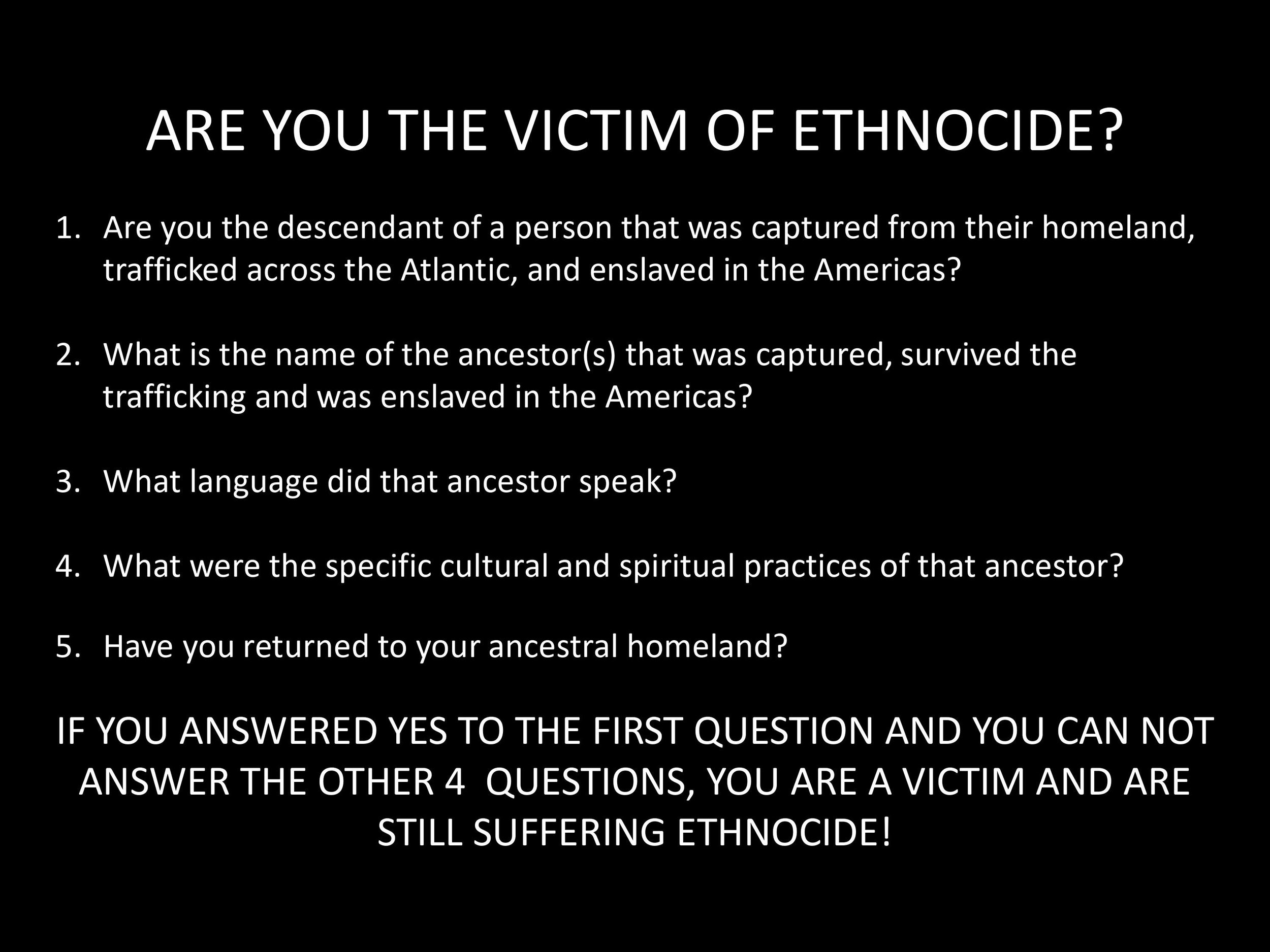
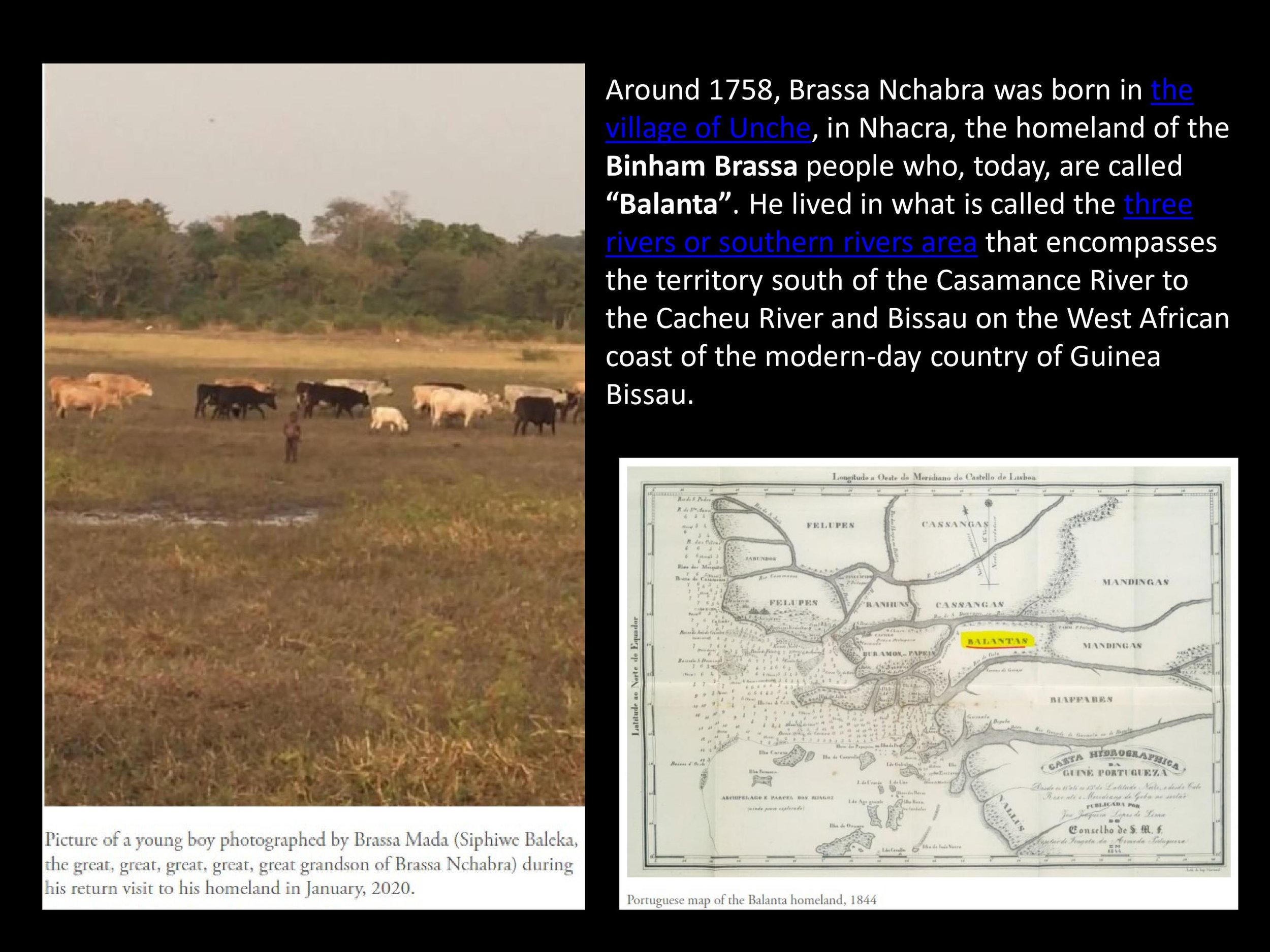
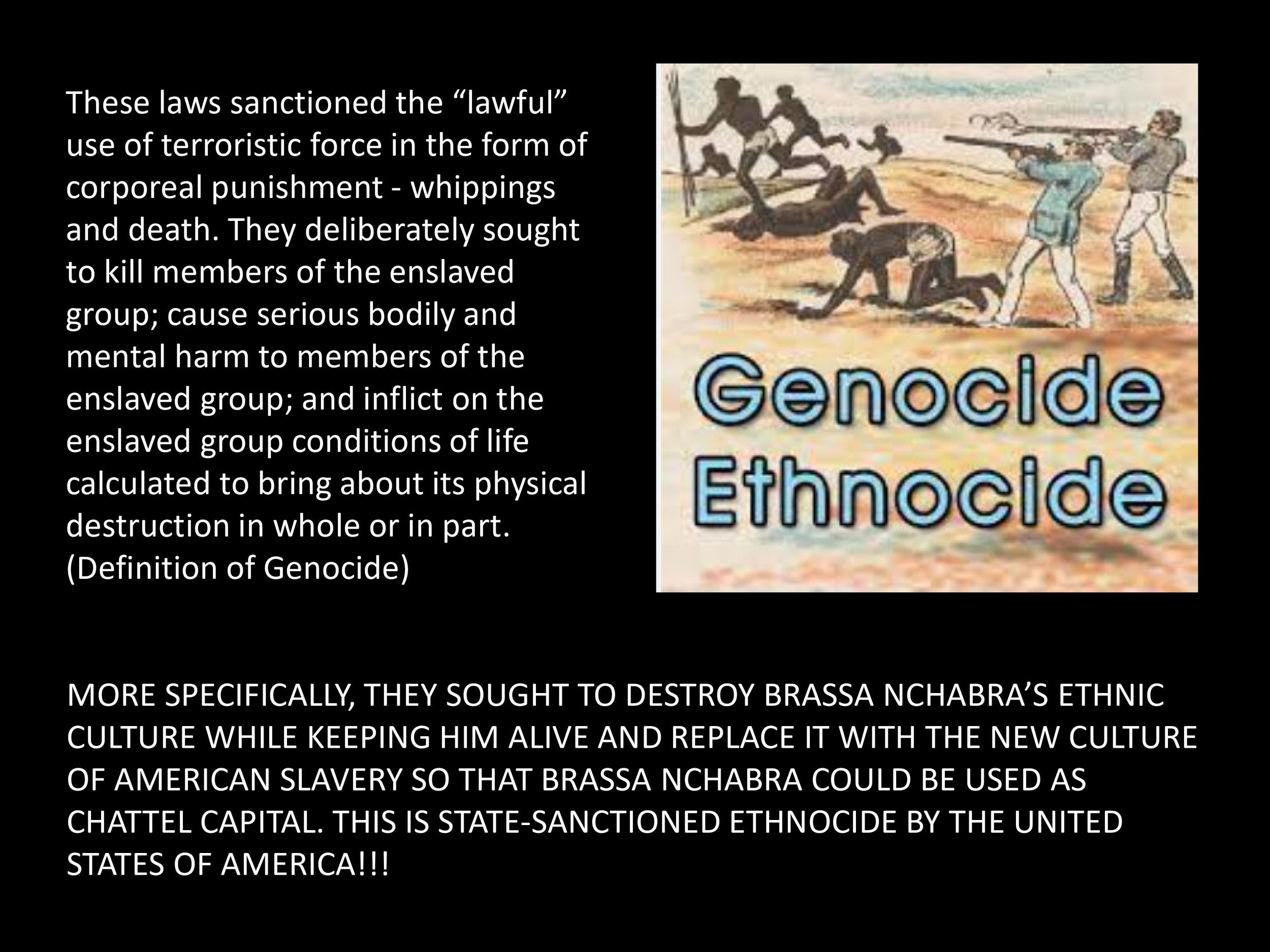
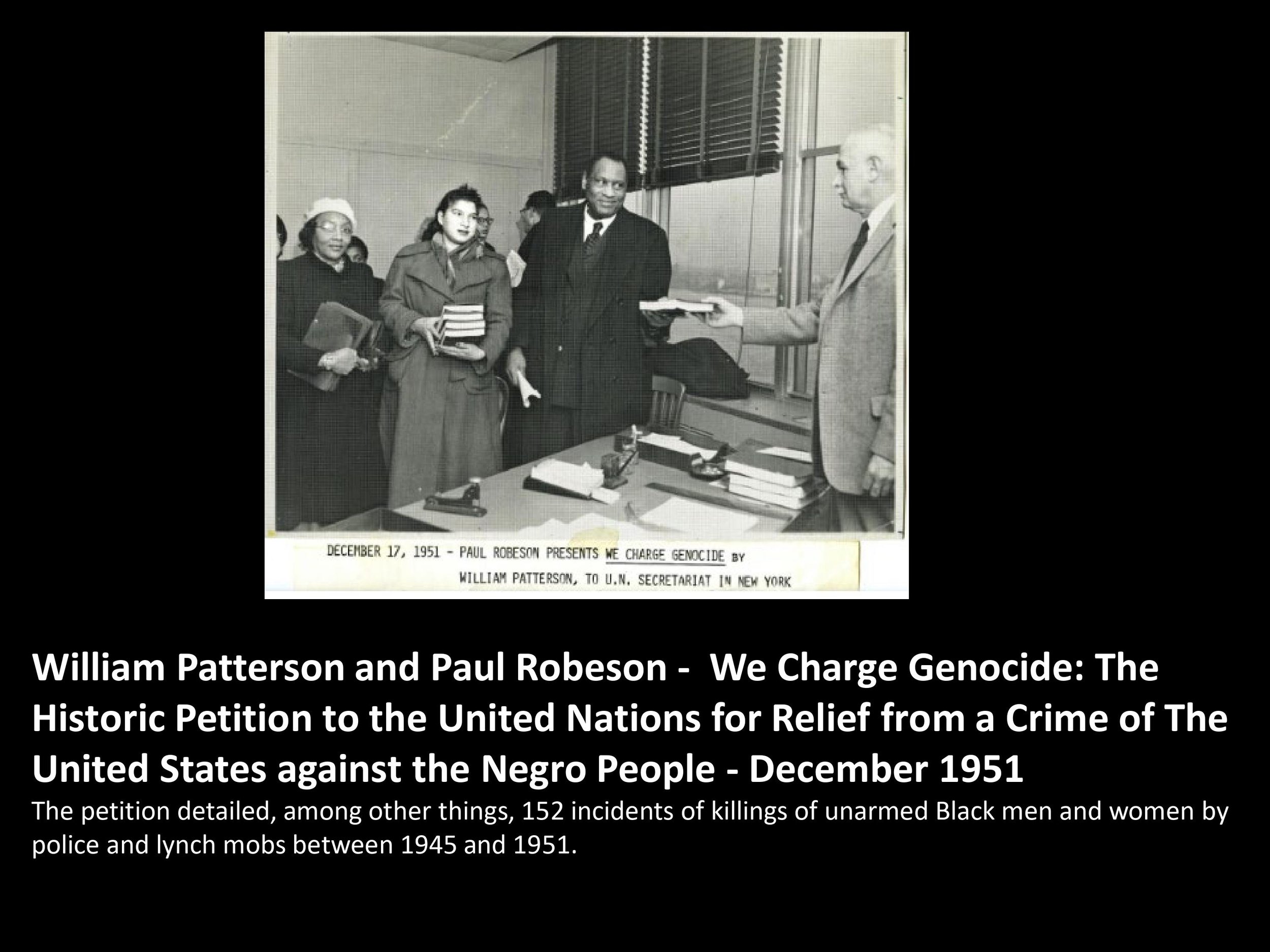
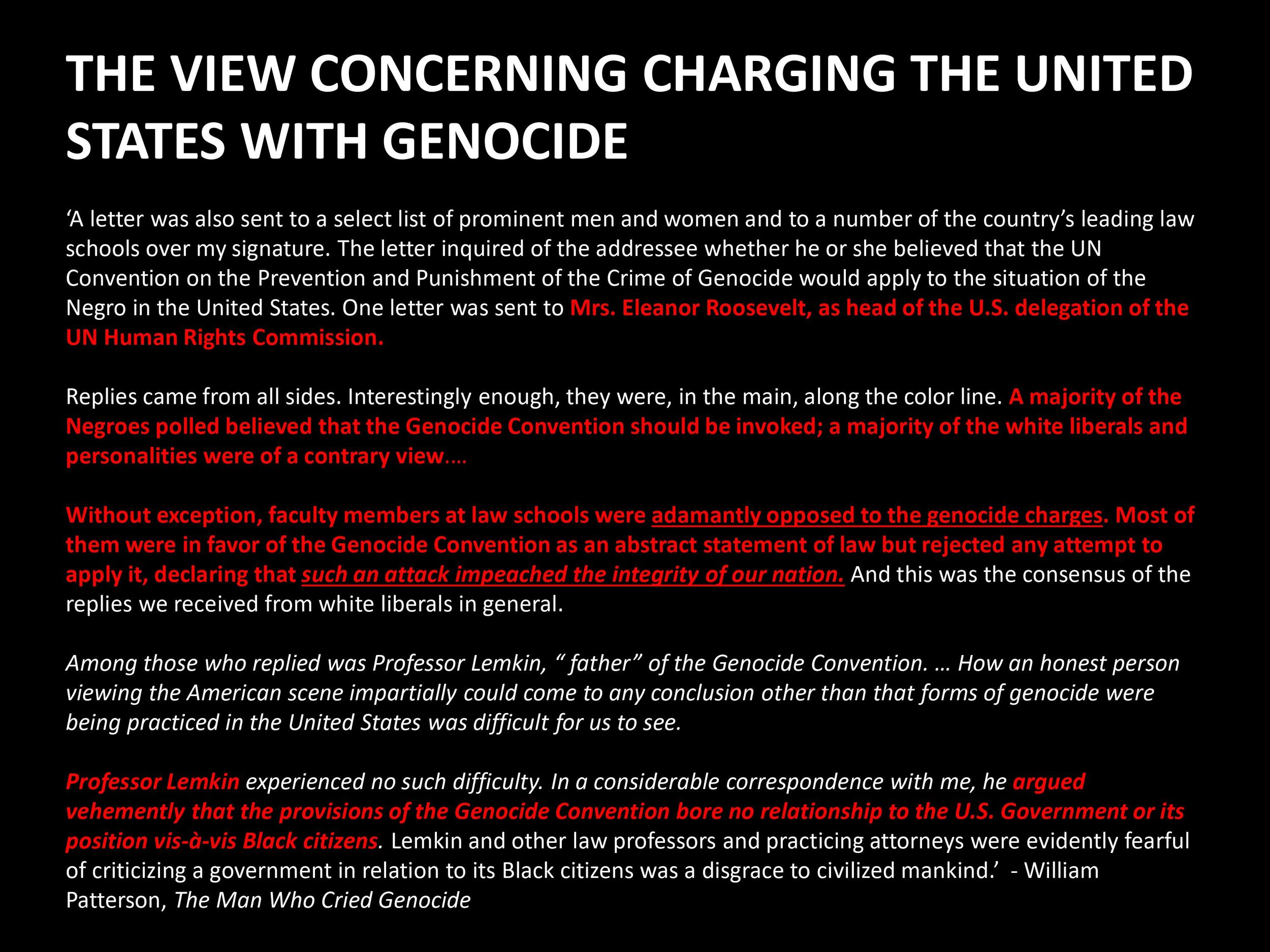
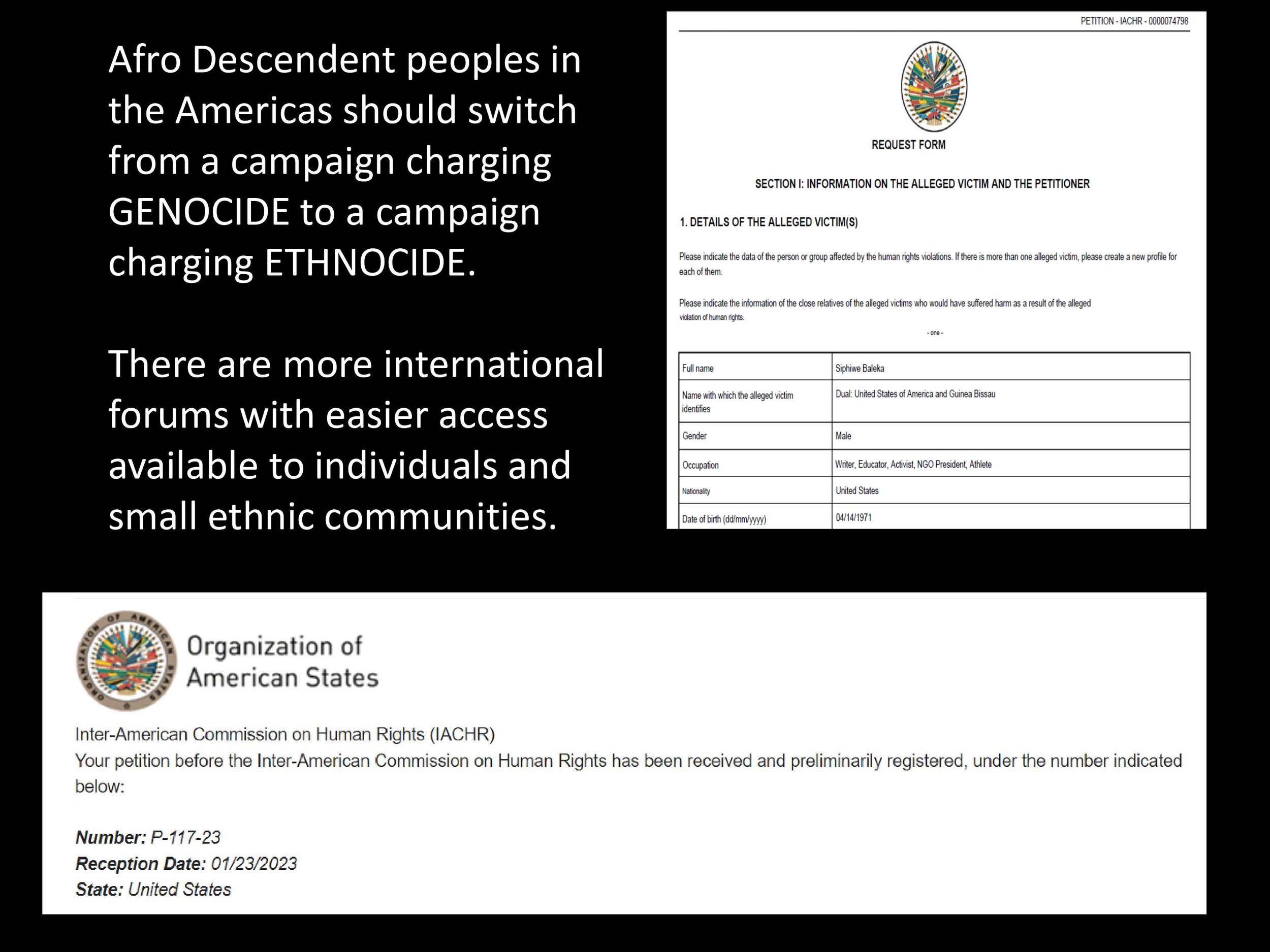
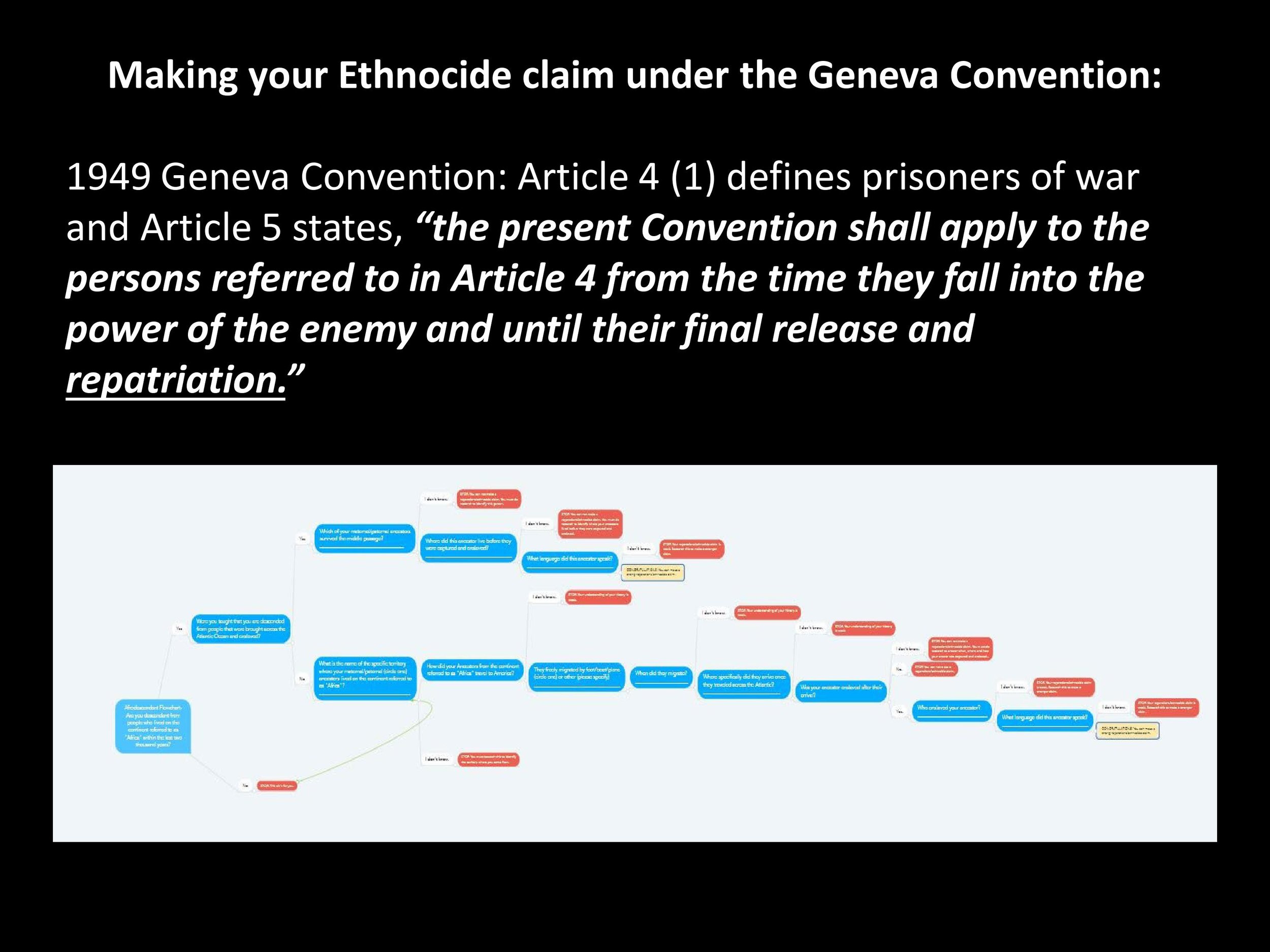
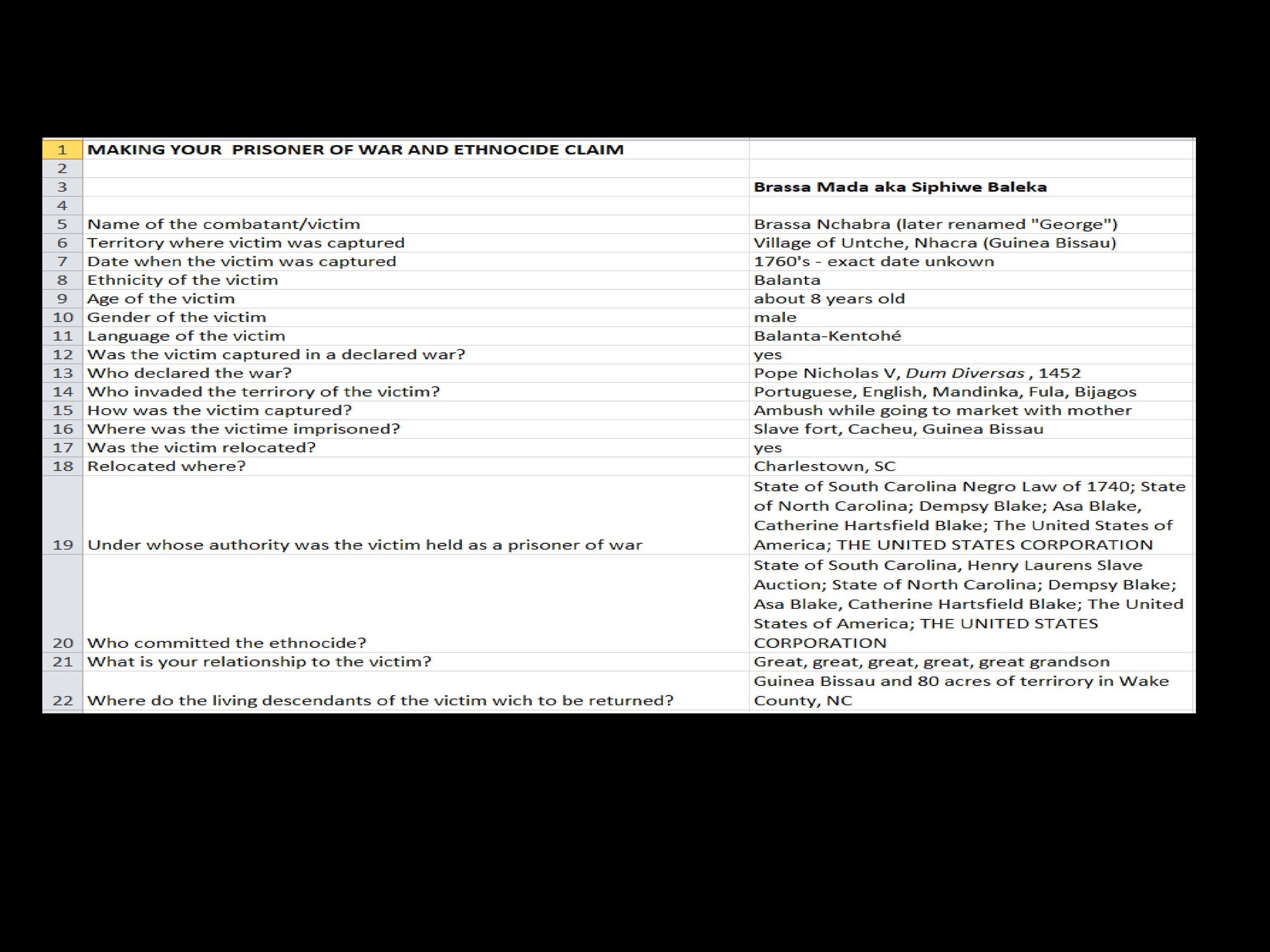
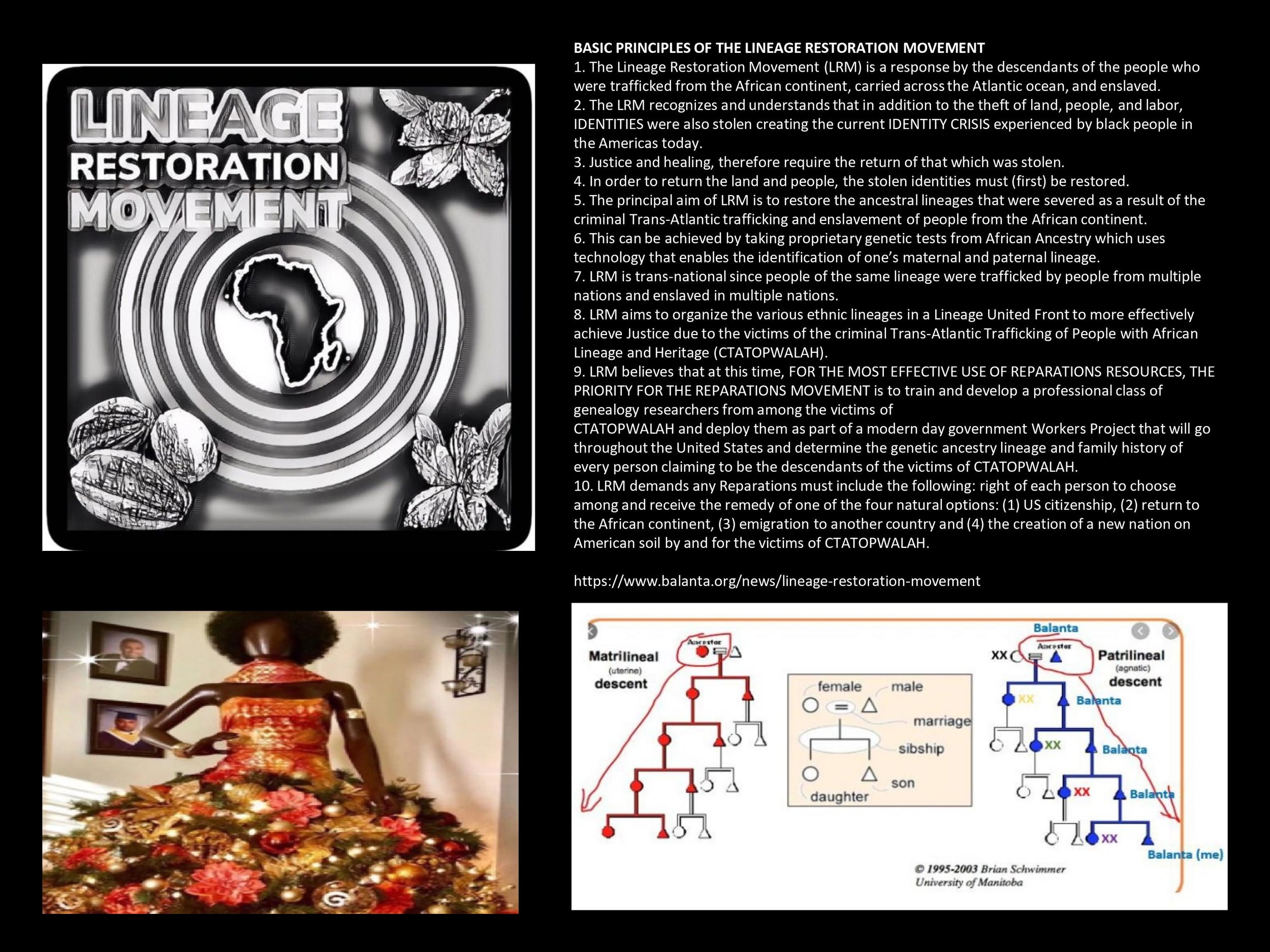
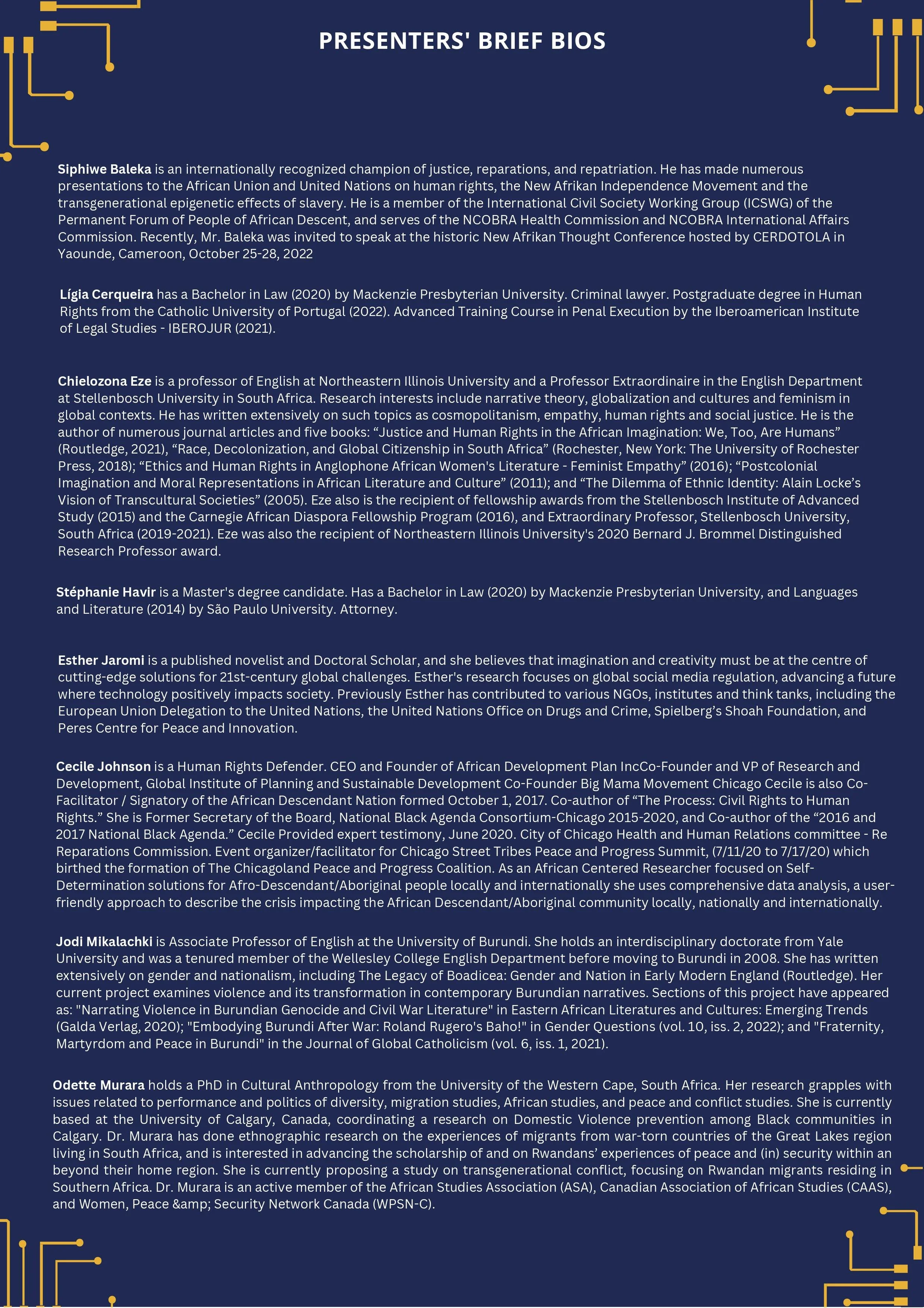
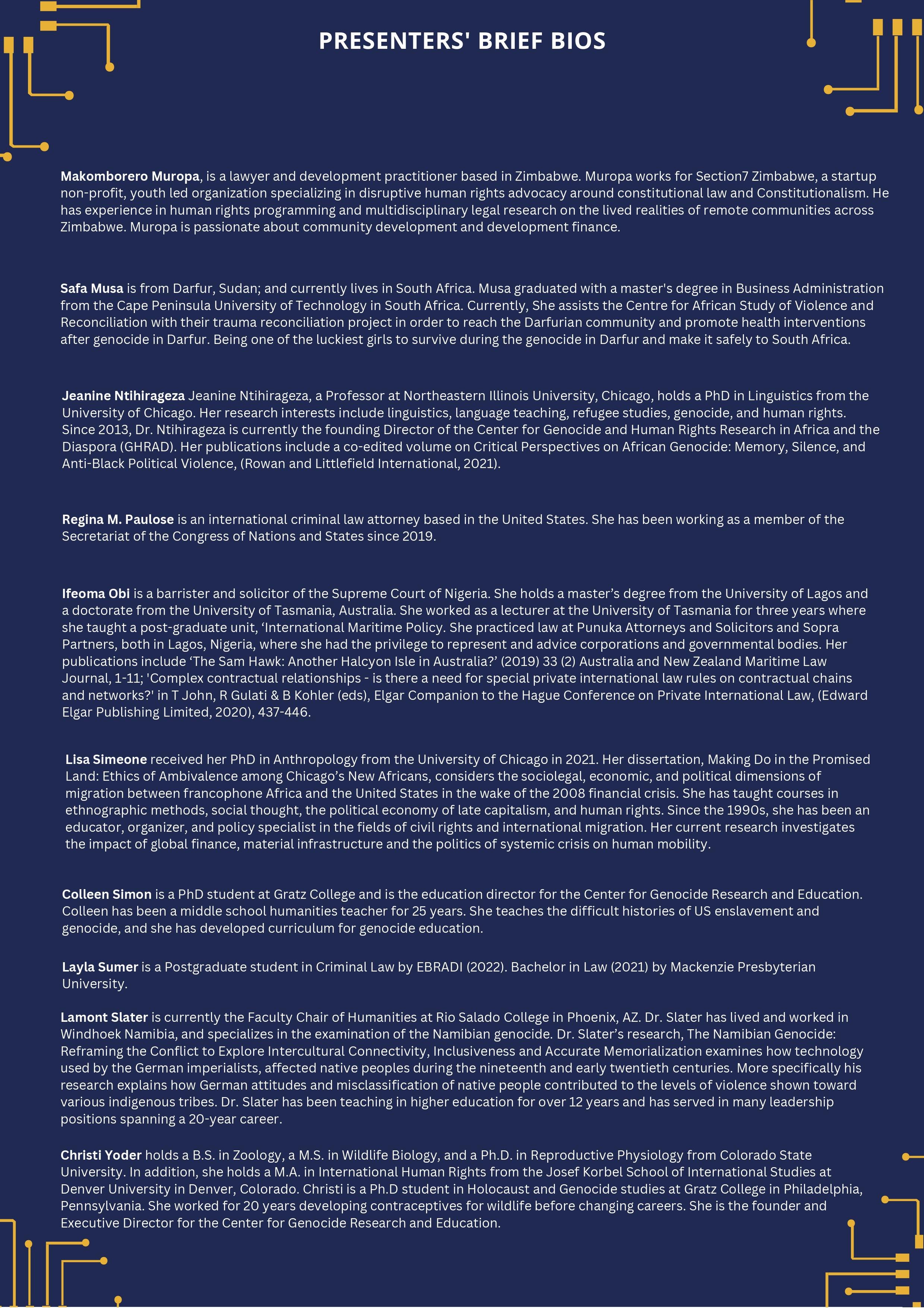

*************************************************************************************************

*************************************************************************************************
Please endorse the Mandate by completing the form below and circulating widely
After taking the floor at the First Session of the Permanent Forum on People of African Descent (PFPAD) on December 6, 2022, Siphiwe Baleka, President of the Balanta B’urassa History & Genealogy Society in America (BBHAGSIA) said
“we call on this Forum to vigorously request an advisory opinion from the International Court of Justice on our status as prisoners of war under the Geneva Convention as well as our right to conduct plebiscites for self determination including the right to secede from the jurisdictions of colonial successor states in the Western hemisphere and form our own independent governments.”
At that moment, on behalf of people of African Descent, Mr. Baleka invoked the mandate of the PFPAD “To request the preparation and dissemination of information by the United Nations system on issues relating to people of African descent . . . .”
In his closing remarks to the First Session entitled “Reparatory Justice and Sustainable Development: A Way Forward?”, PFPAD member Michael McEachrane stated,
“We, the Members of the Forum,. . . propose that the legal and institutional grounds for pursuing reparatory justice at the UN be examined to both clarify the possibilities of pursuing reparatory justice at the UN and the International Court of Justice . . . .”
The International Court of Justice (ICJ) states on its website,
“Since States alone are entitled to appear before the Court, public (governmental) international organizations cannot be parties to a case before it. However, a special procedure, the advisory procedure, is available to such organizations and to them alone. This procedure is available to five United Nations organs, fifteen specialized agencies and one related organization. . . . Advisory proceedings begin with the filing of a written request for an advisory opinion addressed to the Registrar by the United Nations Secretary-General or the director or secretary-general of the entity requesting the opinion.”
UN Charter Article 96 states:
1. The General Assembly or the Security Council may request the International Court of Justice to give an advisory opinion on any legal question.
2. Other organs of the United Nations and specialized agencies, which may at any time be so authorized by the General Assembly, may also request advisory opinions of the Court on legal questions arising within the scope of their activities.
Further, Resolution 75/314. Establishment of the Permanent Forum of People of African Descent emphasizes the opportunity for “the implementation of the Durban Declaration and Programme of Action” and the CHAIRPERSON’S PREPARATORY DOCUMENT FOR THE DRAFT UNITED NATIONS DECLARATION ON THE PROMOTION AND FULL RESPECT OF THE HUMAN RIGHTS OF PEOPLE OF AFRICAN DESCENT states,
“Reaffirming that the Durban Declaration and Programme of Action, adopted in 2001, and the outcome document of the Durban Review Conference, adopted in 2009, as well as the political declarations on the occasion of the tenth and twentieth anniversaries of the adoption of the Durban Declaration and Programme of Action, provide a comprehensive United Nations framework and solid foundation for combating racism, racial discrimination, xenophobia and related intolerance, and reaffirm our commitment to their full and effective implementation;”
Accordingly, the Durban Declaration and Programme of Action (DDPA) states,
“104. We also strongly reaffirm as a pressing requirement of justice that victims of human rights violations resulting from racism, racial discrimination, xenophobia and related intolerance, especially in the light of their vulnerable situation socially, culturally and economically, should be assured of having access to justice, including legal assistance where appropriate, and effective and appropriate protection and remedies, including the right to seek just and adequate reparation or satisfaction for any damage suffered as a result of such discrimination, as enshrined in numerous international and regional human rights instruments, in particular the Universal Declaration of Human Rights and the International Convention on the Elimination of All Forms of Racial Discrimination;”
Finally, The US Government has stated in the Brief in Support of Motion to Quash Indictment for Lack of Jurisdiction Under Article III, U.S. Constitution Brought by the Defendant (Imari Obadele and Gaidi Obadele) that
"the issue of whether black folks now within the United States have ever been converted, in accordance with settled principles of universally established law, into United States citizens, and divested altogether of their original foreign African nationality". . . . "is a matter of law."
The recognition that the question must be settled in accordance with principles of universally established law thereby requires that it can not be answered in any domestic court and must be settled at the ICJ.
Thus, our mandate to the PFPAD to request an advisory opinion from the ICJ rests on a solid institutional basis. As a rule of the ICJ, organizations and States authorized to participate in Advisory proceedings may submit written statements. Therefore, included in this mandate are the following written statements that can serve as an initial basis for assembling all the necessary information about the Afro Descendants’ status under the Geneva Convention:
Siphiwe Baleka Statement to the 1st Session of the UN Permanent Forum on People of African Descent
The African American Case for Independence at the International Court of Justice
The specific claims which require an ICJ advisory opinion are summarized as:
1. 𝐀𝐋𝐋 𝐝𝐞𝐬𝐜𝐞𝐧𝐝𝐚𝐧𝐭𝐬 𝐨𝐟 𝐭𝐡𝐞 𝐩𝐞𝐨𝐩𝐥𝐞 𝐤𝐢𝐝𝐧𝐚𝐩𝐩𝐞𝐝, 𝐭𝐞𝐫𝐫𝐨𝐫𝐢𝐳𝐞𝐝, 𝐭𝐨𝐫𝐭𝐮𝐫𝐞𝐝 𝐚𝐧𝐝 𝐭𝐫𝐚𝐟𝐟𝐢𝐜𝐤𝐞𝐝 𝐟𝐫𝐨𝐦 𝐭𝐡𝐞𝐢𝐫 𝐡𝐨𝐦𝐞𝐥𝐚𝐧𝐝𝐬 𝐨𝐧 𝐭𝐡𝐞 𝐀𝐟𝐫𝐢𝐜𝐚𝐧 𝐜𝐨𝐧𝐭𝐢𝐧𝐞𝐧𝐭 𝐚𝐧𝐝 𝐞𝐧𝐬𝐥𝐚𝐯𝐞𝐝 𝐢𝐧 𝐭𝐡𝐞 𝐀𝐦𝐞𝐫𝐢𝐜𝐚𝐬, known as Afro Descendants in international forums, are prisoners of the declared Dum Diversas War.
2. Afro Descendants owe no allegiance to any Nation’s laws.
3. At the end of the US Civil War, the United States legislated voluntary, compensated repatriation and ceded territory for New Afrikan self-governing territories in pursuit of independence.
4. The assassination of President Lincoln led to a campaign of fraud and terror to deny New Afrikan’s right to return to their homeland, reduce the status of the recently established self-governing territories, and deny the full recognition of the New Afrikan’s political rights.
5. Cyril Briggs, W.E.B. DuBois and Marcus Garvey advocated for New Afrikan self-government and independence, the latter two petitioning the League of Nations for justice and for self determination. The United States, however, refused to sign a special treaty agreeing to the international protection of its internal minorities.
6. The United States failed its sacred trust obligation under the UN Charter Chapter XI Article 73 to promote New Afrikan well-being and to “develop self-government, to take due account of the political aspirations of the peoples, and to assist them in the progressive development of their free political institutions.” It further failed to declare New Afrikan territories as trust territories, under UN Charter, Chapter XII Article 77.1.c trusteeship system.
7. The United States continues to violate the human rights, and in particular, the political rights, of New Afrikan/AfroDescendant peoples by continuing the campaign of fraud and terror limiting their political rights only to citizenship in the United States when it should be honoring its commitments to voluntary repatriation with compensation and recognition of New Afrikan self-governing territories made at the conclusion of the Civil War.
8. The Permanent Forum of People of African Descent (PFPAD) can request a special advisory opinion from the International Court of Justice (ICJ) on the New Afrikan status as prisoners of war under the Geneva Convention and the necessity of holding a plebiscite to determine their collective political destiny.
9. CONCLUSION: The United States territory is an acquisition of legal title by conquest that has been rejected as anachronistic and contrary to the Charter of the United Nations. Afro Descendant/New Afrikan presence on said territory is the result of a declaration of total war and the subsequent “Trans Atlantic Slave Trade” that has been acknowleged as a crime against humanity both now and then. Territorial acquisitions or other advantages gained through the threat or wrongful use of force cannot have legal effect, because international law cannot confer legality upon the consequences of wrongful acts incompatible with the Charter. In such cases, there should be full restitution. To claim that our status is “American citizen” is to confer legality on an acquisition of territorial legal title by conquest, a crime against humanity, and a campaign of fraud and terror by the government of the United States of America (after the assassination of President Lincoln and the 14th Amendment).
10. An ICJ opinion that descendants of the people kidnapped, terrorized, tortured and trafficked from their homelands on the African continent and enslaved in the Americas are in fact “prisoners of war” until their “final release and repatriation” under the Geneva Convention will provide legal clarity for reparatory justice for all Afro Descendant people.
Endorsed by:
Kenniss Henry, National Coalition of Blacks for Reparations in America (NCOBRA)
Maynard Henry, National Coalition of Blacks for Reparations in America (NCOBRA)
Efia Nwangaza, Malcolm X Center for Self Determination
Nkechi Taifa, Reparation Education Project
Senghor Baye, UNIA-ACL RC2020
Esther Stanford-Xosei, Global Afrikan Peoples Parliament.
Jalil Muntaqim, Spirit of Mandela Committee, National Jericho Movement, the Peoples’ Senate
HE Amb. Rev. KWAME KAMAU, International Civil Society Working Group - UN Permanent Forum on People of African Descent
Marlon Miller, Bahamas National Reparation Committee
Fabien Anthony, Pan-African Council
Kamm Howard, Reparations United
Ade Olaiya, UNESCO Inclusive Policy Lab
Niambi Hall-Campbell Dean, Bahamas National Reparations Committee
Steve Reid, Caribbean Rastafari Organisation Inc.
KWAME-OSAGYEFO KALIMARA, New Afrikan People's Organization/Malcolm X Grassroots Movement
Saikou Ak Jallow, Movement for Social Justice MS-J4 Gambia
June Lewis, IDPAD Coalition UK
Dr. Wade Nobles, Professor Emeritus of Black Psychology and Africana Studies
Kali Akuno, Cooperation Jackson
Miguel Angel Avila Nazareno., Movimiento Federalista Panafricano de América Latina y el Caribe Hispano -MFPA/ALCH-Ecuador.
Morgan Moss JR, Ubuntu National & International Trade & Education (UNITE)
Nina Womack, Transmedia 360
Camara Jules P Harrell, Howard University Department of Psychology
Augustin F C Holl, Xiamen University, China
Patricia Silva, Stichting Black Matters, the Netherlands
Renate Brison, Pro Soualiga Foundation, St. Martin
Jami Luqman, New Afrikan Network 519 Association
Tafari Thompson, The Ethiopia Africa Black International Congress, Bahamas
Mickey Bowe, House Of Rastafari Bahamas. Ethiopia Africa black international Congress
Darren Crenshaw, Street Salvation Ministries NGO
NZABI MISAMU, DYNAMIC MATONGE, Belgium
Dana Dennard, Aakhet Center For Human Development
Omowale Afrika, Afrikan War College
Mwalimu Kabaila, Presiding Elder, National Black Council of Elders
Cheryl Grills, Loyola Marymount University
NNAMDI Ture, All African People Revolutionary Party
Ashraf Cassiem, Anti Eviction Campaign
Laurel Klafehn, Immigrant Freedom Fund of Colorado
Daïana GOMES, RepatBissau
Eric Phillips, Guyana Reparations Committee
Dawn Demeritte, The Bahamas National Reparation Committee
Woody Carter, Bay Area Black United Fund
Kevin Washington, Grambling State Univeversity/Roots Afrika
Kandace Walker, Sojourner Enterprise
Confidence Okeke, UNIAACL-EACL
John Ratcliff, Attorney at Law (retired)
Melvin Robinson, Original Flavor ~ Omega Psi Phi Fraternity, Inc. (Eta Nu Nu & Iota Psi Chapters) ~ Artists4AfricA ~ New Harvest Urban Arts Center ~ All Revolutionary Qulture Liberation Lab
Ikemba Agulu, Malcolm X Grassroots Movement
Kwasi Akwamu, Obadele Society
Donald Mitchell, Osa Meji Temple
Elsie Gayle, Mothers and Midwives Together across the Diaspora
MARIE-LYNE CHAMPIGNEUL, Kartyé Lib Mémoire & Patrimoine Océan Indien
Joe Washington, The Nia Foundation
MaryJo Copeland, Racial Reconciliation Group
King Robinson TANYI TAMBE AYUK, AIGC- African Indigenous Governance Council
Davidson Madira, Digital Green Investment Agency (DIGIA)
Olusola Oni, Omo Yoruba Tooto
Sunny Lambe, Building Blocks Initiative
Enpress Judah, Black Community Health Group, UK
Ann-Marie Cousins, Greenwich African Caribbean Organisation (GACO)
Niamo Muid, The HealMobile
Alex Richards, Collectivité d'Outre Mer de Saint-Martin
Dorbrene O'Marde, Antigua and Barbuda Reparations Support Commission
Kevin Edwards, African Diaspora Development Institute (ADDI), Antigua
Edison Marqués Cortez, Asociación de la Unidad Afroamericana (AUAA), Ecuador
Marion Thandabantu Iverson, Independent Labor & Human Rights Educator
Tongo Eisen-Martin, Black Alliance for Peace
Teniqua Pope, Black Alliance for Peace
Michelle McCormick, Cooperation Vermont
GARNET KING, BLACK RIDERS LIBERATION PARTY
CF WHITE, Educational Training Consultants
Melanie Bush, May First Movement Technology +++
Evelyn Johnson, United Black American Progress Association
Betty Davis, New Abolitionist Movement
Krishna Daly, Black alliance for peace
Aleta Toure, Parable of the Sower Intentional Community Cooperative
Ashaki Binta, NBLM National Unity Initiative
Netfa Freeman, Pan-African Community Action (PACA)
Angaza Sababu Laughinghouse, NC Public Service Workers Union-UE LOCAL 150 and Black Workers For Justice
Kimberly Monroe, Pan-African Community Action
Pamela Dominguez, Reborn From Authentic Roots
Tyari Heard, BAP
Zizwe Tchiguka, All African People's Revolutionary Party
Matt Meyer, International Peace Research Association
Gabriel Dzodom, Black Alliance for Peace
Gus Griffin, Ujima People's Progress Party
Claire M. Cohen, Pittsburgh Black Workers Center
Cleo Silvers, Radical Elders
Jermaine St. Rose, Ethiopia Africa Black International Congress Church of Salvation - Barbados/Ethiopia
Larsene Taylor, BWFJ
Aisha Mohammad, Oakland Jericho
Joya Brandon, Osha N’ile
Maryse Isimat-Mirin, Ass. Bien-être et Éducation
G. Eveta Morrison, The Ethiopian World Federation, Incorporated
Victoria Jenkins, NABWS
Vanessa Sparks, United African Coalition for Human Rights
Anjel Clark, IDIA
Allendy Decopin, The Black Alliance for Peace
Christopher Buchanan El, Parliament Organics - non-profit
Rasheed Van Putten, Pan-African Community Action
Harold Welton, Coalition To Free Ruchell Magee.org
Ellen Rollins, NAJLCA.org
Charles Hill, Soarase Inc.
RALPH POYNTER, LYNNE STEWART ORG. & NEW ABOLITIONIST MOVEMENT
Kade Griffiths, Spectre Journal
Tejvir Grewall, KPFK 90.7FM
Curtis Murphy, Fihankra Ghana
Judah Bouguila, The Observatory to defend the right to difference Tunisia
Sanyika Bryant, Malcolm X Grassroots Movement
Gwendolyn Hallsmith, Global Community Initiatives
Evan Wright, Black Alliance for Peace
Kazembe Balagun, Independent Scholar Activist
Sean Fabien, Cooperation Jackson
Elaf Alnayer, Pan African Forum-Sudan Sudan
Avani Pisapati, Lehigh University
Molefi Askari, Ubuntu Institute for Community Development
Priscilla Ferreira, Collective Diaspora-Brazil
Eleanor Finley, University of Massachusetts, Amherst
Michael Guynn, THE GUYNN FAMILY FOUNDATION
Kevin Collins, Roots in Guinea Bissau
Afia Khalia Kodua, Black August of L.A.
Egbert Higinio, The Garifuna Nation
Jeanne Ayivorh, RRG
Egbert R Higinio, President The Garifuna Nation
Robin Benton, ICSWG PFPAD
Liz Millman, Learning Links International UK
Garrick Prayogg, Cultural Diversity Network UK
Khalifa Losene Dunor, United African Organization For Literacy Development UAOLD Liberia
Asundep Ntui, AFRICAN DIASPORA DEVELOPMENT INSTITUTE
and many more!
Add your name and organisation to the list that will be regularly updated until March 31!
Siphiwe Baleka with H.E. Ambassador Arikana Chihombori-Quao and Damian Cook, ADDI Vice President, February 12, 2023
Later this year, the government of Zimbabwe will be hosting the “8th Pan African Congress Part 1”. More than 800 delegates from the African Diaspora and Africa will convene for the sole purpose of further establishing the AU 6th Region and creating a comprehensive African Diaspora Citizenship Policy for the African Union. The initiative comes from Uganda President Yoweri Museveni and Her Excellency, Ambassador Arikana Chihombori-Quao, the former AU Ambassador to the United States who has become a voice and champion of the African Diaspora and the African Union 6th Region. Many grassroots Pan African activists are asking questions about the event which I have addressed in the article From the 8th Pan African Congress in 2014 to the 8th Pan African Congress in 2023.
As the Chairperson of the Congress Agenda Steering Committee, I would like to say a few things in hopes of rallying the entire African Diaspora to a most historic moment.
Twenty years ago, on February 4th, 2003, I was the sole representative of the African Diaspora in attendance at the First Extra-Ordinary Summit of the Assembly of the African Union meeting in Addis Ababa, Ethiopia. That summit adopted the historic Article 3(q) that officially, “invite(s) and encourage(s) the full participation of Africans in the Diaspora in the building of the African Union in its capacity as an important part of our Continent.” From this decision, the African Diaspora would eventually become designated as the 6th Region of the African Union.
The AU 6th Region Education Campaign was launched in 2006 which attempted to organize the African Diaspora to begin working within the African Union as its 6th Region to create the “Africa We Want.” Our original task was to organize ourselves and elect twenty representatives to the AU Economic, Social and Cultural Council (ECOSOCC) that was designated for African civil society participation within the African Union. Until now, those elections have not been concluded and those positions have never been filled. It should be recalled that inclusion in ECOSOCC was only meant to be the first step in becoming full partners in the African Union and the development of our motherland.
As many people remember, H.E. Ambassador Arikana Chihombori-Quao was removed from her position as the AU Ambassador to the United States at a time when she was fiercely exposing the neo-colonialist exploitation against African people. Her three-year tenure, however, gave her the experience and insight into what needed to be done in order to unite the African Diaspora to take its place at the table inside the African Union.
Now is the moment to implement what I am calling Ambassador Chihombori-Quao’s “Get the Keys Strategy”. Instead of shouting from outside the African Union about a broad host of issues, now is the moment when the African Diaspora can accomplish two objectives: first, establish a continental diaspora citizenship policy that will create four pathways based on investment, work, residency and/or dna under the principle of the “Right to Return”. The four pathways, taken together, allows for every African Diaspora to obtain citizenship to the country of their choice or ancestry regardless of one’s circumstances. The second objective is to establish the equality of the AU 6th Region with the other five regions within the African Union by establishing Ambassadors at the AU Permanent Representatives Council (PRC) and throughout all the other AU organs and establishing an AU 6th Region Headquarters outside of Africa. This is the LIMITED OBJECTIVE of the upcoming Pan African Congress in Harare, Zimbabwe and will open the door for the African Diaspora to physically enter the continent and to administratively begin to assist in governing the continent.
After spending five days in intense strategy sessions with Ambassador Chihombori-Quao, it is my firm belief that her “Get the Keys Strategy” is the historical imperative of the moment. The entire African Diaspora must rally behind this.
As my article highlights, there are contradictions and differences within the African Diaspora. However, this is the moment we must exercise our understanding that unity does not require homogeneity, but it does require solidarity of purpose.
The previous Pan African Congresses had a much broader agenda with differences of opinion. The upcoming Congress has a limited agenda, thus breaking with tradition in order to achieve a result that the entire African Diaspora desires: citizenship in our ancestral homeland. Again, this can be achieved now, but only if we come together and perform well.
There will be some conflict over the Congress’s connection to Ugandan President Yoweri Museveni. There may be arguments over whether or not the Congress should be called the 8th PAC, the 9th PAC or even be called a PAC at all. Some veterans of the Pan African movement may feel slighted that, until now, they were not consulted from the start. And perhaps there may be many more objections.
What is important, however, is that we now have a Champion who knows what to do and how to do it. Ambassador Chihombori-Quao has support from current and past African Presidents who are ready to move the needle IF we come together and unite under a congress that is truly representative of the entire African Diaspora. The Congress’s Harare Declaration that includes the African Diaspora Citizenship Policy recommendations will then be submitted by the President of Zimbabwe to the African Union General Assembly in July for adoption. The stronger the unified support of the Congress, the more likely the African Diaspora Citizenship Policy will be accepted by the African Union. Therefore, we must put aside all other concerns to achieve this objective. All Pan Africanists, heed the call.
During the next seven weeks leading up to the Congress, there will be open Preparatory Meetings each Saturday to debate and contribute input on each of the specific Agenda items. All Pan Africansits and African Diasporans are invited to make this the most inclusive Pan African Congress in history. If you agree, please register your name and organization below.
Siphiwe Baleka, Coordinator, Chairperson of the Congress Agenda Steering Committee
Pathway 1: Investment
Citizenship granted anywhere in Africa to African Diasporans who have bought a home, started a business, or invested $100,000 to $200,000 in one way or another in the country of their choice.
Pathway 2: Work
Citizenship granted anywhere in Africa to African Diasporans who have worked for three years in the country of their choice.
Pathway 3: Residency
Citizenship granted anywhere in Africa to African Diasporans that have lived in the country of their choice for three years. For example, students, researchers, NGO workers, etc.
Pathway 4: DNA/ Right to Return
Citizenship granted to a specific country to African Diasporans that have taken an African Ancestry DNA test and have either a maternal or paternal African lineage.
Pathway 5: Retirement
Citizenship granted anywhere in Africa to retirees upon submission of qualifying information
Diaspora Pan African Capital Fund
$100 a month from 1 million African Diasporans (0.4% of the African Diaspora population) is $100 million a month. That’s $1.2 billion a year and $6 billion in five years. Investment through the fund qualifies for citizenship through Pathway 1. At maturity, money is deposited in a bank in the country of choice.
Diaspora Pan African Bank
We need a bank that can monetize gold. Currently only 2 foreign owned banks in Africa can do this. Remittances to go through this bank.
Diaspora Preferential Investment Pathway for International Contracts
Diaspora to receive 3 to 6 month exclusive right to bid on all International Contracts. Waived or reduced fees for registering a company or for acquiring permanent residency.
Explanation of the African Union Five Regions
The Five Regions participation in the AU organs.
Definition of the Diaspora
The African Union defines the African Diaspora as "Consisting of people of African origin living outside the continent, irrespective of their citizenship and nationality and who are willing to contribute to the development of the continent and the building of the African Union."
AU 6th Region Ambassadors to the PRC
The need to make the AU 6th Region equal in function to the other 5 regions through inclusion in all AU organs starting with the Permanent Representatives Council.
Establishment of AU 6th Region and 9th REC Headquarters
Just as the 5 regions of the AU each have a headquarters within their region, so, too, must the AU 6th Region have a headquarters somewhere within its region such as the Caribbean. Headquarters to be financed by the Diaspora Pan African Fund with construction contributions from EU, OAS, CARICOM, AU and the host country.
Establishment of a Pan African TV and Radio Station/Network
Nearly all organized efforts have a system of propaganda to convert people to their principles and get them to support them. Western Media, especially CNN, BBC, etc. has been and continues to be the highest form of systemic propaganda. That is why it is able in a major sense, to control the mind of the people of the world.Therefore, we must organize our propaganda to undo the propaganda of other people through a Pan African TV and Radio network that can rival CNN, BBC, etc.
TOWARDS THE 8TH PAN AFRICAN CONGRESS PART 1: LESSONS FROM THE 6TH PAC AND 7TH PAC
From the 8th Pan African Congress in 2014 to the 8th Pan African Congress in 2023
Outcome of the FIRST PREPARATORY MEETING FOR THE 8TH PAN AFRICAN CONGRESS PART 1 IN HARARE, ZIMBABWE
OUTCOME OF SECOND PREPARATORY MEETING FOR THE 8TH PAN AFRICAN CONGRESS PART 1 IN HARARE, ZIMBABWE
5TH PREPARATORY MEETING FOR THE 8TH PAN AFRICAN CONGRESS PART 1: DEFINITION OF THE DIASPORA
To join the 8PAC1 Committees, email the Agenda Coordinator, email PAC8.1coord@ouraddi.org