
The following articles, commentaries and reports are excerpted from the five volume, 1,500 page work entitled, COME OUT OF HER, MY PEOPLE! 21ST CENTURY BLACK PROPHETIC FAITH AND PAN AFRICAN DIPLOMACY. According to the book synopsis,
“When the World Trade Center was destroyed on September 11, 2001 – the same day that Ethiopians celebrate New Year’s Day – a few black men in America interpreted this event as the fulfillment of the biblical book of Revelations Chapter 18. Verses 4 and 5 commanded them to “Come out of her, my people, so that you will not share in her sins, that you will not receive any of her plagues; for her sins are piled up to heaven and God has remembered her crimes”. Obediently, Ras Nathaniel organized a mass Repatriation movement and led a diplomatic effort at the African Union on behalf of an estimated one million Rastafarians. There was just six years before the prophecy fulfilled for the Ethiopian Millennium which, on the western Gregorian calendar would begin on September 11, 2007.
In 1619, the first 20 Africans were brought to Jamestown, Virginia. They all had one common desire: return to their home in Africa. In every period since that time to the present, the most learned, respected and courageous of the Africans and their descendants concluded that they must either revolt against their enslavers or find some way to return to their home, the land which the Bible called “Ethiopia”. From this land a Universal Black King would be born with the titles King of Kings, Lord of Lords, Conquering Lion of Judah. Biblical prophets claimed that Princes would come out of her, that Ethiopia would stretch forth her hands, and her scattered, captive children would be brought home. In every period in American history, black men remained faithful to these scriptures and rejected America’s forced assimilation. Men like
George Liele, 1783
Prince Hall 1787
John Marrant 1791
Robert Alexander Young 1829
David Walker 1829
Martin Delaney 1836-1852
Henry Highland Garnett 1843
Edward Wilmott Blyden 1860’s
Bishop Henry McNeil Turner 1880
William Ellis 1903
Robert Athly Rogers, 1913-1924
Grover Redding, 1917
Clayton Adams (Charles Henry Holmes) 1917
Reverend James Morris Webb 1919-1925
Marcus Garvey 1919-1924
Malcolm X 1964
Ras Nathaniel adds his name to the list.
Come Out of Her My People! tells the story of how these biblical prophesies actually happened in the 20th Century and how the Black Exodus of Rastafari people ultimately failed.

Now, the original repatriates to Ethiopia started with Daniel Robert Alexander in 1908/1909. He was followed by Annie Harvey who lived in New York but was originally from Jamaica. Then, in 1928, Ato Gabrou Desta, then in the United States on a special mission to obtain economic and educational advisers, discussed Repatriation directly with Rabbi Arnold Ford whom the Abyssinian Mission of 1919 had made the first Repatriation offer. Ato Gabrou then issued the fourth invitation to Repatriate to Ethiopia in a message from Ras Tafari which stated,
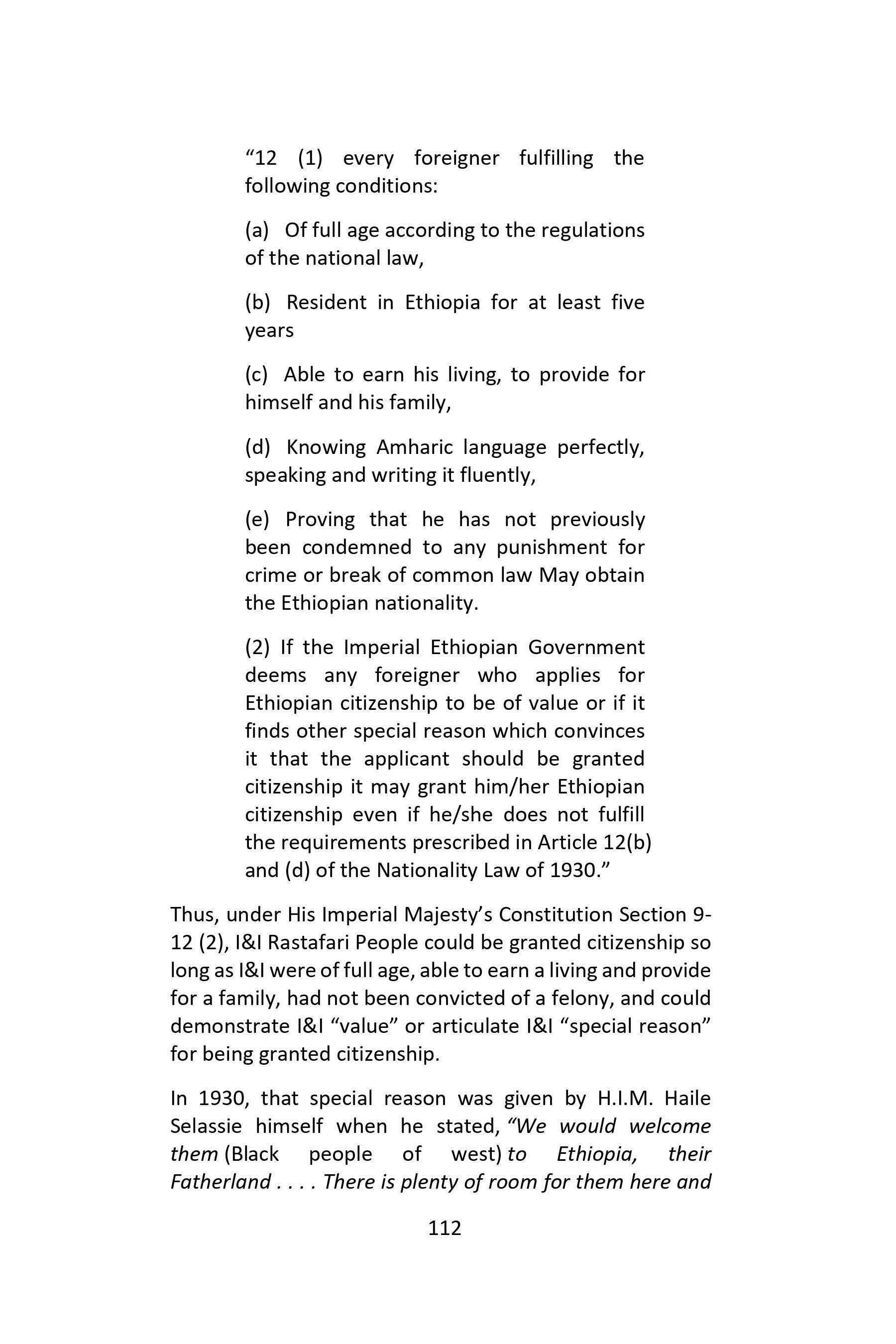
“We would welcome them back to Ethiopia, their Fatherland . . . . There is plenty of room for them here and we are certain they would be of the greatest aid in restoring their ancient land to its pristine glory.”
Three months after this meeting, Ford’s congregation sent him to Ethiopia accompanied by Miss Eudora Paris, a singer of note among Harlem nationalists. Ford and Paris reached Addis Ababa in 1930, joining the elderly Daniel Alexander. They arrived just in time to attend the Coronation Ceremony on November 2, 1930, when Ras Tafari became Emperor of Ethiopia and was crowned Haile Selassie, King of Kings and Lord of Lords, Conquering Lion of Judah.” About 100 Africans from the Americas attend the Coronation of HIM Haile Selassie I. Many of those present are associated with the Elder Daniel Robert Alexander, who had been living in the country for 21 years and would become known as the Emperor’s blacksmith.
On January 4, 1931 Garvey’s UNIA followers march side by side with Rabbi Arnold Ford’s Black Hebrews in a street parade through Harlem, carrying framed life-size portraits of HIM Haile Selassie I and the Honorable Marcus Garvey. Garvey then sets sail for London to file a petition to the League of Nations which accused the United States and the nations of Europe of violating the human rights of African Americans and other African peoples.
ELEVEN DAYS AFTER GARVEY SET SAIL, DETROIT-AREA UNIA PRESIDENT EARL LITTLE (MALCOLM X’S FATHER), WHO WAS RESPONSIBLE FOR COLLECTING SIGNATURES FOR THE PETITION, WAS DISCOVERED DYING ON THE TROLLEY TRACKS NEAR HIS HOME.
𝐄𝐭𝐡𝐢𝐨𝐩𝐢𝐚𝐧 𝐄𝐦𝐩𝐞𝐫𝐨𝐫 𝐇𝐚𝐢𝐥𝐞 𝐒𝐞𝐥𝐚𝐬𝐬𝐢𝐞 𝐬𝐚𝐰 𝐭𝐡𝐞 𝐧𝐞𝐞𝐝 𝐭𝐨 𝐫𝐞𝐜𝐨𝐠𝐧𝐢𝐳𝐞 𝐭𝐡𝐞 𝐢𝐧𝐜𝐨𝐦𝐢𝐧𝐠 𝐑𝐞𝐩𝐚𝐭𝐫𝐢𝐚𝐭𝐞𝐬 𝐚𝐬 𝐂𝐢𝐭𝐢𝐳𝐞𝐧𝐬 𝐨𝐟 𝐄𝐭𝐡𝐢𝐨𝐩𝐢𝐚. 𝐓𝐡𝐮𝐬, 𝐰𝐡𝐞𝐧 𝐇𝐢𝐬 𝐌𝐚𝐣𝐞𝐬𝐭𝐲 𝐢𝐬𝐬𝐮𝐞𝐝 𝐭𝐡𝐞 𝐂𝐨𝐧𝐬𝐨𝐥𝐢𝐝𝐚𝐭𝐞𝐝 𝐋𝐚𝐰𝐬 𝐨𝐟 𝐄𝐭𝐡𝐢𝐨𝐩𝐢𝐚 𝐭𝐡𝐚𝐭 𝐛𝐞𝐜𝐨𝐦𝐞 𝐩𝐚𝐫𝐭 𝐨𝐟 𝐭𝐡𝐞 𝟏𝟗𝟑𝟏 𝐂𝐨𝐧𝐬𝐭𝐢𝐭𝐮𝐭𝐢𝐨𝐧, 𝐮𝐧𝐝𝐞𝐫 𝐒𝐞𝐜𝐭𝐢𝐨𝐧 𝟗 𝐍𝐀𝐓𝐈𝐎𝐍𝐀𝐋𝐈𝐓𝐘 𝟏𝟐(𝟐) 𝐇𝐚𝐢𝐥𝐞 𝐒𝐞𝐥𝐚𝐬𝐬𝐢𝐞 𝐩𝐫𝐨𝐯𝐢𝐝𝐞𝐝 𝐟𝐨𝐫 𝐂𝐢𝐭𝐢𝐳𝐞𝐧𝐬𝐡𝐢𝐩 𝐟𝐨𝐫 𝐁𝐥𝐚𝐜𝐤 𝐩𝐞𝐨𝐩𝐥𝐞 𝐨𝐟 𝐭𝐡𝐞 𝐖𝐞𝐬𝐭: (note this statement is my inference made after concluding my study of the Ethiopian laws at the Institute of Ethiopian Studies (IES) in Addis Ababa, where I was given special access to archives by the IES Director at the time, Ato Demeke Berhane)
“12(2) If the Imperial Ethiopian Government deems any foreigner who applies for Ethiopian citizenship to be of value or if it finds other special reason which convinces it that the applicant should be granted citizenship it may grant him/her Ethiopian citizenship even if he/she does not fulfill the [residency and language] requirements prescribed in Article 12(b) and (d) of the Nationality Law of 1930.”
By 1931, with a framework in place for the full Repatriation of Blacks from the West, Ato Gabrou informed Rabbi Ford and Eudora Paris of land concessions granted. Ato Gabrou sent word to Ford’s congregation in America to arrange passage for the next group of repatriates. Nine more members repatriated, including 𝐌𝐢𝐠𝐧𝐨𝐧 𝐈𝐧𝐧𝐞𝐬 (𝐰𝐡𝐨, 𝐚𝐥𝐬𝐨 𝐟𝐫𝐨𝐦 𝐁𝐚𝐫𝐛𝐚𝐝𝐨𝐬, 𝐦𝐚𝐫𝐫𝐢𝐞𝐝 𝐀𝐫𝐧𝐨𝐥𝐝 𝐅𝐨𝐫𝐝 𝐢𝐧 𝐀𝐝𝐝𝐢𝐬 𝐀𝐛𝐚𝐛𝐚 𝐚𝐧𝐝 𝐛𝐨𝐫𝐞 𝐡𝐢𝐦 𝐭𝐰𝐨 𝐬𝐨𝐧𝐬), 𝐀𝐥𝐛𝐞𝐫𝐭𝐚 𝐓𝐡𝐨𝐦𝐚𝐬, 𝐉𝐨𝐡𝐧 𝐒𝐚𝐧𝐝𝐢𝐟𝐨𝐫𝐝, 𝐌𝐚𝐫𝐲 𝐋𝐲𝐧𝐜𝐡, 𝐉𝐚𝐧𝐞 𝐅𝐨𝐬𝐭𝐞𝐫, 𝐀𝐝𝐚 𝐚𝐧𝐝 𝐀𝐮𝐠𝐮𝐬𝐭𝐢𝐧𝐞 𝐁𝐚𝐬𝐭𝐢𝐚𝐧 (𝐕𝐢𝐫𝐠𝐢𝐧 𝐈𝐬𝐥𝐚𝐧𝐝𝐬, 𝐔𝐍𝐈𝐀 𝐦𝐞𝐦𝐛𝐞𝐫𝐬), 𝐚𝐧𝐝 𝐓𝐡𝐨𝐦𝐚𝐬 𝐚𝐧𝐝 𝐍𝐚𝐧𝐜𝐲 𝐏𝐚𝐫𝐢𝐬 (𝐄𝐮𝐝𝐨𝐫𝐚 𝐏𝐚𝐫𝐢𝐬’ 𝐩𝐚𝐫𝐞𝐧𝐭𝐬). During this period, 1930-1931, approximately 100 Ethiopian “Blacks” from America repatriate to Ethiopia, including Horace W. Hendricks and William Weeks of Harlem, Oswald Nanton, James Alexander Hart (British Guiana), George A. Smith, and Mr. Helwig. Noted Black scholar J.A. Rogers twice visited Ethiopia during the early 1930’s.
Central to the story is the Ethiopian World Federation (EWF), established in the United States in 1937. Its aims were to mobilize support for the Ethiopians during the Italian invasion of 1935-41, and to embody the unity of Ethiopians (Black people) home and abroad. Sections were established in other parts of the Americas. Later, the EWF was given charge of an area of land in Ethiopia for housing returning emigrants. It would be responsible for the first major organized, state-sponsored repatriation progrem of the 20th century.
In 1942, George Bryan, Executive Secretary of the Ethiopian World Federation, Incorporated , wrote to His Imperial Majesty, Ethiopian Emperor Haile Selassie I the following message (excerpted):
". . . . 3. 𝐏𝐥𝐞𝐚𝐝 𝐟𝐨𝐫 𝐜𝐨𝐧𝐜𝐞𝐬𝐬𝐢𝐨𝐧𝐬 𝐨𝐟 𝐥𝐚𝐧𝐝 𝐟𝐨𝐫 𝐬𝐞𝐭𝐭𝐥𝐞𝐦𝐞𝐧𝐭 𝐨𝐟 𝐚 𝐥𝐚𝐫𝐠𝐞 𝐧𝐮𝐦𝐛𝐞𝐫 𝐨𝐟 𝐭𝐡𝐞 𝐦𝐞𝐦𝐛𝐞𝐫𝐬 𝐨𝐟 𝐭𝐡𝐞 𝐅𝐞𝐝𝐞𝐫𝐚𝐭𝐢𝐨𝐧 desiring to travel to Ethiopia for permanent settlement. 4. Plead for the easing of Visa restrictions to facilitate the voluntary entry of such members wishing from time to time to travel to Ethiopia to settle, visit and otherwise pursue ways for strengthening their relations with the Motherland.
Mr. Reginald Birch is fully authorized to act in the name and on behalf of the Ethiopian World Federation, this authority deriving from the exercise of the authority vested in the Executive Council as the policy making body of the Federation.
George A Bryan, Executive Secretary"
Now, according to The Return to Ethiopia of the Twelve Tribes of Israel by Giulia Bonacci of the Institute of Research for Development, Université Nice Sophia Antipolis, Nice, France,
“Gad registered his group as a local branch of the Ethiopian World Federation (EWF) in Kingston: Local 15. The EWF, founded in 1937 in New York by an Ethiopian Melaku E. Beyen by order of Emperor Haile Selassie i, originated in the popular and Pan African mobilization precipitated by the war between Italy and Ethiopia (1935–41). The objective of the EWF was to centralize the moral and financial support given by black communities in the Americas to the Ethiopian cause. In 1950, Emperor Haile Selassie i granted land in Shashemene, a southern Ethiopian market town, to the members of the EWF as a token of appreciation for their support during the war. The first people to settle there were James and Helen Piper, Garveyites, Black Jews, and EWF members who were originally from Montserrat. In the early 1960s, a few African Americans, Muslims, Baptists, and one Rastafari joined them. The first Jamaican Rastafari arrived in 1965, and was followed by groups of Rastafari starting from 1968.
The first gift of land by an African head of state to the “black people of the world,” Shashemene, was thus put at the center of Back-to-Africa initiatives, particularly in Jamaica.
There the EWF appeared to be the legitimate organization through which settlement in Ethiopia could be realized. Local 15 of the EWF headed by Gad, became well known in Kingston during the early 1970s and was an organization with whom Joseph Owens, who was then doing his fieldwork with the Rastafari in Kingston, had contact. Owens noted their approach to Ethiopia:
‘The group which is currently most insistent upon pursuing repatriation and is most actively taking steps towards it is Local 15 of the Ethiopian World Federation. Members of that local have almost completely eschewed the notion of waiting passively for their deliverance [and … are] currently trying to raise money to send small groups to Ethiopia … Of key importance to them is membership in the Federation, and much of their exhortation is aimed at proselytizing … Local 15 leaders are convinced that once people realize the potential of the organization, they will join in vast numbers, save their money, and soon return home to Ethiopia.’
Local 15 was thus, in terms of mobilization for the return to Ethiopia, one of the most active places in the Rastafari landscape. It is interesting to note that their proselytizing was closely related to the prospect of return and also to membership in EWF as the organization that would make return possible. However, the charter opening Local 15 of the EWF had not been authorized by the New York headquarters of the Pan African organization, but by Reverend Winston G. Evans, an African American who had presided over an EWF local in Chicago since 1947. Evans had declared his relative independence vis-à-vis the New York headquarters of the EWF, illustrating the fault lines and fragility of the organization. For Rastafari in Jamaica, however, it was significant that Evans had met Emperor Haile Selassie I, in the United States in 1954 and when visiting Ethiopia in 1968. During his visit to Ethiopia, Evans had requested and received land in the Bale Mountains, a beautiful and remote region east of Shashemene. A photograph of the Emperor and Reverend Evans shaking hands later appeared in African Opinion which encouraged Gad and his group to be in contact with him.”
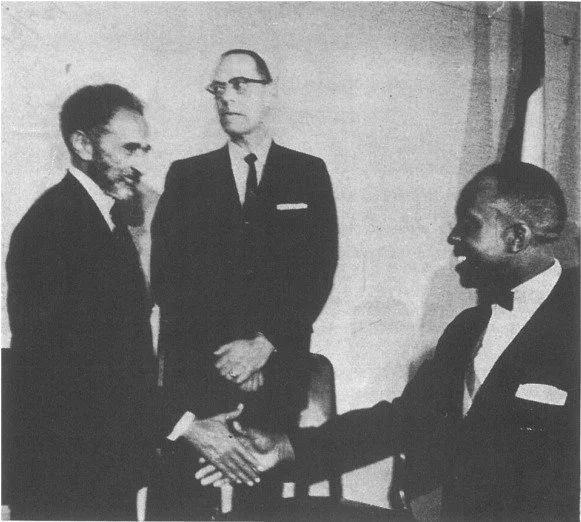
Emperor Haile Selassie and Reverend Winston G. Evans shaking hands in Washington, D.C., 1954
The Emperor's Initial response to the EWF did not mention any land grant. However, on June 3, 1959, T.E. Sealy, Editor of the Jamaican Daily Gleaner wrote to the Ethiopian government to verify the land grant. The Imperial Ethiopian Government Ministry of Foreign Affairs Addis Ababa, Sept. 9, 1959 responded by saying,
"In response to your enquiry and specifically as to whether or not lands have been made available by the Imperial Ethiopian Government for the "Ethiopian World Federation Inc.", we can confirm the substance of your letter thus:-
As a token of his appreciation for the services the "Ethiopian World Federation" rendered to the Ethiopian cause during the Fascist Invasion of our country, His Imperial Majesty Haile Selassie 1st, has been pleased to grant for the use of the "Ethiopian World Federation" lands not very far from the capital city of Addis Ababa."
Bonacci continues,
“Thus in 1970, the members of Local 15 in Kingston received Evans with enthusiasm. They had confidence in his promise to send scores of members to Ethiopia and began to send him their weekly dues. In the absence of any concrete progress, however, Gad decided to visit the EWF head office in Chicago. Accompanied by Ivan Coore, another Rastafari, he left for Chicago only to return home extremely disappointed. Not only were the members of Evans’s local old, but Evans steered clear of the two Jamaicans in order to avoid a discussion of financial issues which would quite likely have resulted in a confrontation. Disappointed, the Jamaicans returned to Kingston where they qualified the EWF as a “joke” and a “fraud” and recognized that the charter establishing their local was probably illegitimate. The investigation continued. Gad and other officers of his local visited Ethiopia, where they remained for a month. They went to Bale where they noted that the donated land was neglected. They later contacted the returnees residing in Shashemene and the Ethiopian government. On their return to Jamaica, they presented a detailed report to the members of the local, to whom they also presented a symbolic handful of soil collected in Ethiopia. Seeing the land was like getting tangible “proof” of its availability, not in Bale, which was too remote, but in Shashemene, where several Jamaicans had already settled. At the time, Local 15 counted 118 highly organized members and was ready to send the first of them to Ethiopia. Local 15 then turned toward Local 43, headed by Solomon Wolfe, which had a charter delivered in 1958 by the New York headquarters of the EWF and was by then the only Jamaican local with active bonds with Shashemene (Bonacci 2013b). Gad proposed that members of Local 15 join Local 43 in order to remain within the legality offered by the EWF. However, he met with strong reluctance from the acting officers of Local 43 while its president, Solomon Wolfe, was in Ethiopia. The Chaplain of Local 43 relates his reaction to Gad’s proposition:
When Gad come fe [to] hand over the people and the money to EWF, I man [I] refused … No organization respecting the leadership can suddenly hand over to another organization without some kind of agreement as to what it is all about, consolidation or merging of two bodies under what condition … Not a case when you hand over your money and your people and say do this [and] hand over to you. So what happen to you? What happen to your administration? Not so.15 .
This defensive position illustrates the importance the officers of EWF Local 43 accorded to its administration. They had overcome many organizational difficulties: short-circuiting the established channels of the EWF controlled by non-Rastafari, transforming the EWF to prioritize repatriation, obtaining passports and visas, organizing departures by air, establishing the local in Ethiopia and working to keep members of the Jamaican local mobilized. The impossibility of cooperation between these two locals of the EWF was to have a great impact on the Rastafari movement in its push towards the foundation of the Twelve Tribes of Israel. . . . “
In Rastafari Repatriation to Ethiopia and the All-Africa Rastafari Gathering (AARG), Dominik Frühwirth writes:
“Helen and James Piper, the first EWF administrators and settlers of the land-grant near Shashemene, were Black Jews from New York. Originally from Montserrat in the Caribbean, the Pipers had acquired US nationality probably during the 1930s and there represented a generation of Ethiopianists for whom the EWF had already superseded the UNIA, whereby the abstract Ethiopianist notion of Africa had increasingly become identified with the concrete destination of the Ethiopian state. They arrived in Ethiopia in 1948 as part of a movement of professionals of African descent from the West who came to help reconstruct Ethiopia after the war, and as such “James Piper accepted a job as a teacher at the Gundrandt Technical School in Addis Ababa, and Helen Piper occupied an administrative position on the site of the airport” (Bonacci 2015: 110). . . . After the Pipers had finally arrived on the land-grant probably sometime shortly after 1953, it took about another ten years until the first Rastafarian settled on the land-grant in 1964. But although Gladstone Robinson was a Rastafarian, he also arrived from the USA and not from Jamaica.
And although the Pipers as Harlem Black Jews and Gladstone Robinson as Rastafari, being EWF members, “all were imbued with Ethiopianist biblical and symbolic values” (Bonacci 2015: 115), ideological and organizational differences soon led to confrontations which in turn led to Gladstone Robinson securing the administration of the land-grant in 1967 for Rastafarians ever since.
This is the reason why, although originally given to all “the Black Peoples of the World” and initially administrated and settled by non-Rastafarians, the Shashemene land-grant has become exclusively associated with Rastafari. From then on only Rastafarians, from Jamaica, the Caribbean and eventually from many other places, have arrived and settled in Shashemene (Ibid: 285). . . . Gladstone Robinson (quoted in Bonacci 2015: 108) explained these ideological differences which exemplify the differences between the Rastafarian approach to the granted land from others who did not share Rastafarian sentiments:
“James Piper was a black Jew, a Hebrew, went to all ceremonies like Friday they lock down everything, no work, they cook and they stay in the house. [Once in Ethiopia] they tried to get me in into that because I sat in a [Sabbath] session with them, and he do all the rituals and things and the sad part is when His Majesty came down and ask for Mr Piper he said he can’t come out ‘cause he is praying to his God’. He wasn’t a Rasta, ‘cause Rasta can’t say that! . . .
In the ten years between the first Rastafarian arrivals since 1964 and the military coup in 1974 which abolished the Ethiopian monarchy, for Rastafarians Shashemene really was the centuries-old Ethiopianist dream come true, their promised land:
Squatters from some of the most desperate slum areas in the western hemisphere had become land owners, written off as unemployable, they had become employers or got prestigious jobs in the school of arts and crafts in Addis Ababa or the Imperial Highway Authority in Shashemene (Ibid: 298). The Rastafarians’ God had truly provided for them abundantly.
But this abundance was in the midst of southern Ethiopian populations that were historically not part of the grand north-Ethiopian national narrative and its monarchy, but who, on the contrary, were often in opposition to it and its granting of land and resources to the newcomers. Opposition like this aggravated in the urban centers, fueled by Cold War interests and instrumentalized by parts of the military led to the abolishment of the monarchy and the land it had granted in 1974 (Lockot 1993: 113). Although part of the original land-grant was reinstated by the new military administration called Derg, for the Rastafarians this meant years of hardship under constant scrutiny and obstacles from the anti-monarchist government:
“They experienced integration at the lowest rung of the Ethiopian social ladder, and their standard of living, which was already low in Jamaica, declined even further in Ethiopia” (Bonacci 2015: 317). And yet, Rastafarians continued to repatriate”
"Today I can be sure as a living witness that this promise that He made and declared, that He gone to prepare a place for us, that where Him is, we shall be there also. And when I work it out and search it out, there couldn't have no other way to go besides Ethiopia. That is a Kingdom that's given to us through His mighty power and goodness, which is the land, which is our heritage."
- Ancient Ras Somlomon Wolfe, President of EWF Local 43 since 1955, Pioneer Rastafari Settler in Shashamane since 1969, interviewed by Ras Gad in the 1990s/2000s.
According to Ras Jr. Negus, Secretary for the 2003 Rastafari Global Reasoning and Ilect of Records of the Theocracy Reign Order of the Nyabinghi,
“At the time of the 1974 coup that overthrew Selassie and imprisoned dozens of members of his family, Selassie's son and heir-apparent, HIH Merd Azmatch Asfa Wossen, was in England recovering from a stroke. In the 1980's a portion of the Ethiopian expatriate community in England and North America rallied around Wossen and began agitating for the restoration of a constitutional monarchy in Ethiopia. Asfa Wossen was elevated from "Crown Prince" to "King" and became known among his Ethiopian supporters and a minority of Rastafarians as "King Amha Selassie I". In 1983 Foxe approached the royal family-in-exile to mediate the dispute in the EWF. Subsequently, [Abuna Ammanuel Ascento] Foxe secured a "royal charter" from Asfa Wossen and an "open letter" addressed to the "Rastafarian Community World-wide" where Wossen called upon the movement to "rally under the Imperial banner with a structured body and unified leadership. Once again Foxe reorganised his forces as the Imperial Ethiopian World Federation with himself as "international president" This marked the first direct intervention of the royal family into Rastafarian matters and signalled the beginning of a new relationship between Foxe, the royal family, and the Rastafari movement. Armed with the new charter Foxe and the IEWF declared all other EWF locals defunct and began building their own confederation. All Rastas who refused to join the new "Royalist" and Imperial " (pro-monarchical restorationist) camp were labelled "apostate," "socialist," and "devil-inspired traitors to His Majesty." After securing the new charter Foxe returned to Jamaica to begin recruiting for his new organisation. Headquarters were set up in a Jamaican Labour Party (JLP) enclave on Oxford Street in the heart of West Kingston's infamous ghettos. Their Foxe developed into a prolific composer of Rasta diatribes published in the letters to the editor columns of Jamaica's leading newspapers. With this new forum he launched attacks on nearly every other Rasta Mansion, accusing them of complicity in the overthrow of Selassie's government and of "abetting the satanic socialist regime in Addis Ababa." In the early 1980's as Edward Seaga and the JLP began imposing World Bank and IMF austerity measures, dismantling the popular social institutions and welfare programs of the Manley-PNP era, Jamaica's leading newspapers welcomed a Rasta voice crying out against the menace of socialism, communism, labour unions, welfare and the minimum wage.”
At the start of the 21st Century, the EWF was in disarray and turmoil. To help save it and the Shashemane land grant, in stepped Ras Nathaniel, who was LEARNING FROM THE LEADERS THE PERSONAL COST OF AFRICAN LIBERATION: RESPONSIBILITY, RACIAL RE-EDUCATION, SPIRITUAL RE-CONVERSION, AND CLASS SUICIDE FOR A HOLY ORDER OF COMMITMENT.
In 2003, while serving as a journalist for the Rastafari Speaks newspaper published by Chicago’s very own Frontline Distribution, Ras Nathaniel. registered with the Federal Democratic Republic of Ethiopia Ministry of Information & Culture Press and Information Department as a journalist and began working at the African Union and the Economic Commission for Africa. He is the only African American to attend both the 1st Extraordinary Summit of the Assembly of the African Union in Addis Ababa, as well as the African Union Grand Debate in Ghana in 2007. As a result, Ras Nathaniel became the Director of the African Union 6th Region Education Campaign. He appeared on South African Broadcasting Company (SABC TV), negotiated the Rastafari citizenship issues in Ethiopia, helped the Central American Black Organization to elect its representatives to the African Union at their 12th Assembly in Honduras, and gave the inaugural Marcus Garvey lecture for the Government of Barbados’ Commission for Pan African Affairs. In 2006 he was the roommate of Dr. Kamarakafego, counselor, consultant, official and friend to Kwame Nkrumah, Julius Nyerere, CLR James, Walter Rodney and many others while organizing the 6th Pan African Congress in Tanzania in 1974. In 2007, while organizing the Global Unity Conference in Azania, Ras Nathaniel was given the name Siphiwe Baleka by a council of Elders. On September 28, 2010, his African Ancestry patrilineal test results showed that he was a descendant of the Balanta people.
In the fall of 2002, Ras Nathaniel won a quiz contest on the Rastaites website. The prize was two plane tickets to Ethiopia. And that is how Ras Nathaniel went to Africa for the first time which started my career as an Afrodescendant and Rastafari Diplomat and prophet advocating for Afrodescendants Right of Return, Citizenship, and Lineage Restoration in a United African States.. However, just before arriving in Ethiopia, this was reported:
The Murder of the Honourable Priest Kenny in Shashemene/Ethiopia
“It was a sad day for the Rastafari community, when it had to suffer the loss of a faithful son of the most High Jah Rastafari, when he was brutally Murdered by the hands of the cold blooded Killers.
Priest Kenny (Kenneth Floyd Lockhart) a Rastafari bretheren of the Bobo Shanti Order of the faith, had returned to his original Homeland Ethiopia / Africa from the Bahamas.
He was 55 years old, a member of the Ethiopian Black International Congress Church of Salvation. He had recently repatriated just over a year and few months ago. Ever since he had returned, he took up the active post as the doorkeeper on the Bobo Shanti grounds, proving to be a valuable source of strength to Honourable Priest Paul, who for the past years have been solely occupying and maintaining the Church grounds. He continued his work being known as another agitator for the rights of Rastafari Bretheren when last year wrote a letter to the Organization of African Unity, stating our need to obtain full respect and legal status in Ethiopia, Thus enabling dialogue pertaining to our rights, Priest Kenny was the key person in obtaining this link.
On Sunday April 28th 2002, at approximately 7:55pm, while holding his post at the gate of the grounds, two ex-employees, who during the course of the week had a dispute with the Honourable Priest Paul and Honourable Priest Kenny concerning the fact that they were dismissed form the job months ago but was now Terrorizing the Priests for Money and this resulted in threats being made on the life of Honourable Priest Kenny. This incident was reported to the local police.
The assailants managed to enter the compound and brutally attack Honourable Priest Kenny who was resting in his hammock.
In the confrontation that ensued in the dark, Honourable Priest Kenny was heard shouting for help from Honourable Priest Paul who was apparently not on the compound at the time. Honourable Priest Paul's son, who was in the compound but further away, responded to the call. As he approached, he heard two gunshots fired and the sound of the retreating Murderers scuffling into the nearby bushes. When he reached Honourable Priest Kenny it was then he realised that he had been fatally shot in Cold Blood, bullets piercing his lungs and heart and lying in a pool of Blood.
Immediately the Honourable Priest Paul and others rushed to the police station to inform them of what had happened. By the time the police arrived Honourable Priest Kenny was already a lost life.
News of this tragic incident brought bereavement and shock to the community. On the following day a large number of Rastafari Bretherens and Sistrens as well as local Ethiopians gathered on the Church grounds not far from where he was brutally MURDERED, to give their support and solidarity to our Community in Mourning.
Around the compound, small groups gathered, some venting their anger, others observing in silence. The Honourable Priest Kenny was rested in state inside the convention centre, and those wishing to pay their last respects, were free to enter and leave. Everyone played his or her part in making the day's event manifest smoothly.
Just prior to removing the Honourable Priest Kenny, the Bobo Shanti priests conducted a short service in the opposite room that concluded with chants of the 23rd Psalms as the congregation left the church and moved towards Honourable Priest Kenny's final resting place. The Honourable Priest Kenny was placed in a truck that slowly followed the procession.
Honourable Priest Isaiah, Honourable Bongo Rocky and Honourable Ras Kabi recited chants and prayers, shortly, after which the Honourable Priest Kenny was laid to rest.
This tragic event has brought about an unparalleled unity among the Rastafari Community in Shashamane. Although unforeseen circumstances cannot be prevented, it is paramount that the loss of our brother will not go in vain but will bring us all closer together as a community in achieving and accomplishing our goals, whilst putting in place those preventative measures that have proven necessary for our continued survival!
Through the powers of the Most high Haile Selassie1st Jah Rastafari, we shall be granted the victory of good over evil.
As a member of the Community I see whereby atrocities like this must never repeat itself.
Let us ensure that the History of injustice against our Community be URGENTLY dealt with
THANK YOU ALL
Rastafari”
Below are some of the documents from Ras Nathaniel’s archives.
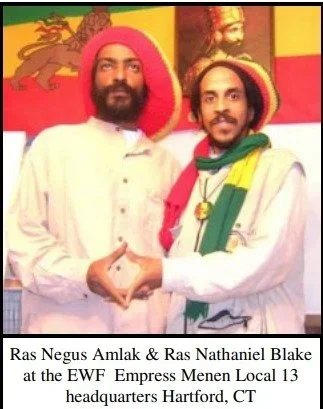
Picture from the 2004 Jubilee Commemoration of HIM Haile Selassie I First Visit to the United States (1954 - 2004) organized by Ras Nathaniel - see SANKOFA - HOW RAS NATHANIEL FIRST RETURNED TO AFRICA AND HOW HE EMERGED AS SIPHIWE BALEKA
****************************************************************************************************
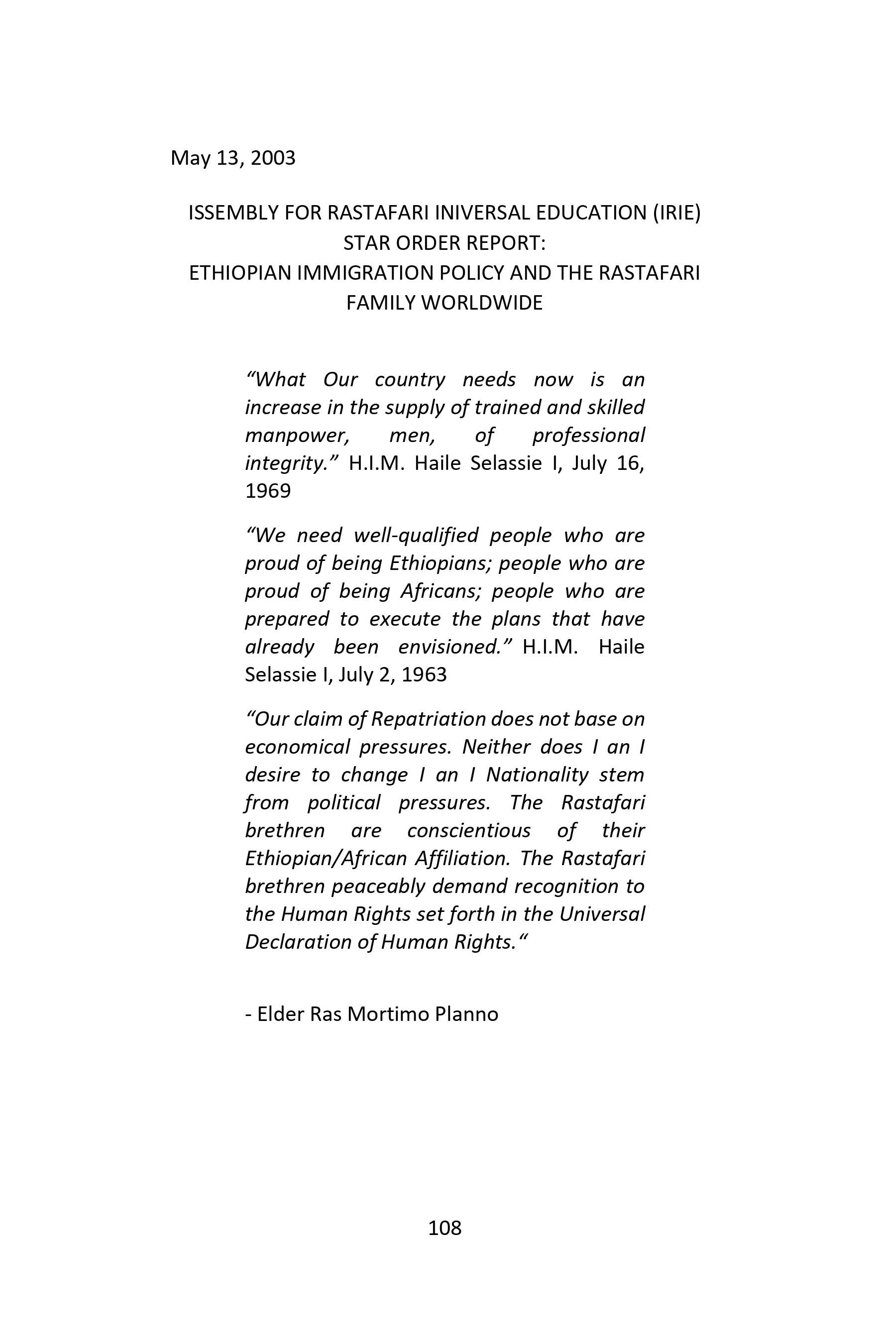
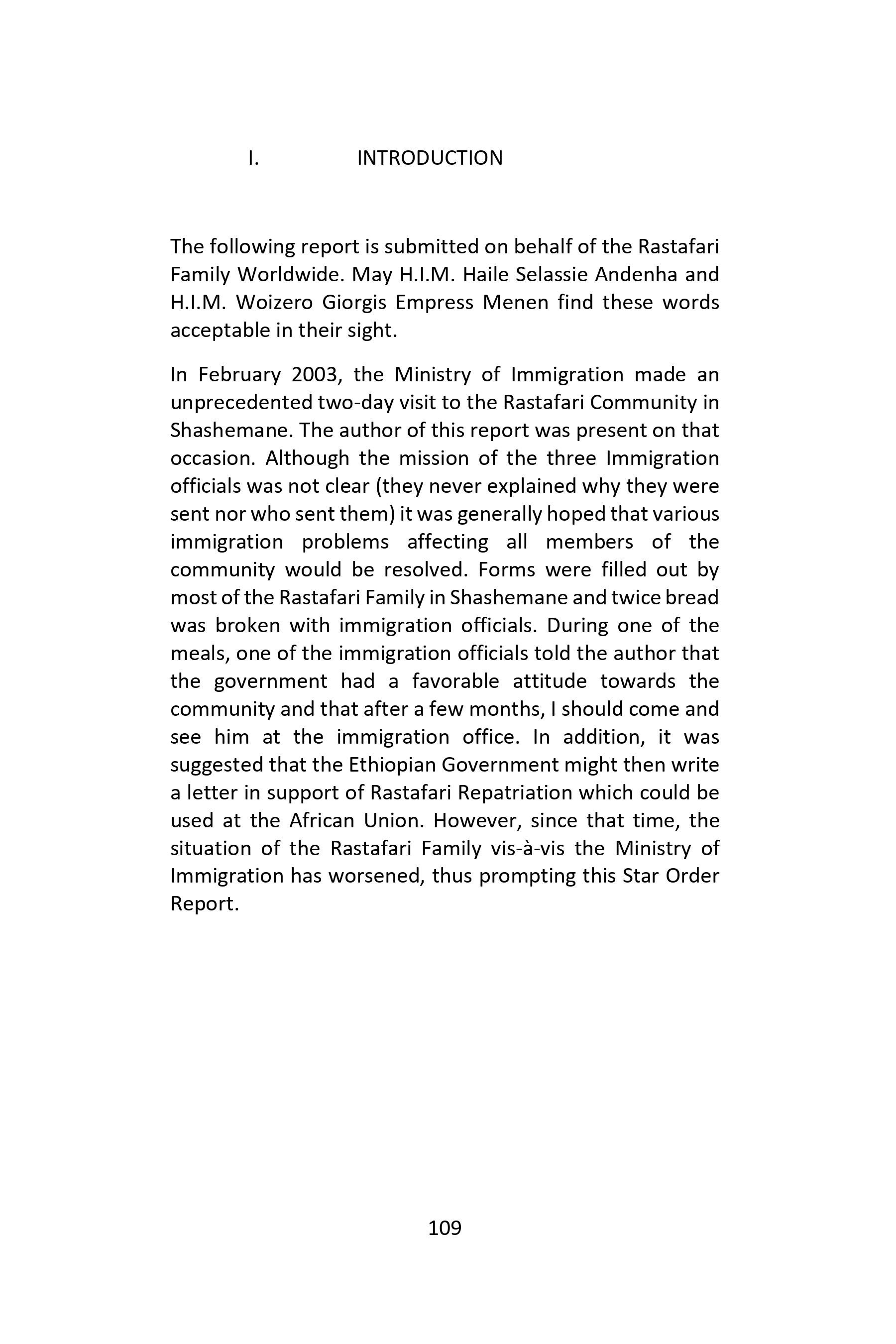
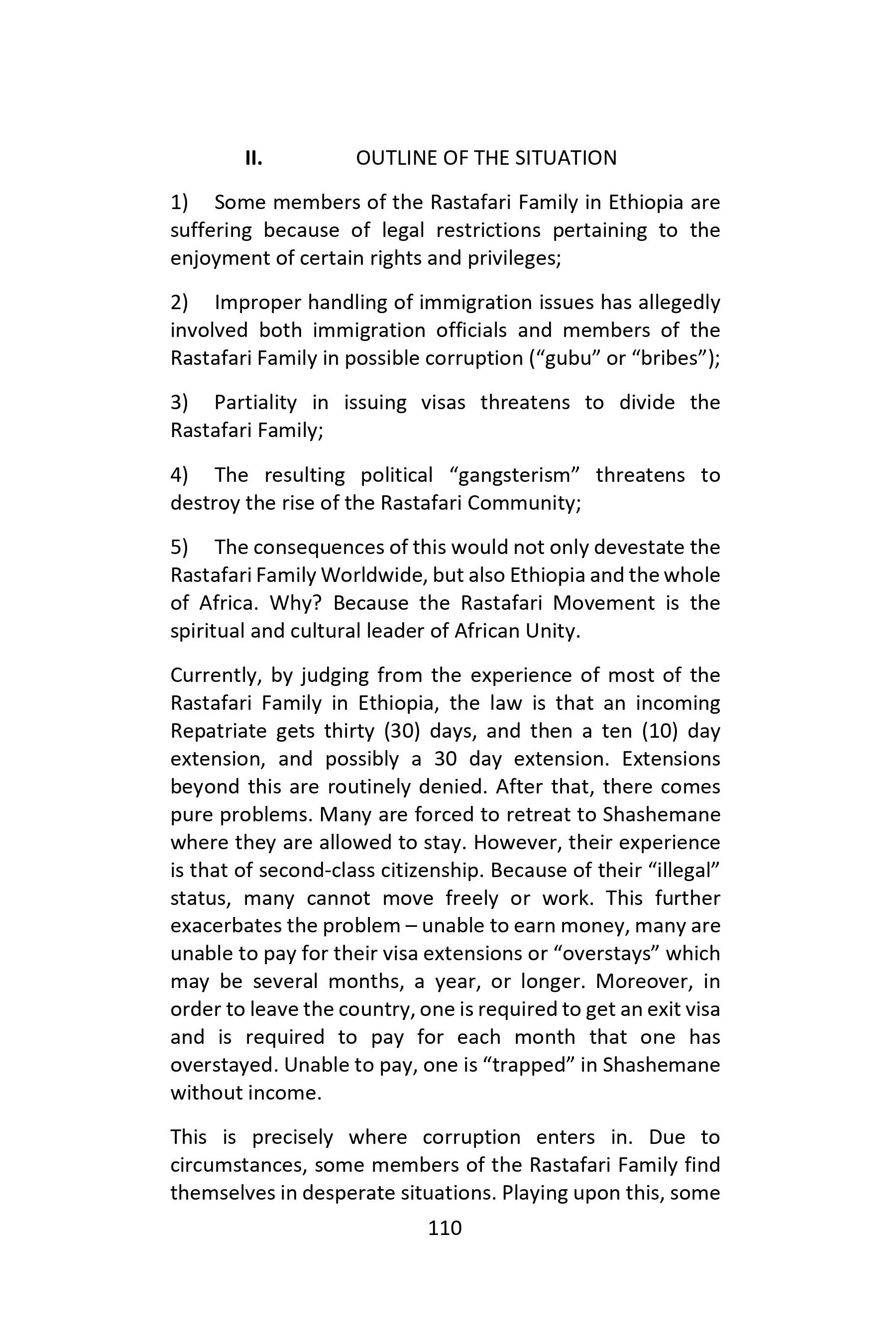
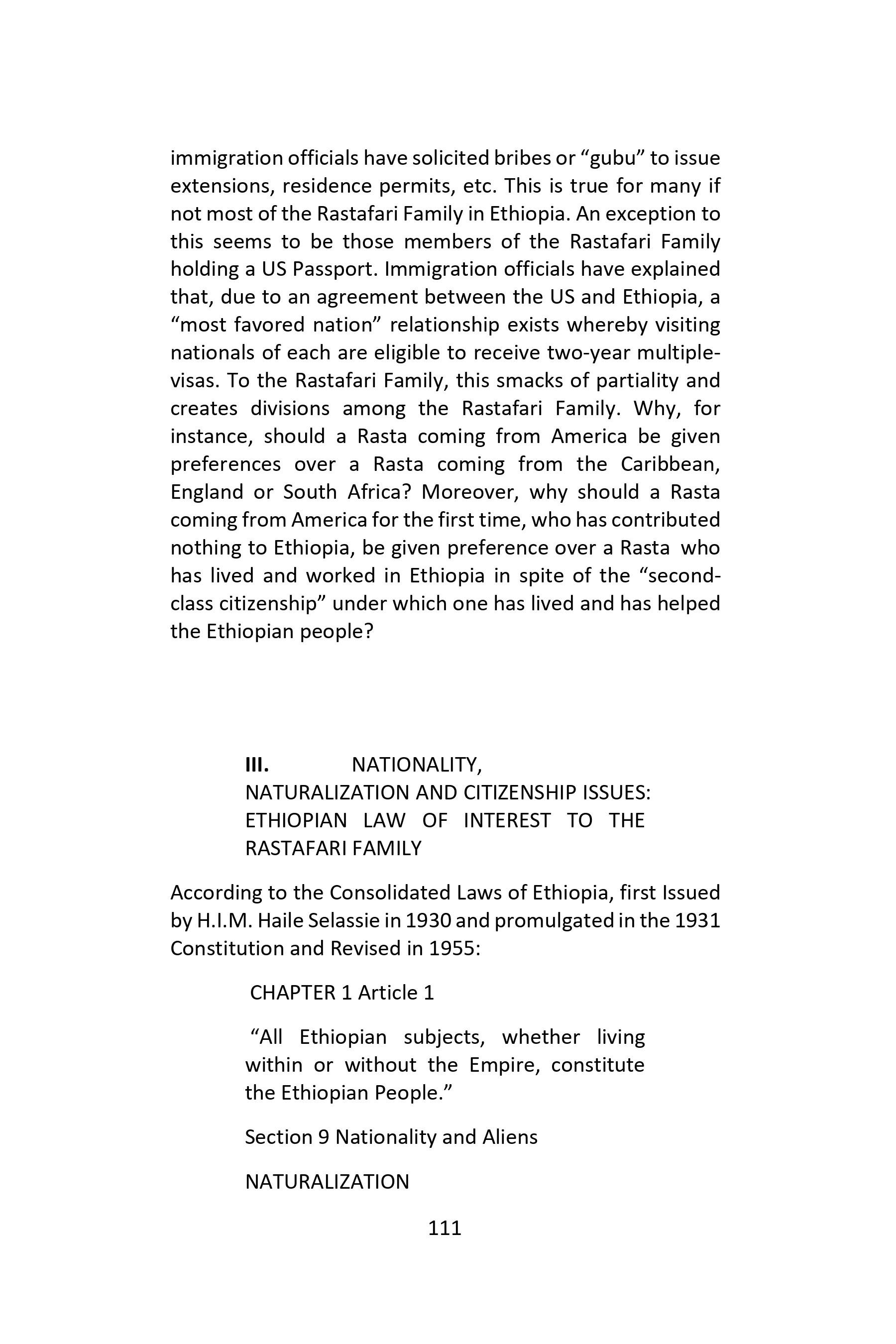
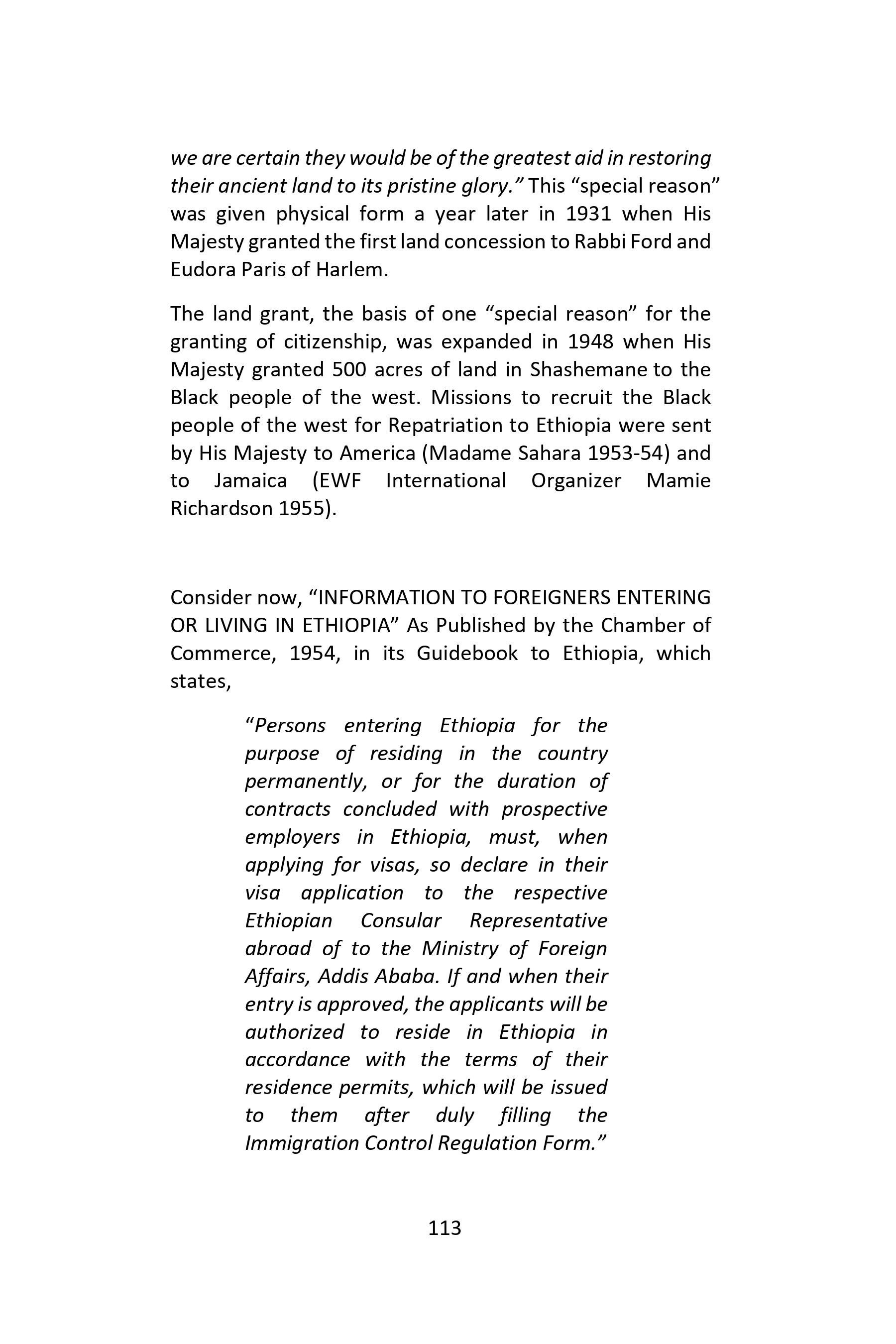
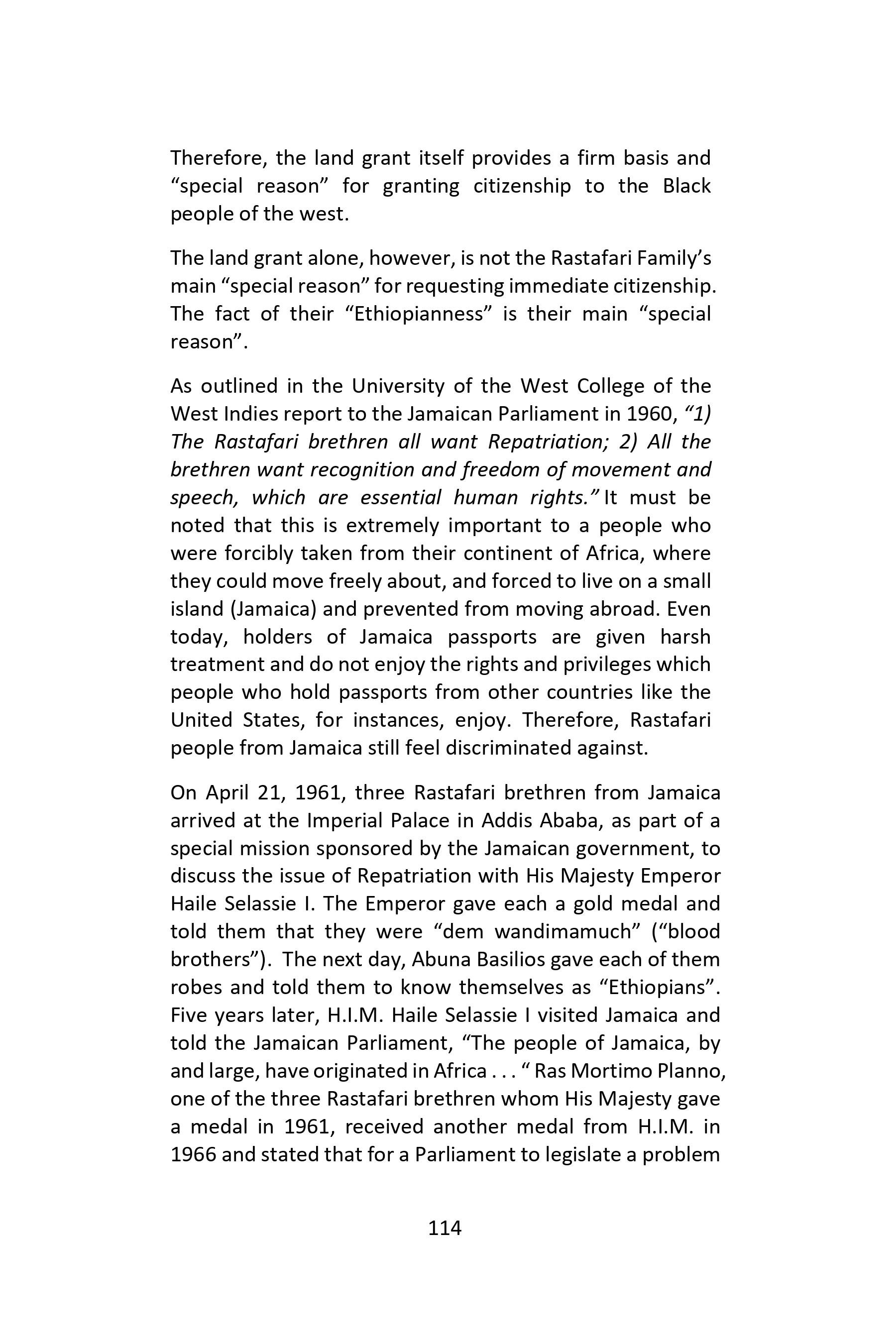
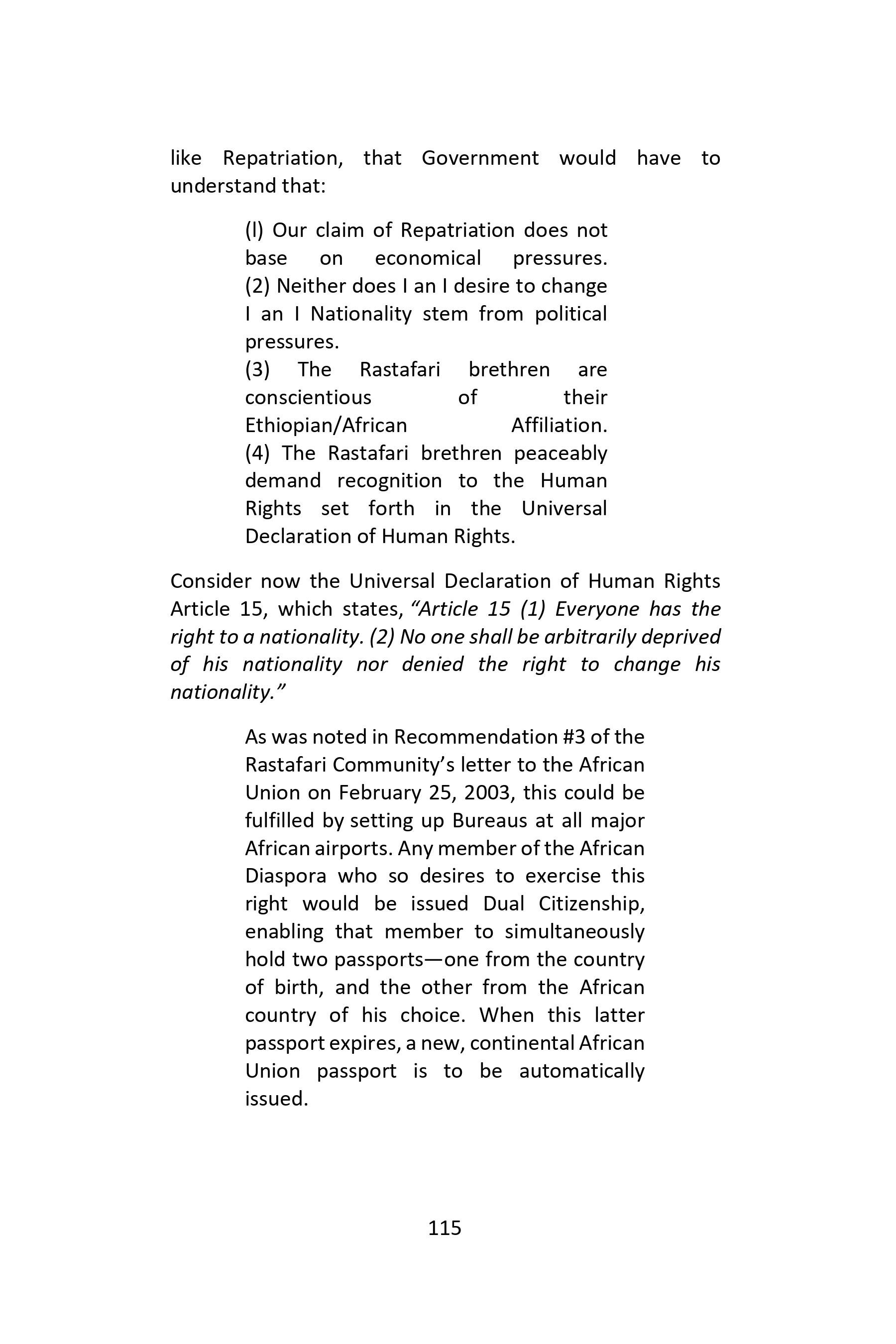
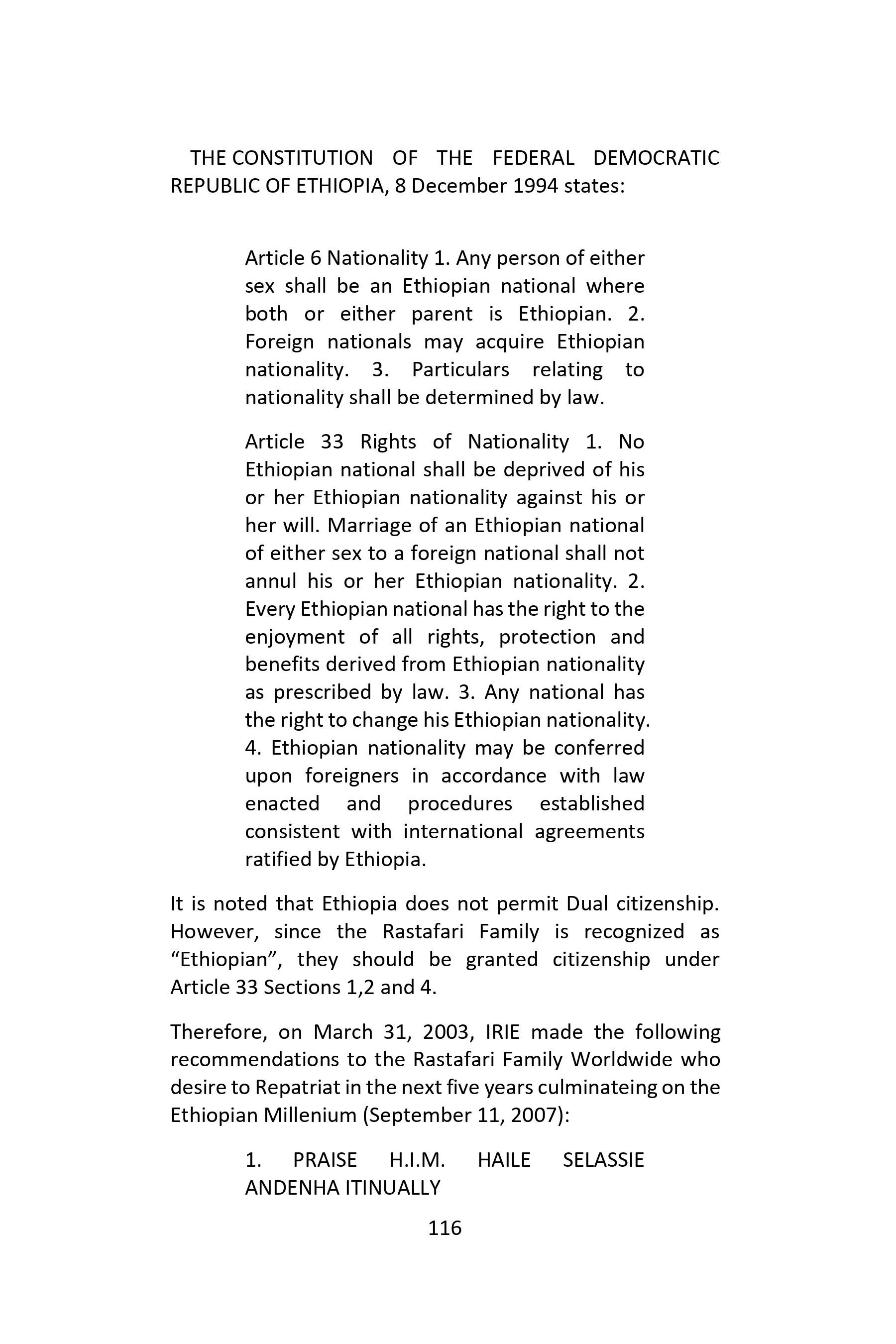
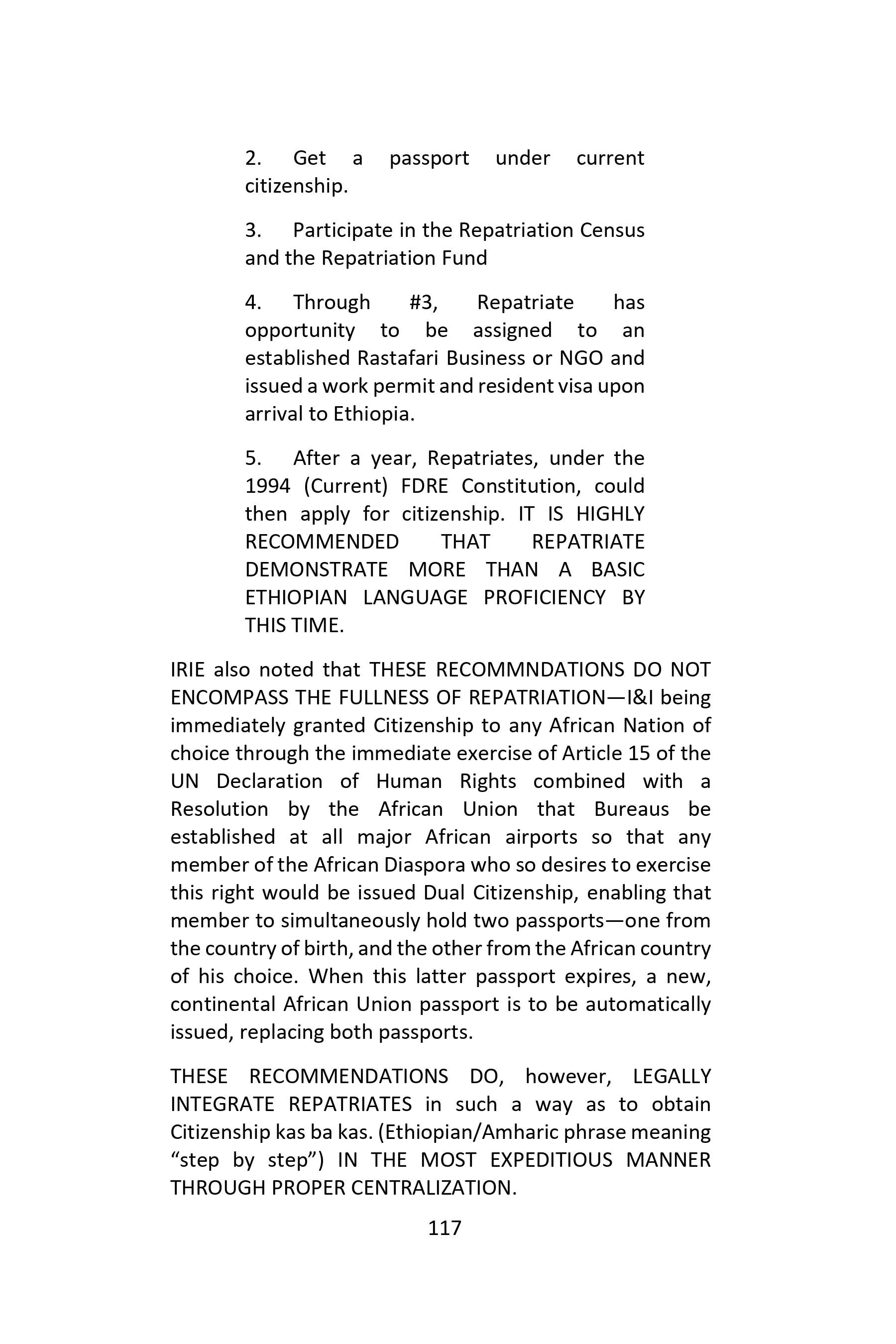
ISSEMBLY FOR RASTAFARI INIVERSAL EDUCATION (IRIE) STAR ORDER REPORT: ETHIOPIAN IMMIGRATION POLICY AND THE RASTAFARI FAMILY WORLDWIDE
- May 13, 2003
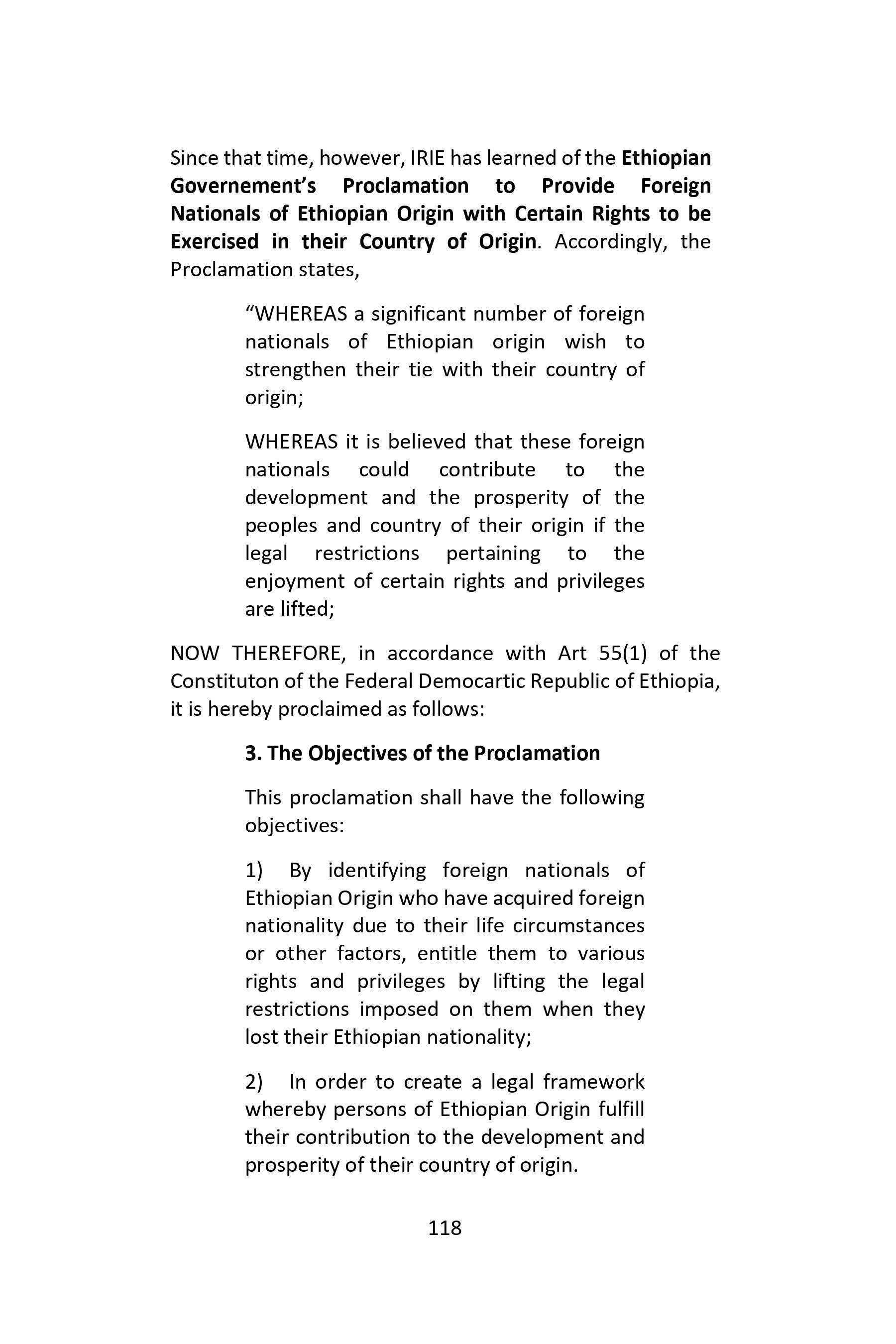
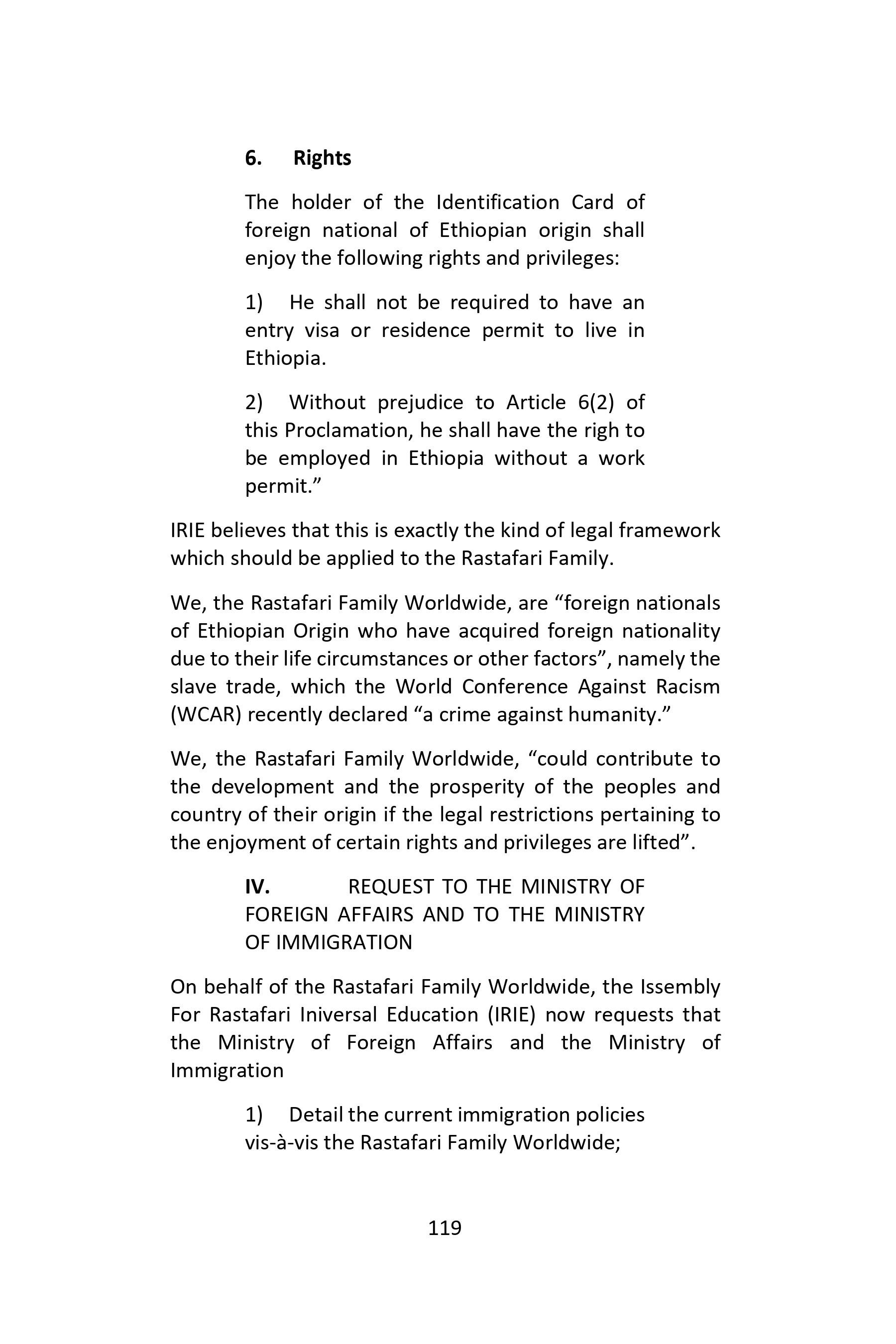
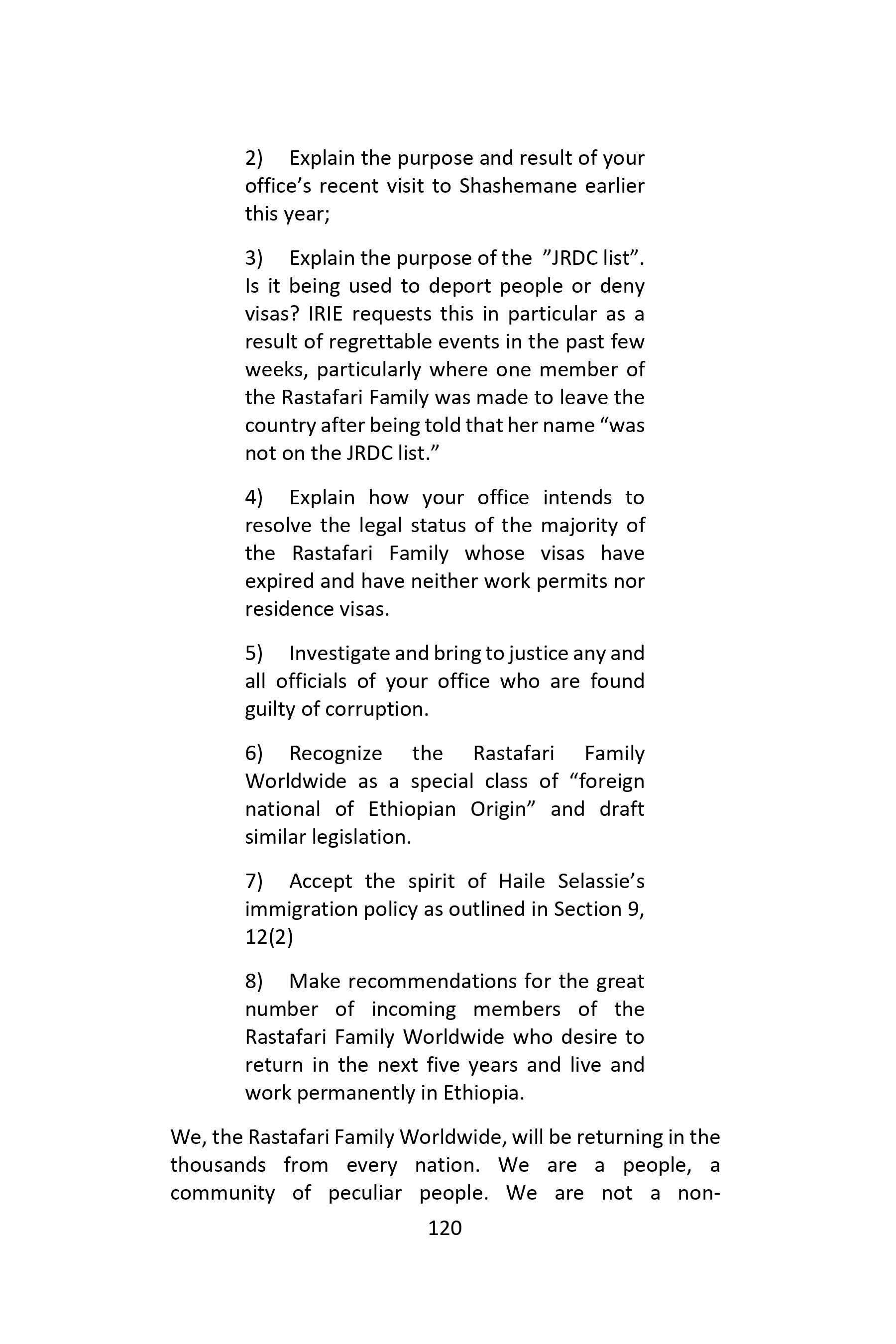
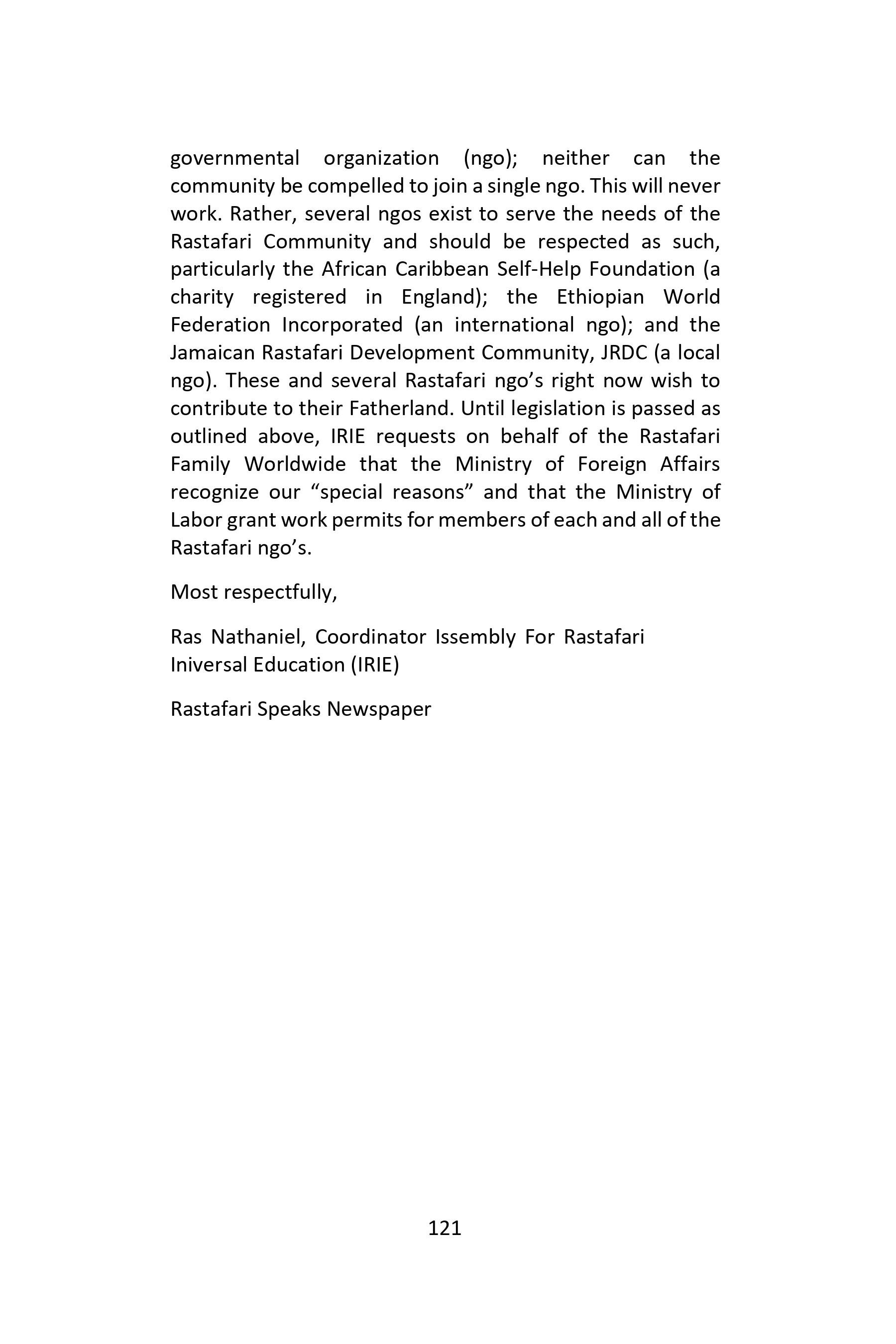
SHASHEMANE CONTROVERSIES
- August 5, 2003
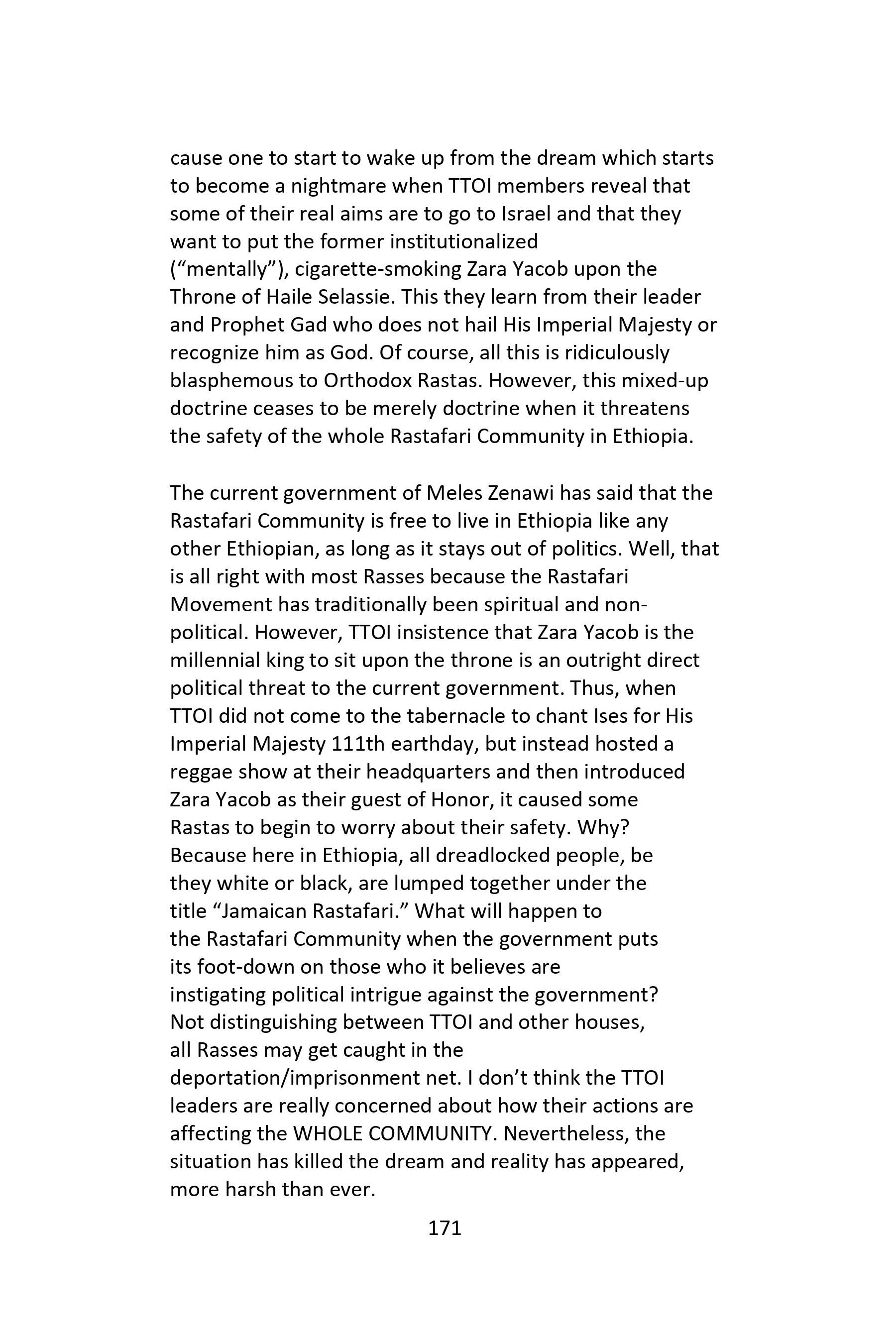
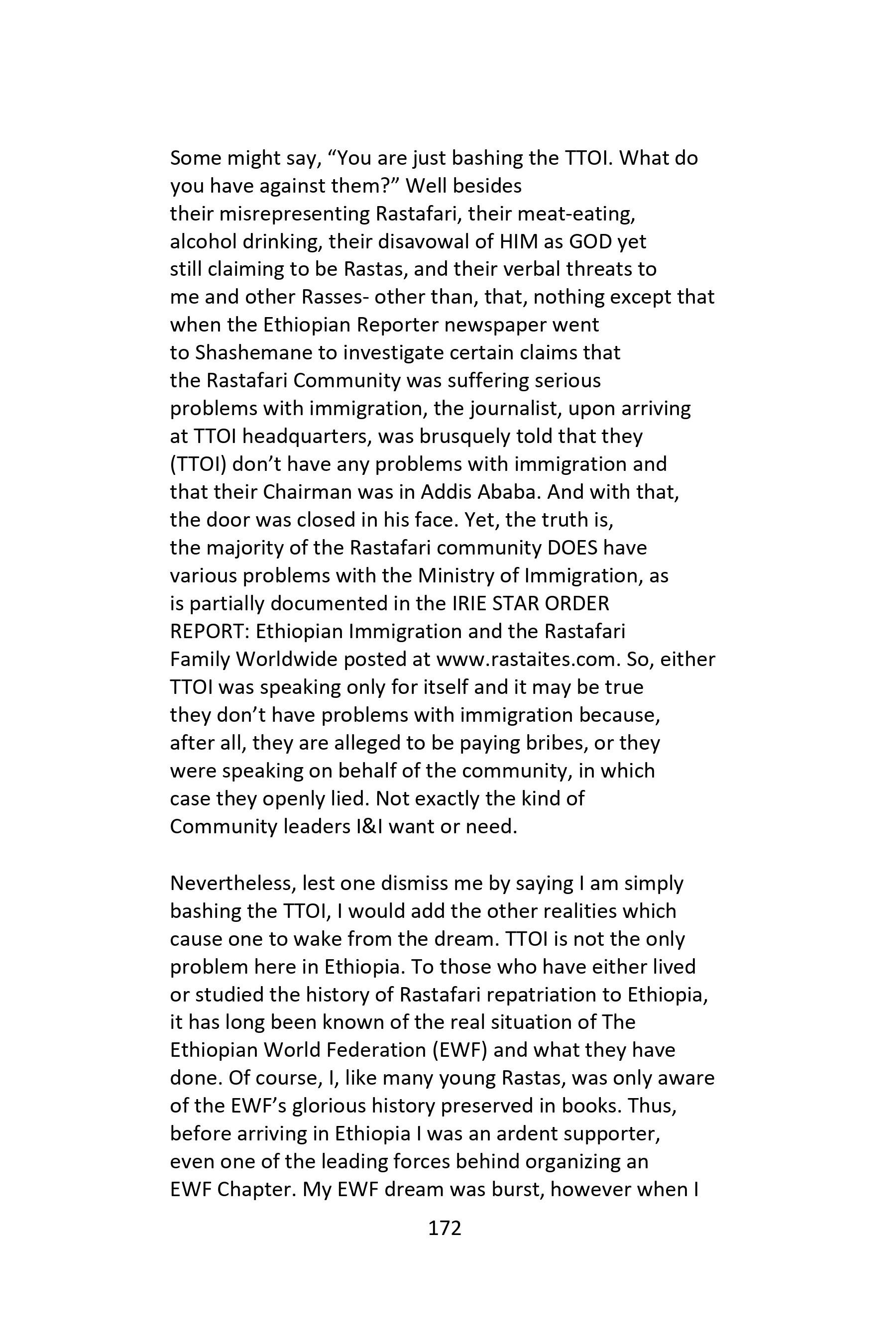
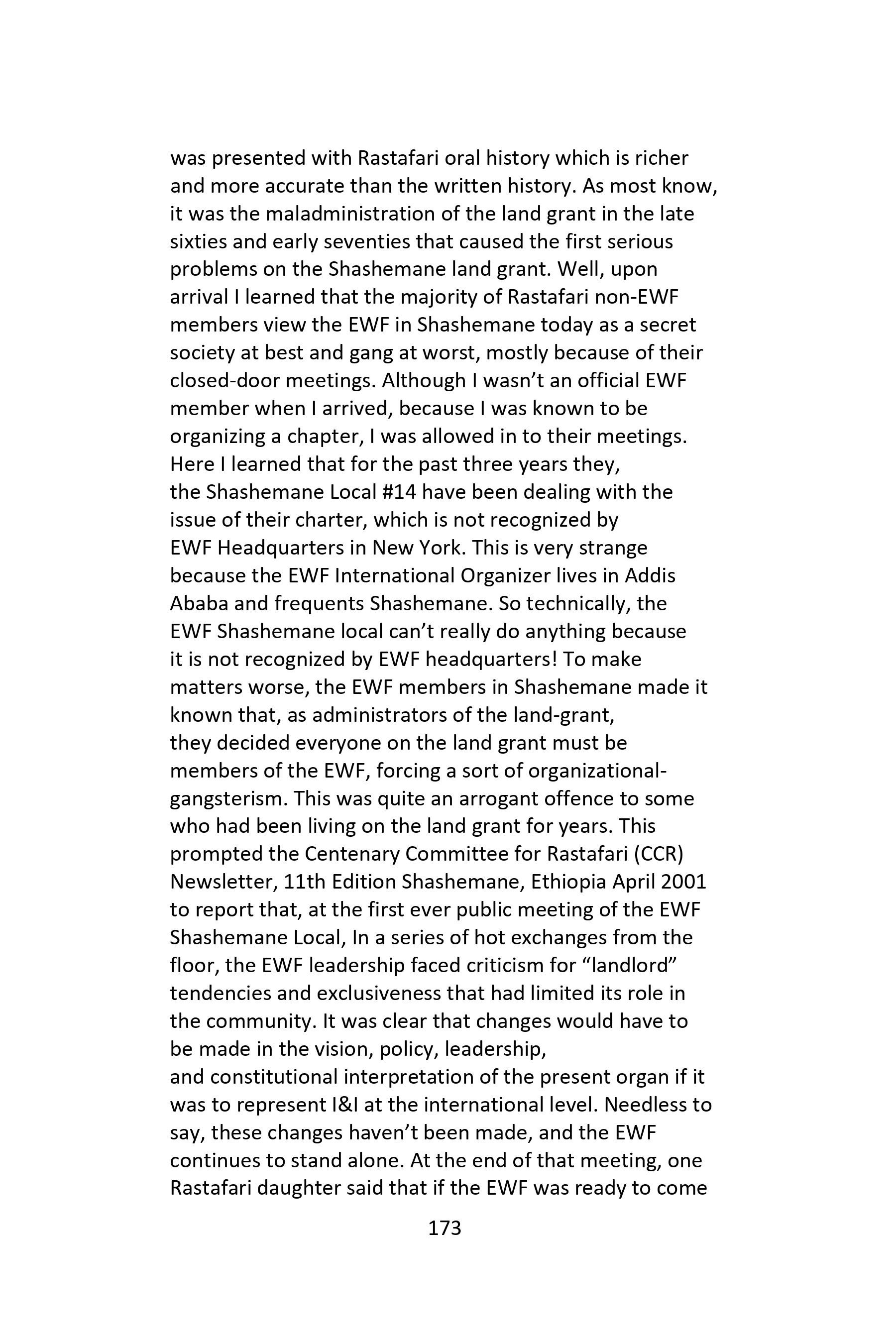
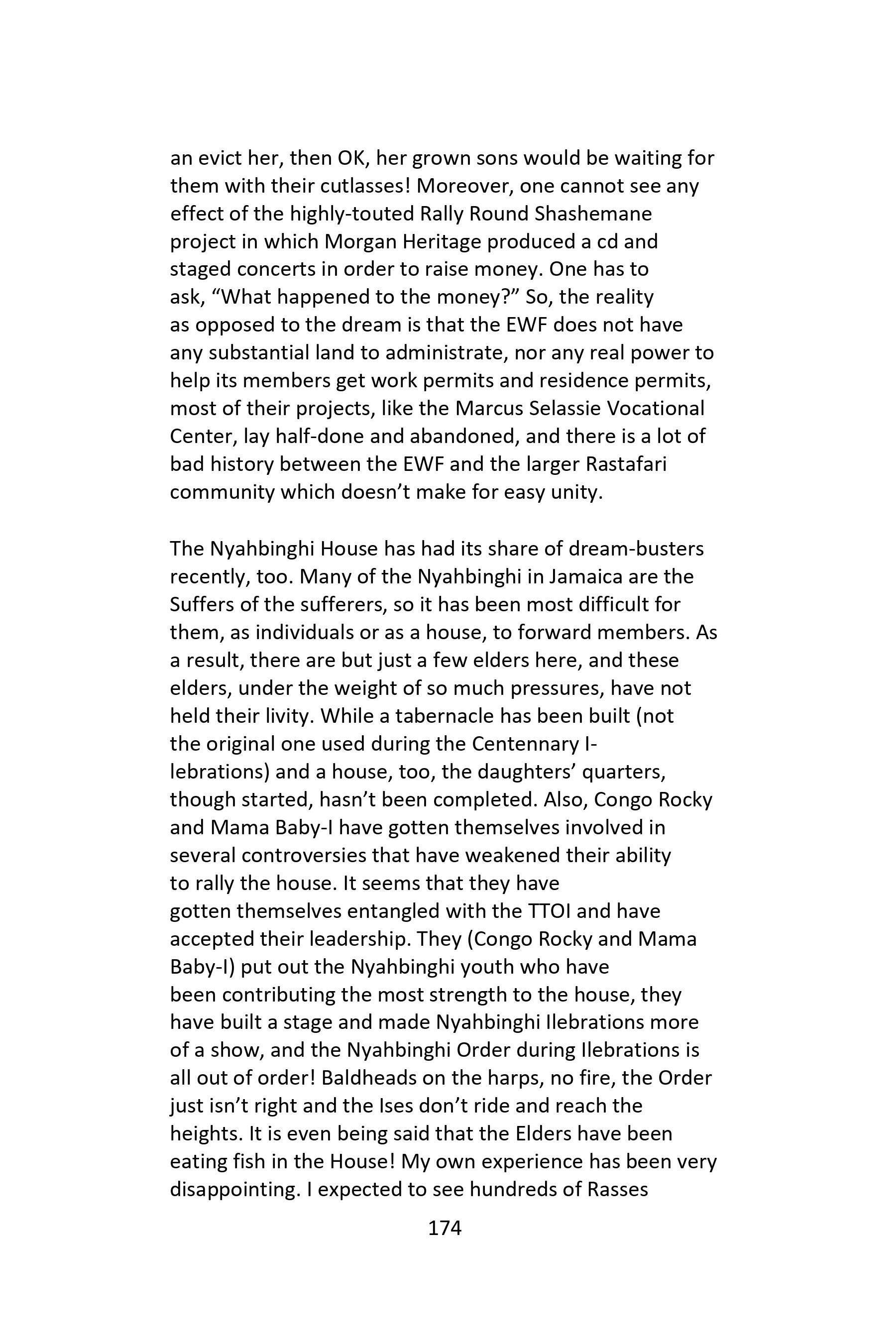
“ . . . it was the maladministration of the land grant in the late sixties and early seventies that caused the first serious problems on the Shashemane land grant. Well, upon arrival I learned that the majority of Rastafari non-EWF members view the EWF in Shashemane today as a secret society at best and gang at worst, mostly because of their closed-door meetings. Although I wasn’t an official EWF member when I arrived, because I was known to be organizing a chapter, I was allowed in to their meetings. Here I learned that for the past three years they, the Shashemane Local #14 have been dealing with the issue of their charter, which is not recognized by EWF Headquarters in New York. This is very strange because the EWF International Organizer lives in Addis Ababa and frequents Shashemane. So technically, the EWF Shashemane local can’t really do anything because it is not recognized by EWF headquarters! To make matters worse, the EWF members in Shashemane made it known that, as administrators of the land-grant, they decided everyone on the land grant must be members of the EWF, forcing a sort of organizationalgangsterism. This was quite an arrogant offence to some who had been living on the land grant for years. This prompted the Centenary Committee for Rastafari (CCR) Newsletter, 11th Edition Shashemane, Ethiopia April 2001 to report that, at the first ever public meeting of the EWF Shashemane Local, In a series of hot exchanges from the floor, the EWF leadership faced criticism for “landlord” tendencies and exclusiveness that had limited its role in the community. It was clear that changes would have to be made in the vision, policy, leadership, and constitutional interpretation of the present organ if it was to represent I&I at the international level. Needless to say, these changes haven’t been made, and the EWF continues to stand alone.”

EWF Update
- November 2, 2004
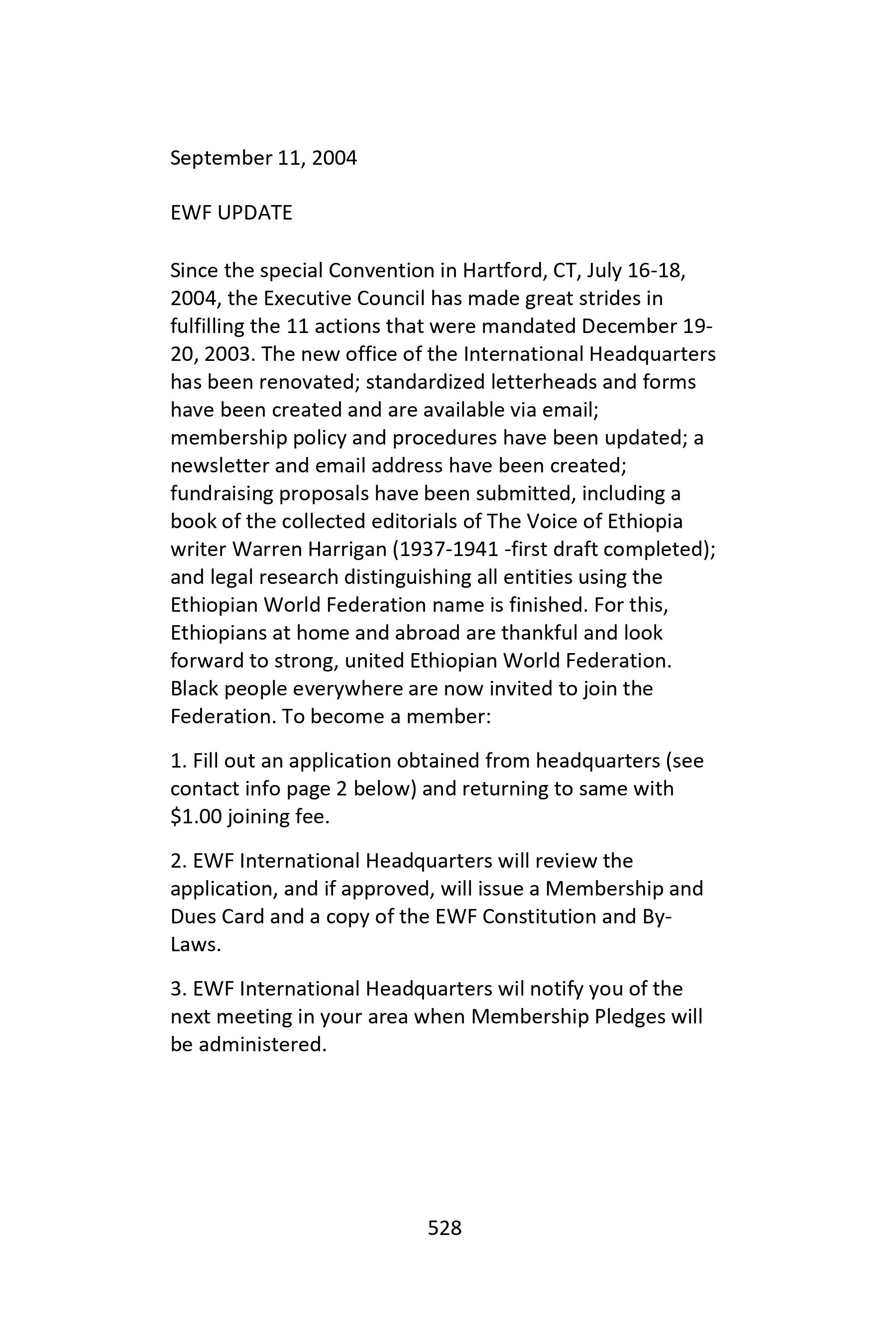
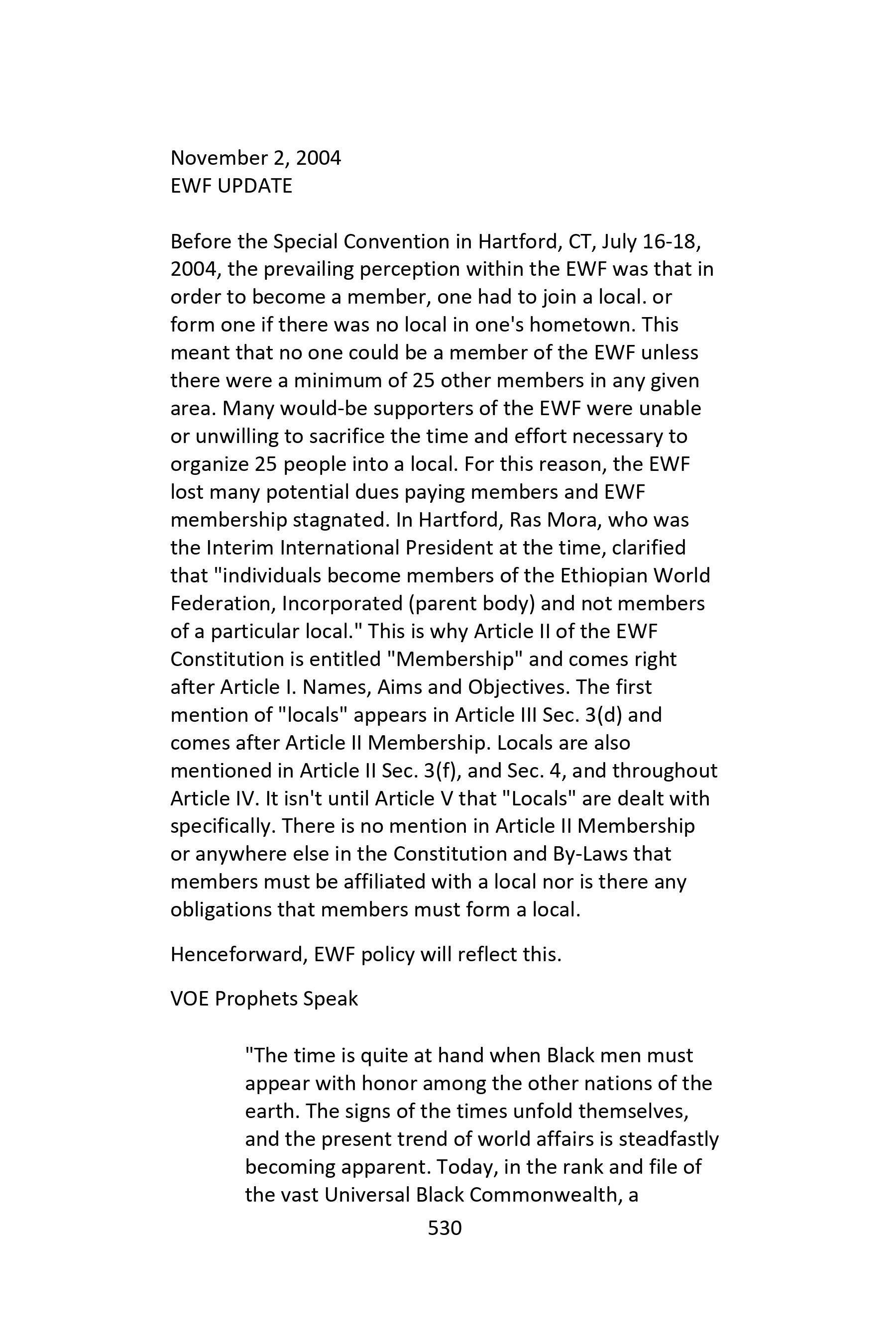
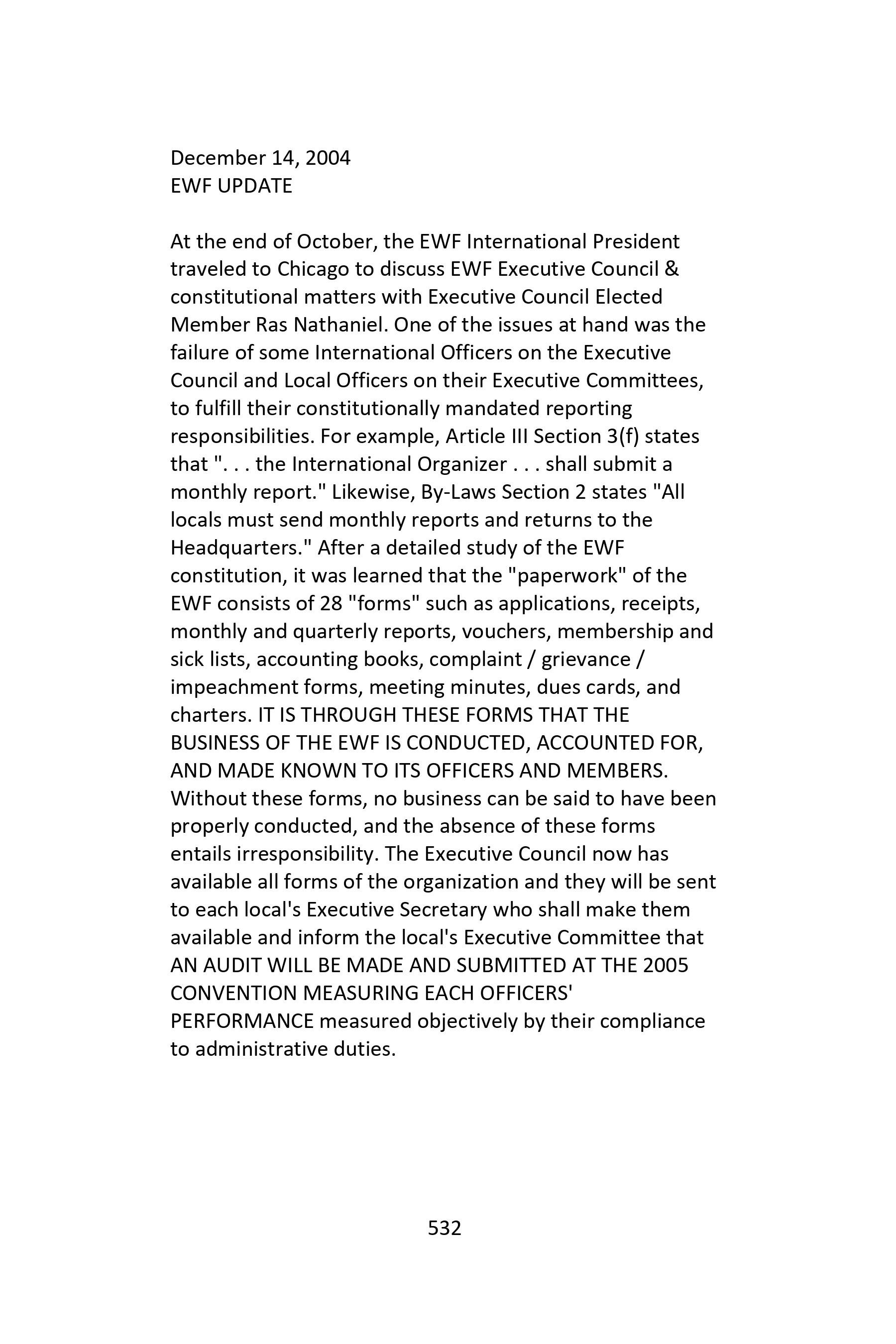
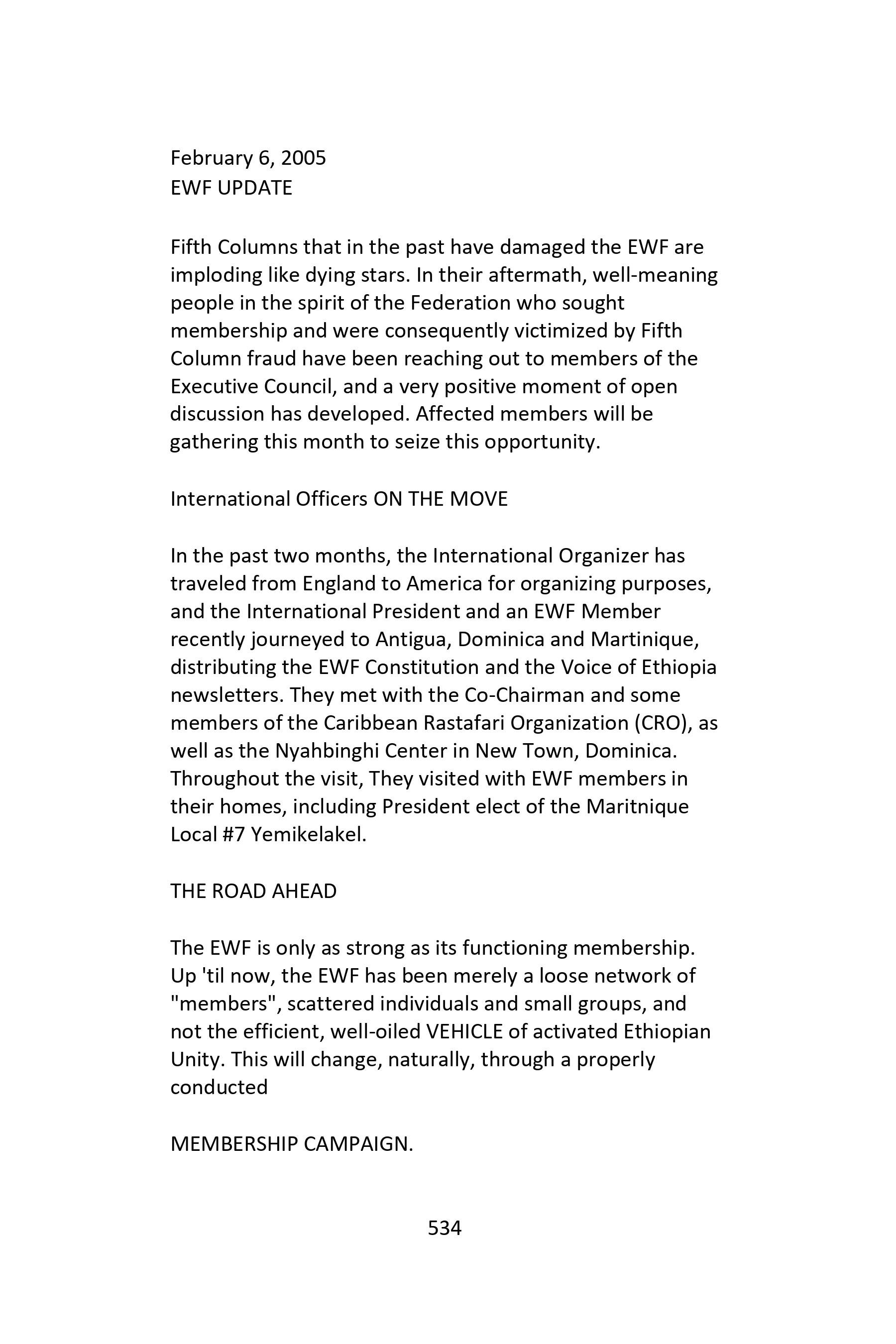
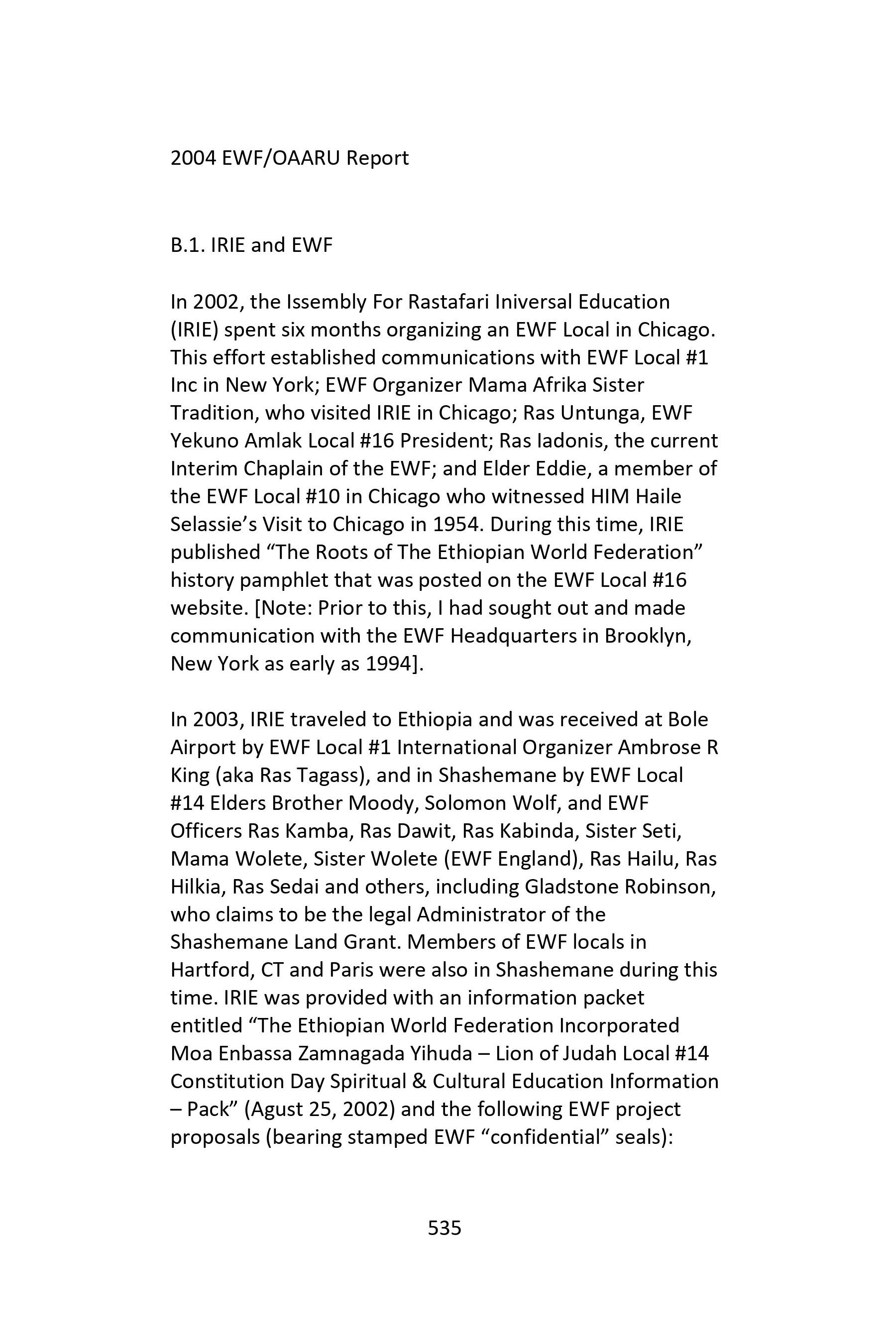
ETHIOPIAN MILLENNIUM REPATRIATION: RESTORING THE EWF AND THE SHASHEMANE LAND GRANT
- July 16, 2006
Shashemane 2006 celebration of H.I.M Earthlight : report from Ras Jahlisha from the Rastafari Nazarite Library
The July celebrations were marred by the accidental death of a 9 year old girl who was hit by an out of control car during the weeks leading up to the celebrations. This was a sure sign, for those aware. Just as months before there had been an earthquake that had split the road of the Kings Highway in an area called ziway over a hundred kilometres from the Shashamane land grant, I could read the signs, but was I alone? Was Satan about to make his play?
Three healthy brethren suspiciously died, the likelihood being poisoned, this could be put down to them having more than one woman at a time. Although Ethiopian woman can be the most attractive, they can be dangerous so be sure of their full intentions. what strikes me about Ethiopia is that judgemant reaches you fast, so when you visit be on your best behaviour.
A year ago a burial ground was given to the community where a sistren from the Binghihouse was buried, and recently a brother passed on to the surprise of the community and this land had been confiscated.
The town of Shashemane was now being called a "city". Expansion had come and with that greed, and the municipality/town hall were up to there eyeballs in corruption. They had now begun to confiscate land that was not occupied on the land grant, and had started to mark out new roads, even threatening to knock down the Nyahbinghi tabernacle, and peoples homes! They did not recognize the Emperor's land grant and the dialogue was "lease land" only!
Out of the legal 55 investments by Rasta and the diaspora, only 5 were up and running. They had lost my file for the third time, and the officers were refusing to talk with me, giving me the run around, after 2 years of trying to set a small factory to teach woman sewing, embroidery and silk screen printing. I was not getting anywhere, it was one foot forward and two steps backward!! Complaints had gone to the investment commission in Addis Ababa, but still there was dead lock.
As the days drew nearer to the celebration, it was evident that the Nyahbinghi order had no programme. They were all in pieces and disunity, from gossiping and putting each other down. The leader Congo Rocky had just gone through a list of allegations about how he 'brought fish and alcohol onto the church grounds' and that this was not permitted by the order. Also included in the allegations, 'holding Reggae shows', which had dropped the number of congregation that normally attended.
Another one of the Elders had just come out of jail for the third time. It seems that a white man from Belgium had started to buy up pieces of the land grant through a 12 tribes man and he had stayed with the elder then moved all his friends in. He then attempted to throw the elder out of his own house claiming it was now his and even paid the police to put him inside when he became angry.
It seemed some 12 tribes were more interested in making money off the Emperor's name, and only a hand full of sistren had not lost the plot and knew that holy day was about getting the message across. The Bobo Shanti kept a low profile, after their leading priest had assaulted a woman earlier in the year.
The EWF Ethiopian World Federation were at loggerheads with the JRDC Jamaican Rastafarian Development Community, who had declared themselves the community leaders and represented the voice of the community.
A huge ganja bust had happened and it was on TV , which gave rise to the Pentecostal Church to start demonstrating that Rasta should leave Shashamane. This was backed by locals who claimed that the Jamaicans were abusing their woman, not marrying them before sexual relations.
It seemed to me that within the space of two weeks before the celebration hell was breaking loose and I wondered, would I be the next victim? The night before the celebrations I walked to the 12 tribes HQ an Ethiopian sister had just gotten off the bus from Addis Ababa (a 250 mile journey) to celebrate. 2 local youths approached her and asked for some change. She put her bag down to go into her purse and the youths then snatched her bag running off into the night stealing her bag.
It was only 15 minutes later that the police showed up looking for a local thief who had just stabbed a student to death down the road. He had just come from Addis Ababa for the celebrations. All I could see was death, blood and thievery!
A mixed race herbs dealer from London had been spreading rumors about me. He was accusing me of all manner of nasty things, whilst a white woman was saying I was some false Rasta!!! The Shashemane community is small and was into small time gossip, in each others business, so all of a sudden I was the talk of the town. It seemed they found great pleasure in belittling me. This small island, 'countryside' mentality is something the community is known internationally for now, in deriding each other and spreading lies. They seem to be known for begging money out of you, trying to make you feel that they are doing some great duty in staying on the land and defending it for you.
On the day of the celebration which was to start in the early hours before sunrise, a sizable congregation appeared at 10 am. An international body of people, it was poorly attended compared to other years. Next on the programme was the parade that was to go past the land grant into town and return. This again was poorly attended because of the division of the Nyahbinghi and the EWF.
The Rastafari Nazarite Research Centre was to do an annual lecture in the Binghi tabernacle. This year it was on Sacred Objects in Science and the Metaphysics of Rastafari but this clashed with the EWF afternoon programme, so the attendance to the lecture was small. It seemed to me that those man who call themselves Nazerenes would show support, which was non existent. With further investigation I went into the house on the Binghi grounds before the lecture and found them sitting in conference with a white man discussing how much they would charge him for taking some photo. This was a violation of the order seeing that money is not to be spent or passed hands on that sacred day.
To I the celebration showed a complete lack of planning from all the mansions, disunity, misleadership, envy, jealousy and hatred. What I found missing was the teachings of Yeshua the Christ, the Nazarene, who showed forgiveness, tolerance and the love for unity. Just putting locks on your head and saying Rastafari is not enough! Unity is Jah and if they can't achieve this process the development of Repatriation or migration in Shashemane will stop.. In all this negativity going on the Jah sent his angel in the guise of the president of St Vincent, who was prompted by the Binghi house in the Caribbean had come to Ethiopia to assist the situation, he spoke to the president of Ethiopia on the land issue and getting legal status for the ones living in the community, however the Binghi house in Shashamane were to follow this up, and since then nothing has been said or done by the bretheren or sistren. We can't expect Elders or an Ancient as he would rather be called to administrate the house,.... he may have the wisdom but the energy and education needed could be lacking. We need young blood bretheren fired up with enthusiasm and the zeal! If you are coming to Ethiopia for the millennium and are planning to visit Shashemane you need to safe guard your items, money should be kept in a hidden money pouch/wallet. Ethiopians will generally be curious about you, and groups of youths will surround you innocently, so always be aware,... getting off and on buses with your bags... people will offer to assist you and say its no problem but will ask for money for their help. Getting into or off mini bus taxis is when pick pockets usually strike. If you are walking around at night in Shashemane always walk in groups, and if you are staying at a hotel in town its best to prebook a taxi to drop you home after you have finished. During celebration times and national holidays petty crime seems to rise. If you get something stolen and it is valuable and you need it back it is advisable you give the police some small change to assist him in transport and food, and that will prompt a more detailed search, and there could be a slight possibility you might get some of your belongings back.
Places to stay in Shashemane is the Spengman guest house 251 916821898 or 251916821828, Ras DC quest house 447958254007, Jamaica Inn hotel 251916829941, Lily of the Valley hotel 251461102732, Majestic hotel 251461102710. There are various eating outlets, but for a strictly ital dish find a brethrens house. There are factors to why things are so bad. You have a criminal element, the wolves in sheep's clothing. You have the uneducated and backward who are living in the past and can't move forward.
Whilst I was in Ethiopia I worked with Dr Desta's Children's Village working with homeless youths and beggars. I taught in schools, and created my own Baseball club for boys and girls. I generally tried to help people and for my efforts I was slandered and put down by so called Rasta!!!!
So the message I wish to share with you is that if you are doing His Majesty works and the works of Yeshua the Annointed, stand firm in your good works, and don't be deterred. The simple fact that I started to build a pyramid in Shashemane and have a statue of Haile Selassie, probably the only one in Ethiopia, was highly controversial with so called Rastas, because of there backwardness and miseducation and envy. But please don't forsake your dreams. Africa is your heritage and you can do it, so don't give up.
You could visit Shashemane and have the most spiritual and wonderful time of your life. 2006 was heavy and the signs were everywhere for me, but don't let these few words put you off. Shashemane needs you, and your positive input. I hope you have a happy millennium in Ethiopia in 2007.
Jah bless.
Ras Jahlisha Israel.
************************************************************************************************************
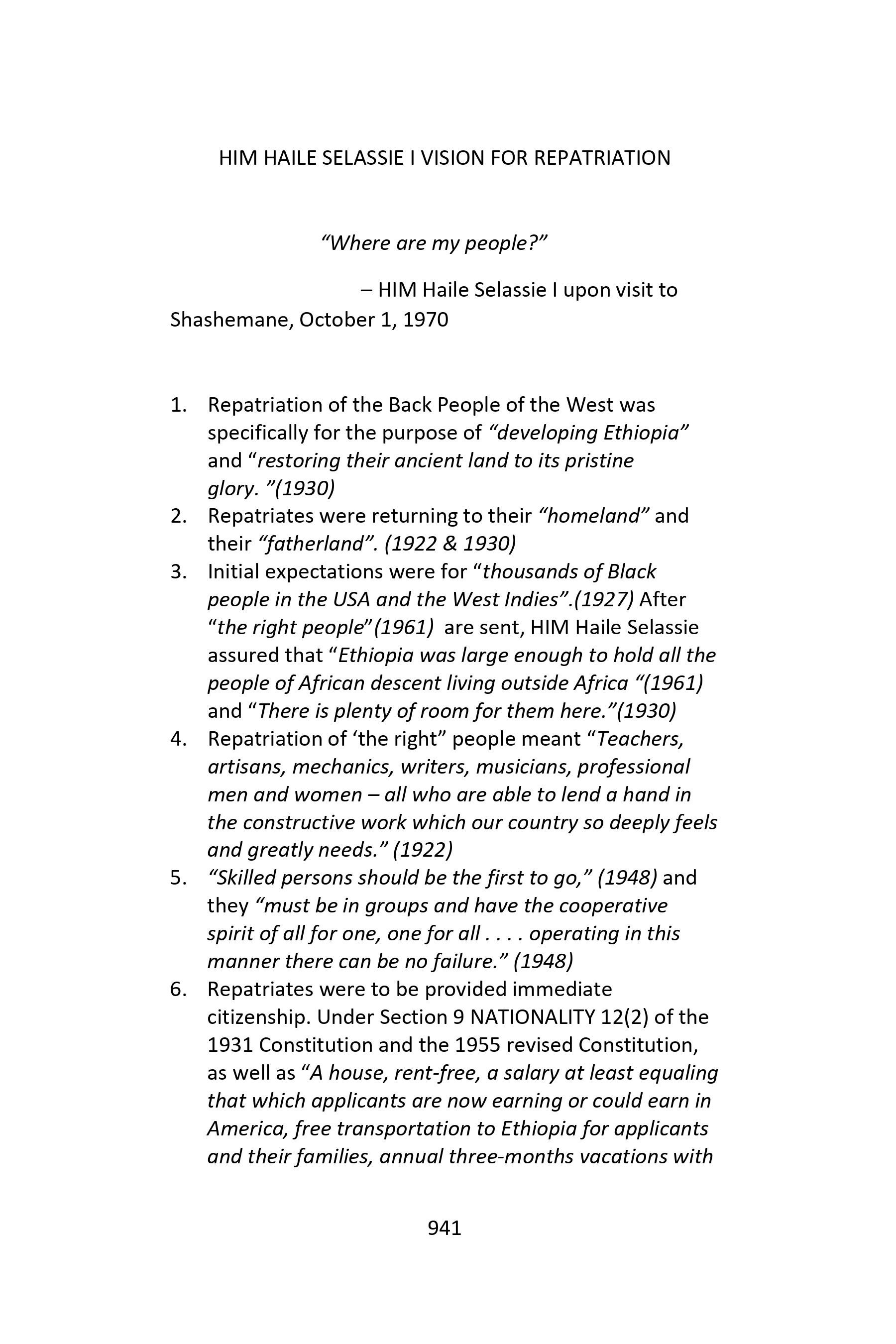
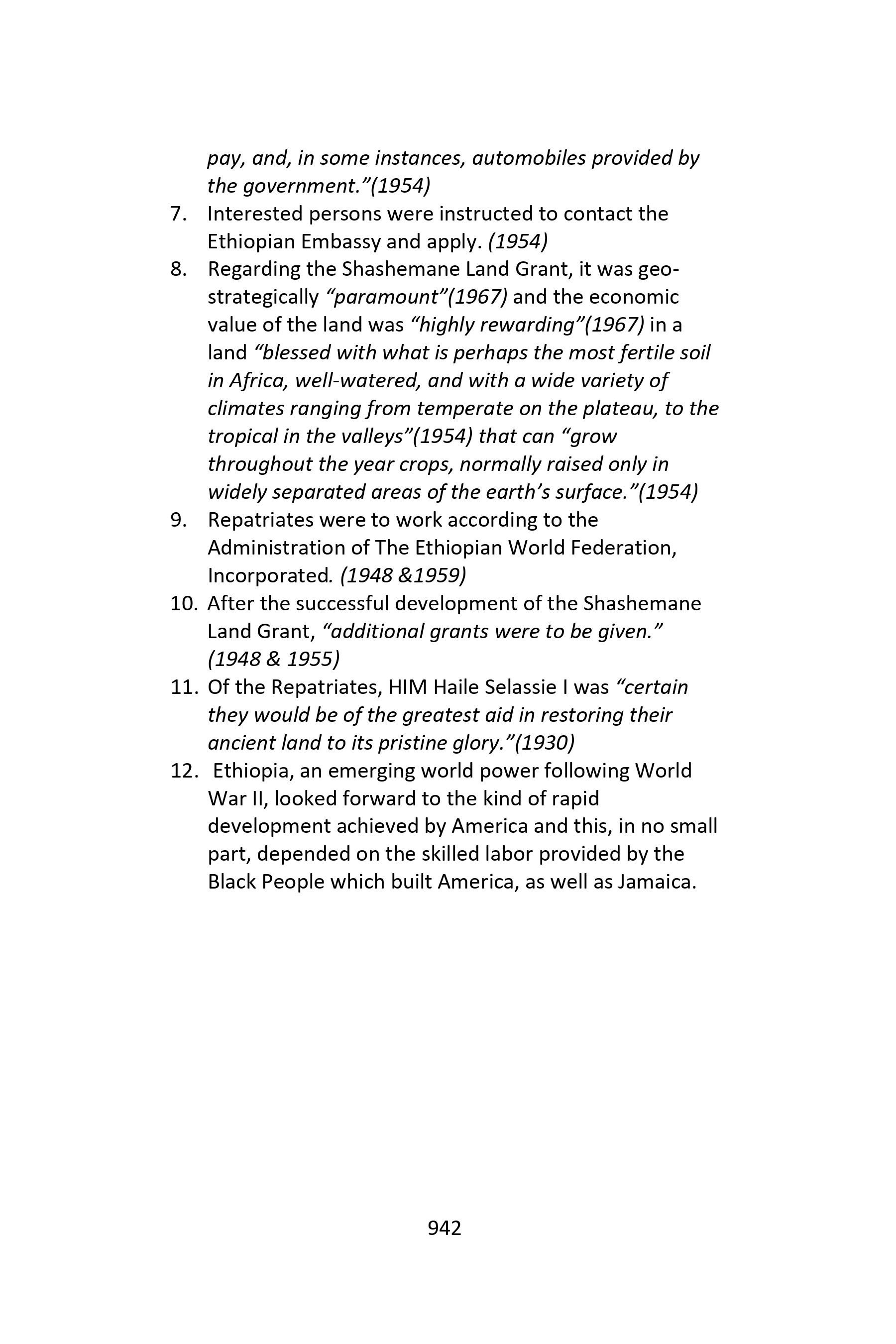
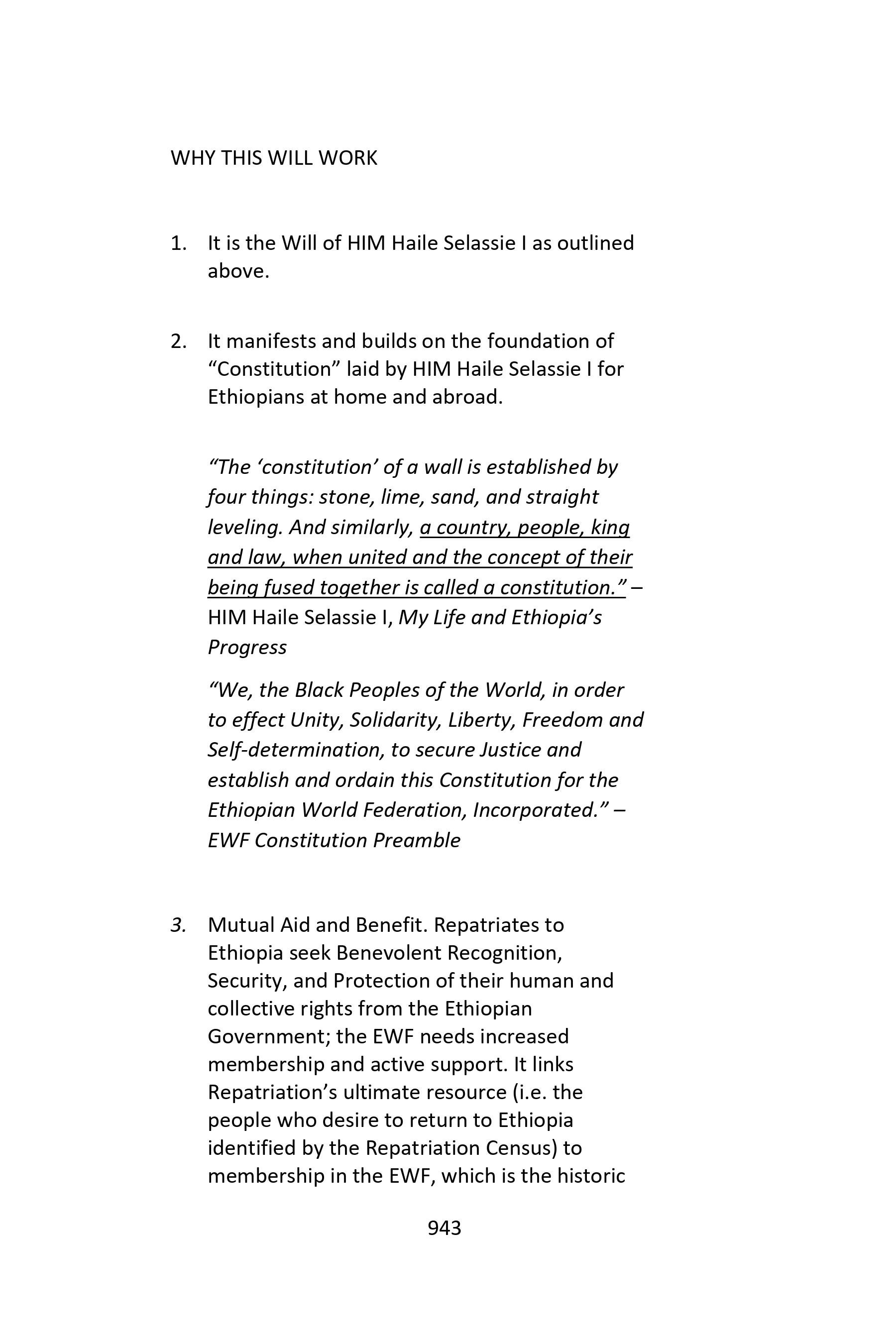
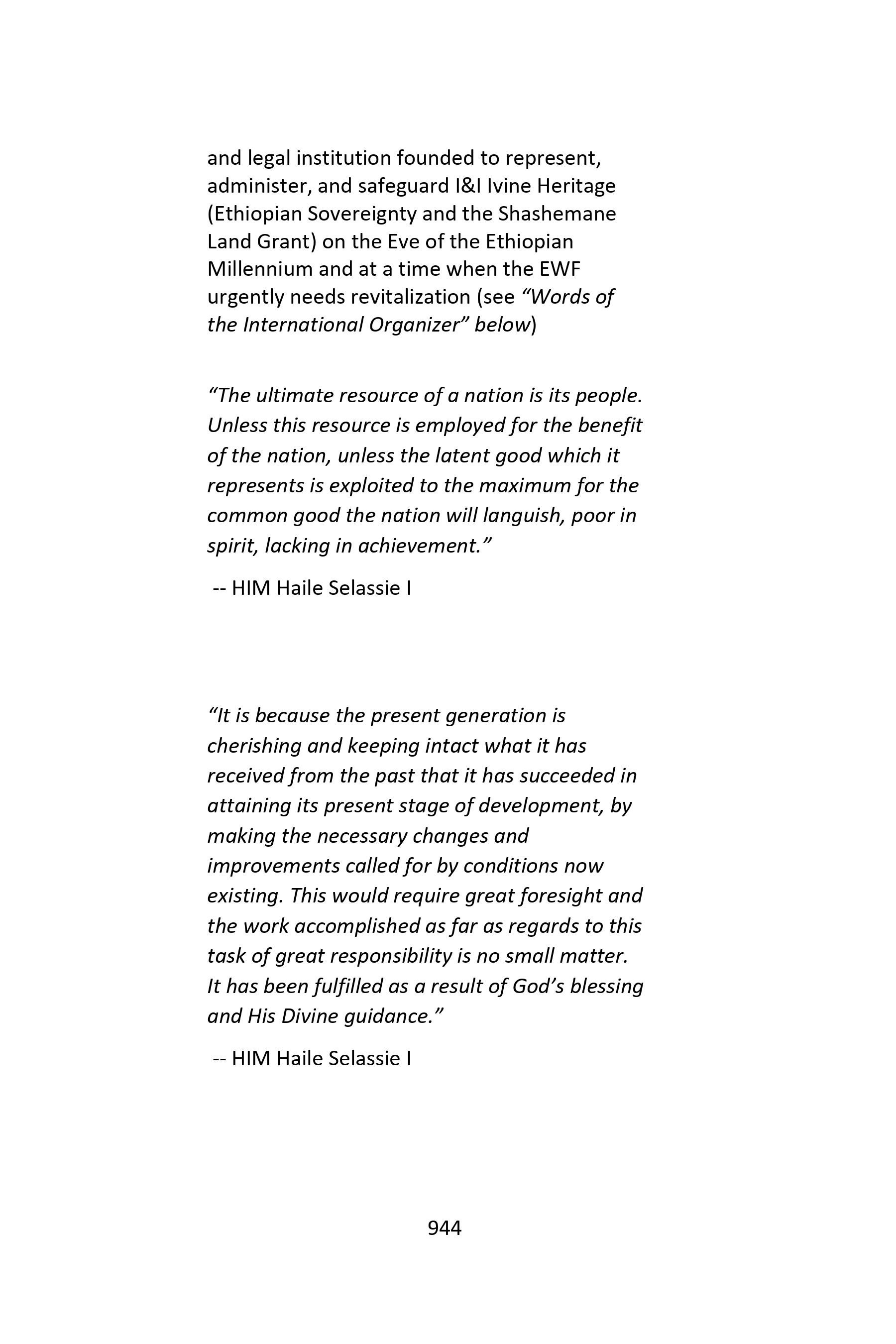
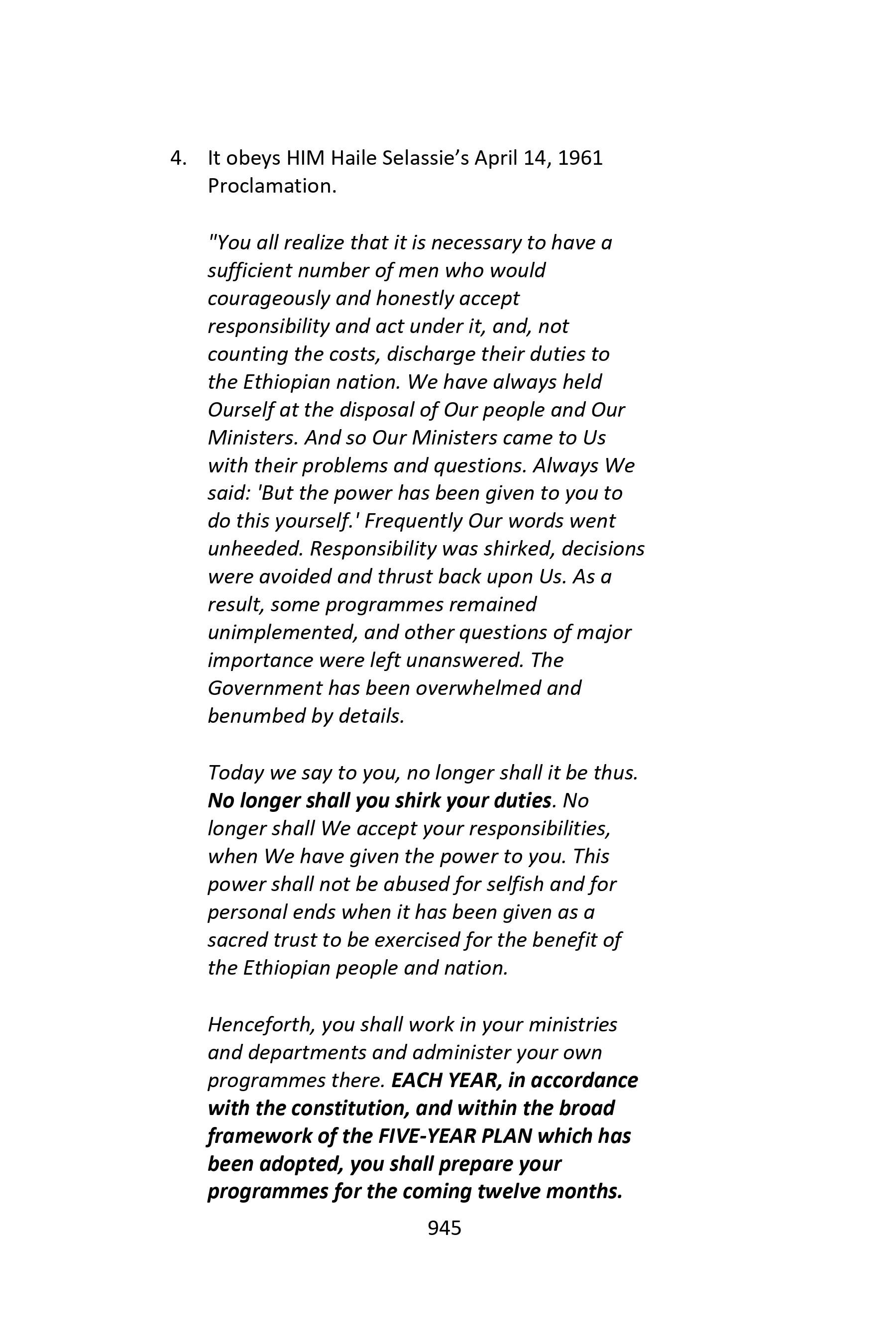
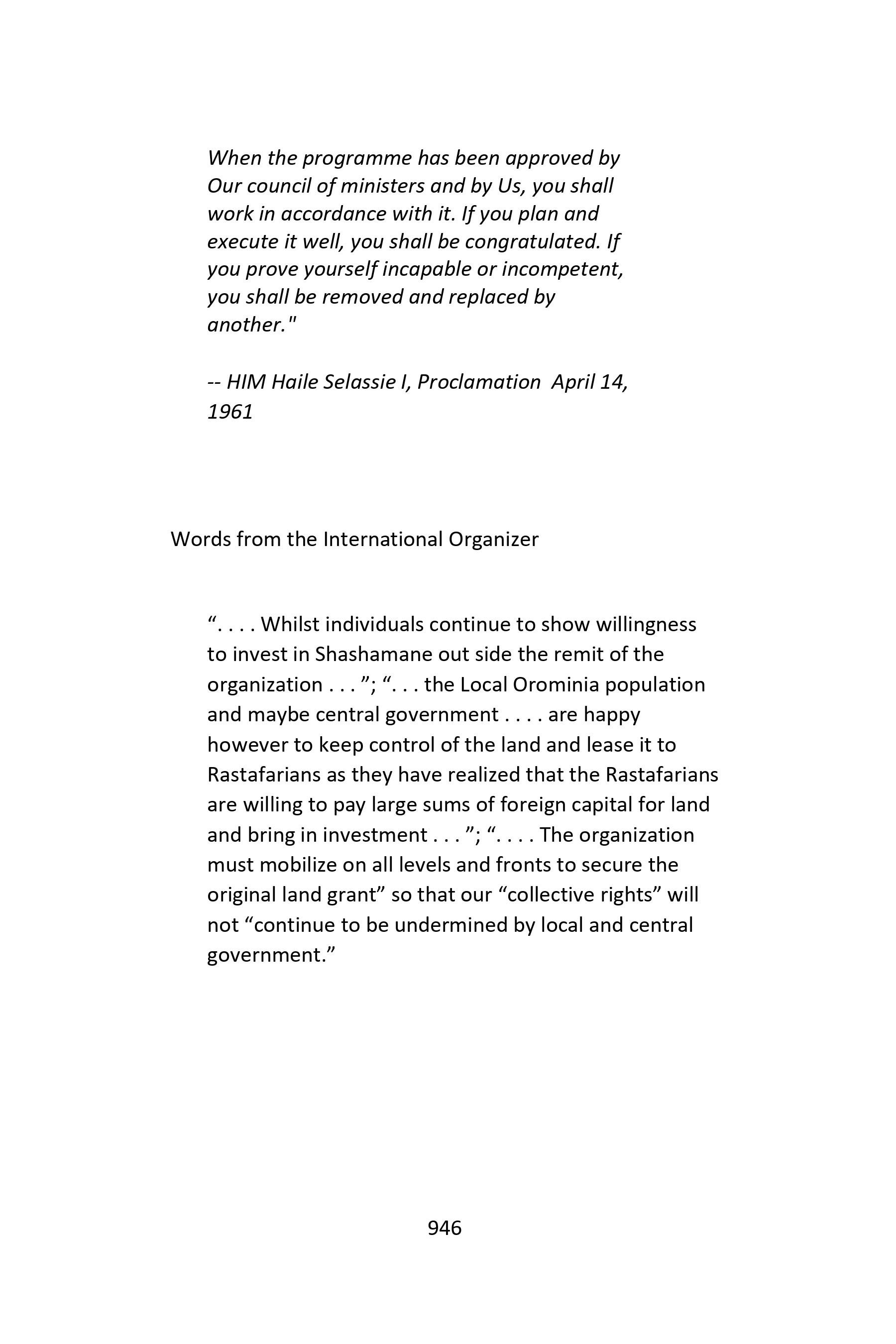
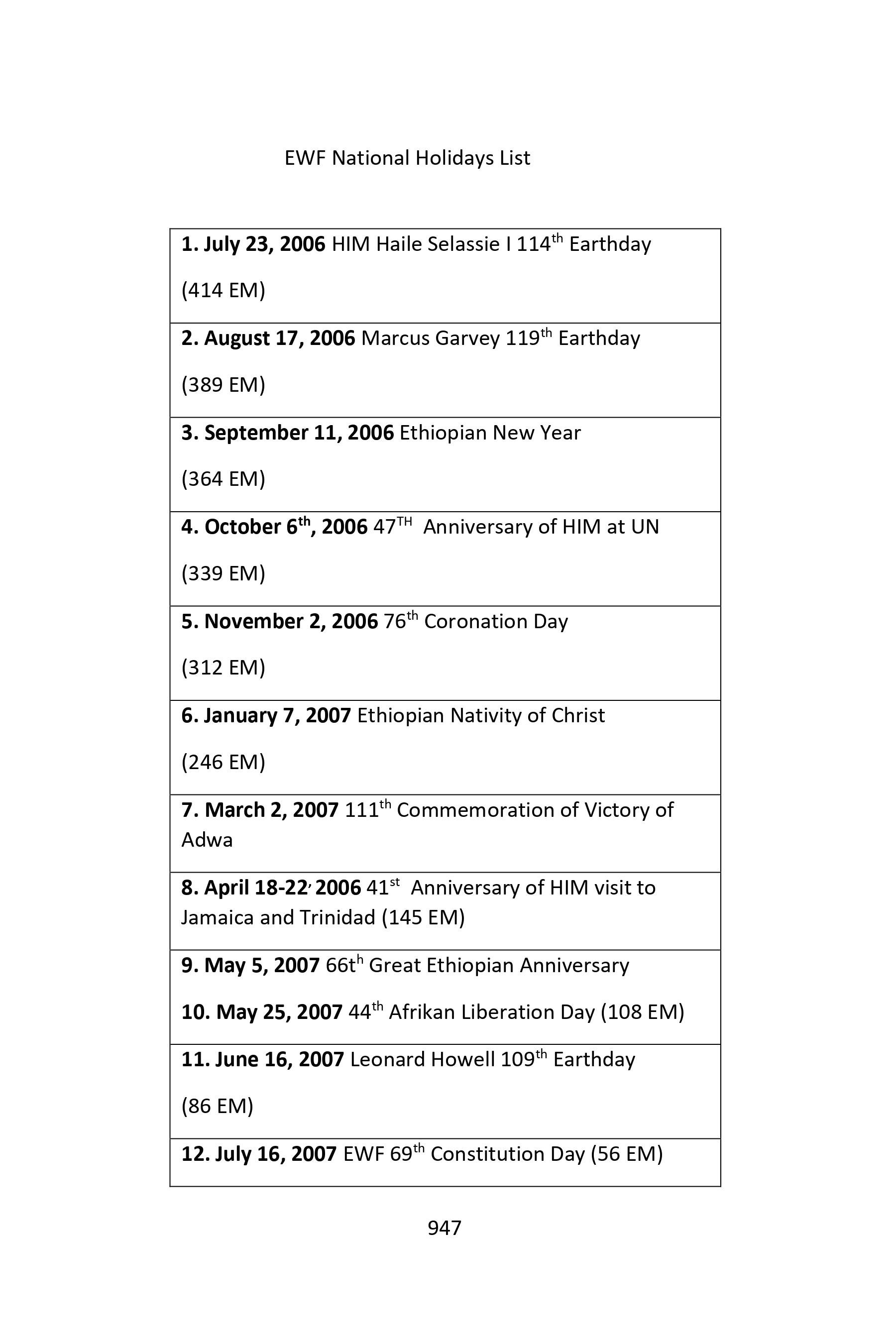
HIM HAILE SELASSIE I VISION FOR REPATRIATION
*****************************************************************************************************
In 2017, the Ethiopian government adopted Ras Nathaniel’s immigration policy recommendations and finally recognized Rastafarians as nationals by issuing them with identity cards. The decision meant that they can enter the East African nation without visas and live without residence permits. This was an important step, not only because it gave them the right to legally live in Ethiopia, but also because it stopped the payments "illegal residents" had to make in order to be able to travel outside Ethiopia.

According to a 2019 article by Maria Gerth-Niculescu,
“Internal squabbles, economic struggles and the difficulty of integrating with the local Ethiopian community have led many Rastafarians to leave town, either to find work in the capital Addis Ababa, or to move to another country. Only about 200 still live in Shashamane. In the late 90s, they numbered approximately 2,000.
Recently, the Ethiopian government started the allocation of national residence cards to Rastafarians who have been living in the country for over 10 years. This was an important step, not only because it gave them the right to legally live in Ethiopia, but also because it stopped the payments "illegal residents" had to make in order to be able to travel outside Ethiopia. According to Ras Paul, "Now it's their chance to travel, see their families, they can come back when they want to... I'd say about a third of the population is out of the country now."
The allocation of the residence permit, which gives Rastafarians the status of "Foreign National of Ethiopian Origin”, was celebrated as a major step towards the community's recognition and integration. They now have the right to work and can legally send their children to school. But it is not enough for some. "I consider myself to be an Ethiopian returned home, and I have no desire to leave this country to live anywhere else," Ras Kawintesseb, who born in Trinidad and Tobago, said.
"It makes sense to me that I get to become an Ethiopian citizen. I'm not satisfied with being a foreign national, so I've applied for my Ethiopian citizenship," the Rastafarian who landed in Addis Ababa 23 years ago added. Married to an Ethiopian, Ras Kawintesseb is in touch with the Ethiopian community through his family and his multi-lingual music. But that's not the case for all Rastafarians in Shashamane: some are afraid that Ethiopians want to take their land away; others haven't had the chance to learn Amharic or adapt to the Ethiopian culture.
Ras Paul says he wishes to mingle more with Ethiopians. "But here it's very tense, because of the political problems of the country and the political emphasis on the land grant. There is big tension here, attacks on Rastafarians, seizing of Rastafarian land… Most of us have a story of a house being burgled, especially on his Imperial Majesty's birthday. On our most holy days they target us," he exclaimed, aggrieved. “
According to Dominik Frühwirth
“the new ID cards for Rastafarians made them eligible for a diaspora account, including diaspora housing and business loans (for those with business licenses), from his bank. In general, he explained that the new ID alleviates the main grievances of the Rastafari community in Ethiopia, namely land and property issues, as all with such an ID can now legally register their houses and property. Stories of Rastafarians losing their property are among the main causes of conflict between Rastafarians and local Ethiopians. Therefore, he reassured them that although “being in Ethiopia as a foreigner is very hard, but with the ID things will change”.
Disillusioned by the situation with the EWF and the development of the African Union 6th Region, in 2007 after the African Union Grand debate held in Accra, Ghana, Ras Nathaniel, now “Siphiwe Baleka” went on to fulfill the Repatriation mission in his ancestral homeland, taking what he learned from his experience in Ethiopia and applied it to launch the Decade of Return Initiative in Guinea Bissau, negotiate citizenship for the descendants of people taken from Guinea Bissau and enslaved in the Americas, and serving at the Coordinator for the 8th Pan African Congress Part 1 that was organized by Her Excellency Ambassador Arikan Chihombori Quao and was to be held in Harare, Zimbabwe at the end of 2023. As Siphiwe Baleka, we went on to Champion Afrodescendants' Right of Return and Holds Vatican Accountable for Reparations for Ethnocide @ the 85th Ordinary Session of the African Commission on Human and Peoples' Rights and became recognized as the Afrodescendat Prophet and Theocratic Special Envoy Extraordinary and Reparations Expert that was the voice of truth at the 9th Pan African Congress.