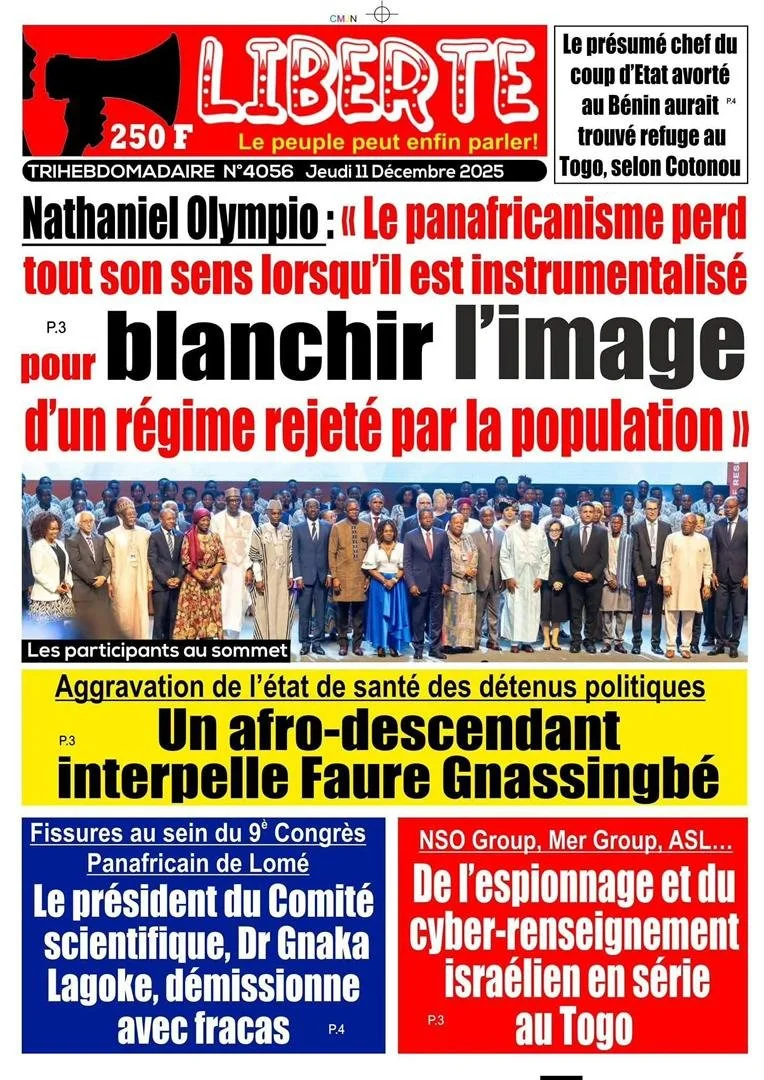
Journal du Togo ran the following story:
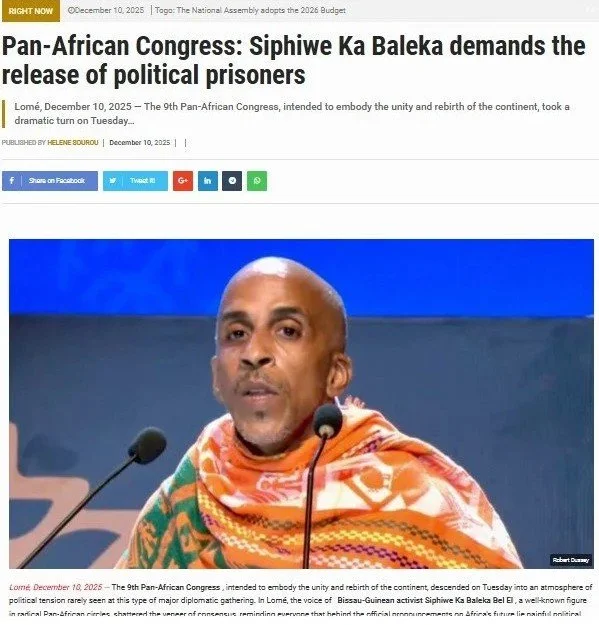
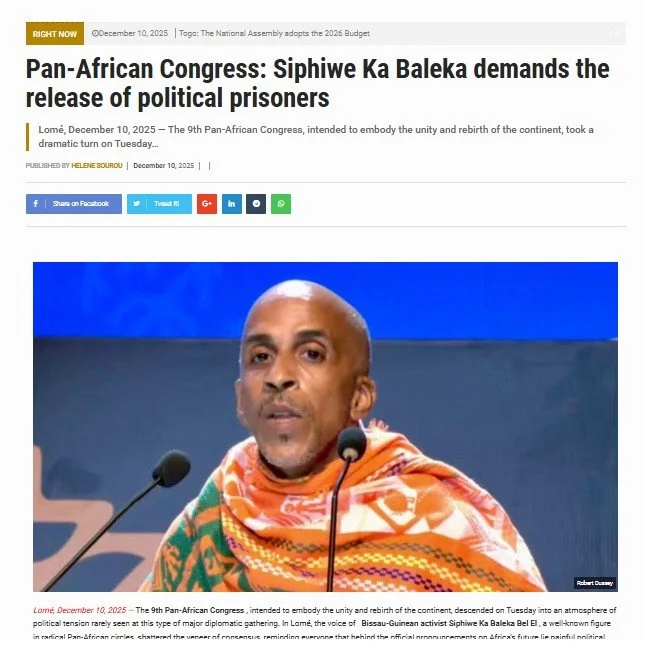
“Pan-African Congress: Siphiwe Ka Baleka demands release of political prisoners
Lomé, December 10, 2025 — The 9th Pan-African Congress, supposed to embody the unity and rebirth of the continent, overturned on Tuesday...
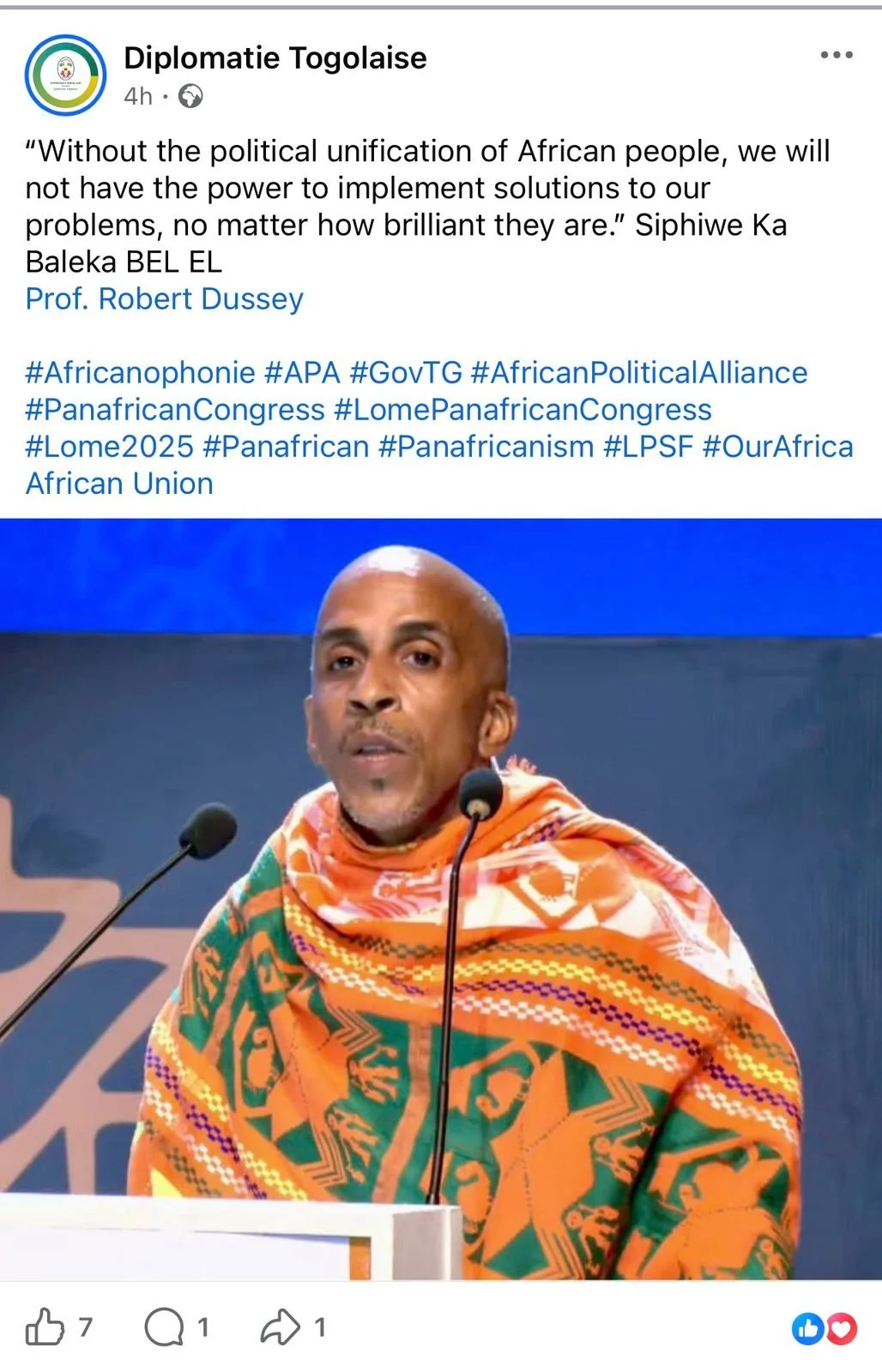
The 9th Pan-African Congress, supposed to embody the unity and rebirth of the continent, flipped on Tuesday in an atmosphere of political tension rarely seen in this type of diplomatic mass. In Lomé, the voice of Guinean-Bissau activist Siphiwe Ka Baleka Bel El, a figure known in radical pan-African environments, has broken the consensual varnish, reminding that behind official speeches about Africa’s future lie painful political realities.
Under the jelly eyes of the audience, Siphiwe Ka Baleka, a well-known figure in radical Pan-African communities, took the microphone to launch a direct charge:
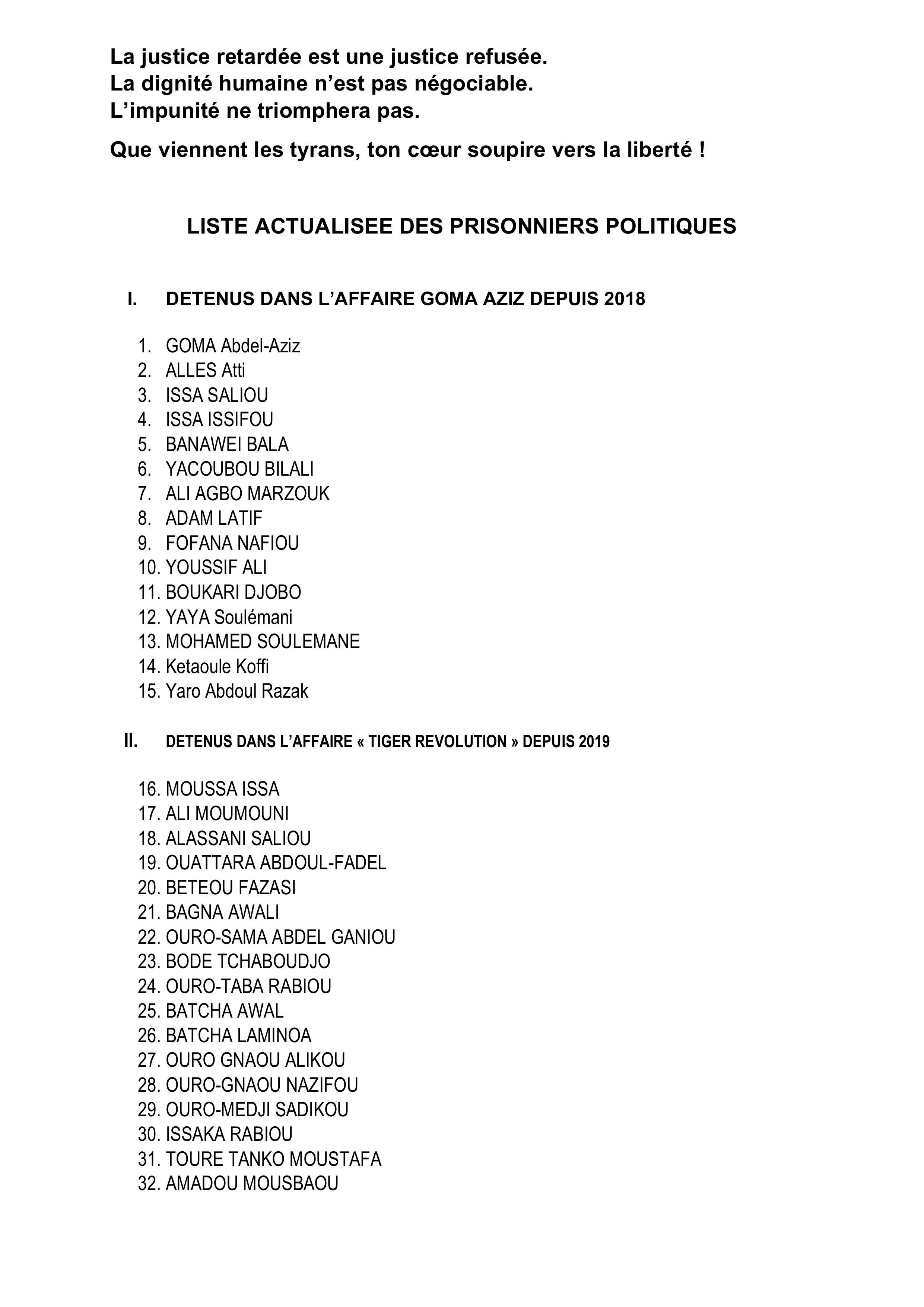
"How can we talk about African rebirth when our host country still holds dozens of political prisoners in its jails?" »
Without hesitation, he continued:
"This congress is organized on the backs of the Togolese people. Many of his sons and daughters are in exile, others are dying in prison for simply expressing a different opinion, and some are still suffering inhumane treatment. »
While denouncing the situation of political prisoners in Togo, the speaker has highlighted a fundamental contradiction. His charge was not only directed against Lomé, but also against a broader tendency: that of institutional pan-Africanism that is hard to confront persistent authoritarian practices on the continent.
Reminder of the "Original Crime": the shadow of Sylvanus Olympio
Siphiwe Ka Baleka put his speech in a historical perspective, recalling the assassination of the first Togolese president, Sylvanus Olympio, on January 13, 1963. Presented as one of the founding fathers of modern Pan-Africanism alongside Kwame Nkrumah and Patrice Lumumba, Olympio, according to him, embodies the "original crime" that would have diverted Togo from the path of dignity and justice.
By summoning this memory, he intended to write the current criticism in a historical continuity, that of a country that, in his opinion, has never found the path to dignity. Thus, the whole question of the legitimacy of the post-independence African states was questioned in watermark.
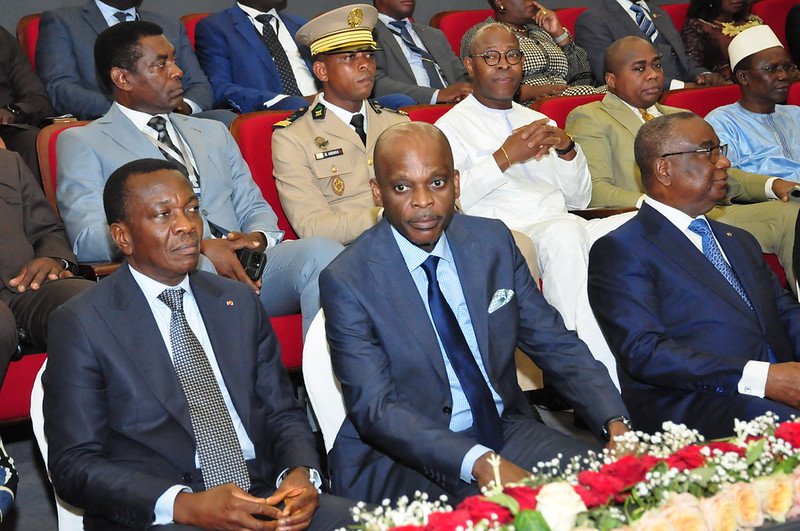
Siphiwe Ka Baleka interrogates Minister Dussey directly
Focusing on the Togolese Minister of Foreign Affairs, Robert Dussey, who presided over the session, the activist made a solemn request:
"I humbly ask, here, before all of you, that Togo take the initiative, during this very congress, of a strong resolution for a general and immediate amnesty for all political prisoners. That would be the greatest gift Lomé could offer to Africa and its own people. »
In an already electric climate, Siphiwe Ka Baleka added, not without worry:
"Honestly, I wonder if I'm going to be targeted after saying this." Is this the African renaissance we celebrate? Pan-Africanism where we still have to talk about fear in the stomach? »
The direct interpellation to the minister, with the request for a general amnesty, has indeed given a strong symbolic scope at that moment.
Uncomfortable and applause
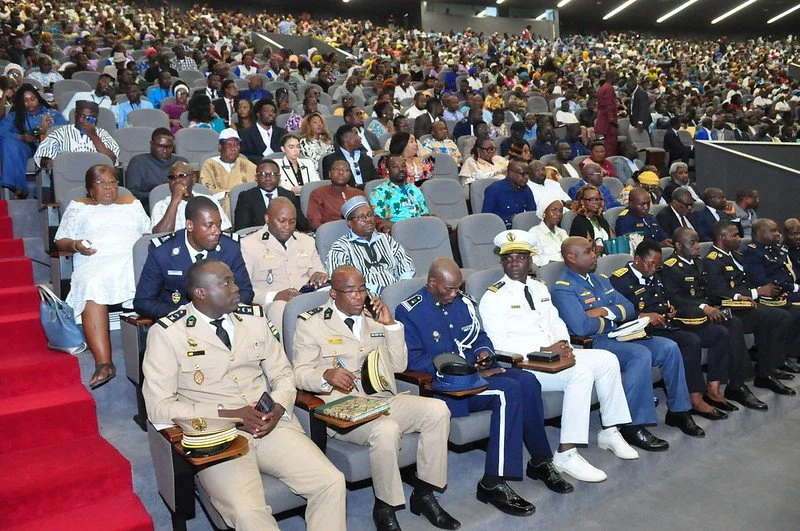
The room reacted in dispersed order: applause nourished on one side, icy silence on the other. In an event usually locked by strict protocol, this speech broke the consensus.
Expanding his speech, Siphiwe Ka Baleka quoted Cameroon and its own Guinea-Bissau, where "dozens of opponents are being hunted, imprisoned or forced into exile." And to conclude :
"True pan-Africanism cannot be just a diplomatic showcase. It must begin with the liberation of all those who fight for the dignity of their people. »
In doing so, the episode turned into an act of global protest against African authoritarian regimes. Besides, the mixed reaction of the room reveals discomfort: the Pan-African Congress, often perceived as a diplomatic showcase, is confronted with its own fragility. Can it be a genuine debate space or does it remain an instrument of legitimacy for the powers in place? The activist's intervention exposed this tension.
Congress is already under tension
It is important to remember that Togo is going through a period of political crunch: constitutional reform contested in 2024 arrests of militants, exile of opposition figures. In this context, the organization of the Congress appears to many as an international communication operation. So the activist touched a sensitive nerve: the dissonance between the image that the regime wants to project on the outside and the reality experienced inside.
Exiting the room, some delegates of West African civil society cheered: "Finally, someone has dared to say out loud what many were thinking down low. "Others, more cautious, feared that this exit would serve as a pretext for toughening the regime.
An interpellation that will remain in the annals
At the moment, neither Minister Robert Dussey nor the Togolese presidency have reacted. A senior official of the organizing committee went down to recall that "all voices are welcome in the spirit of pan-Africanism," while emphasizing that "domestic policy matters are part of national sovereignty."
Whether Togo responds to this amnesty request or not, the episode will remain as a hinge moment of congress. He recalled that Pan-Africanism cannot be reduced to slogans or protocol ceremonies. On the contrary, he has to face political realities, prisons, exiles, imposed silences. In this sense, Siphiwe Ka Baleka has managed to transform an official tribune into a space of truth, at the risk of his own safety.
The work of the 9th Pan-African Congress continues until Friday, December 12. It remains to be known whether the call for general amnesty will echo in the final resolutions. One certainty remains: Siphiwe Ka Baleka Bey El has already made his mark on this continental mass.”
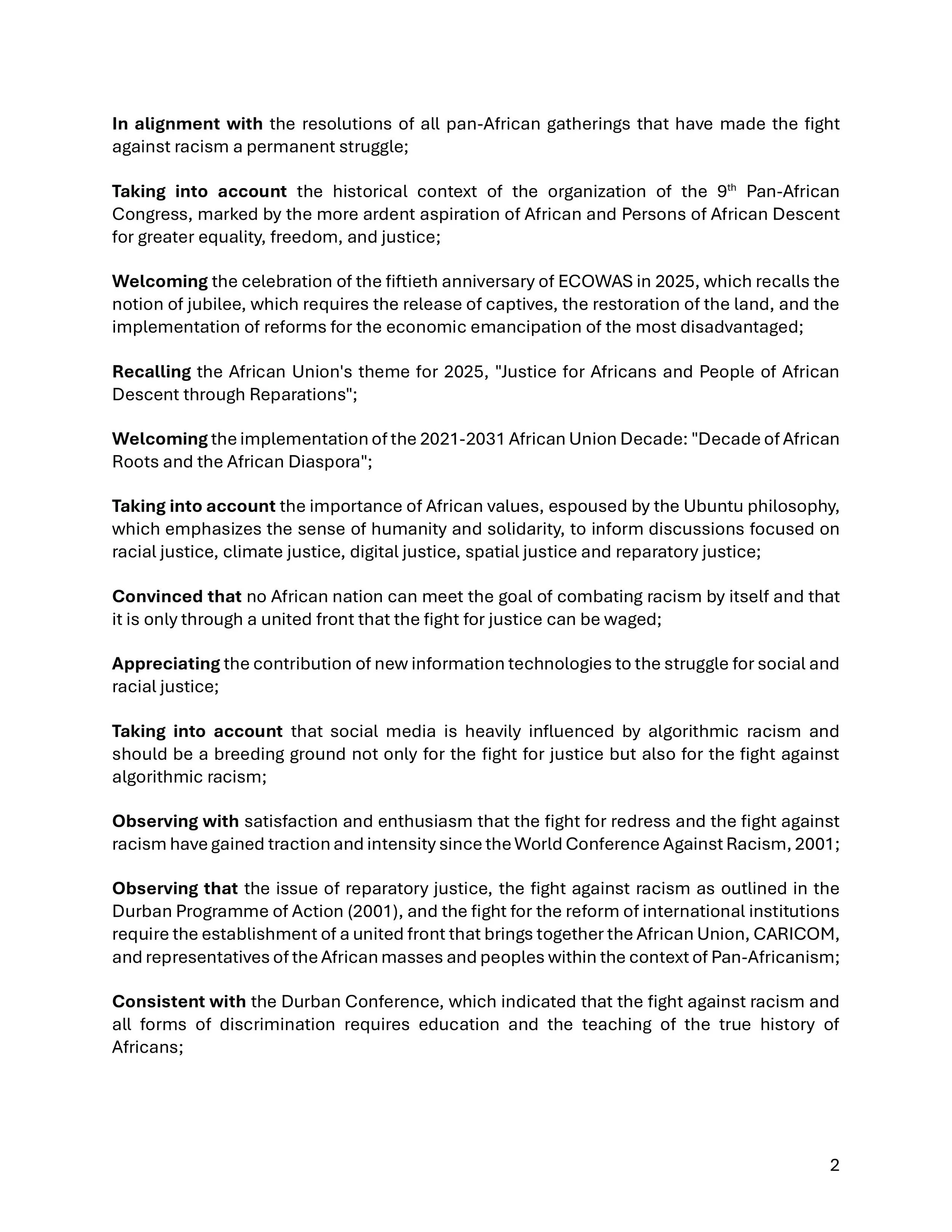
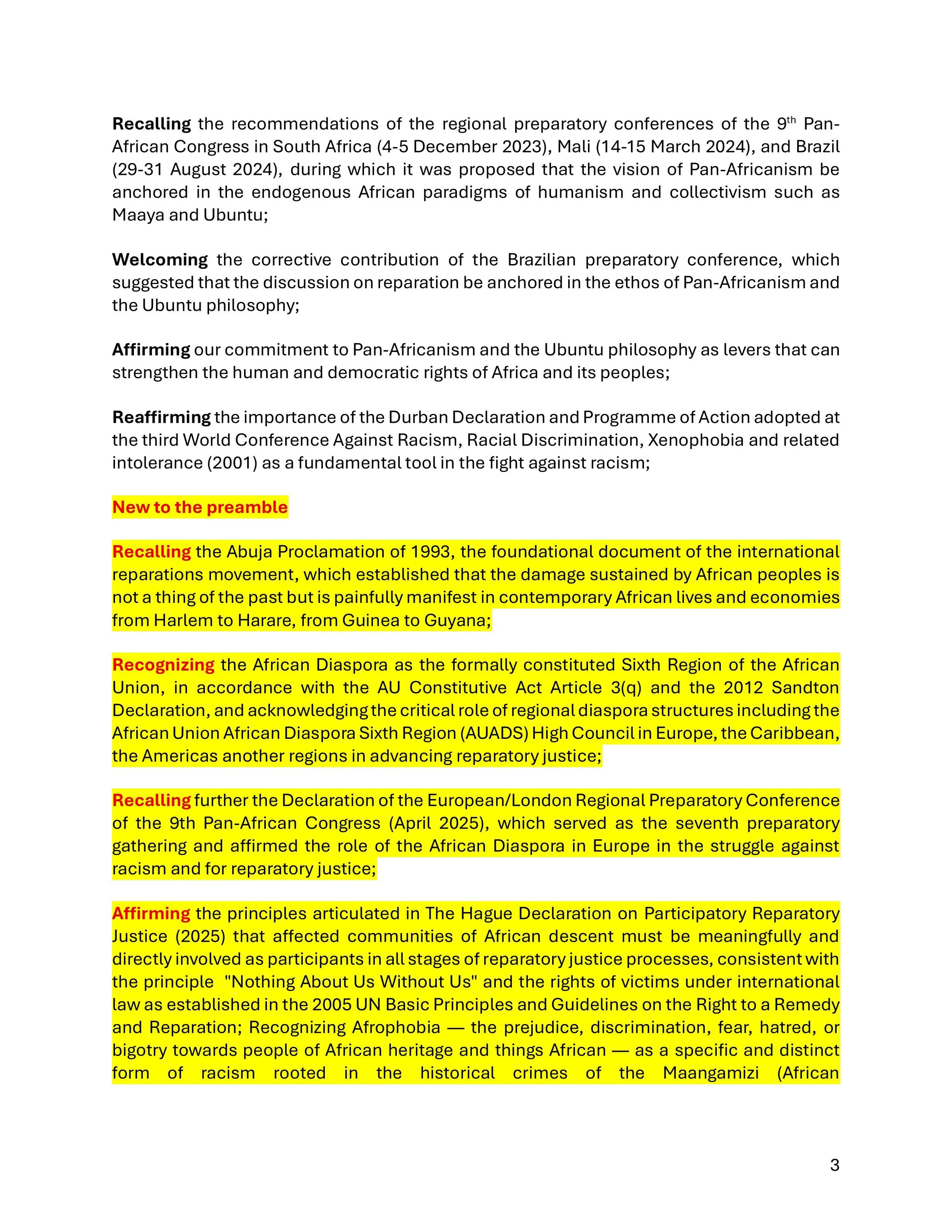
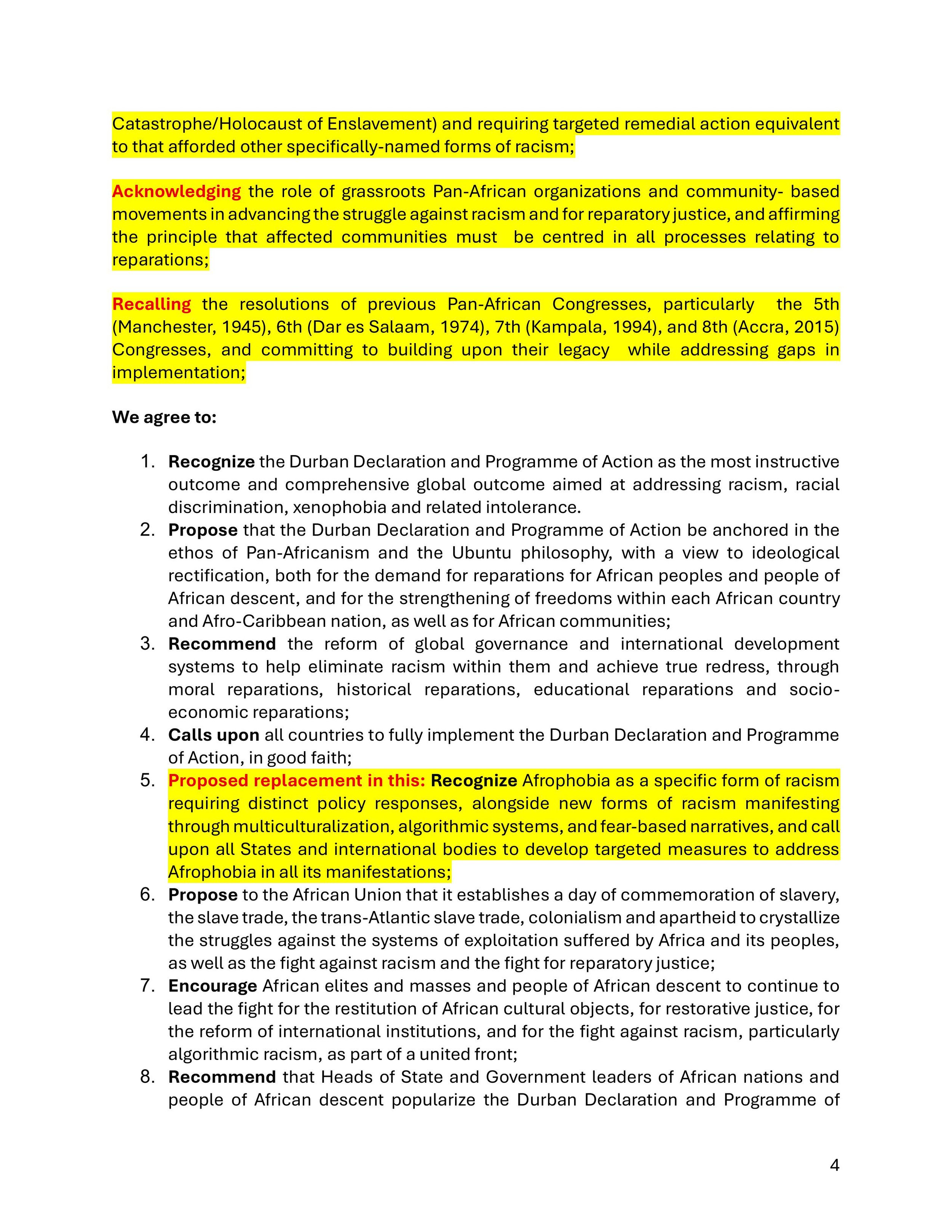
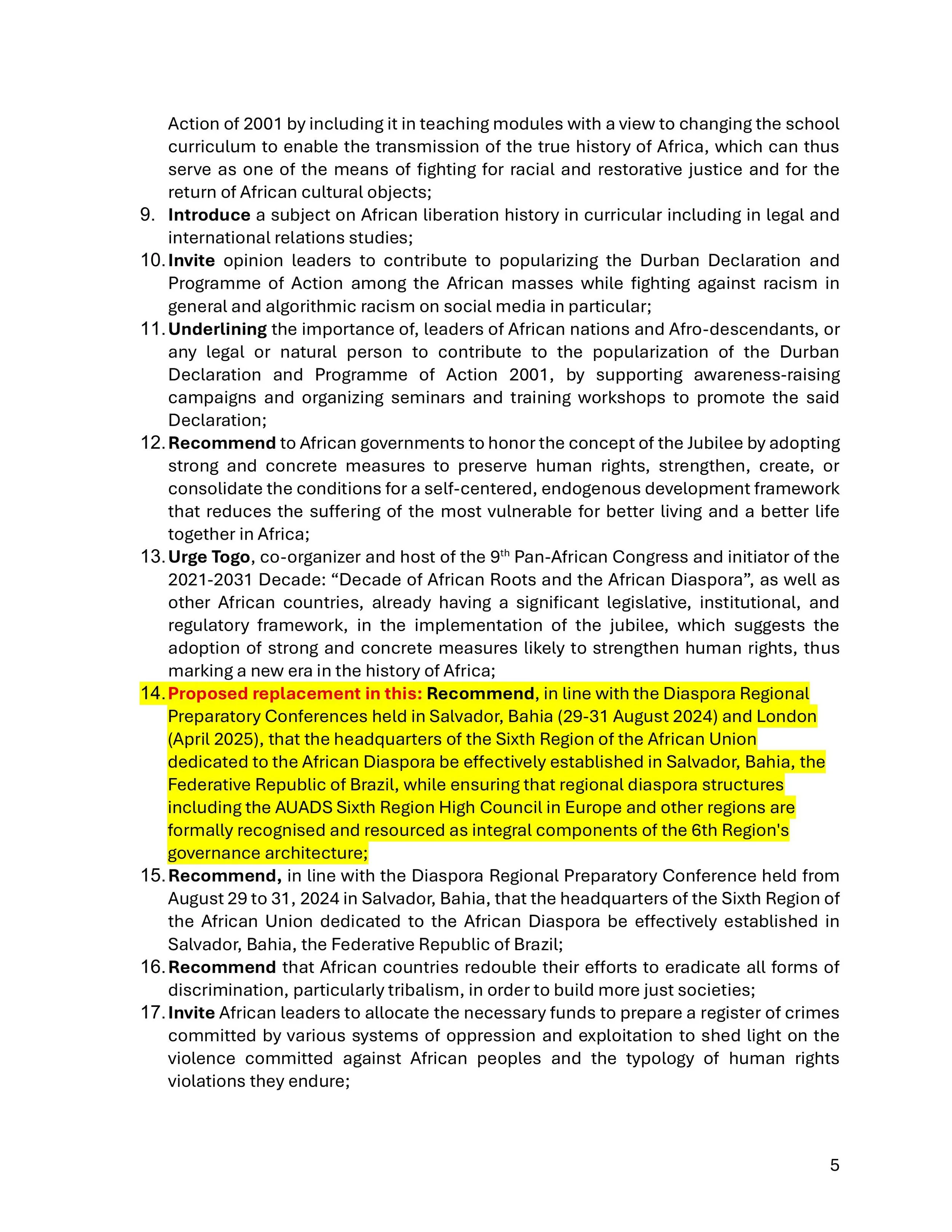
MANIPULATION AND OBSTRUCTION OF COMMISSION RESOLUTIONS
On June 16, 2025 Professor Robert Dussey, the Minister of Foreign Affairs of Togo invited me to “take part as a keynote speaker in the 9th Pan African Congress.” On November 16, I was notified that I would be participating in Commission 4: Mind decolonization and self-reinvention. So between that time, 153 days, no Congress Commission work was done!
On November 18, I made an attempt to give the Pan African World an opportunity to give their input into the eight Commissions by creating on online input form, something that I believe should have been done months before the start of the Congress.
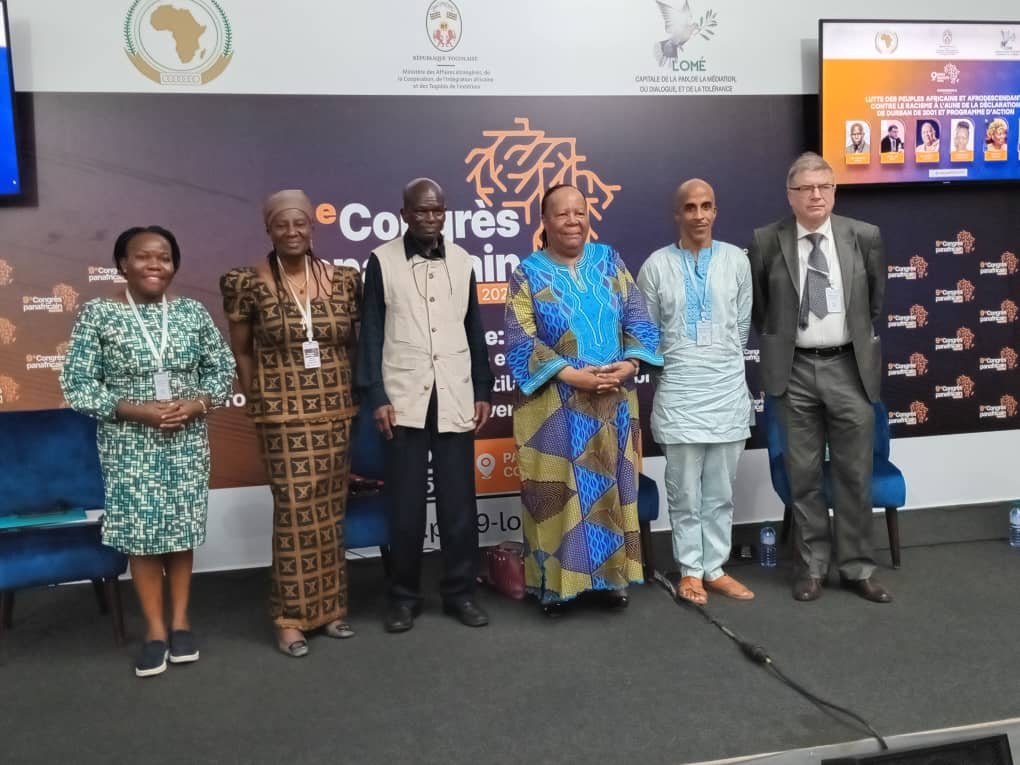
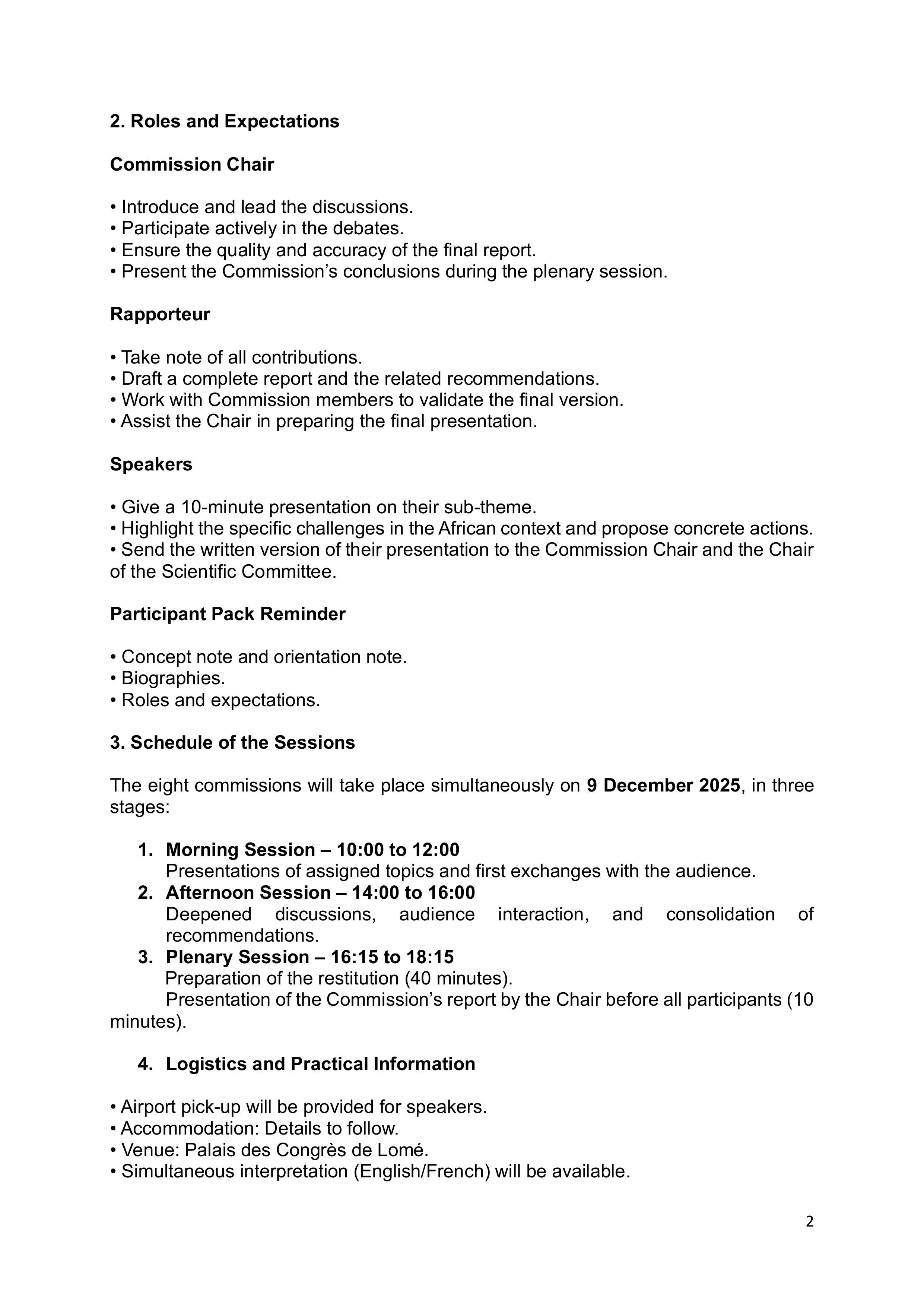
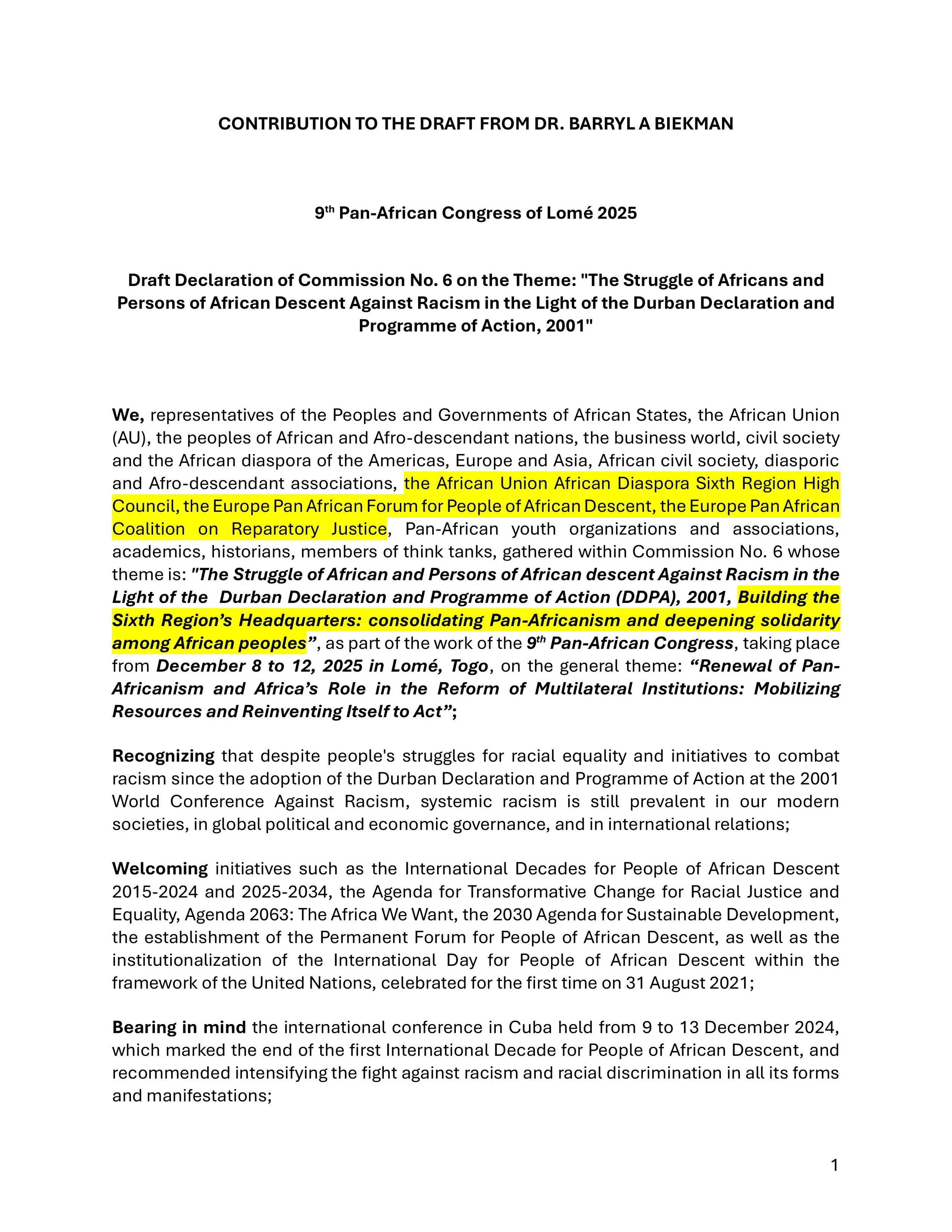
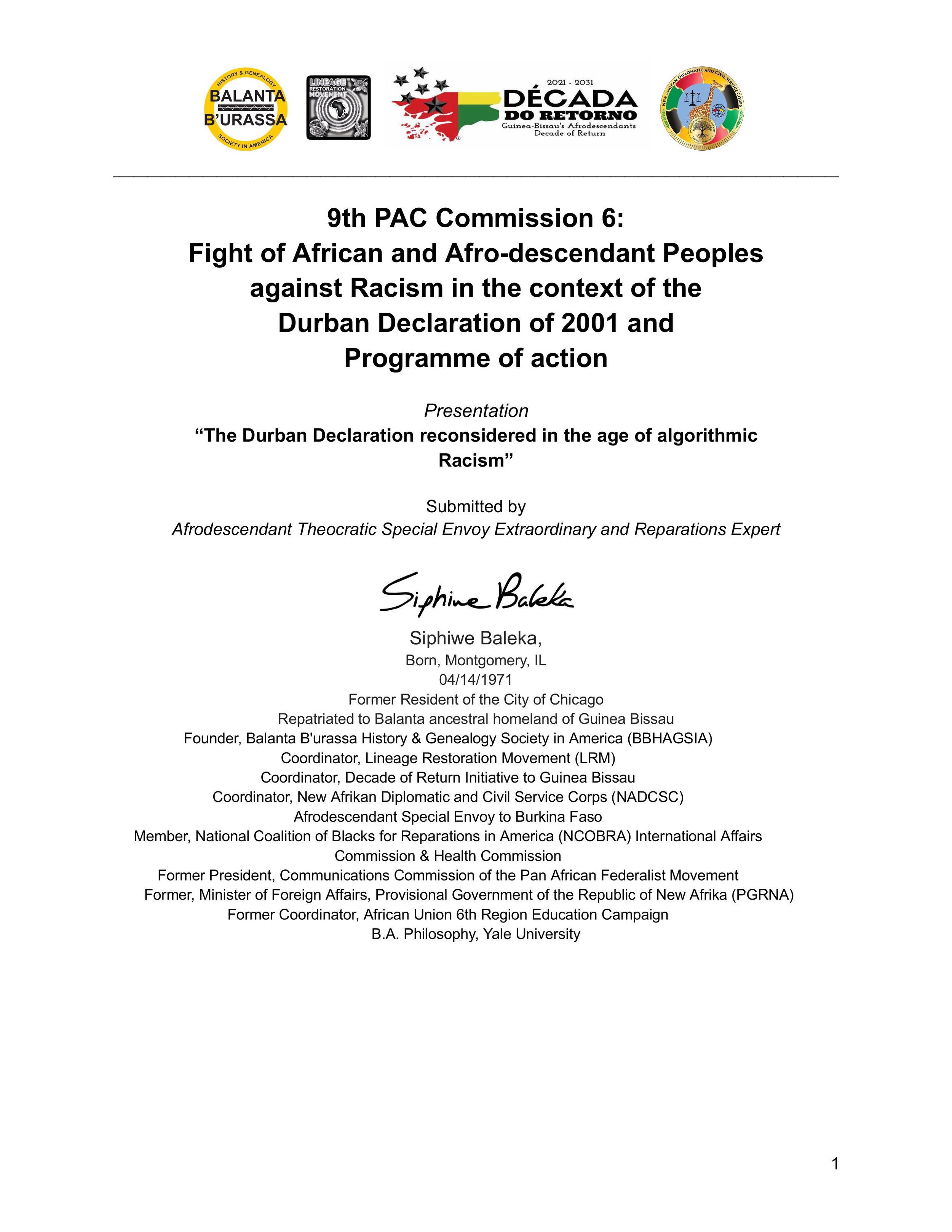
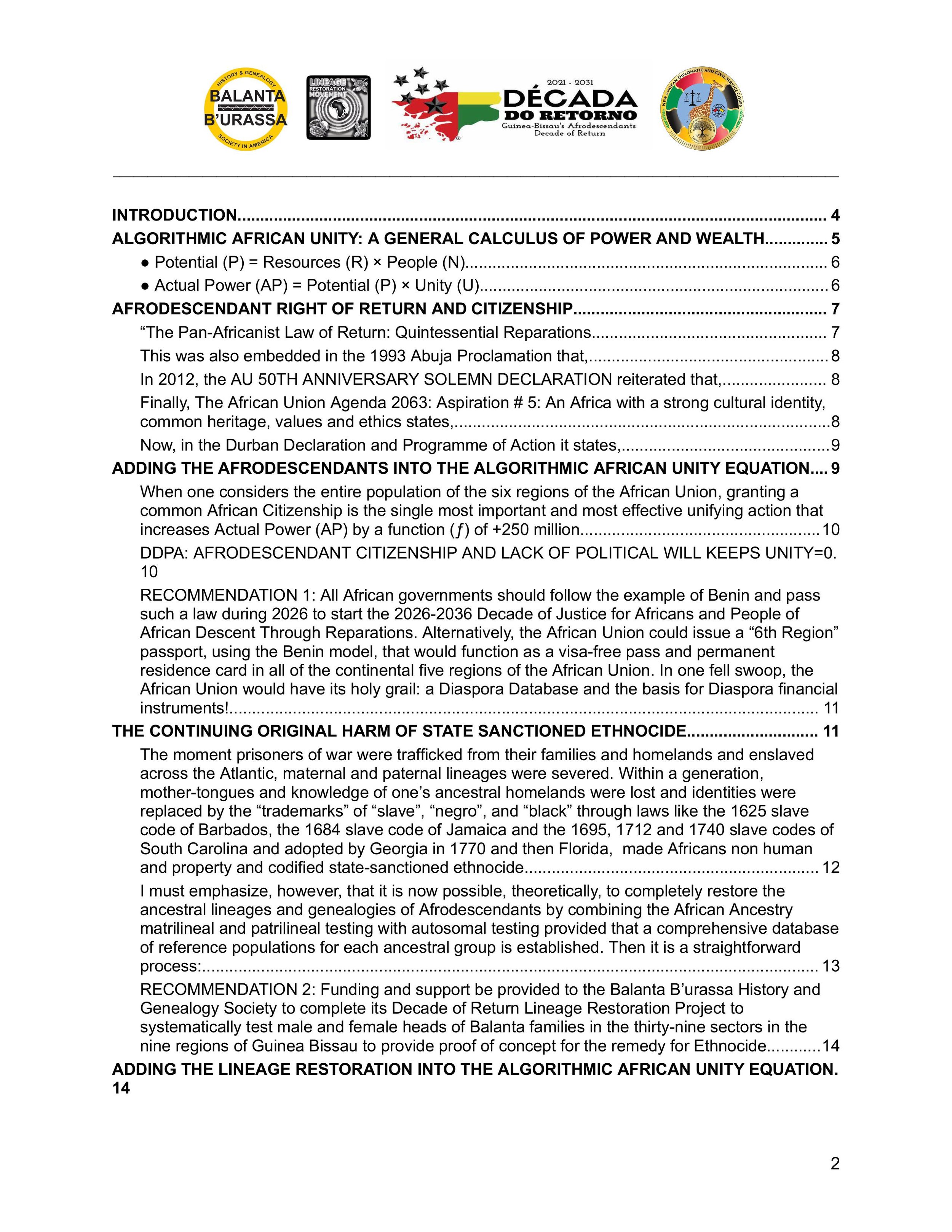
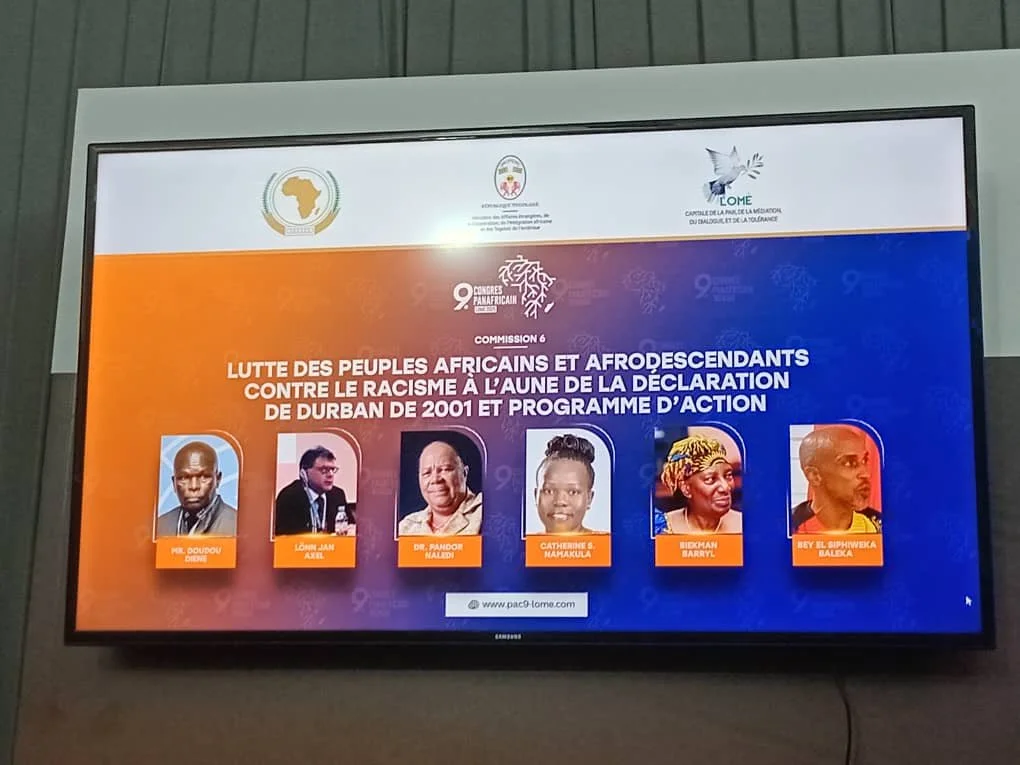
On November 23, I was switched to be one of the four expert speakers for Commission 6: The struggle of African and Afro-descendant peoples against racism in the light of the Durban Declaration of 2001 and Programme of action. On Friday, December 5, I was informed that I was now to serve as rapporteur for Commission 6 to “take note of all contributions, draft a complete report and the related recommendations, work with commission members to validate the final version, and assist the Chair in preparing the final presentation.” On Sunday, December 7, Ms. Leontine Atayi of the 9th PAC organizers informed our Commission 6 WhatsApp group that, “A member of the organizing committee will serve as rapporteur.” This created some confusion, then, on December 9th, day 2 of the 9th PAC, when Commission 6 met.