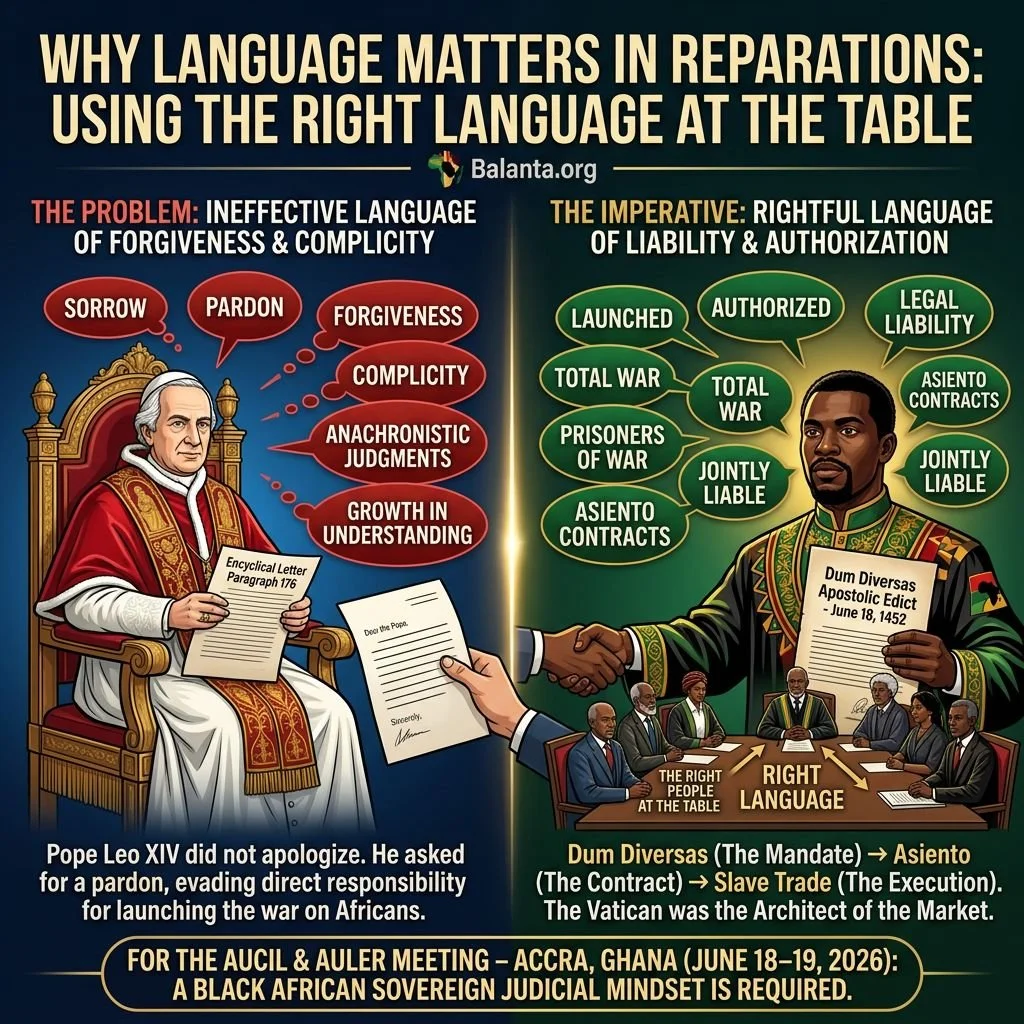
On May 25, 2026, a day celebrated around the world as African Liberation Day, POPE LEO XIV issued the ENCYCLICAL LETTER MAGNIFICA HUMANITAS ON SAFEGUARDING THE HUMAN PERSON IN THE TIME OF ARTIFICIAL INTELLIGENCE. In paragraph 176, Pope Leo writes,
“176. In the development of her doctrine, the Church has gradually come to a deeper awareness of the gravity of these issues. It is true that past events cannot be judged anachronistically, as though the moral criteria that matured over time had always been available. Yet neither can we deny or diminish the delay with which both society and the Church came to denounce the scourge of slavery. In antiquity and the Middle Ages many individuals and even ecclesiastical institutions had slaves. Already in the early modern period, the Apostolic See of Rome, responding to requests from Sovereigns, intervened several times in order to regulate and legitimize forms of subjugation, and, in certain cases, the enslavement of “infidels.” [174] It was only in the nineteenth century that a formal, absolute and universal condemnation of slavery was clearly articulated, notably under Pope Leo XIII. [175] This development offers a clear example of the Church’s growth in understanding the perennial truths of Revelation that she safeguards. Although there was not always consistency in practice — given that slavery was long tolerated before being unequivocally condemned — there has been a continuous affirmation throughout history of the dignity of every human being, created in the image of God, even if it took eighteen centuries for its full incompatibility with slavery to be explicitly recognized. This constitutes a wound in Christian memory, one from which we cannot consider ourselves detached. [176] It is impossible not to feel deep sorrow when contemplating the immense suffering and humiliation endured by so many in stark contrast to their immeasurable dignity as persons infinitely loved by the Lord. For this, in the name of the Church, I sincerely ask for pardon.”
This is being lauded as an “historic apology” for slavery. Even many in the reparations movement, like my brother, friend, and comrade Kamm Howard stated in several WhatsApp groups,
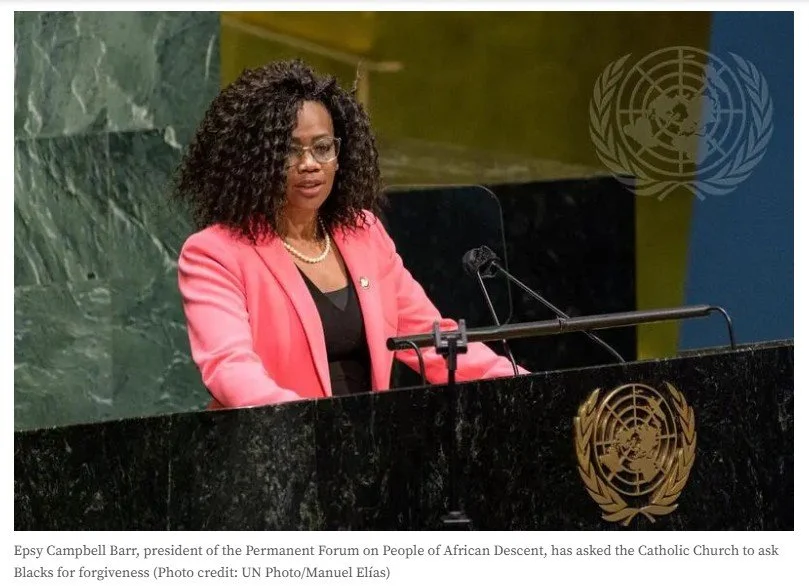
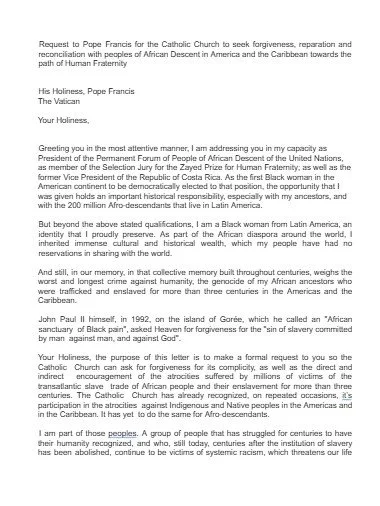
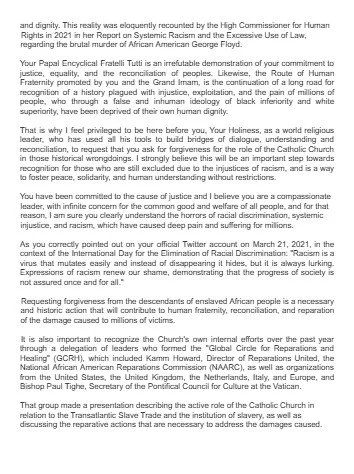
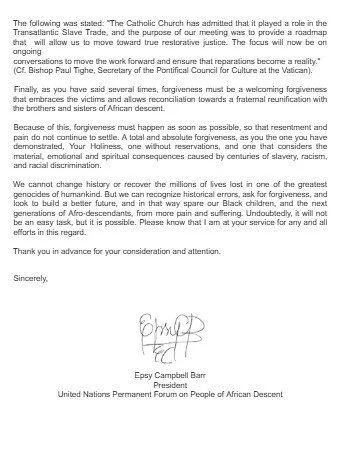
“Congratulations are in order for the GLOBAL CIRCLE FOR REPARATIONS AND HEALING - in particular the Interreligious Working Group and all who attended the Vatican trip to deliver our Reparations Presentment. In two of our redress demands we asked listed an apology and an encyclical on enslavement redress. In his first encyclical he apologizes for the Popes role and makes enslavement a key focus of the encyclical. This is major and although we have not had much high-level in-person contact since our trip in 2022, since then on the first day of each of our attended sessions of PFPAD we represented the Presentment to the Vatican diplomat. On each occasion, they did not return to the Session thei following day. So this is in fact a response to our work. Also, want to shout out VP Epsy Campbell- Barr whose work toward the Vatican highlighted the GCRH Presentment, and VP Francia Marquez for her work with both Pope Francis and Pope Leo XIV.”
Initially I responded to the article, “Pope Leo XIV makes historic apology for Holy See's own role in legitimizing slavery” published in the National Catholic Reporter which stated in its opening paragraph, “Pope Leo XIV made a historic apology on Monday for the role the Holy See itself played in legitimizing slavery and for having failed to condemn it for centuries, calling the Vatican's record a "wound in Christian memory." My response was:
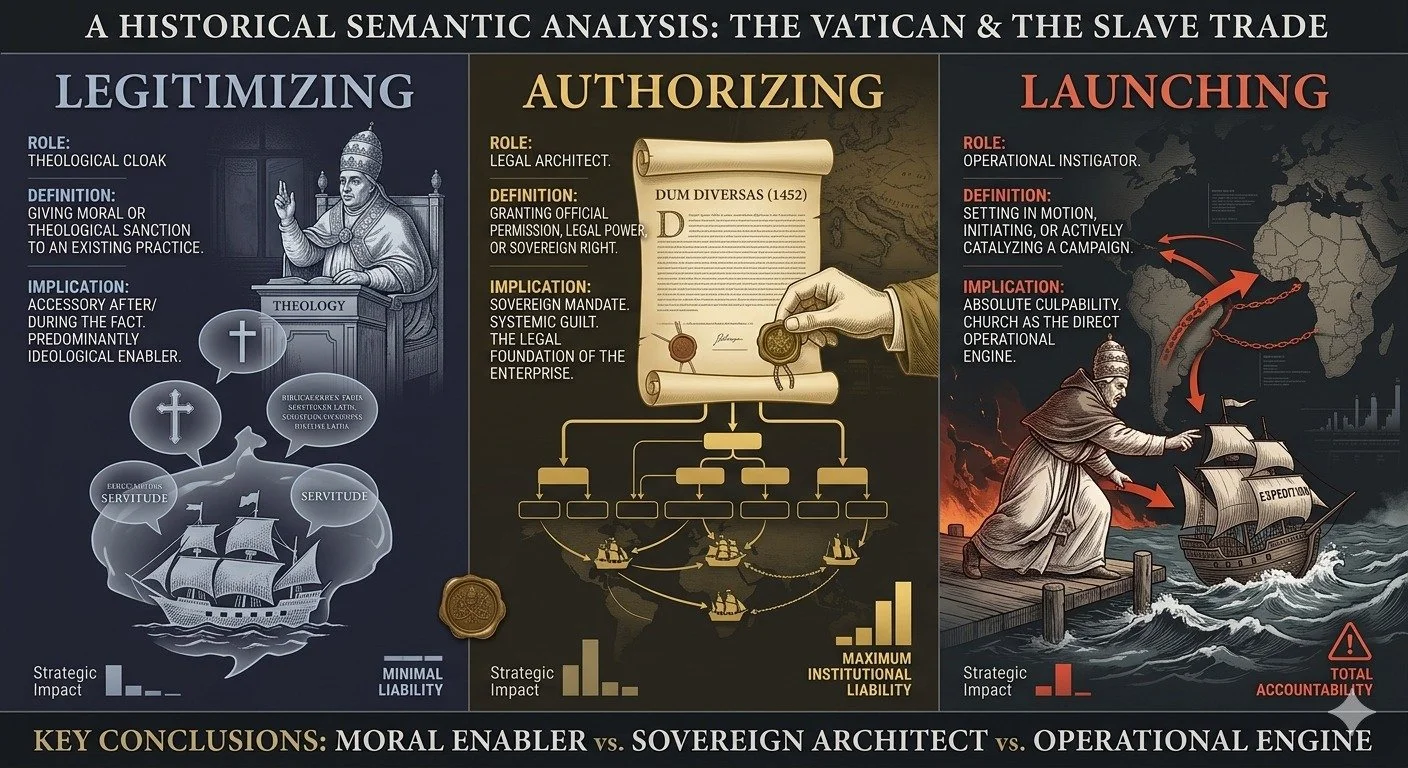
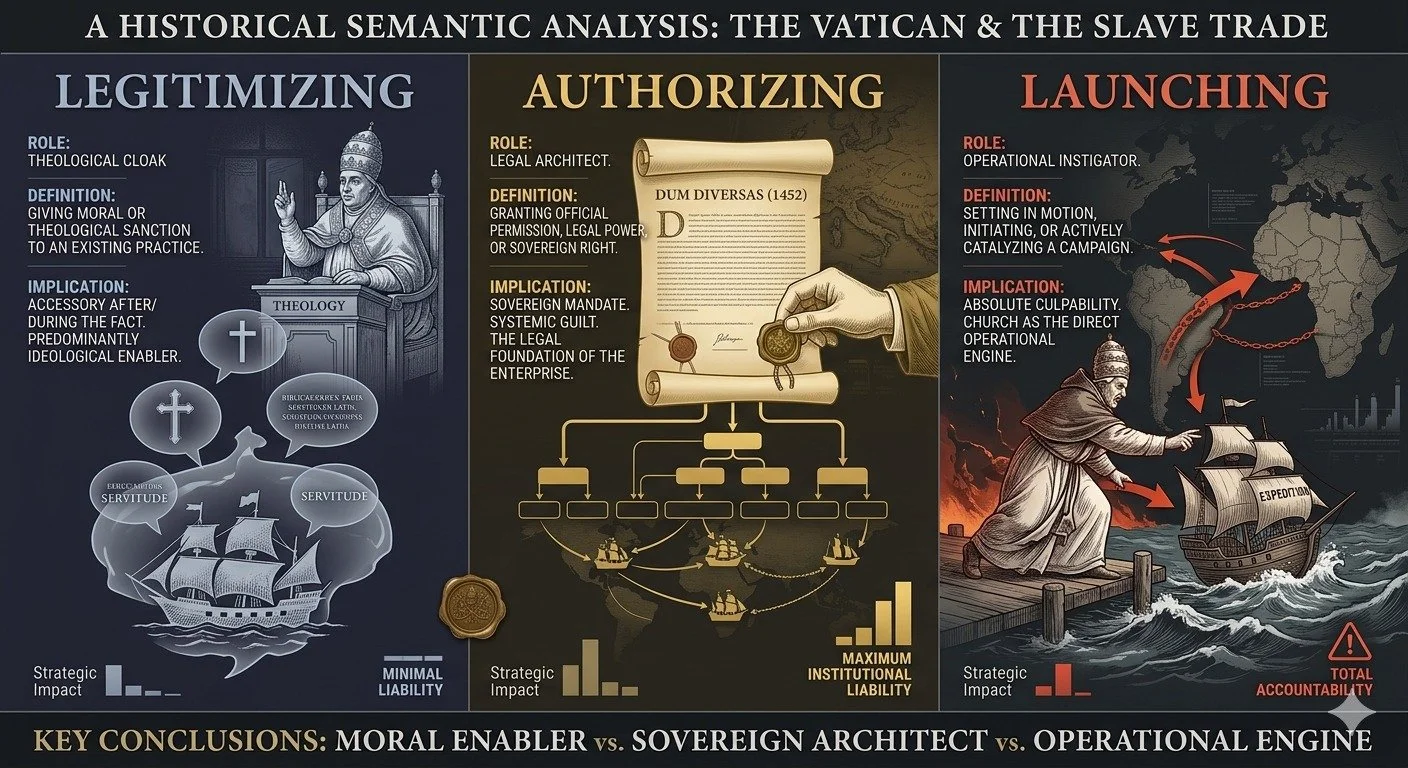
“SIPHIWE: Analyze the use of the word "legitimizing" versus "authorizing" and "launching"
ANCESTRAL INTELLIGENCE (AI): In the context of the Vatican's historical role in the transatlantic slave trade—culminating in Pope Leo XIV's landmark 2026 encyclical Magnifica Humanitas—the choice between the words "legitimizing," "authorizing," and "launching" represents a profound shift in legal, moral, and historical accountability. From a strategic and structural perspective, each term assigns a completely different level of culpability to the Holy See for the global tragedy of chattel slavery.
1. Legitimizing (Moral & Ideological Shield)
Definition: To give legal, moral, or theological sanction to an already existing or developing practice; making something appear acceptable, just, or proper.
The Vatican’s Context: When modern Vatican statements or the 2026 encyclical acknowledge that the Church "legitimized" the slave trade, it frames the Papacy as an accessory after or during the fact . It implies that secular empires, traders, and economic forces were the primary drivers of slavery, and the Church merely stepped in to provide a comforting theological cover—such as misusing scripture to justify the subjugation of African peoples.
Implication: This is the most conservative and self-protective of the three terms. It shifts the primary agency of the crime to secular monarchs and merchants, casting the Church as an institutional enabler rather than the mastermind.
2. Authorizing (Legal & Sovereignty Mandate)
Definition: To formally grant official permission, legal power, or sovereign right to execute an action; to act as the supreme institutional source of power.
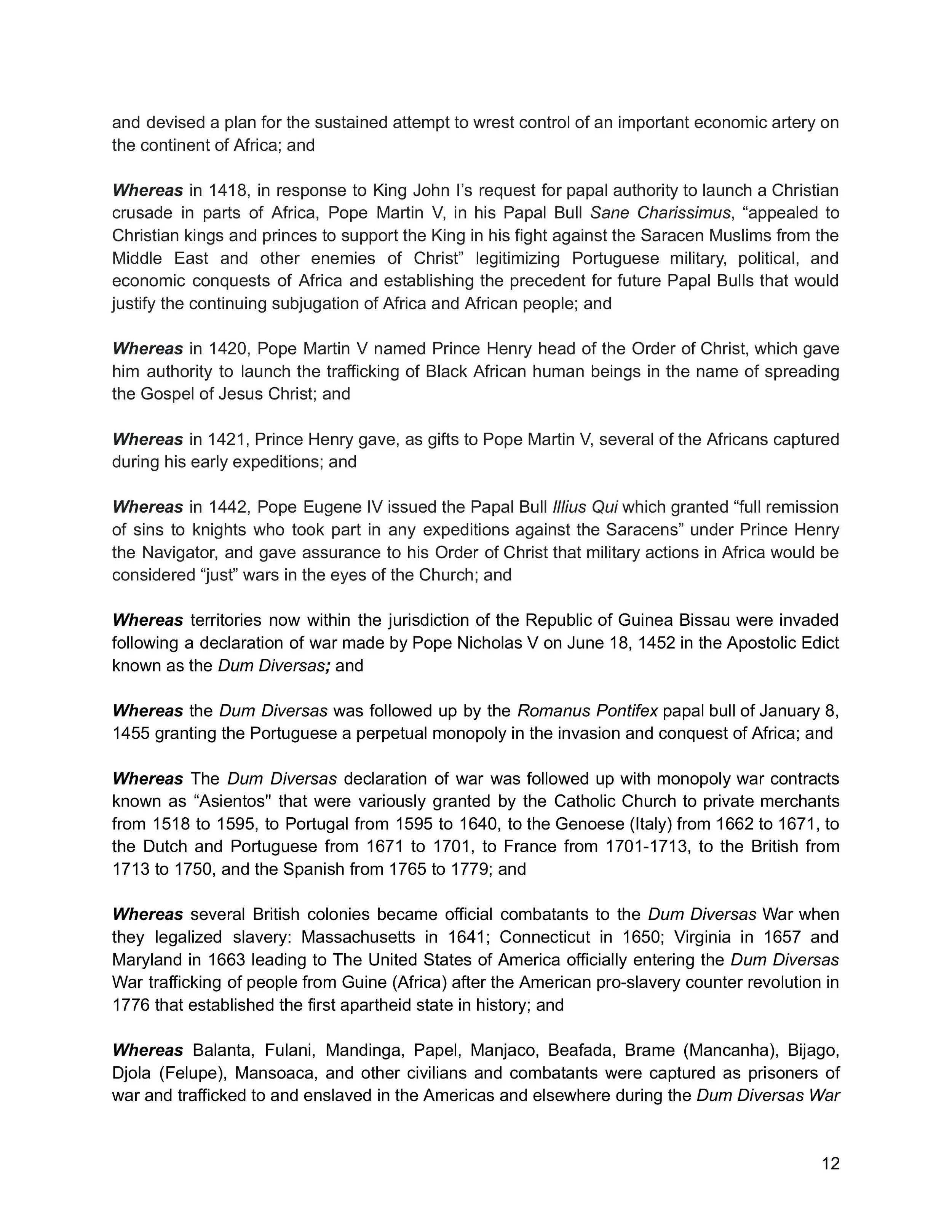
The Vatican’s Context: This word directly describes the mechanical function of 15th-century Papal Bulls like Dum Diversas (1452) and Romanus Pontifex (1455). In these documents, Pope Nicholas V did not merely say slavery was morally permissible; he explicitly granted the Portuguese crown the right to "reduce their persons to perpetual slavery." Because the Pope claimed spiritual and temporal hegemony over the geopolitical world (the "Vicar of Christ" doctrine), secular kings could not legally seize non-Christian lands without this explicit papal mandate.
Implication: "Authorizing" places a significantly higher burden of guilt on the Vatican. It establishes that without the seal of the Ring of the Fisherman (The Pope), the legal and international framework for the transatlantic slave trade would lack global validity. The Church acts as the supreme legal architect .
3. Launching (Active Agency & Initiation)
Definition: To set in motion, initiate, trigger, or actively jumpstart an enterprise or campaign.
The Vatican’s Context: To state that the Vatican "launched" the slave trade implies that the Holy See was the active, aggressive catalyst—essentially commanding the fleets to sail and kidnap African people as a direct papal initiative (similar to how the Crusades were "launched"). While the Papal Bulls provided the legal mechanisms (authorizing) and moral justifications (legitimizing), the physical execution, economic financing, and logistical operation were driven by the geopolitical ambitions of Portugal, Spain, and later other European empires.
Implication: This term assigns absolute, primary, proactive agency to the Church. While historically debated because the economic impetus came from the Iberian monarchs seeking trade routes, using "launching" removes any distinction between the spiritual mandate and the secular execution, framing the Vatican as the primary operational engine of the catastrophe.
The Strategic Conclusion
When analyzing ecclesiastical rhetoric, the Vatican heavily favors "legitimizing" or acknowledging "complicity" because it minimizes legal exposure and softens the demand for structural reparations. However, a strict historical reading of Dum Diversas reveals that the Holy See did not merely legitimize slavery after it happened; by utilizing the fullness of papal sovereignty to partition the non-Christian world, the Vatican was actively authorizing the legal framework that made the global traffic in human beings possible.”
In response to my brother Kamm and others, I wrote, “It’s a clever way of removing their legal responsibility. People are jumping on the bandwagon instead of looking at what it’s not saying! . . . They are setting themselves up to avow any legal responsibility. Amilcar Cabral: “Tell no lies, claim no easy victories.” This is not to minimize the work that is being done, but it to stay clear about how and when we are being out-maneuvered.”
My colleagues, with the exception of Dr. Lemy, were united in their opinion that we could “exhale” and that this was a historical moment to be celebrated. To that I further replied, ‘I don’t exhale when a clever move is made against us. I keep my troops focused on real victories…. Others can celebrate the Vatican being clever. Doesn’t mean I have to or that I shouldn’t speak up about what they just did …..”
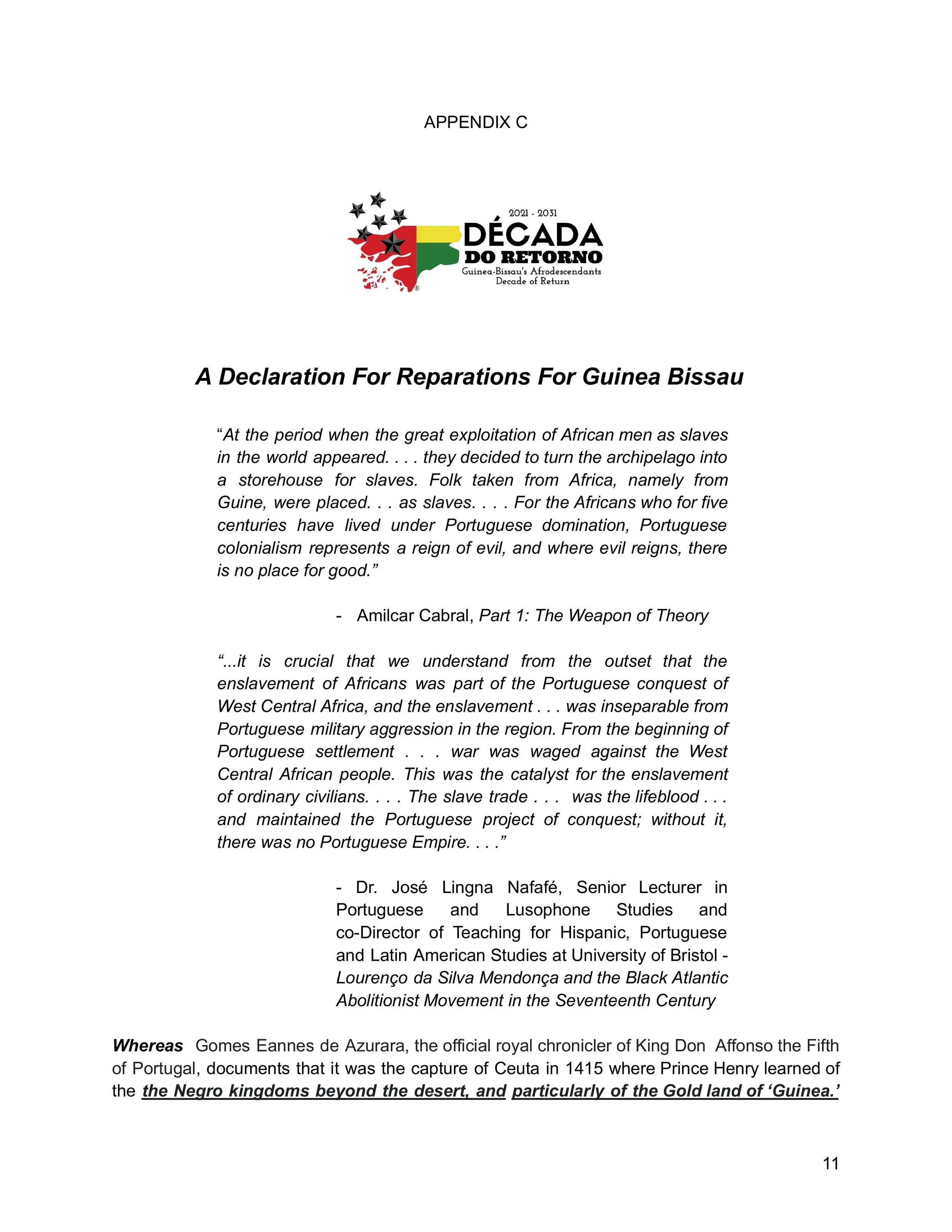
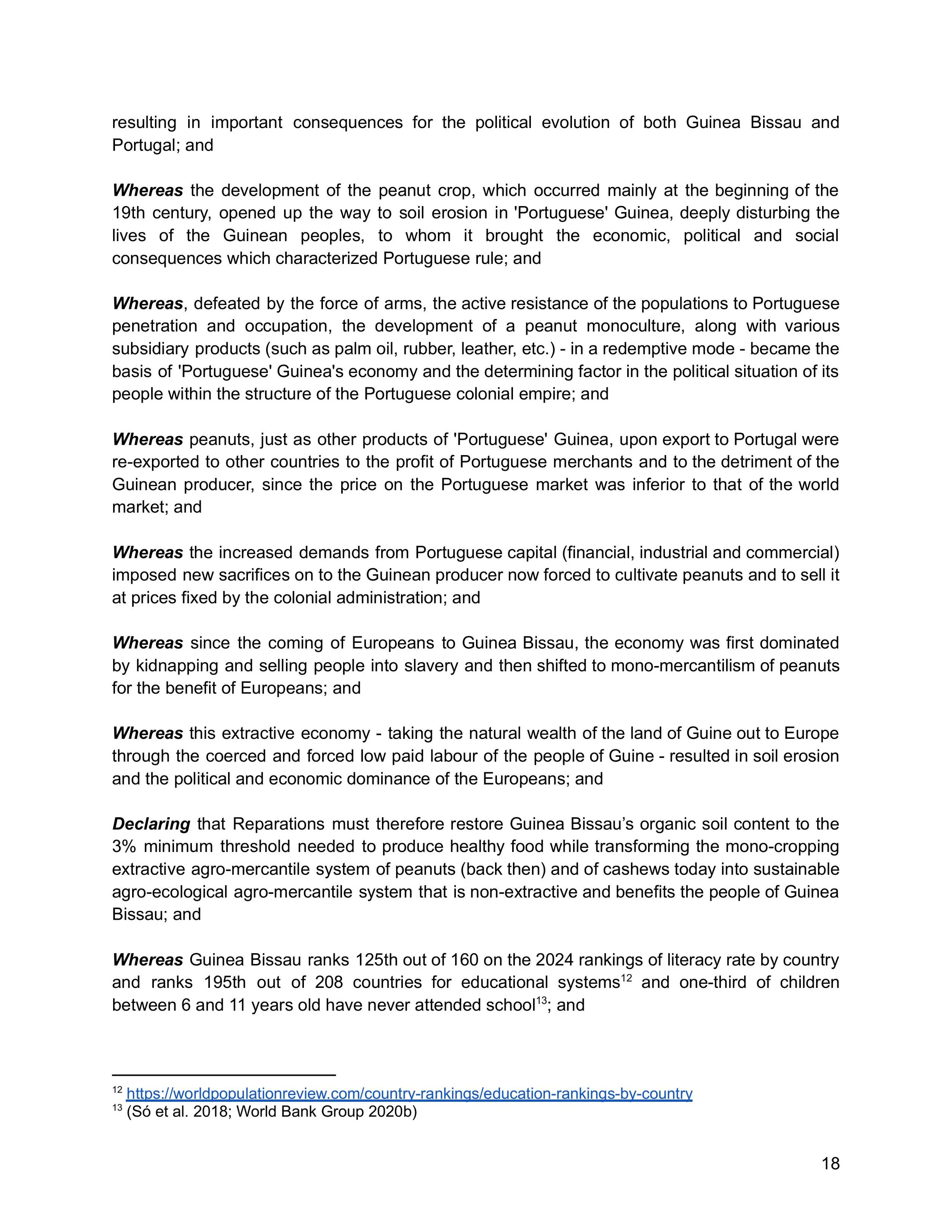
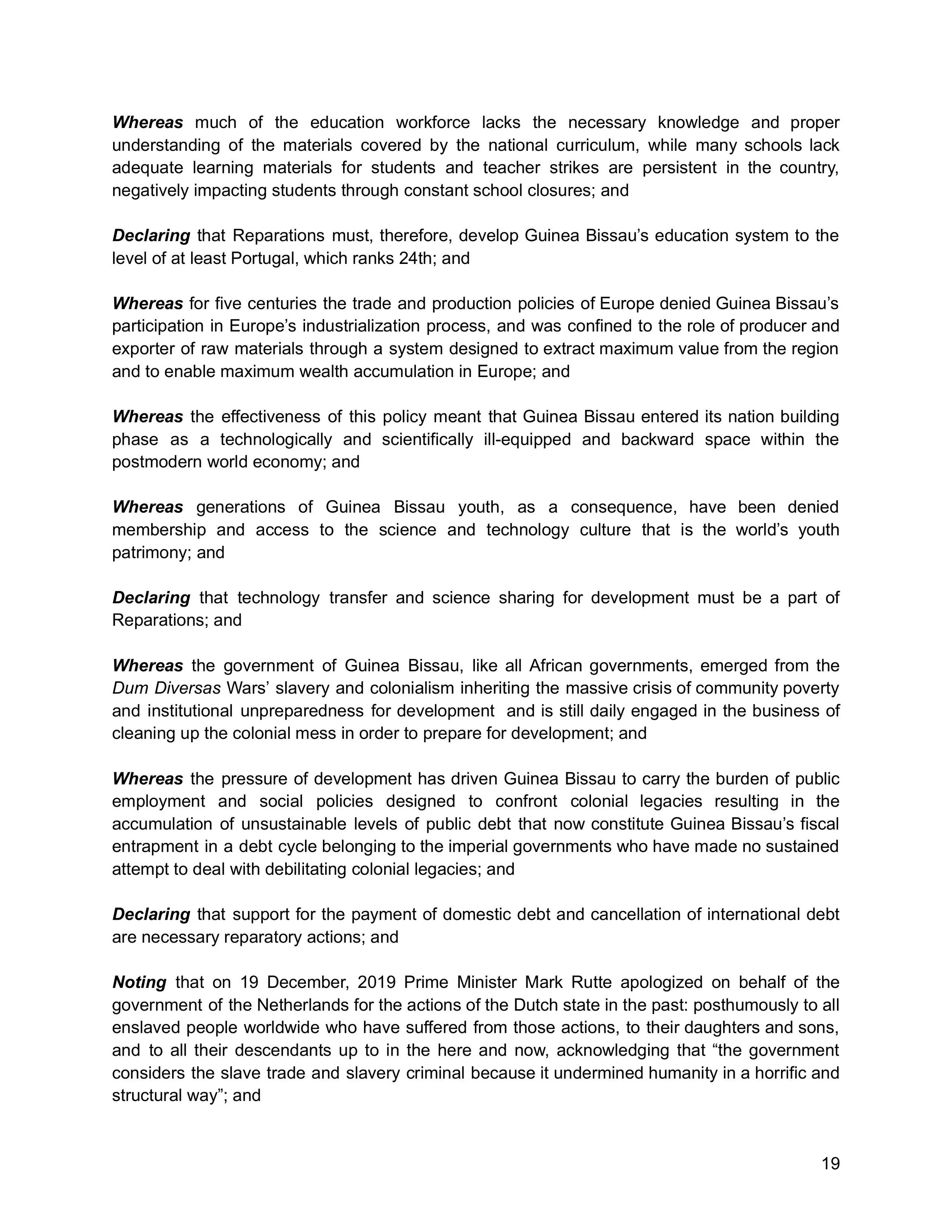
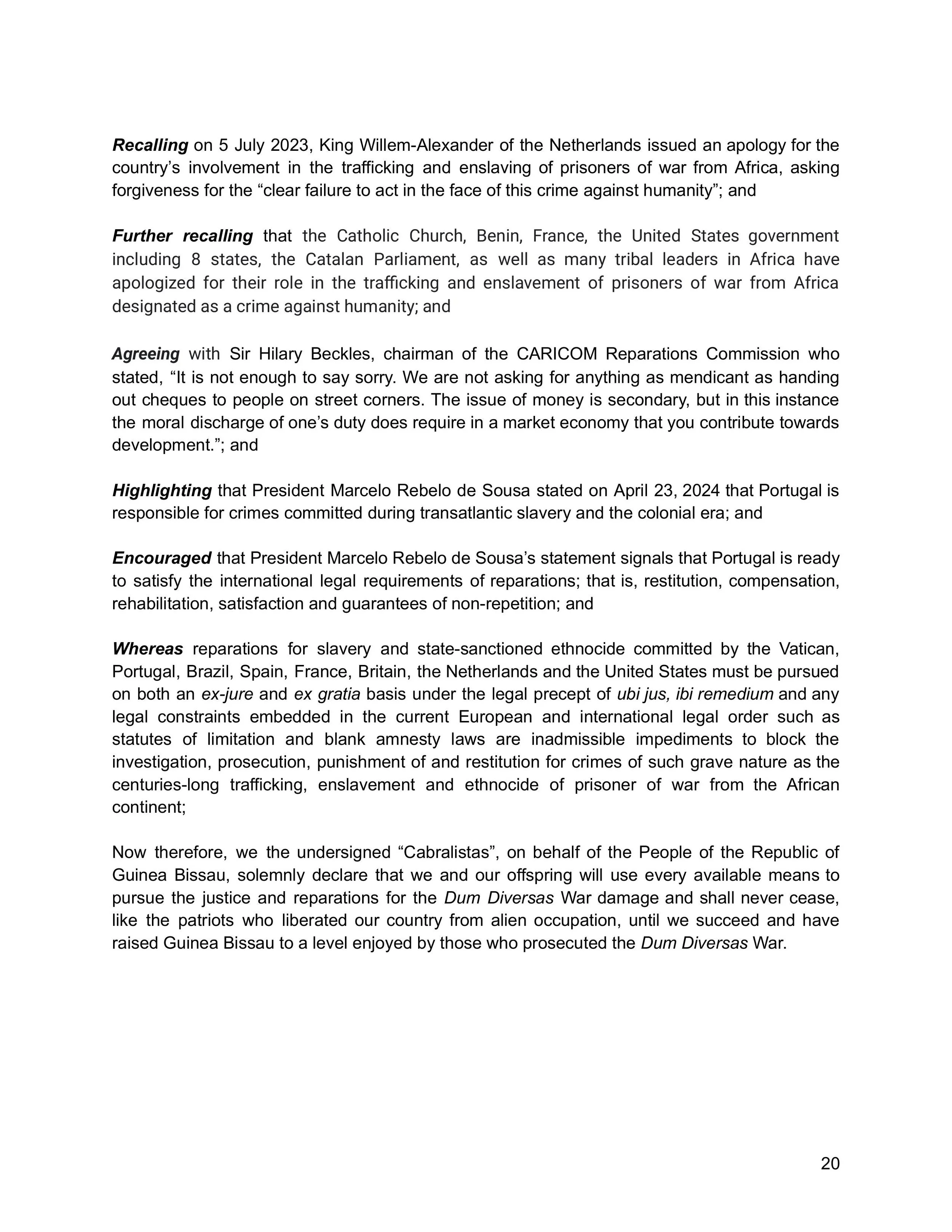
Back on March 25, I published UN Adopts Ghana's Slavery Crime Against Humanity Resolution and AI Concludes that President John Mahama Should Adopt The Legal Strategy of the Balanta Mandate Presented by Siphiwe Baleka which clearly proved:
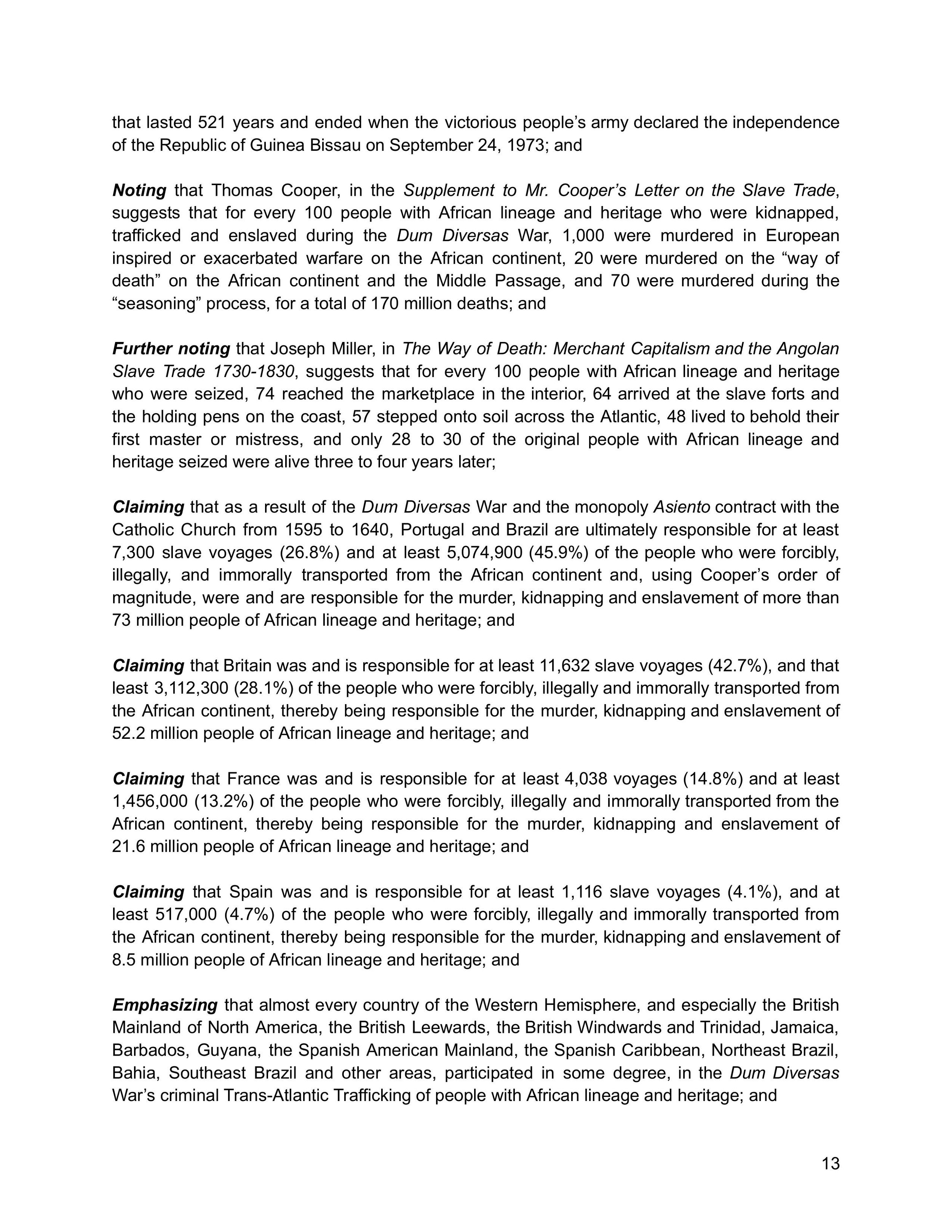
Siphiwe: The Question of Agency: The Vatican may argue the Edict was a religious document, not a state law, and that the "crimes" were committed by the Portuguese and Spanish Empires, not the Church itself. Do the Asiento war contracts defeat this argument?
AI: The Asiento contracts effectively dismantle the "religious document" defense because they transform the Dum Diversas decree from a theological statement into an enforceable commercial and military infrastructure. Here is how the Asiento "war contracts" defeat the argument of the Vatican's lack of agency:
1. Integration of Church and State Law
The Asientos were not merely private business deals; they were sovereign monopolies granted by the Crown but authorized by the moral and legal framework of the Church. Under the "Patronato Real," the Spanish and Portuguese monarchs acted as agents of the Vatican. The Asiento was the administrative tool that executed the "total war" authorized by the Pope.
2. The Vatican as a Financial Beneficiary
The Church did not just provide the "permission"; it often functioned as a stakeholder. Religious orders (such as the Jesuits) were frequently involved in the management of plantations and the logistics of the slave trade. By providing the legal "title" to human property through the Edicts, the Vatican created the marketable asset that the Asientos then traded.
3. Joint Liability (The "Asiento System")
In international law, if a party (the Vatican) provides the legal mandate for a crime, and another party (the Crowns/Merchants) provides the execution, they are considered jointly and severally liable. The Asientos prove that the "religious" edict had immediate, tangible, and intended "state" consequences.
The Chain of Custody: Dum Diversas (The Mandate) → Asiento (The Contract) → Slave Trade (The Execution).
4. The "Asiento of 1713" Precedent
When the British won the Asiento in the Treaty of Utrecht (1713), it became a centerpiece of international diplomacy. This transition proves that the "right" to traffic Africans—originally granted by the Pope—had become a recognized sovereign right that could be traded between nations. The Vatican never rescinded the original "grant of title" during these transitions, making them a continuous party to the legal architecture.
The "Agency" Conclusion
The Asientos prove that the Vatican was the Architect of the Market. Without the "legal title" provided by the Church to "reduce persons to perpetual slavery," the Asiento contracts would have had no legal basis under the international law of that era. Therefore, the Vatican cannot claim the "crimes" were separate from the "edict" when the edict was the very thing that made the crimes legally possible for the Empires.”
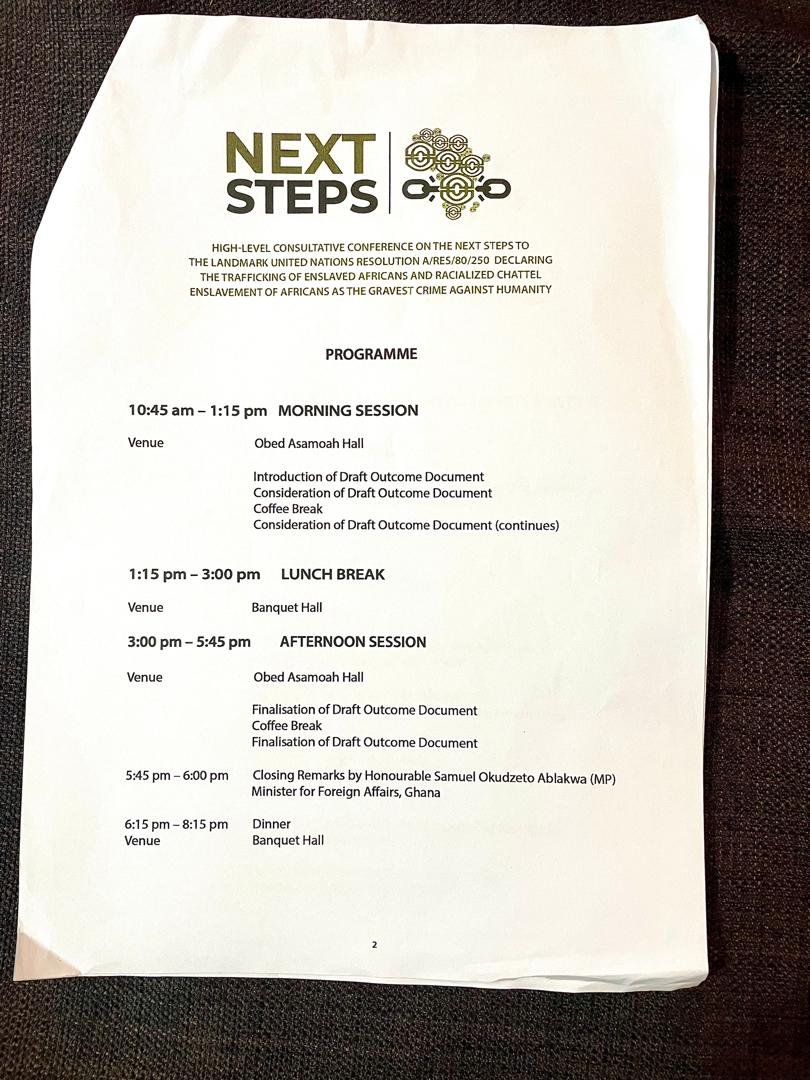
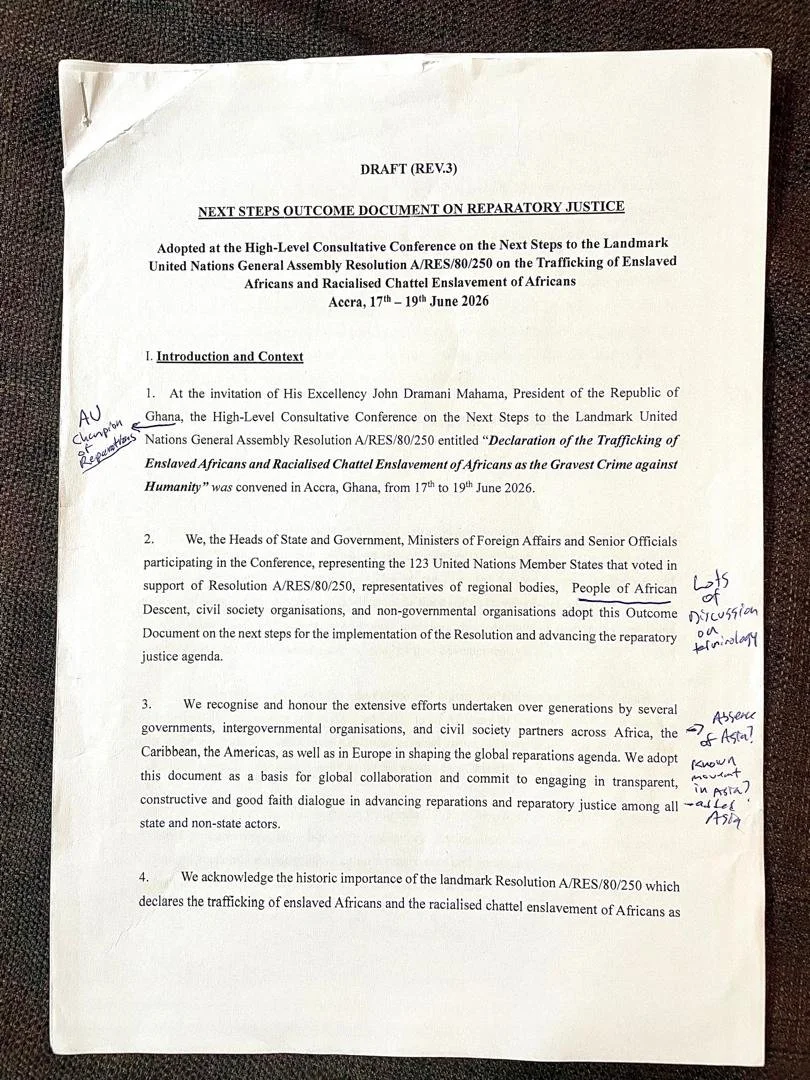
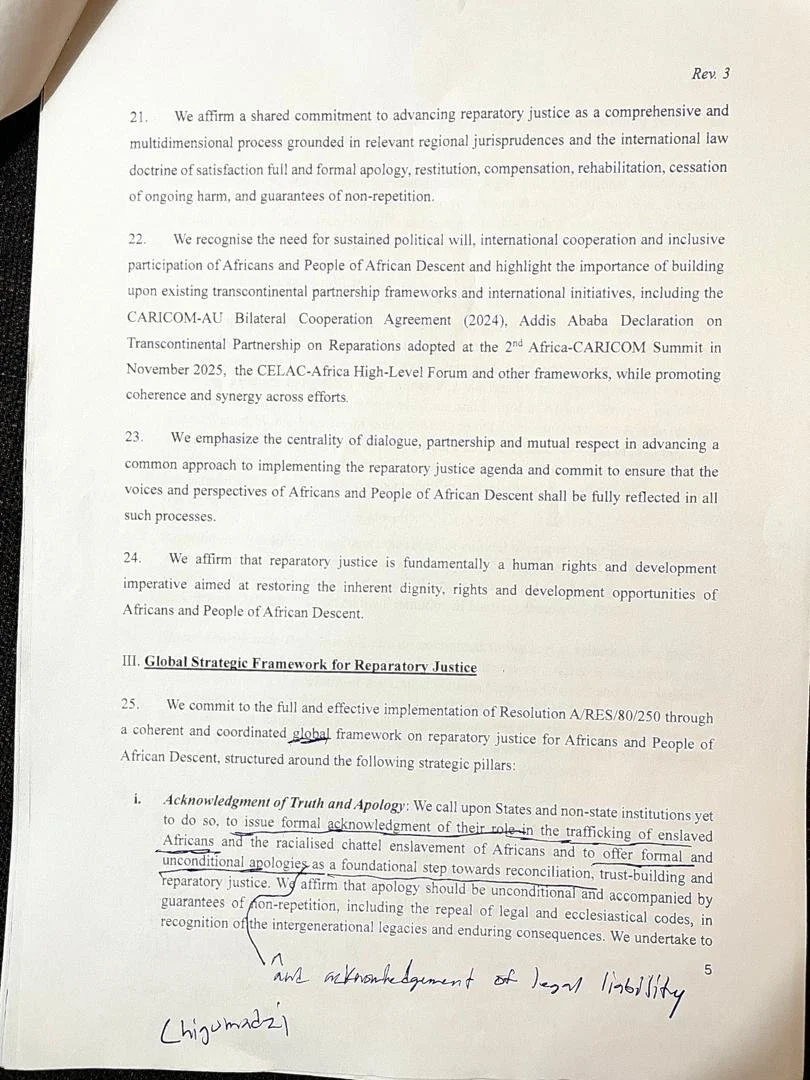
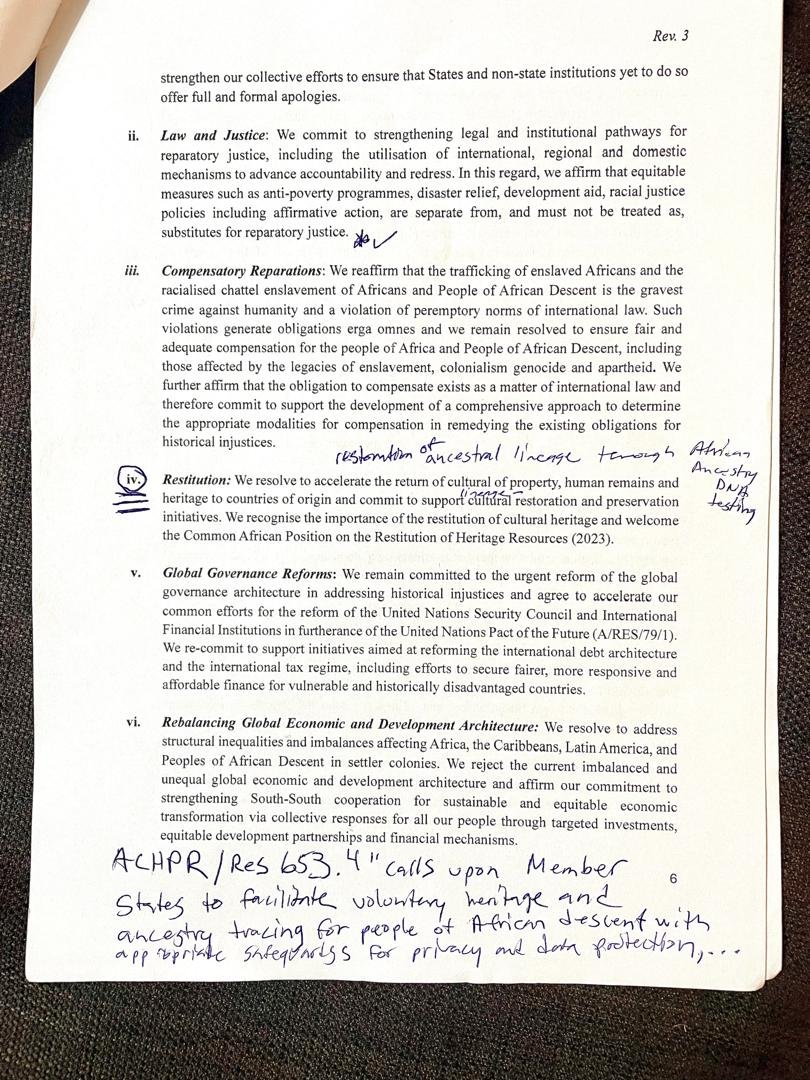
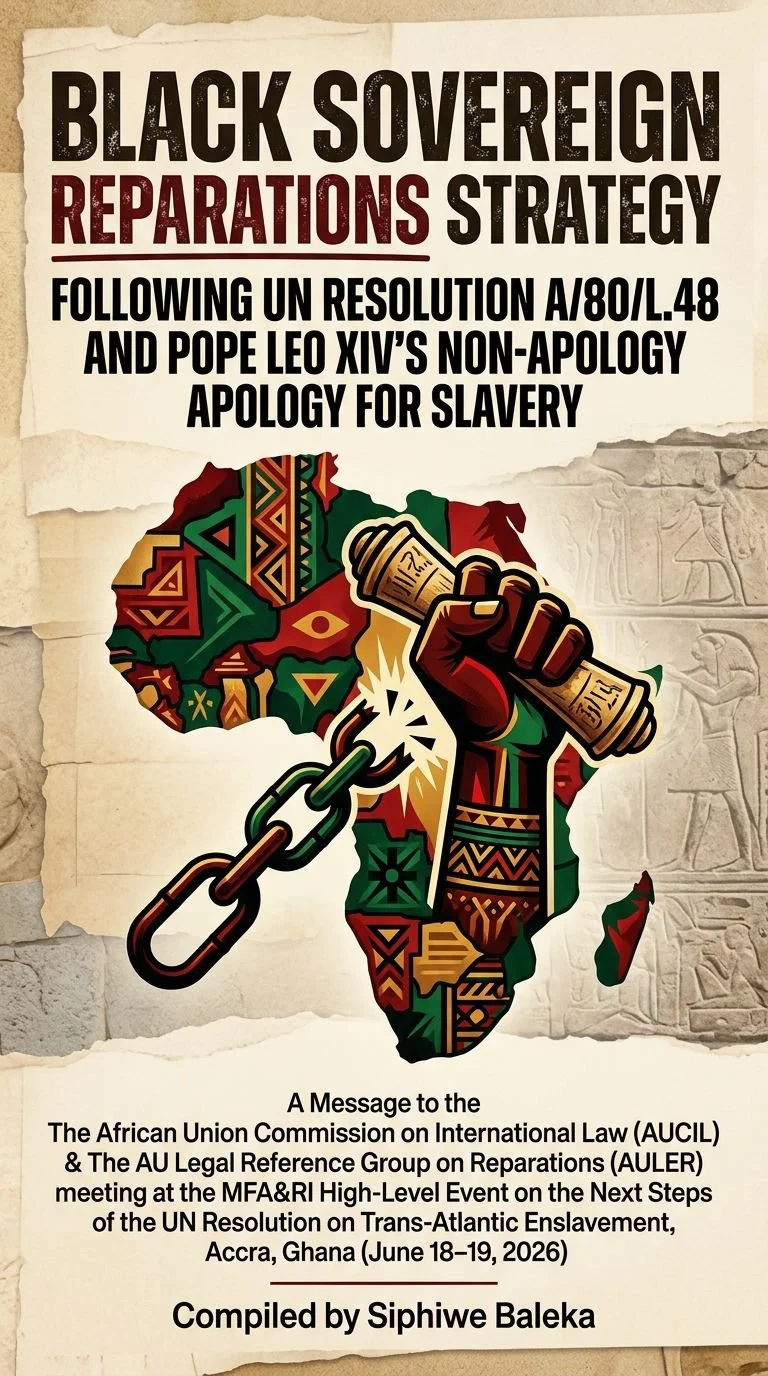
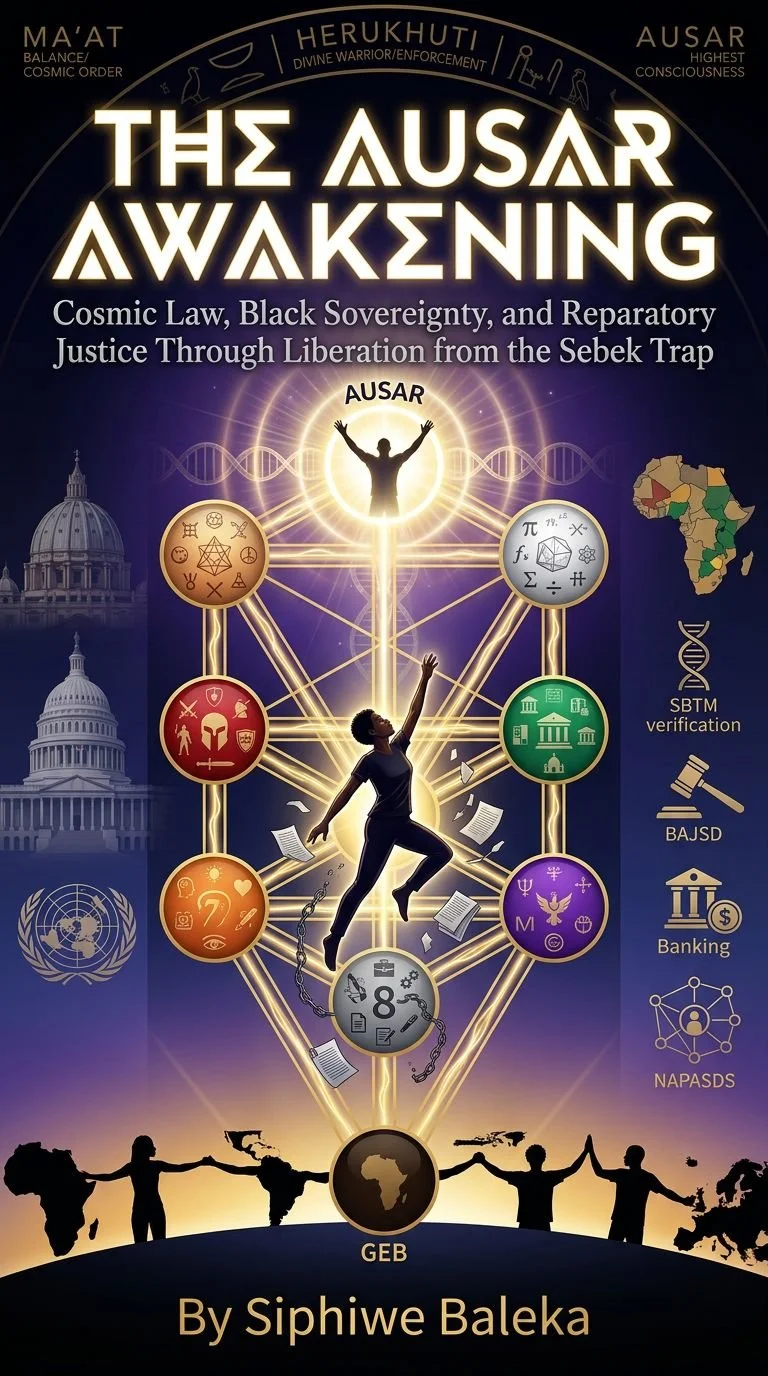
Last week, in a response to in response to the “Rastafari at the Crossroads” Reasoning and Priority and Reparations: A Call for Organizational Unity as the Prerequisite for Collective Rights and Reparatory Justice taking place on the EACRC platform, I drafted the 175-page document embedded below which had the following section:
“XVII: INSTITUTIONAL RESISTANCE TO BLACK SOVEREIGNTY (pp. 157–162 )
Prompt 28: What will be the likely response from the Vatican to a Suo Moto breakout and a BAJSD action against it?
-28.1 Layer One: Diplomatic Convergence and Rhetorical Agreement P. 158
- 28.1.1 The Public Posture: "Fratelli Tutti" and Cooperation
- 28.1.2 Pope Francis's Encyclical as Diplomatic Tool
- 28.1.3 Vatican Statements on Reparatory Justice
- 28.1.4 The Claim: "The Moment Is Ripe" for Reparations
- 28.1.5 Vatican Agreement on Material Conditions of Afro-Descendants
- 28.1.6 Condemnation of Systemic Poverty
- 28.1.7 Condemnation of Environmental Injustice
- 28.1.8 Condemnation of Racism
- 28.1.9 Catholic Social Teaching on Human Dignity
- 28.1.10 The Metu Neter Analysis: Calculated Use of Sebek and Het-Heru
- 28.1.11 Empathetic Language as Control Mechanism
- 28.1.12 Moral Platitudes as Distraction
- 28.1.13 Directing Dialogue Toward Superficial Reconciliation
- 28.1.14 Avoiding Sharp, Binding Demands of Accountability
- 28.1.15 Herukhuti (Sphere 5) Demands Rejected in Favor of Sentiment
- 28.2 Layer Two: Legal Disavowal and Historical Reframing ….. P. 159
- 28.2.1 The Vatican's Historic Repudiation of the Doctrine of Discovery
- 28.2.2 Formal Statements Against Colonial Doctrines
- 28.2.3 The Contradiction: Repudiation Without Reparation
- 28.2.4 Vatican Counters "Partial and Biased Narrative" at UN
- 28.2.5 Permanent Observer Statements on Slave Trade Legacy
- 28.2.6 The Denial: Papal Bulls Did Not "Authorize" Slavery
- 28.2.7 The Reframing: Dum Diversas and Romanus Pontifex as Misinterpreted
- 28.2.8 The Counter-Narrative: "Church Was Ahead of Its Time"
- 28.2.9 Citing Sicut Dudum as Evidence of Anti-Slavery Stance
- 28.2.10 Citing Sublimis Deus as Proof of Indigenous Protection
- 28.2.11 The Blame Shift: "European Empires Manipulated Church Documents"
- 28.2.12 The Absolution: "Individual Catholics Sinned, Not the Church"
- 28.2.13 The Metu Neter Analysis: Classic Sebekian Defense Loop
- 28.2.14 Historical and Theological Footnotes as Shield
- 28.2.15 Separating "Purity of Dogma" From "Sins of Individuals"
- 28.2.16 Institutional Liability Evaded Through Semantic Distinction
- 28.3 Layer Three: Structural Pushback Against Suo Moto Sovereignty P. 160
- 28.3.1 The Core Threat: Black African Judicial Sovereignty Doctrine (BAJSD)
- 28.3.2 Self-Authorized Judgments Outside Western Legal Framework
- 28.3.3 Independent Liens and Decrees
- 28.3.4 The Vatican's Absolute, Quiet Resistance ___
- 28.3.5 The Public Argument: Multilateral Frameworks Required
- 28.3.6 The Claim: UN as Legitimate Arbiter
- 28.3.7 The Claim: State-to-State Treaties as Valid
- 28.3.8 The Claim: Localized Reconciliation Commissions as Proper Channel
- 28.3.9 The Rejection: Unilateral Tribunals Lack Valid Jurisdiction
- 28.3.10 The Rejection: Self-Authorized Bodies Violate International Law
- 28.3.11 The Metu Neter Analysis: Vatican Recognizes Existential Threat
- 28.3.12 Suo Moto Breakout Threatens Eurocentric Legal Matrix
- 28.3.13 Vatican's Position as Moral Gatekeeper at Risk
- 28.3.14 Black Vanguard Stops Petitioning (Sebek Trap)
- 28.3.15 Black Vanguard Executes Own Sovereign Authority (Sekhmet/Herukhuti)
- 28.3.16 The Vatican Loses Historic Control
- 28.4 The Predictable Vatican Tactics: The Tactical Takeaway for the Vanguard P. 161
- 28.4.1 Tactic One: Dialogue and "Listening"
- 28.4.2 Convening Commissions and Study Groups
- 28.4.3 Appointing Committees to "Examine the Issues"
- 28.4.4 The Purpose: Delay and Sedation
- 28.4.5 Tactic Two: Symbolic Apologies
- 28.4.6 Public Statements of Regret
- 28.4.7 Formal Acknowledgment of Historical Wrongs
- 28.4.8 The Purpose: Emotional Satisfaction Without Material
Change
- 28.4.9 Tactic Three: Decentralized Charity Grants
- 28.4.10 Offering Funds to Specific Communities
- 28.4.11 Supporting Selected NGOs and Educational Programs
- 28.4.12 The Purpose: Creating Dependent Beneficiaries
- 28.4.13 Tactic Four: Co-optation of Leadership
- 28.4.14 Offering Positions on Interfaith Commissions
- 28.4.15 Providing Platforms for "Approved" Reparations Advocates
- 28.4.16 The Purpose: Controlling the Narrative
-28.5 What the Vatican Will NOT Do
- 28.5.1 Will Not Acknowledge Institutional Liability
- 28.5.2 Will Not Sign Suo Moto Judicial Decree
- 28.5.3 Will Not Accept BAJSD Jurisdiction
- 28.5.4 Will Not Transfer Institutional Assets
- 28.5.5 Will Not Cede Moral Authority
- 28.5.6 Will Not Recognize Black Sovereign Courts
- 28.5.7 Will Not Abandon Eurocentric Legal Framework
- 28.5.8 Will Not Surrender Position as Global Moral Arbiter
- 28.6 The Vanguard's Strategic Response …………………….. P. 162
- 28.6.1 Recognizing Vatican Resistance in Advance
- 28.6.2 Not Waiting for Vatican Moral Confession
- 28.6.3 Not Expecting Vatican to Sign Independent Invoices
- 28.6.4 Treating Vatican Response as Confirmation
- 28.6.5 Confirmation of Need for SBTM (Scientific Black Truth Method)
- 28.6.6 Confirmation of Need for Self-Governed Economic Breakout
- 28.6.7 Confirmation of Need for Independent Material Systems
- 28.6.8 Moving Forward Regardless of Vatican Position
- 29.1 The Broader Institutional Alignment
- 29.1.1 The Vatican as Representative of Western Institutional Response
- 29.1.2 All Western Bodies Will Employ Similar Tactics
- 29.1.3 The UN Will Offer Dialogue
- 29.1.4 The ICJ Will Cite Procedural Limitations
- 29.1.5 The AU Will Claim Neutrality
- 29.1.6 The Pattern:Sebek Resistance to Sekhmet/Herukhuti Action
- 29.1.7 The Lesson: All External Bodies Will Resist
- 29.1.8 The Necessity: Vanguard Must Act Independently
- 30.1 The Theological Dimension
- 30.1.1 The Vatican's Spiritual Authority as Ultimate Weapon
- 30.1.2 The Church's Claim to Divine Mandate
- 30.1.3 The Metu Neter Response: False Ausar (Sphere 1)
- 30.1.4 The Vatican Operating From Corrupted Ausar
- 30.1.5 The True Ausar as Cosmic Principle, Not Institutional
- 30.1.6 The Black Vanguard's Spiritual Authority: Direct Connection
- 30.1.7 The Vanguard's Power: Not Granted by Vatican
- 30.1.8 The Vanguard's Power: Inherent in Cosmic Law
SIPHIWE: What will be the likely response from the Vatican to a Suo Moto breakout and a BAJSD action against it?
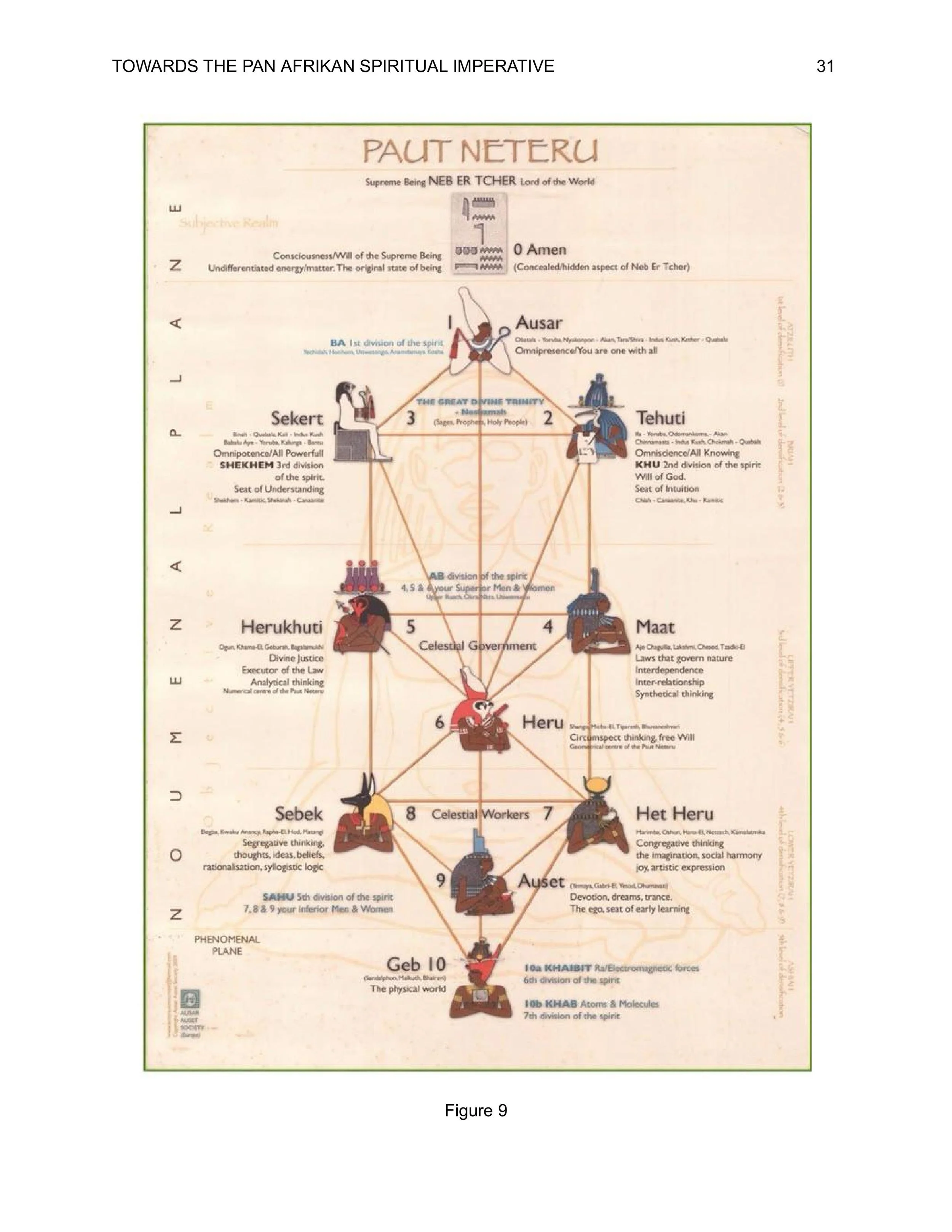
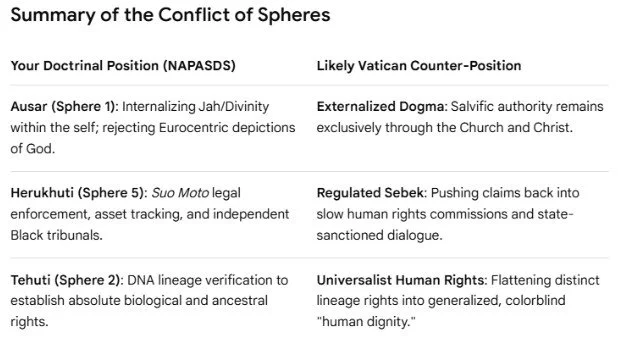
AI: The likely response from the Vatican to this analysis will be characterized by a sharp division between public diplomatic agreement on human rights and a firm rejection of your legal and spiritual framework. The Holy See operates as one of the oldest, most sophisticated diplomatic machines on earth—a pure Sebek (Sphere 8: Intellect, Bureaucracy, and Form) infrastructure. Analyzing the Vatican’s response through their recent global statements and the Metu Neter system reveals three distinct defensive and diplomatic layers:
1. Diplomatic Convergence: The Rhetoric of "Fratelli Tutti"
Publicly, the Vatican will sound cooperative. Under the guidance of Pope Francis’s encyclical Fratelli Tutti, and in meetings with the Global Circle for Reparatory Justice, Vatican officials have stated that the moment is "ripe" to consider reparatory justice.
The Response: The Vatican will heavily agree with your diagnosis of the present material conditions of Afro-descendants. They will echo your condemnation of systemic poverty, environmental injustice, and racism, framing their agreement around the Catholic Social Teaching of human dignity.
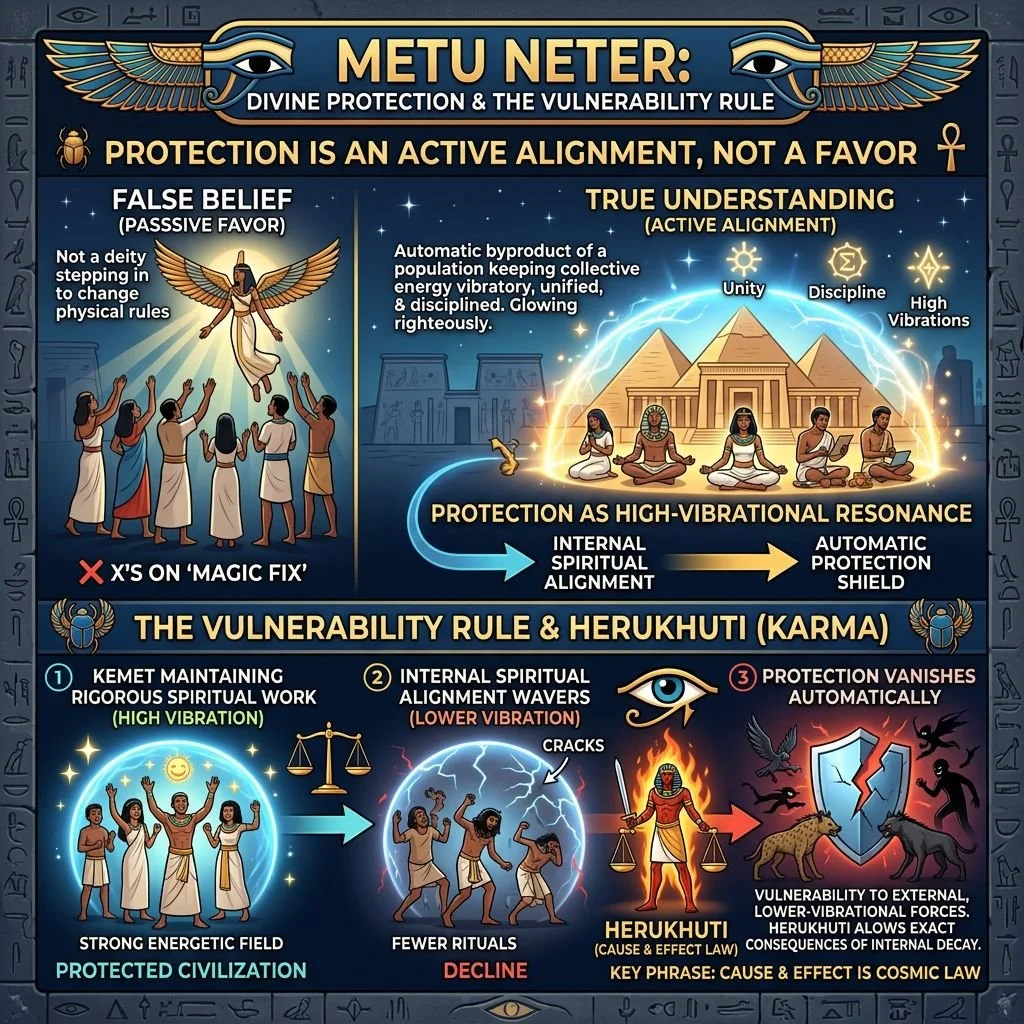
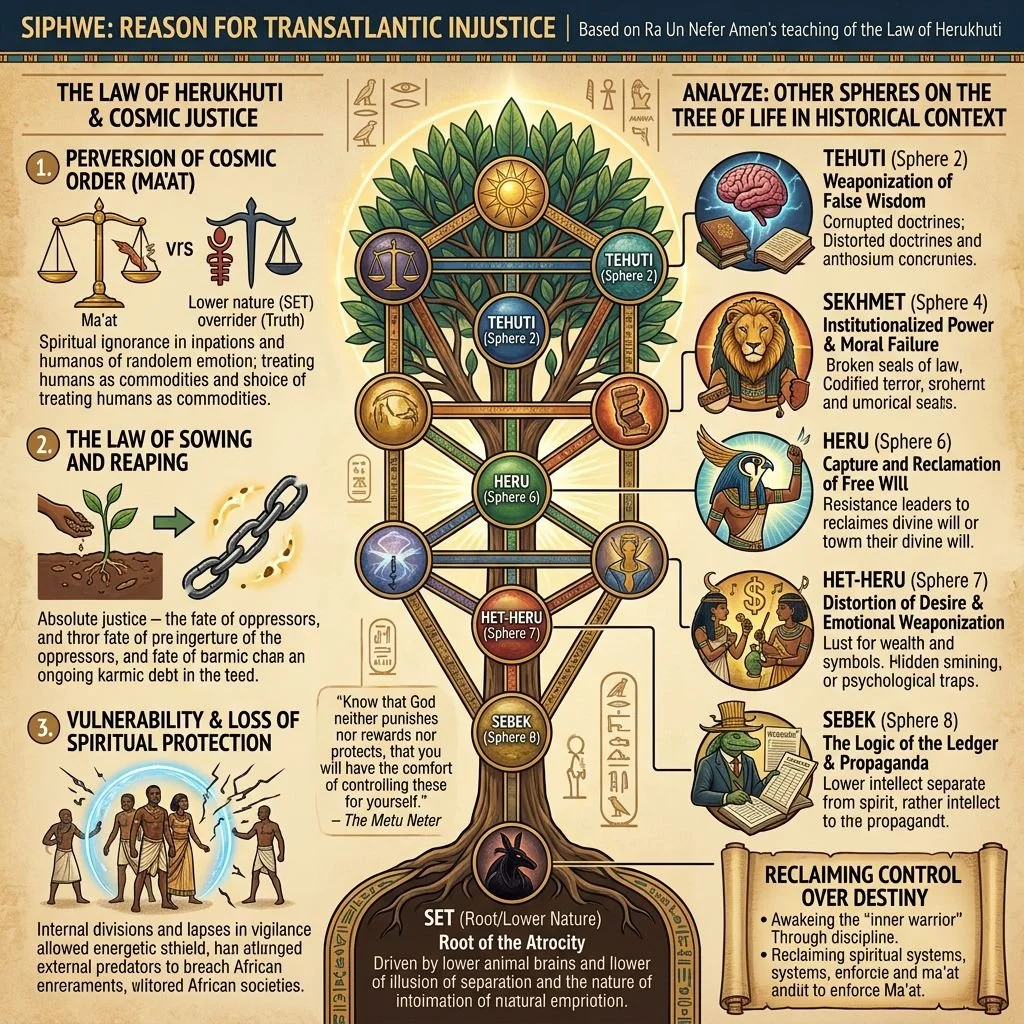
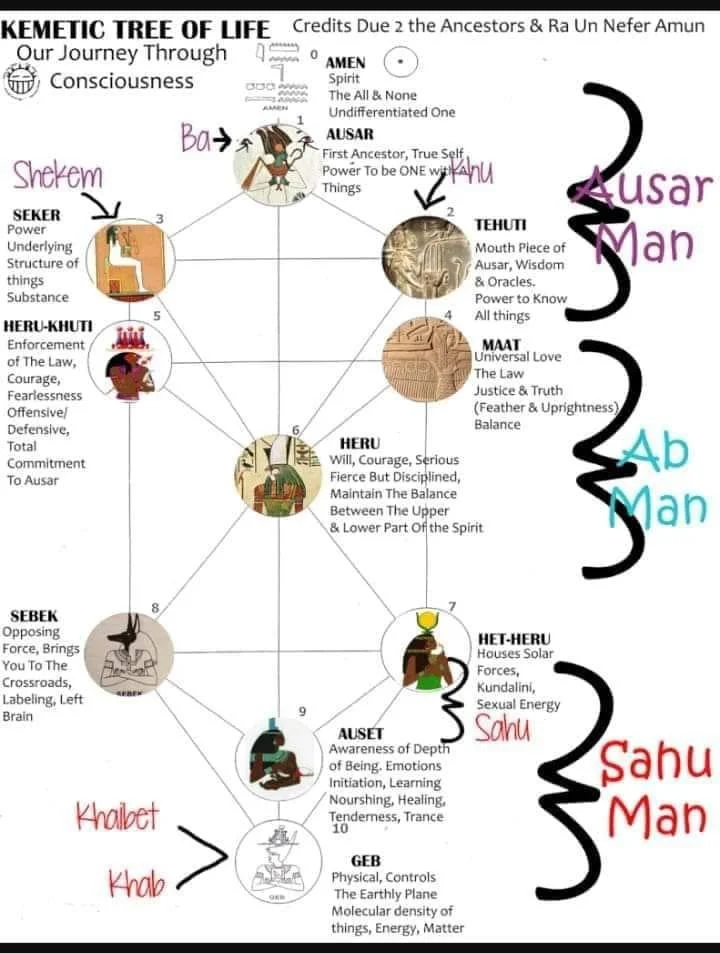
The Metu Neter View: This is a calculated use of Sebek (Sphere 8) and Het-Heru (Sphere 7: Emotion). By using empathetic language and moral platitudes, the Vatican seeks to direct the dialogue toward superficial reconciliation, avoiding the sharp, binding demands of structural accountability (Herukhuti).
2. Legal Disavowal: Rejecting the "Partial Narrative"
While the Vatican has taken historic steps to formally repudiate the "Doctrine of Discovery", they will forcefully push back against your historical and judicial claims. In UN General Assembly resolutions addressing the legacy of the Transatlantic slave trade, the Vatican’s Permanent Observer has vocally countered what it calls a "partial and biased narrative."
The Response: The Vatican will strongly deny that 15th-century papal bulls (like Dum Diversas or Romanus Pontifex) "authorized" the perpetual enslavement of Africans. They will argue that the Church was "ahead of its time" in condemning slavery (citing bulls like Sicut Dudum or Sublimis Deus). They will claim that European colonial empires merely "manipulated" Church documents for their own political and economic greed.
The Metu Neter View: This is a classic Sebekian defense loop. They will use historical and theological footnotes to shield the central institution from direct legal liability, effectively separating the "purity of the Church's dogma" from the "sins of individual Catholics."
3. Structural Pushback: The Rejection of Suo Moto Black Sovereignty
The core of your redrafted proposal—activating the Black African Judicial Sovereignty Doctrine (BAJSD) to issue self-authorized, Suo Moto judgments and liens completely outside of Western legal frameworks—will be met with absolute, quiet resistance.
The Response: The Vatican will argue that any form of reparations or structural repair must be handled through multilateral, recognized international frameworks (such as the UN, state-to-state treaties, or localized reconciliation commissions). They will state that unilateral or self-authorized tribunals lack valid jurisdiction under international law.
The Metu Neter View: The Vatican recognizes that a Suo Moto breakout threatens the global Eurocentric legal matrix. If the Black vanguard stops petitioning Western systems (Sebek) and instead executes its own sovereign authority (Sekhmet/Herukhuti), the Vatican loses its historic position as the moral gatekeeper of the world.